She can’t fool all the fans all of the time … Corrine Burns retreats far into plans for her band, The Fabulous Stains, after her mother’s death.
Find where to stream, rent, or buy Ladies and Gentlemen, the Fabulous Stains (1982) in the US with current JustWatch availability, up-to-date pricing, and platform listings for subscription, rental, and digital purchase options.
Warning: spoilers below!
Haven’t seen Ladies and Gentlemen, the Fabulous Stains yet? This summary contains major spoilers. Bookmark the page, watch the movie, and come back for the full breakdown. If you're ready, scroll on and relive the story!
Explore the full timeline and setting of Ladies and Gentlemen, the Fabulous Stains (1982). Follow every major event in chronological order and see how the environment shapes the story, characters, and dramatic tension.
Last updated: October 04, 2025 at 13:00
Meet the key characters of Ladies and Gentlemen, the Fabulous Stains (1982), with detailed profiles, motivations, and roles in the plot. Understand their emotional journeys and what they reveal about the film’s deeper themes.
Last updated: October 04, 2025 at 13:00
Explore the central themes of Ladies and Gentlemen, the Fabulous Stains (1982), from psychological, social, and emotional dimensions to philosophical messages. Understand what the film is really saying beneath the surface.
Last updated: October 04, 2025 at 13:00
Browse frequently asked questions about Ladies and Gentlemen, the Fabulous Stains (1982) focused on characters, relationships, themes, symbols, setting, and story context. This movie info FAQ gives spoiler-aware explanations for character arcs, world details, and thematic interpretation so readers can better understand what the film is really about.
The film takes place in a working-class American small town during the early 1980s. The primary locations include a local TV station, a fast-food restaurant where Corinne works, and the burgeoning punk music scene that eventually propels the characters into the national spotlight.
The story is set in the early 1980s, a period defined by economic recession and significant cultural upheaval. This era shaped the movie's depiction of youth rebellion, media fascination with celebrity, and the raw energy of underground music.
Corinne Burns is the 17-year-old protagonist played by Diane Lane. After her mother's death from lung cancer, she channels her anger and ambition into her band, The Fabulous Stains. A defiant TV interview launches her into the spotlight, and she becomes the central figure negotiating fame, control, and personal integrity as the world watches.
The theme examines how media attention manufactures stardom, tracking both the empowering thrill of being heard and the manipulation exerted by money, labels, and promoters. It shows how personal integrity clashes with commercial demands as Corinne's garage band rises to national fame.
The film portrays how television, press, and industry handlers transform a garage band into a national phenomenon. Sensational coverage amplifies both fans and backlash, distorting reality while ensuring constant visibility. The narrative critiques how media ecosystems profit from controversy and youth energy.
Billy, played by Ray Winstone, is the volatile frontman of the Looters. He exhibits extreme mood swings and manipulative behavior as the bands interact on tour. His complex relationship with Corinne and his insecurity about illiteracy surface during the tour's intensity, with his aggressive charisma fueling both conflict and spectacle.
The Stains embody a defiant teenage voice challenging establishment rules and gender norms. Journalists interpret Corinne's rhetoric in divergent ways, sparking debates around female empowerment. The arc explores whether rebellion can translate into lasting agency or merely fuel for spectacle.
The Fabulous Stains consist of Corinne Burns (lead), her sister Tracy Burns, and cousin Jessica McNeil. The trio represents raw, untrained energy rather than polished musicianship, embodying teenage participation and the desire to belong. Their imperfect, chaotic charm becomes part of their appeal as they navigate the pressures of sudden fame.
The working-class small-town setting establishes the economic hardship of the early 1980s recession as a foundation for the characters' anger and ambition. The town's mood shifts from economic struggle to mass-media spectacle as Corinne and the Stains rise to fame, illustrating how local struggles can become national entertainment.
Dave Robell is a promoter’s agent who signs the Stains for a new label and manipulates the money flow. He pushes the band toward higher fame while cutting ties with their original promoter Lawnboy and dictating terms. He embodies the predatory side of the music industry that exploits young artists.
The film critiques how the music industry commercializes authentic rebellion, showing how a genuine teenage voice gets co-opted by corporate interests. The bittersweet ending shows the band achieving success but through a corporate system they initially rebelled against, representing a victory tinged with compromise.
Lou Corpse is the frontman of the Metal Corpses, played by Fee Waybill. He serves as a rival to the Stains' rising fame, embodying the old guard of metal culture. His presence adds tension to the tour and highlights the shift in power dynamics within the music scene as new voices like Corinne's challenge established acts.
Discover curated groups of movies connected by mood, themes, and story style. Browse collections built around emotion, atmosphere, and narrative focus to easily find films that match what you feel like watching right now.
Rebellious artists face the cynical machinery of commercialization.If you enjoyed the raw energy and cynical industry critique of Ladies and Gentlemen, the Fabulous Stains, you'll find similar stories here. These movies explore the rise of rebellious bands and artists as they grapple with fame, commercialization, and the loss of their original ethos.
Stories typically follow a meteoric rise from obscurity to fame, fueled by a raw, defiant energy. The central conflict arises when the protagonist's authentic rebellion is co-opted by a cynical industry, forcing a moral choice between integrity and success, often leading to a bittersweet victory.
These films are grouped by their shared focus on the corrupting influence of commercial success on art. They share a fast-paced, anxious, and cynical tone, examining the poignant and often painful gap between idealism and reality.

Young women channel loss into a defiant, chaotic search for identity.Fans of Corrine Burns' journey in Ladies and Gentlemen, the Fabulous Stains will appreciate these similar narratives. Discover other movies about young women using music, art, or rebellion to cope with profound loss and forge their own path to empowerment against the odds.
The narrative begins with a traumatic loss that shatters the protagonist's world. Instead of collapsing, she uses the pain as fuel for a chaotic, high-energy pursuit of a new life, often finding a 'found family' along the way. The journey is as much about escaping pain as it is about self-discovery, culminating in a complex, earned independence.
These films share a specific emotional core: using defiance as a response to grief. They balance medium emotional weight with fast pacing, creating a raw and anxious mood centered on a female protagonist's precarious but determined climb out of despair.
Don't stop at just watching - explore Ladies and Gentlemen, the Fabulous Stains in full detail. From the complete plot summary and scene-by-scene timeline to character breakdowns, thematic analysis, and a deep dive into the ending - every page helps you truly understand what Ladies and Gentlemen, the Fabulous Stains is all about. Plus, discover what's next after the movie.
Read a complete plot summary of Ladies and Gentlemen, the Fabulous Stains, including all key story points, character arcs, and turning points. This in-depth recap is ideal for understanding the narrative structure or reviewing what happened in the movie.
Track the full timeline of Ladies and Gentlemen, the Fabulous Stains with every major event arranged chronologically. Perfect for decoding non-linear storytelling, flashbacks, or parallel narratives with a clear scene-by-scene breakdown.
Get a quick, spoiler-free overview of Ladies and Gentlemen, the Fabulous Stains that covers the main plot points and key details without revealing any major twists or spoilers. Perfect for those who want to know what to expect before diving in.
Discover movies like Ladies and Gentlemen, the Fabulous Stains that share similar genres, themes, and storytelling elements. Whether you’re drawn to the atmosphere, character arcs, or plot structure, these curated recommendations will help you explore more films you’ll love.
Ladies and Gentlemen, the Fabulous Stains (1982) Plot Summary & Movie Recap
Ladies and Gentlemen, the Fabulous Stains (1982) Scene-by-Scene Movie Timeline
Ladies and Gentlemen, the Fabulous Stains (1982) Spoiler-Free Summary & Key Flow
Movies Like Ladies and Gentlemen, the Fabulous Stains – Similar Titles You’ll Enjoy
Stadium Anthems (2018) Story Summary & Characters
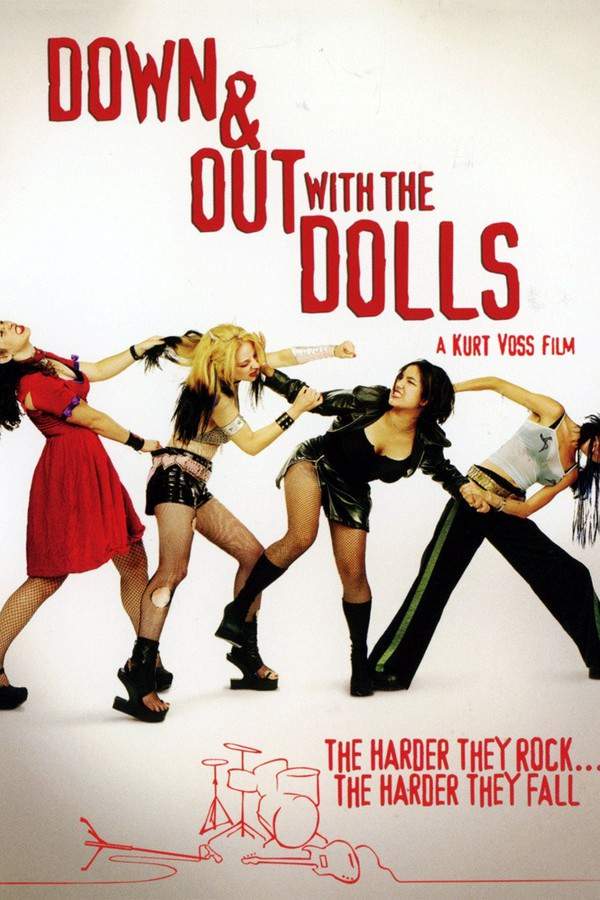
Down and Out with the Dolls (2003) Movie Recap & Themes
Prey for Rock & Roll (2003) Plot Summary & Ending Explained
Breaking Glass (1980) Story Summary & Characters
Scenes from the Goldmine (1987) Film Overview & Timeline
Desperate Teenage Lovedolls (1984) Plot Summary & Ending Explained
Sticky Fingers (1988) Detailed Story Recap
Beat Girl (1960) Ending Explained & Film Insights
Ladies of the Chorus (1948) Full Summary & Key Details
The Actress (1953) Complete Plot Breakdown
Stardust (1974) Ending Explained & Film Insights
Pretty Ladies (1925) Plot Summary & Ending Explained
Funny Lady (1975) Film Overview & Timeline
The Girl Can’t Help It (1956) Full Summary & Key Details
Stompin’ at the Savoy (1992) Movie Recap & Themes