Plot Explained Spoilers guaranteed!
Plot Explained

Browse by genre

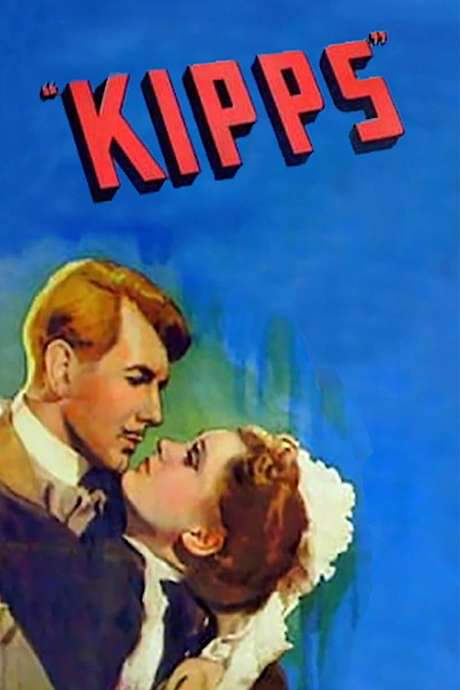
Kipps (1941) movie poster

Timeline

Kipps (1941) Timeline Explained – Every Event in Order

Release, runtime and language
1941 · 111 mins · English
Loading streaming availability…
Directed by
Carol Reed
Starring
Helen Haye, Hermione Baddeley, Michael Redgrave, Max Adrian, Michael Wilding, Diana Wynyard

A young tradesman learns that money doesn’t necessarily bring happiness. Drama.

On this page (6)
  1. 1 Where to watch
  2. 2 Events in order (15)
  3. 3 Timeline questions answered
  4. 4 Movie threads
  5. 5 Movies like Kipps
  6. 6 Every angle
Loading streaming availability…

15 events in order · contains spoilers

Kipps Timeline: Events in Chronological Order

Every key event of Kipps (1941) in order, scene by scene, with when and where it takes place. Use it to untangle flashbacks, time jumps and parallel storylines, to refresh your memory before the sequel or to find the exact scene you are thinking of.

  1. Artie asks Ann to be his girl and halves the silver sixpence

    On the eve of his seven-year apprenticeship, Arthur Kipps asks Ann Pornick to be his girl. They split a silver sixpence, each keeping half, sealing a young promise between them. This small moment foreshadows the social and emotional crossroads that will shape his life.

    When
    the day before he leaves for apprenticeship
  2. Kipps begins his Folkestone apprenticeship

    Kipps starts work for Mr. Shalford in a Folkestone drapery store, beginning seven years of routine and quiet insignificance. He lives within the shop's strict rules and drab schedule, gradually becoming an unremarkable figure. The years slip by with little to disturb his ordinary life.

    When
    at the start of his apprenticeship
    Where
    Folkestone
  3. He attends Coote's self-improvement lecture and signs up for a course

    Kipps attends a free lecture on self‑improvement delivered by Chester Coote and decides to enroll in a course. The impulse to better himself nudges him onto a new social path. This moment marks the first explicit push toward upward mobility.

    When
    early in the course
  4. Coote redirects him to Helen Walshingham's woodworking class

    Coote steers Kipps away from his preferred literature class toward a woodworking class taught by Helen Walshingham, a member of the local gentry. Kipps is instantly smitten, but Helen keeps her distance due to his social inferiority. The dynamic highlights the friction between love and class ambition.

    When
    soon after joining the course
    Where
    local gentry circle
  5. Chitterlow collides with him; they drink together

    One night, actor and playwright Chitterlow rides his bicycle into Kipps and tears his trousers. Chitterlow takes Kipps to his lodgings to repair the clothes, and they get drunk as he describes his latest play. Kipps learns that a character in Chitterlow's play shares his own name.

    When
    one night
    Where
    Kipps' lodgings
  6. Kipps is sacked for arriving late

    Kipps arrives late for work and is dismissed by Mr. Shalford for breaking a strict rule for live-in employees. Losing steady employment pushes him toward new possibilities and the chance for greater wealth. The sacking removes a safety net and accelerates his social ascent.

    When
    shortly after the night with Chitterlow
    Where
    Folkestone
  7. Chitterlow reveals the Kipps advertisement was about him

    Chitterlow visits Kipps during his notice period and explains that the famous advertisement Kipps heard referred to him, not Kipps himself. This twist makes Kipps realize his life may be connected to larger public stories and opportunities. The moment foreshadows the way fame will touch his future.

    When
    soon after the sacking
  8. Kipps inherits £26,000 from a grandfather he never knew

    Kipps discovers he has inherited a large house and a fortune (£26,000) from a grandfather he had never met. The windfall dramatically changes his social status and opens the door to new ventures and riskier bets. The inheritance becomes the catalyst for the rest of the plot.

    When
    after sacking and before investment
  9. Kipps invests £300 in Chitterlow's play

    Chitterlow convinces Kipps to invest £300 in his new play for a half share. The bank scene later confirms the hit-and-miss nature of show business. The investment ties Kipps emotionally and financially to the theatre world and his fortune.

    When
    after inheritance
    Where
    bank and theatre world
  10. Coote introduces Ronnie Walshingham; Ronnie is Helen's brother

    At the bank, Coote suggests that Kipps hire Ronnie Walshingham to manage his fortune. Kipps discovers that Ronnie is Helen Walshingham's brother, which heightens his interest in the engagement and the possibility of marrying into Helen's circle. The coincidence deepens the web of money, family, and romance around Kipps.

    When
    immediately after 9
    Where
    Bank/office
  11. Kipps is engaged to Helen Walshingham

    Coote and the Walshinghams maneuver Kipps into an engagement with Helen. He feels uneasy about the arrangements but the promise of status and wealth is compelling. The engagement marks a turning point toward marriage within the new social order.

    When
    after 10
  12. Kipps reunites with Ann and they marry

    Kipps meets Ann at the seaside and feels the old spark again, not realizing she is now a parlour maid. At a formal tea party she serves in the house, she places half of her sixpence in his hand; Kipps declares his love. In a rush of passion and social pressure, they rush off to marry.

    When
    after engagement
    Where
    seaside; tea party house
  13. The newlyweds quarrel over social position

    The newlyweds quarrel over Kipps's insistence on maintaining his social position. The conflict underlines the friction between wealth, status, and personal happiness. Their marriage is tested by class requirements as they attempt to balance love with ambition.

    When
    shortly after marriage
    Where
    home
  14. Kipps confronts Ronnie Walshingham; Helen reveals embezzlement

    Kipps goes to Ronnie Walshingham's office, fearing a breach-of-promise suit, only to find Helen there. She confesses that Ronnie has embezzled all their money and fled. Kipps is left to pick up the shattered pieces of his financial and familial hopes.

    When
    shortly after the quarrel
    Where
    Ronnie Walshingham's office
  15. Chitterlow's news secures Kipps' future

    Chitterlow arrives from the theatre at night with news that his play is a great success and will have a long run, earning Kipps his half-share. The windfall enables him to open a bookshop and live comfortably with Ann and their baby. The future looks stable, if not glamorous, for the couple.

    When
    late at night

Last updated: October 09, 2025 at 11:28

Was this helpful?

Timeline questions answered

Kipps Timeline Explained: Your Questions Answered

When does it happen, and why in that order? The questions people ask about the chronology of Kipps (1941): time jumps, flashbacks, cause and effect between scenes and the correct order of events, each answered with spoilers.

Q1

Why did Kipps choose Helen over Ann when he was already engaged to Ann?

Kipps was drawn to Helen because she represented the upward social mobility he craved after attending Chester Coote's self-improvement course. The Walshingham family and Coote actively manipulated him into the engagement, flattering his ambitions and suggesting that marrying into gentry would validate his newfound wealth. However, when he reunites with Ann and she presents the half-sixpence, his genuine affection for her resurfaces, leading him to abandon the engagement and marry his childhood sweetheart instead.

Foreshadowing: Early in the story, Kipps asks Ann to wait for him and they exchange halves of a silver sixpence, establishing the authentic emotional bond that will ultimately win out over class ambition.

  • Kipps
  • Ann Pornick
  • Helen Walshingham
  • engagement
  • class
  • social mobility
Q2

Why did Kipps inherit money from a grandfather he never knew?

Kipps inherited £26,000 and a large house from a grandfather he never met. The inheritance is revealed when Chitterlow explains that the famous advertisement Kipps heard about was actually referring to him, this connection between Chitterlow's play character named Kipps and the real Kipps suggests the grandfather may have seen the publicity and chosen to acknowledge his grandson. The sudden windfall dramatically changes Kipps's social status and sets the entire plot in motion.

Foreshadowing: The coincidence of Chitterlow's character sharing Kipps's name hints at the unexpected connections that will shape his destiny.

  • inheritance
  • grandfather
  • £26
  • 000
  • fortune
  • Kipps
Q3

What happened to the money Ronnie Walshingham was managing for Kipps?

Ronnie Walshingham, Helen's brother and Kipps's solicitor, gambled away all the money he was managing and fled. When Kipps visits expecting a breach-of-promise lawsuit, Helen confesses that her brother has embezzled everything. Rather than prosecuting, Kipps reassures Helen he won't pursue legal action, showing his character growth beyond revenge or material concerns.

Foreshadowing: The Walshingham family's eagerness to arrange Kipps's engagement to Helen hints at their financial desperation.

  • Ronnie Walshingham
  • embezzlement
  • money
  • Helen
  • fortune lost
Q4

Why did Kipps invest £300 in Chitterlow's play?

Kipps invested £300 for a half-share in Chitterlow's play partly out of friendship and gratitude, Chitterlow had been kind to him after the bicycle accident, but also because the investment represented a chance to be part of something exciting and cultured, aligning with his aspirations to escape his drapery store background. The investment initially seemed risky, but Chitterlow's play becomes a hit, providing Kipps with enough returns to open a bookshop and secure his future.

Foreshadowing: Chitterlow's energetic tales about his play and the coincidence of sharing Kipps's name foreshadow the character's importance to the plot.

  • Chitterlow
  • play
  • investment
  • £300
  • theatre success
Q5

Why did Kipps get sacked from Mr. Shalford's store?

Kipps was dismissed by Mr. Shalford for arriving late to work, violating one of the strict rules governing live-in employees at the Folkestone drapery store. The lateness occurred because he had stayed out drinking with Chitterlow the night before after the bicycle accident. While this seems like a minor infraction, it represents the moment Kipps's old life ends and his new, uncertain but ultimately more fulfilling journey begins.

Foreshadowing: The incident with Chitterlow that caused Kipps's lateness also introduced him to the theatre world and the coincidence of his name in the play, setting larger events in motion.

  • sacked
  • dismissed
  • Mr. Shalford
  • Folkestone
  • apprenticeship
Q6

What does the silver sixpence symbolize in the story?

The silver sixpence symbolizes the authentic, unchanged bond between Kipps and Ann. They each keep half of the coin as a promise to each other before his apprenticeship. When Ann presents her half again at the formal tea years later, it represents her enduring love despite their different social positions. The sixpence contrasts with the material wealth Kipps accumulates, it is worthless financially but precious emotionally, reinforcing the film's theme that true happiness lies in love rather than status.

Foreshadowing: The splitting of the sixpence at the very beginning establishes the emotional throughline that will ultimately guide Kipps back to Ann.

  • sixpence
  • coin
  • promise
  • Ann
  • love token
Q7

Why was Kipps manipulated into engaging with Helen Walshingham?

Kipps was manipulated into the engagement because Chester Coote and the Walshingham family saw him as a wealthy but naive target for social advancement. Coote redirected him from literature to Helen's woodworking class specifically to introduce them, and the family encouraged the match knowing his fortune could restore their own financial standing. Kipps felt uneasy about the arranged nature of the engagement but was seduced by the promise of status and acceptance into gentry circles.

Foreshadowing: Coote's redirection of Kipps to Helen's class, rather than letting him choose his own path, reveals the deliberate manipulation from the start.

  • Helen Walshingham
  • engagement
  • Coote
  • manipulation
  • social climbing
Q8

How did Kipps end up with a bookshop at the end?

After losing most of his fortune through Ronnie's embezzlement, Kipps's investment in Chitterlow's play saved him. Chitterlow arrived with news that the play was a tremendous success with a guaranteed long run, meaning Kipps's half-share would pay substantial returns. This windfall, combined with his reduced but still meaningful wealth, allowed Kipps to open a bookshop and live comfortably with Ann and their young son, achieving happiness not through grand social status but through honest work and genuine love.

Foreshadowing: Chitterlow's enthusiasm about his play and the timing of his late-night news hinted at the successful outcome to come.

  • bookshop
  • Chitterlow
  • play success
  • future
  • comfortable life
Q9

Why did Kipps quarrel with Ann after their marriage?

The newlyweds quarreled because Kipps insisted on maintaining social appearances and position, even though they now had enough wealth to live comfortably. This conflict represents Kipps's lingering struggle with class consciousness, he had been so influenced by his aspirations toward gentry society that he couldn't immediately shake the desire to appear respectable. Ann, having worked as a parlour maid, was hurt by his emphasis on social rank, which threatened the authenticity of their relationship.

Foreshadowing: Kipps's acceptance of the engagement to Helen, despite his unease, showed his susceptibility to social pressure that would later test his marriage.

  • quarrel
  • marriage
  • social position
  • class conflict
  • Ann
Q10

Why did Chester Coote redirect Kipps to Helen's woodworking class?

Chester Coote redirected Kipps from his preferred literature class to Helen Walshingham's woodworking class as part of a deliberate plan to elevate Kipps socially and engineer an advantageous marriage. Coote, who delivers self-improvement lectures, saw opportunity in Kipps's sudden wealth and used his influence to introduce the naive young man to Helen, a member of the local gentry. This manipulation set in motion the entire romantic confusion that follows.

Foreshadowing: The self-improvement lecture itself represents the beginning of Kipps's temptation toward false values and social climbing.

  • Chester Coote
  • Helen Walshingham
  • woodworking class
  • manipulation
  • social advancement
Q11

How did Chitterlow meet Kipps?

Chitterlow, an actor-playwright, literally collided with Kipps on a bicycle one night, tearing his trousers. He took Kipps to his lodgings to repair the clothes, and they got drunk together while Chitterlow described his latest play. During this conversation, Kipps noticed that a character in the play shared his name, Kipps, which Chitterlow explained came from a newspaper advertisement. This coincidental meeting became the catalyst for Kipps's discovery of his inheritance.

Foreshadowing: The bicycle accident and the shared name planted the seeds for the inheritance revelation that would transform Kipps's life.

  • Chitterlow
  • bicycle accident
  • play
  • coincidence
  • name

Movie threads

More Movies Like Kipps, by Mood & Story

Curated lists built around what makes Kipps tick: the same mood, the same kind of story or the same emotional payoff. Each list explains why these movies belong together.

Gentle Rags to Riches Stories Like Kipps

Stories where newfound wealth challenges but doesn't corrupt a good-natured soul. If you enjoyed the hopeful journey in Kipps, you'll like these movies about modest characters navigating sudden wealth. They are steady, character-driven dramas that explore themes of social class, love, and self-discovery, ultimately affirming that happiness isn't bought.

  • hopeful
  • earnest
  • reflective
  • gentle
  • nostalgic
  • romantic
  • Tone: hopeful, earnest, reflective
  • Pacing: steady, linear progression
Why these movies?

The story pattern: The narrative follows a protagonist from humble beginnings who experiences a dramatic change in financial fortune, often through inheritance or luck. The central conflict revolves around navigating the unfamiliar world of the wealthy while being pulled between new ambitions and old affections, leading to a reaffirmation of core personal values.

Why they belong together: Movies are grouped here because they share a specific, gentle approach to the 'rags to riches' trope. They feature a hopeful tone, a steady pacing that focuses on character development, and a central theme that true wealth lies in love and integrity, not material possessions.

Earnest Coming-of-Age Dramas Similar to Kipps

Character-driven stories about finding your place and heart across social boundaries. Viewers who liked Kipps's reflective and romantic story will find similar movies here. These are steady dramas focused on a young person's self-discovery, set against a backdrop of social divides, featuring medium emotional weight and a ultimately hopeful outcome.

  • earnest
  • reflective
  • romantic
  • hopeful
  • nostalgic
  • gentle
  • Tone: hopeful, earnest, romantic
  • Pacing: steady, character-focused
Why these movies?

The story pattern: The story centers on a sincere young adult at a crossroads, often grappling with their place in a society defined by class. Key plot points involve a romantic choice that symbolizes a life path, a betrayal that tests their naivety, and a climax where they choose authenticity over social climbing, leading to mature happiness.

Why they belong together: These films are united by their focus on a gentle, earnest protagonist navigating the complexities of love and ambition within a rigid class system. They share a medium intensity, steady pacing, and a tone that is ultimately hopeful about personal growth and finding genuine connection.

If you liked this

Movies Like Kipps

Similar movies to Kipps: the same genre, themes or kind of story. Each one comes with its own plot summary, timeline and ending explained.

Browse all movie summaries

Every angle

Kipps (1941) Explained: Plot, Timeline & Characters

Everything about Kipps in one place: what happens in the plot summary, the timeline in chronological order, the characters and meaning and a spoiler-free summary. What's After the Movie adds the cast, box office and post-credit scenes.

Coming soon on iOS and Android

The Plot Explained Movie Summary App

Plot summaries, endings explained and timelines on your phone. Catch up on any movie in minutes, save your favorites and never miss a twist again.

Be the first to know when we launch. Your email stays private, always.

Learn more about the app