Plot Explained Spoilers guaranteed!
Plot Explained

Browse by genre

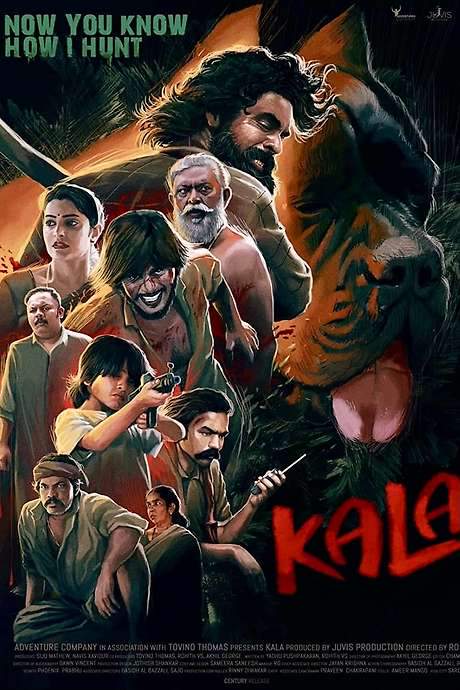
Kala (2021) movie poster

Plot Summary

Kala (2021) Plot Summary Explained

Release, runtime and language
2021 · 127 mins · Malayalam
Echo score 74
Directed by
Rohith VS
Starring
Lal, Sreejith Ravi, Tovino Thomas, Pramod Veliyanad, Divya Pillai, Ramadevi TG

The Unwanted The life of Shaji, a laid-back youngster, turns upside down when someone from his past pays him a visit.

On this page (4)
  1. 1 What happens: full plot
  2. 2 Plot questions answered
  3. 3 Movie threads
  4. 4 Every angle

Full plot summary · contains spoilers

What Happens in Kala: Full Plot Summary

The whole story of Kala (2021) explained, from the opening scene to the final frame: every key event, every twist and what it all adds up to. Read it as a quick recap before the sequel, to check a scene you missed, or to finally understand what really happened.

Shaji lives on an isolated farmhouse in Palakkad, tucked away from the bustle of the world, where he shares a quiet life with his wife, Vidya, their young son, and a loyal Cane Corso. The harvest has failed, and debt gnaws at him, gnawing away at his confidence as his wealthy father, Raveendran, watches with growing disappointment. Once trusted with the farming duties, Shaji now faces constant nagging and scolding, a reminder of how far expectations have fallen.

To keep the farmland afloat and, in the shadows, to try to chip away at the debt, Shaji hires a few Tamil workers through an acquaintance. The arrangement feels practical at first: fresh hands to manage the land, a chance to steady the cash flow, and perhaps a way to quietly shift a portion of the peppercorn crop to ease the money pressures. Meanwhile, Vidya visits her own parents with her brother for a short break from the routine grind, a momentary respite that leaves the house a little emptier and the atmosphere a touch more unsettled.

As the workers settle in, an uneasy mood begins to seep into the air. The farm’s desolate quiet is punctuated by the creak of old timber and the distant thrum of rainclouds gathering. The tension heightens when Shaji spots one of the worker boys spying on him, a chilling sign that something deeper and more personal is at stake. The truth unfolds in a startling way: the boy reveals that Shaji had previously killed the boy’s beloved dog, a fact that was done unknowingly at the time, and now the boy has returned to exact a brutal vengeance. It’s revealed, too, that the Tamil workers are not just laborers but former owners of the land who lost everything when Raveendran forcibly took it away. The revelation drapes the scenes in a grim, inexorable weight, and the sense of private history colliding with present danger becomes almost tangible.

Desperation tightens Shaji’s choices. He begs the boy to forget, offering to buy him a new dog as a gesture of atonement. But the vow of revenge burns in the boy’s heart, and he remains unyielding, determined to inflict the same pain he believes he has endured. The conflict quickly escalates into a ferocious struggle—fist and fear clashing in a fight where survival feels like the only possible outcome.

Rain finally shifts the pace of the night. Realizing the immediate need to move the peppercorn, Shaji locks the boy in a room and races outside, blood-drenched and frantic. He unloads the peppercorn sacks from the storage shed, trying to distance the crop from the volatile confrontation inside. But when he returns, the room is empty, the boy gone, and the tension between them erupts again as the boy sets the peppercorns on fire. The fight resumes with renewed ferocity, and the boy continuously gains the upper hand, driving Shaji to flee for his life through the rain-soaked corridors of his own home.

In the end, the boy’s desire for vengeance is fulfilled in a stark, unsettling way. He walks away—without remorse—carrying Shaji’s dog, a final, haunting image of how love and loyalty can be crushed by the cold calculus of revenge. What remains is a landscape scarred by conflict, where debt, betrayal, and retribution intertwine on a remote farm, leaving a lasting impression of how far people will go when the past refuses to stay buried.

Last updated: February 10, 2026 at 08:32

Was this helpful?

Plot questions answered

Kala Plot Explained: Your Questions Answered

The questions people ask most about Kala (2021): what happens in the confusing scenes, why the characters do what they do, the twists, hidden details and what the ending means. Each answer contains spoilers.

Q1

Why does the worker boy want revenge against Shaji?

The worker boy seeks revenge because Shaji had previously killed his beloved dog. This happened during an earlier encounter that Shaji himself was unaware of at the time. The boy's love for his dog was profound, and when Shaji unknowingly killed it, the boy vowed to make Shaji experience the same pain of losing someone he loves. This personal loss fuels his determination to exact brutal vengeance throughout the film.

Foreshadowing: Earlier in the film, Shaji notices the boy spying on him with a wary expression, hinting at a deeper, more personal knowledge of Shaji's past actions.

  • worker boy revenge
  • dog killing
  • vendetta
  • motivation
Q2

Why do the Tamil workers come to Shaji's farm?

The Tamil workers are not ordinary laborers but former owners of the land that Shaji's father Raveendran forcibly took away. They come to the farm under the guise of hired help, but their true intention is to confront and punish Shaji for the injustices committed by his father. The arrangement was made through an acquaintance, and they use this opportunity to carry out their revenge plot.

Foreshadowing: The eerie atmosphere and unsettling glances from the workers hint at a hidden history beneath the labor deal.

  • tamil workers
  • land dispute
  • raveendran
  • revenge plot
Q3

Why does Shaji hire workers when he already senses something wrong?

Shaji hires the workers out of desperate financial need. The harvest has failed, leaving him deep in debt, and his wealthy father Raveendran has been scolding him and losing faith in his ability to recover. To keep the farm afloat and secretly siphon some peppercorns to clear his debt, Shaji makes the risky decision to hire workers through an acquaintance, ignoring the growing unease.

Foreshadowing: The timeline establishes that Shaji's financial desperation and failed harvest set the stage for this risky decision.

  • debt
  • farm failure
  • desperation
  • hiring workers
Q4

Why does the boy set the peppercorns on fire?

During the chaos of their confrontation, the boy sets the peppercorns on fire as part of his broader strategy to destroy Shaji's livelihood and inflict maximum damage. After Shaji locks him in a room and rushes to move the peppercorn stock due to incoming rain, the boy escapes and sets the stored peppercorns ablaze. This act represents not just personal revenge but also a symbolic destruction of the farm's economic foundation that Shaji and his family depend on.

Foreshadowing: The rain creates urgency, forcing Shaji to leave the boy alone to move the peppercorns, providing the boy the opportunity to escape and set the fire.

  • pepppercorns
  • fire
  • revenge
  • destruction
Q5

What happens to Shaji's dog at the end of the movie?

At the end of the movie, the worker boy walks away with Shaji's Cane Corso dog as a final act of taking something precious from Shaji. The boy leaves without remorse, carrying the dog with him - a haunting image that completes his cycle of revenge by making Shaji experience the same loss he felt when his own dog was killed. This ending leaves Shaji defeated, alone, and permanently scarred.

Foreshadowing: The revenge motive established early in the film - making Shaji feel the same pain of losing a beloved dog - culminates in this final act.

  • cane corso dog
  • defeat
  • stolen dog
  • ending
Q6

Why does Shaji offer to buy the boy a new dog?

When Shaji learns the truth about his past action killing the boy's dog, he desperately tries to de-escalate the situation by offering to buy the boy a new dog as a gesture of atonement. This reflects Shaji's attempt to resolve the conflict through compensation and reconciliation. However, the boy rejects this offer entirely, as his desire for revenge is not about material replacement but about making Shaji suffer the same emotional pain he endured.

Foreshadowing: This moment occurs after Shaji confronts the spying boy and the boy's wary expression hints at deeper knowledge of a past incident.

  • atonement
  • compensation
  • reconciliation attempt
  • new dog
Q7

How does Raveendran's role connect to the conflict?

Raveendran, Shaji's wealthy father, plays a crucial underlying role in the conflict. He had forcibly taken the land from the Tamil workers who now come to the farm as hired help. His disappointment and constant scolding toward Shaji about the failed harvest and debt create the financial desperation that leads Shaji to hire these workers in the first place. The workers' revenge is thus indirectly connected to Raveendran's past injustices, which then target his vulnerable son.

Foreshadowing: The revelation that the workers are former land owners establishes the connection to Raveendran's historical actions.

  • raveendran
  • land ownership
  • father
  • historical injustice
Q8

Why is Vidya absent during the main conflict?

Vidya visits her parents with her brother for a short break from routine life right before the conflict escalates. Her absence is significant because it leaves Shaji alone on the isolated farm with the workers, making him more vulnerable and isolated. This timing allows the violent confrontation to unfold without any family member present to intervene or help Shaji.

Foreshadowing: The timeline notes that Vidya's departure temporarily leaves Shaji alone with the workers and rising tension.

  • vidya
  • absence
  • isolation
  • vulnerability
Q9

Why does the conflict escalate so quickly between Shaji and the boy?

The conflict escalates rapidly because both parties have deeply personal grievances that have been simmering. The boy has waited for this opportunity to enact revenge for his killed dog, while Shaji is already on edge due to financial stress and the unsettling atmosphere. When the boy reveals his identity and motive, Shaji's desperate attempts at reconciliation fail completely. The enclosed, isolated farm setting and the rain create a claustrophobic, desperate atmosphere that accelerates the violence.

Foreshadowing: The eerie atmosphere and the boy's spying behavior establish the mounting tension before it erupts.

  • escalation
  • violence
  • confrontation
  • rapid progression
Q10

What is the thematic meaning behind the movie's ending?

The ending carries a bleak thematic message about the cyclical nature of violence and the impossibility of escape from past actions. Shaji, who unknowingly killed a dog's innocent owner years ago, faces brutal revenge that leaves him defeated and humiliated with no redemption. The boy walks away satisfied, having completed his vengeance, while Shaji is left scarred both physically and emotionally. The final image of the boy taking Shaji's dog reinforces how love and loyalty can be crushed by revenge, and how past injustices cast long shadows over the present.

Foreshadowing: The meta notes establish that the ending is designed to be bleak with no redemption, reflecting the film's heavy emotional weight.

  • thematic meaning
  • revenge cycle
  • no redemption
  • bleak ending

Movie threads

More Movies Like Kala, by Mood & Story

Curated lists built around what makes Kala tick: the same mood, the same kind of story or the same emotional payoff. Each list explains why these movies belong together.

Thrillers about a violent past returning like Kala

When buried debts and old betrayals erupt into violent confrontation. If you enjoyed the tense confrontation in Kala, you'll find more movies here where a character's history comes back to haunt them. These stories feature high-stakes survival, themes of revenge and debt, and a bleak, oppressive atmosphere.

  • vengeful
  • tense
  • oppressive
  • dark
  • suspenseful
  • fearsome
  • Tone: tense, bleak, dark
  • Pacing: variable, starting slow and building to fast, violent climax
Why these movies?

The story pattern: The narrative pattern follows a protagonist whose life is disrupted by the return of a person or event from their past. This intrusion triggers a linear escalation of violence and psychological torment, often centered on settling a score, leading to a desperate fight for survival.

Why they belong together: They are grouped by the core theme of past actions dictating present conflict, creating a shared mood of dread, inevitability, and high emotional weight. The focus is on linear, straightforward plots with heavy consequences.

Atmospheric slow burn thrillers with a tense mood like Kala

A suffocating atmosphere builds relentless tension towards a fearsome climax. For viewers who appreciated the eerie, oppressive atmosphere in Kala, this section features movies with a similar slow-building tension. These films use mood and setting to create a sense of dread before a fearsome and violent payoff.

  • atmospheric
  • tense
  • oppressive
  • claustrophobic
  • suspenseful
  • dread
  • Tone: tense, oppressive, suspenseful
  • Pacing: variable, slow building to fast
Why these movies?

The story pattern: The emotional journey is defined by a gradual accumulation of dread. The story often begins with a deceptively calm setup, using visual and auditory cues to establish an eerie tone. This atmospheric pressure builds relentlessly, leading characters into a claustrophobic and violent struggle.

Why they belong together: They share a primary focus on mood and atmosphere as the key driver of the experience. The similarity lies in the oppressive, tense vibe, the variable pacing that builds to a crescendo, and the use of a bleak, confined setting to enhance psychological distress.

Every angle

Kala (2021) Explained: Plot, Timeline & Characters

Everything about Kala in one place: what happens in the plot summary, the timeline in chronological order, the characters and meaning and a spoiler-free summary. What's After the Movie adds the cast, box office and post-credit scenes.

Coming soon on iOS and Android

The Plot Explained Movie Summary App

Plot summaries, endings explained and timelines on your phone. Catch up on any movie in minutes, save your favorites and never miss a twist again.

Be the first to know when we launch. Your email stays private, always.

Learn more about the app