
Plot Explained Spoilers guaranteed!
Plot Explained

Browse by genre

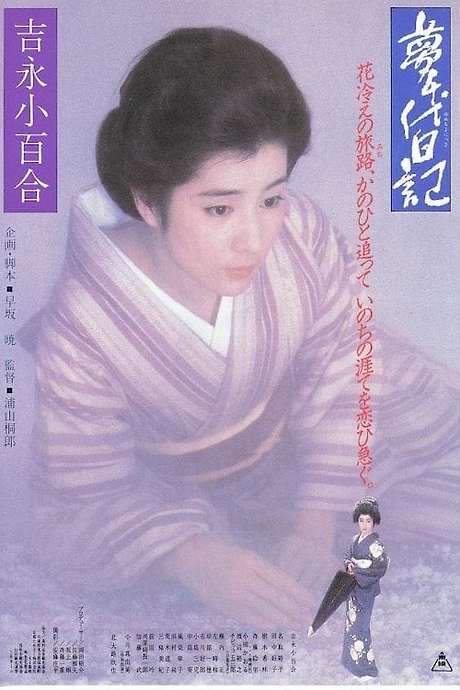
Kaisha monogatari: Memories of You (1988) movie poster

Timeline

Kaisha monogatari: Memories of You (1988) Timeline Explained – Every Event in Order

Release, runtime and language
1988 · 99 mins · Japanese
Directed by
Jun Ichikawa
Starring
Hana Kino, Mariko Tsutsui, Takashi Sasano, Sachio Sakai, Yosuke Ishii, Toshiya Sakai

A diligent section chief, nearing retirement and overwhelmed by pressure from all directions, decides to join a jazz band. The experience rekindles his youthful love of music, allowing him to rediscover joy, reassess his priorities, and strive to set his life back on the right track.

On this page (7)
  1. 1 Where to watch
  2. 2 Events in order (12)
  3. 3 Timeline questions answered
  4. 4 Movie threads
  5. 5 Movies like Kaisha monogatari: Memories of You
  6. 6 Categories
  7. 7 Every angle

Where to watch

Where to Watch Kaisha monogatari: Memories of You (1988)

Where can you watch Kaisha monogatari: Memories of You? Stream, rent or buy it in the US: current JustWatch availability with up-to-date prices.

Streaming availability powered by JustWatch

12 events in order · contains spoilers

Kaisha monogatari: Memories of You Timeline: Events in Chronological Order

Every key event of Kaisha monogatari: Memories of You (1988) in order, scene by scene, with when and where it takes place. Use it to untangle flashbacks, time jumps and parallel storylines, to refresh your memory before the sequel or to find the exact scene you are thinking of.

  1. Commute and looming retirement

    The film opens with Hajime Hanaoaka boarding a train to Tokyo Co. Ltd, already weighed down by the idea of retirement. He drifts through his routine with a troubled, sad expression, hinting at the life-switch ahead. The commute frames his sense that a long chapter is ending.

    When
    Morning (opening sequence)
    Where
    Train to Tokyo Co. Ltd
  2. Daily routine under a cloud

    At the office, his days are marked by small signals of fatigue and detachment. He watches colleagues go through motions, introspective about how little of his life has been outside work. The looming retirement colors his interactions with everyone around him.

    When
    Morning to afternoon
    Where
    Tokyo Co. Ltd office
  3. Reflection assignment

    A coworker asks him to write a reflection on 34 years at Tokyo Co. He offers a candid view of his life being defined by the job rather than by personal relationships. The line 'It wasn't just my job. It was my life' hints at the depth of his devotion and looming loss.

    When
    Daytime
    Where
    Office
  4. Rediscovering jazz

    To cope with his sadness, Hanaoaka revisits jazz, a hobby from his past he had long neglected. He immerses himself in rhythm and improvisation as a form of solace. The music rekindles a part of him that retirement might otherwise erase.

    When
    Evening
    Where
    Home music space
  5. Colleagues reveal musical talent

    Some coworkers reveal they also play instruments, sparking the idea of a company swing band. The shared passion gives Hanaoaka renewed energy and a sense of community. The possibility of making music with his team shifts the mood from melancholy to hopeful.

    When
    Soon after
    Where
    Office / rehearsal space
  6. Formation of the Tokyo Co. Swing Band

    The group forms with Hanaoaka at the center as drummer and mentor. They begin rehearsals and discuss jazz, reigniting old friendships and a sense of purpose. The band becomes a lifeline as his career nears its end.

    When
    Leading up to retirement
    Where
    Rehearsal space / office building
  7. Nishiyama’s romance arc

    Young coworker Nishiyama navigates romance, becoming engaged but breaking it off when her fiancé cheats. The personal setback offers a human counterpoint to the office grind. Her struggle adds emotional texture to the workplace portrait.

    When
    Earlier in the film
    Where
    Office / personal life
  8. A compassionate connection

    Nishiyama grows closer to Hanaoaka, and the film uses her voiceover at the opening and closing to frame her faith in people. Their bond is tender without becoming romantic, offering him companionship. This dynamic reinforces themes of trust, renewal, and intergenerational connection.

    When
    Throughout, culminating near the end
    Where
    Office and shared spaces
  9. Retirement party gossip and calm resolve

    Gossip swirls about whether the office will throw Hanaoaka a retirement party. He responds by sending a newsletter asking colleagues not to worry about a party, aiming to spare them extra effort. The act reveals his humility and consideration for others.

    When
    Early in retirement arc
    Where
    Office
  10. A private invitation and dinner

    Nishiyama sends him a private letter inviting him to a personal retirement party for just the two of them. They share a dinner and connect on a deeper level, though their relationship remains platonic. The moment marks a turning point in his farewell.

    When
    Mid-to-late arc
    Where
    Restaurant / private dining
  11. Final performance at the retirement party

    The retirement party becomes a stage for the jazz band's final performance. Hanaoaka plays with his colleagues, delivering a cathartic moment that celebrates a life beyond daily work. The evening softens as coworkers grow warmer and more supportive.

    When
    Evening of retirement day
    Where
    Retirement party venue
  12. Closing faith in people through music

    With the band's music and Nishiyama's closing voiceover, the film ends on a note of renewed faith in people. Hanaoaka's retirement feels like a transition toward new connections rather than a hard end. The coworkers’ friendship deepens as they see him in a fresh light.

    When
    Closing credits
    Where
    Office / party venue

Last updated: October 09, 2025 at 14:33

Was this helpful?

Timeline questions answered

Kaisha monogatari: Memories of You Timeline Explained: Your Questions Answered

When does it happen, and why in that order? The questions people ask about the chronology of Kaisha monogatari: Memories of You (1988): time jumps, flashbacks, cause and effect between scenes and the correct order of events, each answered with spoilers.

Q1

Why does Hanaoaka feel such dread about retirement

After 34 years at Tokyo Co. Ltd., Hanaoaka realizes his entire identity has been defined by his job. He confesses that he spoke more with his staff than with his own son, revealing how deeply entwined his personal life became with his work. The retirement represents not just a job loss, but the dissolution of his primary source of purpose and community.

Foreshadowing: The opening train sequence shows him with a troubled, sad expression, hinting that he already senses how much the job has become his life.

  • retirement
  • dentity loss
  • worklife balance
  • midlife crisis
  • japanese salaryman
Q2

How does jazz help Hanaoaka cope with retirement

Hanaoaka rediscovers his old passion for drums and rhythm as a way to process his sadness. The music reawakens a part of himself that had been dormant for decades, providing an emotional outlet and a sense of renewed purpose. This personal rediscovery becomes the foundation for building new connections with his coworkers through the swing band.

Foreshadowing: The reflection assignment triggers his emotional crisis, prompting him to seek solace in the musical memories from his past.

  • jazz
  • drums
  • music therapy
  • personal passion
  • hobby rediscovered
Q3

Why does the Tokyo Co. Swing Band form

After Hanaoaka reconnects with jazz, he discovers that several coworkers also play instruments. Their shared musical interest creates an opportunity for connection beyond office hierarchies. The band becomes a lifeline for Hanaoaka, transforming his final months at the company from solitary melancholy into a collaborative creative experience that redefines his relationships with colleagues.

Foreshadowing: His rediscovered passion for music naturally attracts others who share similar hidden talents.

  • swing band
  • office community
  • jazz
  • music collaboration
  • colleague relationships
Q4

Why does Nishiyama break off her engagement

Nishiyama's fiancé proves untrustworthy, and she discovers he has been unfaithful. This betrayal leads her to end the engagement, representing a personal crisis that mirrors the film's themes of loyalty and trust. Her decision highlights the importance of integrity in relationships, paralleling Hanaoaka's own realization about what truly matters in life.

Foreshadowing: Her romance arc earlier in the film builds toward this moment of heartbreak and self-respect.

  • Nishiyama
  • engagement
  • breakup
  • trust
  • infidelity
  • job relationship parallels
Q5

What is the nature of Hanaoaka and Nishiyama's connection

Their bond is platonic yet deeply meaningful. Nishiyama represents intergenerational understanding and faith in people's goodness. She invites him to a private dinner as a personal farewell, showing compassion beyond workplace formality. The film deliberately keeps their relationship warm and respectful rather than romantic, emphasizing trust and human connection over romantic entanglement.

Foreshadowing: Her voiceover bookends the film, establishing her perspective as someone who believes in people and second chances.

  • mentorship
  • intergenerational bond
  • trust
  • companionship
  • Nishiyama friendship
Q6

Why does Hanaoaka ask coworkers not to throw a retirement party

Hanaoaka sends a newsletter requesting that colleagues not worry about organizing a party, demonstrating his characteristic humility and consideration for others. He doesn't want to burden his coworkers with extra effort during their busy schedules. This selfless act underscores his thoughtful nature and sets up the emotional payoff when his colleagues nonetheless organize a meaningful celebration.

Foreshadowing: Office gossip about whether there will be a party creates tension that his newsletter tries to defuse.

  • humility
  • consideration
  • retirement party
  • office dynamics
  • selflessness
Q7

What does the retirement party performance represent

The swing band's final performance transforms Hanaoaka's retirement from an ending into a new beginning. It celebrates life beyond spreadsheets and daily routines, showing his colleagues a different side of him. The music becomes a shared language that redefines their relationships, proving that connection and joy can exist outside work productivity.

Foreshadowing: The band's formation throughout the film builds toward this cathartic moment of shared creativity.

  • performance
  • jazz band
  • celebration
  • new beginning
  • community
  • work transformation
Q8

Why does the film end on a hopeful note about retirement

The movie suggests that retirement opens doors to renewed purpose and deeper human connections rather than marking a lonely decline. Hanaoaka's journey shows that letting go of work identity can actually free a person to discover new passions and relationships. The final image of him onstage with his band, surrounded by colleagues who now see him differently, affirms that life continues with meaning after career endings.

Foreshadowing: The gradual shift from his melancholy to hopeful engagement with music foreshadows this emotional resolution.

  • hope
  • renewal
  • purpose
  • life after retirement
  • new beginnings
  • positive aging
Q9

What makes Hanaoaka's reflection on 34 years so emotional

When asked to write about his time at Tokyo Co., Hanaoaka reveals the profound truth that his job wasn't just employment, it was his entire life. The candid admission that he spoke more with staff than his own son exposes the human cost of total dedication to work. This moment forces him to confront what he has sacrificed for his career and what he stands to lose.

Foreshadowing: His troubled expression during the commute hints at this deep identification with his job.

  • self-reflection
  • sacrifice
  • work-life balance
  • career
  • regret
  • japanese work culture
Q10

Why does Nishiyama provide voiceover narration

Nishiyama's voiceover at the opening and closing frames the entire film with her perspective of faith in people. As a young coworker observing Hanaoaka's journey, she represents the next generation bearing witness to his transformation. Her reflective narration creates a sense of hope and continuity, suggesting that his story will inspire others and that human connection transcends generational boundaries.

Foreshadowing: Her earlier scenes with Hanaoaka establish her role as someone who sees and values him beyond his office title.

  • voiceover
  • narration
  • Nishiyama
  • perspective
  • faith in people
  • generational connection

Movie threads

More Movies Like Kaisha monogatari: Memories of You, by Mood & Story

Curated lists built around what makes Kaisha monogatari: Memories of You tick: the same mood, the same kind of story or the same emotional payoff. Each list explains why these movies belong together.

Movies about rediscovering purpose like Kaisha monogatari: Memories of You

Stories of characters finding new meaning and joy later in life. If you liked Kaisha monogatari: Memories of You, explore other gentle dramas about characters finding new meaning later in life. This collection features similar stories of retirement, second acts, and the hopeful rediscovery of joy and passion, offering uplifting and reflective viewing experiences.

  • hopeful
  • reflective
  • uplifting
  • contemplative
  • nostalgic
  • quiet
  • Tone: hopeful, reflective, uplifting
  • Pacing: slow, contemplative
Why these movies?

The story pattern: Narratives in this thread typically follow a protagonist at a crossroads, often triggered by retirement or a life change. The story arc is a slow, deliberate journey of reconnecting with a forgotten interest, learning a new skill, or building new relationships, leading to a reaffirmation of self and a hopeful, satisfying conclusion.

Why they belong together: Movies are grouped here for their shared focus on the hopeful and uplifting journey of personal rediscovery. They share a gentle, reflective mood, a slow, contemplative pacing, and a central theme of finding renewed purpose and joy in life's later chapters.


Quietly contemplative movies like Kaisha monogatari: Memories of You

Slow-paced, character-focused stories with a reflective and hopeful mood. Find movies similar to Kaisha monogatari: Memories of You that share its slow, reflective pace and hopeful tone. This selection features gentle dramas with medium emotional weight, where character introspection and quiet moments of rediscovery create a comforting and uplifting cinematic experience.

  • contemplative
  • quiet
  • reflective
  • hopeful
  • nostalgic
  • melancholic
  • Tone: hopeful, reflective, melancholic
  • Pacing: slow, deliberate
Why these movies?

The story pattern: The narrative pattern involves a linear, straightforward character arc driven by introspection. Conflict is often internal or low-stakes interpersonal, resolved through personal insight and small, significant moments. The journey is more about emotional realization than dramatic plot twists, culminating in a clear, positive resolution.

Why they belong together: These films are grouped by their shared vibe: a specific blend of slow pacing, low intensity, and a hopeful yet reflective tone. They create a consistent viewing experience that is calming, thoughtful, and ultimately uplifting, dealing with meaningful themes in a gentle, accessible way.

If you liked this

Movies Like Kaisha monogatari: Memories of You

Similar movies to Kaisha monogatari: Memories of You: the same genre, themes or kind of story. Each one comes with its own plot summary, timeline and ending explained.

Browse all movie summaries

Categories

Movie Lists Featuring Kaisha monogatari: Memories of You

Kaisha monogatari: Memories of You appears in these hand-built movie categories. Each one groups movies by a specific mood, theme or story type, with their plot summaries and endings explained.

View all movie categories

Every angle

Kaisha monogatari: Memories of You (1988) Explained: Plot, Timeline & Characters

Everything about Kaisha monogatari: Memories of You in one place: what happens in the plot summary, the timeline in chronological order, the characters and meaning and a spoiler-free summary. What's After the Movie adds the cast, box office and post-credit scenes.

Coming soon on iOS and Android

The Plot Explained Movie Summary App

Plot summaries, endings explained and timelines on your phone. Catch up on any movie in minutes, save your favorites and never miss a twist again.

Be the first to know when we launch. Your email stays private, always.

Learn more about the app