Plot Explained Spoilers guaranteed!
Plot Explained

Browse by genre

Kaili Blues (2016) movie poster

Timeline

Kaili Blues (2016) Timeline Explained – Every Event in Order

Release, runtime and language
2016 · 113 min · Chinese
Loading streaming availability…
Directed by
Gan Bi

In the rain-swept city of Kaili, two doctors exist in a contemplative haze. A doctor's journey to locate his brother's lost child leads him to a mysterious town where time seems to collapse, and the lives of its inhabitants become unexpectedly connected. As he explores this unusual place, Chen finds himself confronting a world where memories and present realities blend, and he struggles to discern between the tangible and the imagined.

On this page (5)
  1. 1 Where to watch
  2. 2 Events in order (10)
  3. 3 Timeline questions answered
  4. 4 Movie threads
  5. 5 Every angle
Loading streaming availability…

10 events in order · contains spoilers

Kaili Blues Timeline: Events in Chronological Order

Every key event of Kaili Blues (2016) in order, scene by scene, with when and where it takes place. Use it to untangle flashbacks, time jumps and parallel storylines, to refresh your memory before the sequel or to find the exact scene you are thinking of.

  1. Weiwei disappears and Chen confronts Crazy Face

    Weiwei disappears one day, triggering Chen Sheng's urgent search. Believing Crazy Face might have sold the child, Chen confronts his half-brother in their rural Kaili village, the tension between them escalating as unfamiliar guilt and fear surface.

    Where
    Kaili
  2. Monk's involvement revealed and keepsakes request

    Chen learns that Weiwei was taken on a trip to Zhenyuan by his old mentor Monk. Before Chen travels, the village's old doctor asks him to bring keepsakes to her former lover, a Miao musician now dying in Zhenyuan. He agrees to carry the message and set off.

    Where
    Kaili
  3. Train journey begins; dream sets in

    Chen boards the train to Zhenyuan and begins the long journey to find Weiwei. On the way, he slips into a dream that transports him to the mysterious village of Dangmai, where past, present, and future blur.

    Where
    Train to Zhenyuan
  4. Dangmai dream: motorbike ride with Weiwei

    In the Dangmai dream, Chen rides most of the distance on the motorbike of a young man who later reveals himself to be Weiwei. The road and scenery become dreamlike as identities and loyalties braid with memory.

    Where
    Dangmai
  5. Hairdresser resembling his wife and his past

    Chen meets a hairdresser who looks identical to his deceased wife. He recounts how he first met his future wife in a club as a young gangster, how Monk helped him when his wife fell ill, and how he later avenged Monk's son after a gambling debt, which landed him nine years in prison.

    Where
    Dangmai
  6. Serenade and traveling rock band

    Before leaving Dangmai, Chen serenades the hairdresser with a song while a traveling rock band performs in the village. The moment blends longing, memory, and music as the dream closes in on its emotional edge.

    Where
    Dangmai
  7. Arrival in Zhenyuan; Monk explains Weiwei’s safety

    Chen arrives in Zhenyuan and reunites with Monk, who explains that he took Weiwei there to keep him safe from Crazy Face. Monk asks Chen to let Weiwei stay with him for a few more days, offering a chance to adjust to the new safe place.

    Where
    Zhenyuan
  8. Chen spots Weiwei with binoculars

    From a distance, Chen spots Weiwei through a pair of binoculars and smiles at the sight of him. The moment marks a fragile sense of progress in the ongoing search.

    Where
    Zhenyuan
  9. Visit to the old doctor's lover’s home

    Chen visits the old doctor's old lover's home and learns that the Miao musician has died. The encounter ties the elder's longing to reconnect with the musician to the present events surrounding Weiwei.

    Where
    Zhenyuan
  10. The musician’s final song

    The musician's pupils play a final song to send him off, a haunting moment that echoes the musician's life and art. The scene provides a quiet, elegiac close to that chapter of the story.

    Where
    Zhenyuan

Last updated: November 22, 2025 at 15:59

Was this helpful?

Timeline questions answered

Kaili Blues Timeline Explained: Your Questions Answered

When does it happen, and why in that order? The questions people ask about the chronology of Kaili Blues (2016): time jumps, flashbacks, cause and effect between scenes and the correct order of events, each answered with spoilers.

Q1

Why does Chen suspect Crazy Face sold Weiwei?

Chen immediately suspects his half-brother Crazy Face because Crazy Face has a history of neglectful behavior toward his son Weiwei. Their relationship is tense and fraught, and Chen jumps to the conclusion that Crazy Face might have sold the child for money, leading to a heated confrontation between the brothers.

  • crazy face
  • weiwei
  • chen
  • suspicion
  • missing child
Q2

Why did Monk take Weiwei to Zhenyuan?

Monk took Weiwei to Zhenyuan because he feared that Crazy Face would sell the child. Monk, who was Chen's former mentor, intervened to protect the boy and brought him along on a trip to the neighboring town of Zhenyuan.

  • monk
  • weiwei
  • zhenyuan
  • protective
  • crazy face
Q3

Is the Dangmai sequence a dream or real?

The Dangmai sequence appears to be a dreamlike vision that occurs while Chen is on the train to Zhenyuan. In this surreal detour, past, present, and future blur together, and Chen encounters his nephew Weiwei as a young motorbike rider and meets a hairdresser who resembles his deceased wife.

Foreshadowing: The film establishes early on that Chen is traveling and in a contemplative state, setting up the dreamlike quality of what follows.

  • dangmai
  • dream
  • surreal
  • time
  • hallucinatory
Q4

Why did Chen go to prison?

Chen went to prison for nine years because he avenged Monk's son, who had his hand cut off and was buried alive after a gambling debt dispute. Chen killed the men responsible, an act that landed him in prison.

  • chen
  • prison
  • monk
  • revenge
  • gambling debt
Q5

What happened to Chen's wife?

Chen met his future wife in a club during his days as a young gangster. When she fell ill, Monk helped care for her. Chen was in prison for nine years, and during that time, both his mother and his wife died.

  • chen wife
  • death
  • prison
  • monk
  • backstory
Q6

Who is the hairdresser that looks like Chen's wife?

The hairdresser Chen meets in the Dangmai sequence is a separate person who simply bears an uncanny resemblance to his late wife. Through her, Chen revisits memories of how they met and the life they shared before his imprisonment.

Foreshadowing: The film establishes Chen's deep connection to his deceased wife through earlier reflections.

  • hairdresser
  • wife
  • resemblance
  • memory
  • dangmai
Q7

What is the relationship between Chen and Monk?

Monk was Chen's mentor and mentor figure in his youth. Monk helped Chen when his wife was ill, and Chen repaid that debt by avenging Monk's son, which led to Chen's imprisonment. Their bond is one of loyalty and mutual debt, spanning many years.

  • monk
  • chen
  • mentor
  • loyalty
  • revenge
Q8

Why does the old doctor ask Chen to visit the Miao musician?

The old village doctor asks Chen to deliver keepsakes to her old lover, a Miao musician who is now dying in Zhenyuan. It's a final act of compassion and closure, a way for her to reconnect with someone from her past before he passes away.

  • old doctor
  • miao musician
  • keepsakes
  • lover
  • zhenyuan
Q9

What happens to the Miao musician at the end?

The Miao musician has already died by the time Chen arrives in Zhenyuan. His pupils (students) play one final song to send him off, creating a poignant, elegiac moment that underscores the film's themes of loss, memory, and the lingering impact of human connections.

  • miao musician
  • death
  • song
  • pupils
  • ending
Q10

What does Chen's moment with the binoculars signify?

When Chen spots Weiwei through a pair of binoculars in Zhenyuan, it marks a turning point in his search. He finally sees the boy safe with Monk, and this moment brings a rare, hopeful smile to Chen's face, a brief instance of relief amid the film's melancholy atmosphere.

  • chen
  • weiwei
  • binoculars
  • hope
  • reunion
Q11

Why does the movie blur past and present?

The film intentionally blurs timelines to reflect Chen's psychological state, his memories, regrets, and grief bleed into his present journey. The surreal Dangmai sequence represents how the past remains present in his mind, creating a narrative that mirrors his internal experience of time.

Foreshadowing: The film's melancholic tone and slow pacing establish this reflective, memory-driven quality from the beginning.

  • timeline
  • memory
  • past present
  • surreal
  • psychological

Movie threads

More Movies Like Kaili Blues, by Mood & Story

Curated lists built around what makes Kaili Blues tick: the same mood, the same kind of story or the same emotional payoff. Each list explains why these movies belong together.

Atmospheric Journeys Through Memory and Time in movies like Kaili Blues

Films where past and present blur into a contemplative and atmospheric exploration of memory. For viewers who enjoyed the dreamlike exploration of memory in Kaili Blues, this list features movies with a similar contemplative and atmospheric vibe. These films often use non-linear storytelling and a meditative pace to delve into themes of time, loss, and connection, creating a hauntingly beautiful cinematic experience.

  • dreamlike
  • contemplative
  • atmospheric
  • nostalgic
  • haunting
  • serene
  • Tone: melancholic, contemplative
  • Pacing: slow, deliberate
Why these movies?

The story pattern: Stories in this thread are typically structured around a character's internal journey rather than a conventional external plot. The narrative often unfolds subjectively, with timelines collapsing and memories blending with the present. The conflict is often internal—a struggle to reconcile with the past or understand fragmented recollections—leading to a character's quiet, often bittersweet, revelation.

Why they belong together: Movies are grouped here because they share a core focus on the fluidity of time and the power of memory, presented through a specific atmospheric and contemplative lens. They prioritize mood and sensory experience over straightforward plotting, creating a similar feeling of serene melancholy and existential reflection.
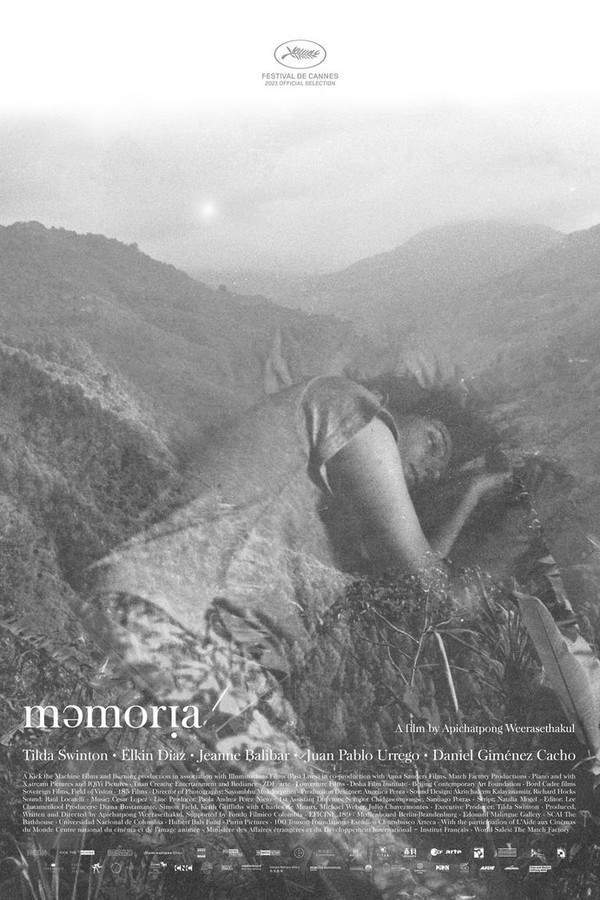
Bittersweet Quests for Redemption and Connection in films similar to Kaili Blues

A solitary journey through a strange landscape leads to a bittersweet resolution of past wounds. If you liked the search for a lost child and the theme of redemption in Kaili Blues, these movies feature similar solitary journeys. The protagonists seek to mend broken connections or confront past mistakes, resulting in emotionally complex stories that balance sorrow with moments of profound human connection.

  • lonely
  • nostalgic
  • redemptive
  • contemplative
  • melancholic
  • hopeful
  • Tone: melancholic, bittersweet
  • Pacing: slow, reflective
Why these movies?

The story pattern: The narrative pattern involves a character, often burdened by a troubled past, embarking on a search that serves as a metaphor for internal reconciliation. The external quest is intertwined with flashbacks and memories, and the protagonist encounters characters who reflect aspects of their own struggles. The ending provides a sense of closure that is tempered with lingering sadness, emphasizing the complexity of healing.

Why they belong together: These films are connected by their focus on a redemptive journey, a melancholic tone, and a bittersweet emotional payoff. They share a similar pacing that allows for reflection and a medium emotional weight that engages the viewer without being overwhelming, creating a coherent experience of thoughtful, character-driven drama.

Every angle

Kaili Blues (2016) Explained: Plot, Timeline & Characters

Everything about Kaili Blues in one place: what happens in the plot summary, the timeline in chronological order, the characters and meaning and a spoiler-free summary. What's After the Movie adds the cast, box office and post-credit scenes.

Coming soon on iOS and Android

The Plot Explained Movie Summary App

Plot summaries, endings explained and timelines on your phone. Catch up on any movie in minutes, save your favorites and never miss a twist again.

Be the first to know when we launch. Your email stays private, always.

Learn more about the app