Just Maath Maathalli
Year: 2010
Runtime: 133 mins
Language: Kannada
No one has entered a biography for him.
Warning: spoilers below!
Haven’t seen Just Maath Maathalli yet? This summary contains major spoilers. Bookmark the page, watch the movie, and come back for the full breakdown. If you're ready, scroll on and relive the story!
Just Maath Maathalli (2010) – Full Plot Summary & Ending Explained
Read the complete plot breakdown of Just Maath Maathalli (2010), including all key story events, major twists, and the ending explained in detail. Discover what really happened—and what it all means.
Siddharth, a singer in a rock band, leaves the bustle of Bangalore for a new chapter in Singapore, carrying a quiet restlessness and a vague, stubborn wish to find someone he once cared about. On the flight, he crosses paths with a perceptive, talkative screenwriter named Adi, who quickly takes a shine to Siddharth and asks about the purpose of his trip. Siddharth begins to tell a story that he says might explain why he’s been wandering, a story centered on a girl he once liked whom he called Tanu. The conversation gives a frame to a tale that feels like a single, winding song with many unexpected turns.
Tanu’s story unfolds in a sequence of sharp, almost cinematic vignettes. First, at the edge of a cliff, Siddharth stands at a suicide point, and a stranger named Tanu—a woman who does not know him—pulls him back, assuming he’s about to jump. She scolds him for such an act, insisting on explanations he tries to offer but cannot fully calm. Disappointed, he withdraws to a lakeside and sits with his thoughts, while she keeps returning, convinced she understands his distress even when he tries to tell her he’s simply observing the depth of the cliff or rinsing his face. Their miscommunications become a thread that runs through their first uneasy encounters, with both of them speaking at cross purposes and each becoming stubbornly convinced of the other’s intent.
The next pivotal moment occurs at Krishnarajanagara railway station, where Siddharth is waiting for a train and Tanu, in a hurry to reach hers, misses it. She recuperates on a bench, and, as she navigates to use a sky-walk to the other platform toilet, Siddharth notices a beggar nearby trying to pick her pocket. He intervenes, shouting to alert her. In that instant, she discovers Siddharth’s quiet courage, and, in gratitude and shock, they shelter together in a dim cattle shed as danger looms. When danger passes, the beggar’s gang returns with reinforcements, but the shed’s oxen and their own quick thinking help them escape. The next morning, Tanu boards a departure train and leaves, but Siddharth realizes he still has the small, precious bangle she’d trusted him to safeguard.
Siddharth tracks down Tanu’s hometown, using a telephone booth to retrieve her address, and returns the kept token to her. She invites him to stay with her family for a few days, and what begins as a wary, uneasy companionship gradually deepens into affection. The two grow closer: she opens up to him about her life, he lets his guard down, and both begin to understand a tenderness they had not anticipated. Yet love is not a simple emotion for him. When she finally confesses her own feelings, he responds by rejecting a formal relationship, choosing to leave for Bangalore with a resolve he cannot fully articulate.
The narrative then pivots to a painful, long shadow from Siddharth’s past. Three years earlier, Divya, a devoted fan of his music, declares her love, and he barely engages with the seriousness of such a commitment. He agrees to hang around with her, but when a mall work emergency pulls him away, Divya insists on following and understanding his life more deeply. Siddharth realizes she has taken the relationship as a genuine bond, while he only saw it as a casual attachment. The result is devastating: Divya is overwhelmed by heartbreak and ends her life that same night. The burden of her suicide leaves him shattered and certain of one hard truth: he cannot bring himself to get involved in another serious relationship. The memory of Divya’s longing casts a long shadow over his choices with every girl he meets thereafter.
Back on the plane to Singapore, Siddharth recounts all of these elements—the misread kindness of Tanu, the rescue at the railway station, the bangle that travels with him, his reluctance to fall fully in love after Divya’s death—and a friend’s counsel echoes in his ears: perhaps he should pursue what he truly wants. He speaks aloud of his longing for Tanu and the possibility of a real connection, even as he wrestles with the fear that history might repeat itself.
Arriving in Singapore, Adi invites Siddharth into his home, signaling that the writer’s own life is moving toward a new chapter—he is about to be married. Siddharth joins the wedding, and as the ceremony unfolds, a startling truth surfaces: the bride is Tanu. The moment is a quiet thunderclap that freezes Siddharth in place. He leaves the wedding hall and heads toward the airport with a storm of emotions, determined to find a way to tell Adi that he has found his Tanu, even as he asks his friend to forget the entire story if he can. In the end, Adi agrees, underscoring the film’s central meditation on memory, destiny, and the choices we make when stories demand to be told or forgotten.
The film weaves together themes of chance encounters, miscommunication, and the power of those moments that redirect a life. It balances intimate emotional revelations with a broader meditation on how past regrets shape present decisions, and how love can arrive in the most unlikely of places—sometimes in the wings of a chance audience, sometimes at a wedding where the bride turns out to be the one you have hunted for across miles and years.
Last Updated: October 09, 2025 at 16:58

Explore Movie Threads
Discover curated groups of movies connected by mood, themes, and story style. Browse collections built around emotion, atmosphere, and narrative focus to easily find films that match what you feel like watching right now.
Movies about melancholic destiny like Just Maath Maathalli
Stories where fate brings closure, but not the happiness one hoped for.If you enjoyed the bittersweet fate and reflective tone of Just Maath Maathalli, explore these movies about melancholic destiny. These films feature quiet, character-driven stories where past regrets and chance encounters shape a deeply emotional, often bittersweet, journey of connection and closure.

Intermezzo: A Love Story
1939

We Couldn't Become Adults
2021

Young Goethe in Love
2011

The Loss of a Teardrop Diamond
2009

Falling in Love
1984

The End of Summer
2013

The Mistress
2012

The Driftless Area
2015

Peony Pavilion
2001

Sentimental Destinies
2000

Secret
2007

My Reputation
1946

Somewhere I Have Never Travelled
2009

The Last Time I Saw Paris
1954

Rhapsody
1954
Narrative Summary
Narratives in this thread often unfold through reflection, using framing devices like memory or narration to connect past events with present emotional states. The central conflict is typically internal, as characters grapple with guilt, yearning, or what might have been, culminating in a fateful encounter that provides a complex, bittersweet resolution rather than a simple happy ending.
Why These Movies?
These movies are grouped for their shared melancholic tone, steady pacing, and focus on the emotional weight of destiny and regret. They deliver a similar viewing experience of quiet introspection, where the romance is tinged with sadness and the ending feels realistically bittersweet.
Movies about processing grief like Just Maath Maathalli
Character studies centered on processing grief and finding a way forward.For viewers who appreciated the themes of grief and moving on in Just Maath Maathalli, this list features similar movies about processing past regrets. These quiet, introspective dramas explore suicide, grief, and miscommunication with a medium emotional weight and a ultimately bittersweet sense of closure.
Intermezzo: A Love Story
1939

Asako I & II
2019
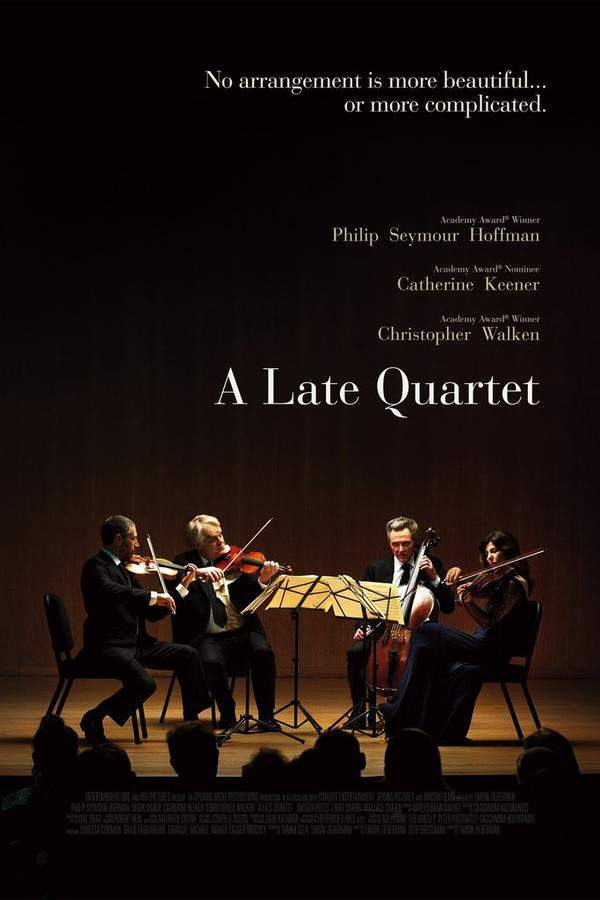
A Late Quartet
2012

The Flower of My Secret
1996
Young Goethe in Love
2011
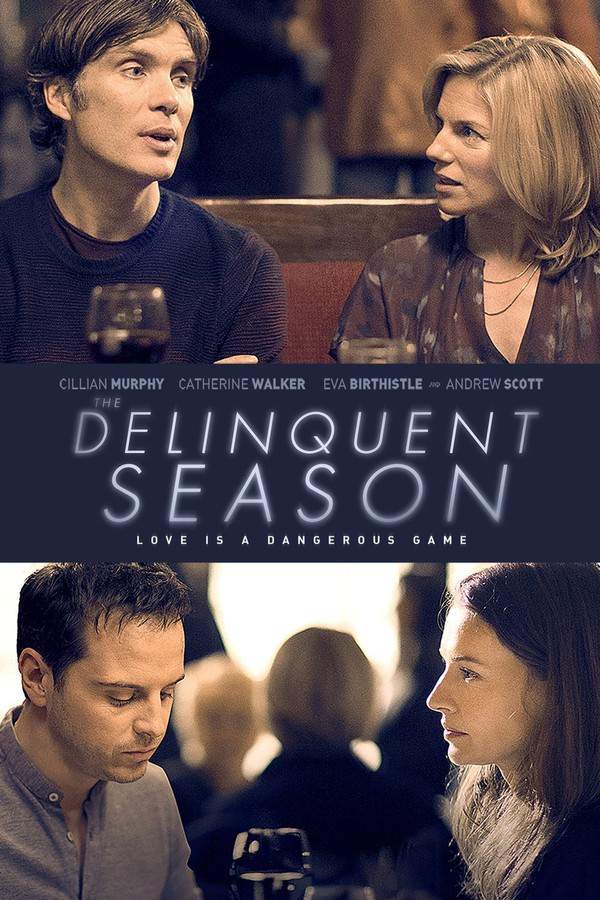
The Delinquent Season
2018
The Loss of a Teardrop Diamond
2009

Message in a Bottle
1999

Red Roses and Petrol
2008

Expired
2008
Just Maath Maathalli
2010

Trouble with Sex
2005

Phone Call from a Stranger
1952

Love Stories
1997

Gate to Heaven
2022
Narrative Summary
The narrative pattern follows a character burdened by a significant past event—often involving grief or a major miscommunication—as they slowly navigate their feelings. The story is less about external action and more about internal reconciliation, leading to an ending that offers a difficult but necessary form of peace, acknowledging the pain while emphasizing the need to continue living.
Why These Movies?
These films share a core thematic focus on confronting and processing heavy emotional topics like grief and regret. They are united by a melancholic, quiet mood, a steady narrative pace that allows for introspection, and a bittersweet emotional resolution that feels earned and realistic.
Unlock the Full Story of Just Maath Maathalli
Don't stop at just watching — explore Just Maath Maathalli in full detail. From the complete plot summary and scene-by-scene timeline to character breakdowns, thematic analysis, and a deep dive into the ending — every page helps you truly understand what Just Maath Maathalli is all about. Plus, discover what's next after the movie.
Just Maath Maathalli Timeline
Track the full timeline of Just Maath Maathalli with every major event arranged chronologically. Perfect for decoding non-linear storytelling, flashbacks, or parallel narratives with a clear scene-by-scene breakdown.

Characters, Settings & Themes in Just Maath Maathalli
Discover the characters, locations, and core themes that shape Just Maath Maathalli. Get insights into symbolic elements, setting significance, and deeper narrative meaning — ideal for thematic analysis and movie breakdowns.