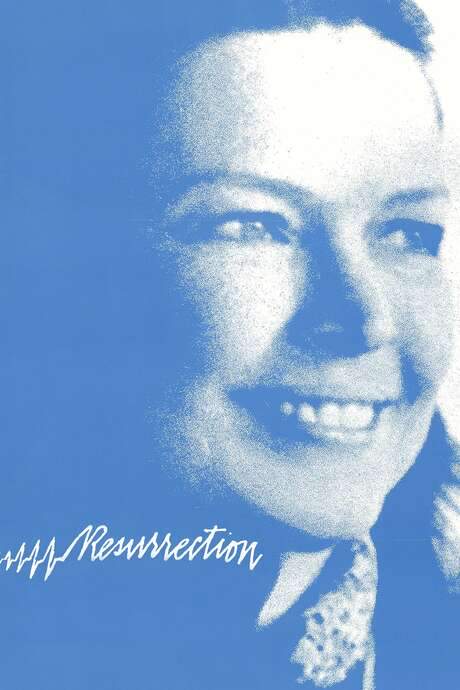
In a prologue, Mary, a recent Mormon convert, has traveled over 4,000 miles to Nauvoo, Illinois, with her father to meet Joseph Smith. His daughter and father discuss what it means to judge a prophet, and Mary insists that she already knows Smith is a prophet of God, inviting her father to discover the truth by reading what he wrote. He starts to read an issue of Times and Seasons and the Book of Mormon, setting the stage for a long and formative journey.
In 1813, young Joseph Smith suffers a severe injury and a subsequent infection to his left leg. An experimental operation removes the infected parts of the bone, sparing him from amputation and beginning a road that will shape a new religious movement.
The narrative continues with the spring of 1820, when Smith experiences his First Vision of God the Father and Jesus Christ, who instruct him not to join existing churches because he will be called to start his own. Three years later, the Angel Moroni guides him to the location of the golden plates, the source for what will become sacred scriptures for this new church. Soon after, Smith endures the death of his eldest brother, Alvin, an event that profoundly affects him. Alvin Smith dies, marking a painful turning point in the early family saga.
Smith meets and marries Emma Hale, despite the initial opposition of her parents, and a few years later he retrieves and translates the golden plates. During a translation session, Smith and his scribe, Oliver Cowdery, pray to understand a particular doctrine and receive a visitation from John the Baptist, who grants them authority to baptize. Not long after, Peter, James and John appear and confer additional priesthood authority, enabling them to organize the Church of Christ, which they do in April 1830.
As the church grows, it faces persecution and harassment, forcing the community to relocate to Kirtland, Ohio in 1836. While in Kirtland, Smith proclaims that God desires a temple to be built. After the temple is completed and a significant meeting is held, Smith and Cowdery witness another vision in which God accepts the temple. Additional personages appear and confer further priesthood keys or authorities on them, reinforcing the sense of divine mandate. Smith also commissions travels to preach the gospel in the British Isles for the first time, and during this period, Mary meets the missionaries and joins the church.
Despite the temple’s success and the visions granted, the community endures ongoing persecution, prompting further relocations. They eventually settle in Nauvoo, Illinois, where they construct another temple. As tensions rise, Joseph Smith and his brother Hyrum realize that enemies seek to bring them to Carthage, Illinois, to kill them. Facing the danger, Joseph decides to confront the threat, telling Hyrum that they may not return if they go. He gradually transfers his authority to a number of apostles, including Brigham Young, signaling a pivotal leadership change.
On June 24, 1844, Smith, Hyrum, and two others—John Taylor and Willard Richards—ride out of Nauvoo on horseback. Meanwhile, Mary and her father arrive in Nauvoo, hoping to meet Smith, but ultimately decide to follow only to a certain distance as the riders disappear from sight. The Smith brothers then report to the jail in Carthage, where armed men break in and kill them, marking a brutal and historical moment in the movement's history.
The film closes with Smith’s exhortation drawn from the Doctrine and Covenants: > Shall we not go on in so great a cause?