
Thérèse: The Story of Saint Thérèse of Lisieux
Year: 2004
Runtime: 96 min
Language: English
A deeply moving drama portrays the early life of Thérèse Martin, who at a young age felt compelled to dedicate herself to a religious vocation. Leaving behind a conventional adolescence, the teenager enters a Carmelite convent. Driven by a profound desire to serve God and comfort those in need, she embraces her calling and takes the veil, embarking on a path of spiritual devotion and unwavering faith.
Warning: spoilers below!
Haven’t seen Thérèse: The Story of Saint Thérèse of Lisieux yet? This summary contains major spoilers. Bookmark the page, watch the movie, and come back for the full breakdown. If you're ready, scroll on and relive the story!
Thérèse: The Story of Saint Thérèse of Lisieux (2004) – Full Plot Summary & Ending Explained
Read the complete plot breakdown of Thérèse: The Story of Saint Thérèse of Lisieux (2004), including all key story events, major twists, and the ending explained in detail. Discover what really happened—and what it all means.
Marie Francoise Thérèse Martin, born on January 2, 1873, was the youngest child of Saints Louis and Zelie Martin. At the tender age of four, she faced the profound loss of her mother to breast cancer, which led her to adopt her eldest sister, Pauline Younce, as a “second mother.” This experience shaped Thérèse into a delicate and spoiled child, emotionally responsive to her surroundings.
Despite her vulnerabilities, Thérèse cultivated a profound and uncomplicated love for God. On Christmas Eve in 1886, a pivotal moment transpired when she overheard her father expressing his frustration about being the one to fulfill Father Christmas’s role for her. Overwhelmed with self-pity, she hurried upstairs in tears. In a remarkable turn of events, she felt an overwhelming sense of charity flood her being, instantly transforming her demeanor and quirks.
From that life-changing moment, Thérèse became fervent in her spiritual pursuits, carrying a burning desire to save sinners from eternal damnation. She aspired to join the Carmelite monastery at just fifteen, a desire her father recognized and supported. Together, they sought permission from the bishop and even traveled to Rome, but faced disappointment initially.
However, fortune smiled upon her shortly after her return home when she received a letter granting her the permission she sought. Upon entering the Carmel of Lisieux, Thérèse began exploring the “Little Way,” a profound message she would share with the Church. Her insights emphasized God’s mercy and the importance of recognizing one’s weaknesses as a path to spiritual intimacy with Him.
Thérèse openly accepted her own failings as indicators of her reliance on God, considering herself a “Little Flower.” Unlike the majestic rose, symbolizing the great saints who impacted history, she embraced the identity of a humble daisy, dedicated to performing small acts of love for God. Her teachings provided a roadmap for ordinary individuals aspiring to holiness.
Under the guidance of Pauline Younce, now Mother Superior of the convent, Thérèse was encouraged to document her life experiences and reflections. She promptly set about writing her renowned autobiography, The Story of a Soul. Tragically, as she pursued her spiritual calling, Thérèse developed tuberculosis, a disease that had no cure during her time.
At just 24 years old, she succumbed to the illness on September 30, 1897. Yet, The Story of a Soul catapulted her into the hearts of believers around the globe, fostering a remarkable devotion to this seemingly hidden young Carmelite. In recognition of her exemplary life and the extraordinary number of miracles attributed to her after her death, she was canonized in 1924.
Decades later, in 1997, Pope Saint John Paul II honored her legacy further by declaring her a Doctor of the Church. Today, Thérèse continues to bless her devoted followers with divine roses from heaven, symbolizing her lasting impact on the faith.
Last Updated: October 25, 2024 at 11:44

Explore Movie Threads
Discover curated groups of movies connected by mood, themes, and story style. Browse collections built around emotion, atmosphere, and narrative focus to easily find films that match what you feel like watching right now.
Quiet Lives of Devout Faith like in Thérèse: The Story of Saint Thérèse of Lisieux
Inspiring stories of individuals finding purpose and solace through unwavering spiritual devotion.Explore movies like Thérèse: The Story of Saint Thérèse of Lisieux that center on profound spiritual journeys. These films share a steady pace, a reflective mood, and depict characters whose lives are defined by their devout faith and quiet dedication, offering a contemplative viewing experience.

All Saints
2017

The Other Side of Heaven
2002
Thérèse: The Story of Saint Thérèse of Lisieux
2004

Divine Access
2016

The Blind
2023

Cabrini
2024

Leap of Faith
2024

The Falls
2012

A Matter of Faith
2014

Resurrection
1980

Heavenly Pursuits
1986

One Foot in Heaven
1941

A Man Called Peter
1955

The Miracle of Our Lady of Fatima
1952

The Miracle of the Bells
1948
Narrative Summary
Narratives in this thread typically follow a linear progression, detailing a character's calling, their commitment to a religious or spiritual path, and the personal sacrifices and rewards that follow. The central conflict is often internal, revolving around faith, doubt, and the pursuit of a higher purpose.
Why These Movies?
These films are grouped by their shared emphasis on spiritual contemplation, a serene and hopeful tone, and a character-driven focus. They provide a similar emotionally resonant experience centered on the power of faith and humble service.
Bittersweet Biographical Legacies like in Thérèse: The Story of Saint Thérèse of Lisieux
Inspirational life stories marked by personal sacrifice, leading to a legacy that outlasts a tragic end.Find movies similar to Thérèse: The Story of Saint Thérèse of Lisieux that tell true stories of inspirational figures. These films often have a bittersweet ending feel, balancing the sadness of a life lost too soon with the hopefulness of a powerful, lasting legacy that provides comfort and inspiration.

Endless Poetry
2017

My Brilliant Career
1979
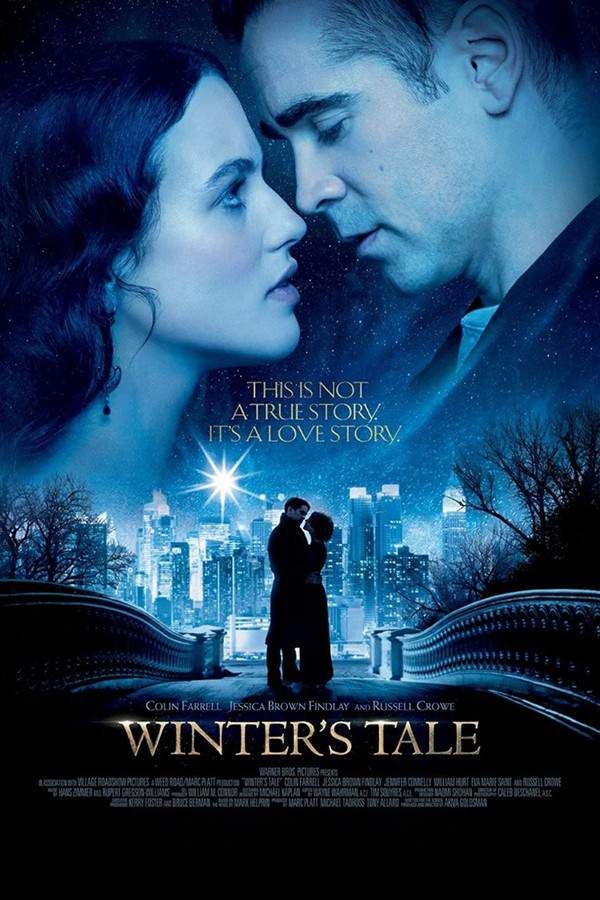
Winter's Tale
2014

The Final Season
2007

The Ultimate Gift
2007
Thérèse: The Story of Saint Thérèse of Lisieux
2004

Joy
2024

Bob Trevino Likes It
2025

The Derby Stallion
2005

The Lyricist Wannabe
2023

The Babe Ruth Story
1948

The Story of Will Rogers
1952

Stars Over Broadway
1935

The Black Orchid
1958

Victory
2009
Narrative Summary
The narrative pattern follows an individual's remarkable journey, highlighting their contributions and personal sacrifices. The story builds towards a poignant, often early, death, but the final act focuses on how their work, ideas, or sanctity continued to grow and inspire others after they were gone, creating a powerful counterbalance of hope.
Why These Movies?
These movies share a specific emotional recipe: they are moving and acknowledge loss, but ultimately leave the viewer feeling uplifted by the subject's enduring influence. The blend of sorrow and hope, with a focus on posthumous recognition, creates a cohesive and distinctive viewing experience.
Unlock the Full Story of Thérèse: The Story of Saint Thérèse of Lisieux
Don't stop at just watching — explore Thérèse: The Story of Saint Thérèse of Lisieux in full detail. From the complete plot summary and scene-by-scene timeline to character breakdowns, thematic analysis, and a deep dive into the ending — every page helps you truly understand what Thérèse: The Story of Saint Thérèse of Lisieux is all about. Plus, discover what's next after the movie.
Thérèse: The Story of Saint Thérèse of Lisieux Timeline
Track the full timeline of Thérèse: The Story of Saint Thérèse of Lisieux with every major event arranged chronologically. Perfect for decoding non-linear storytelling, flashbacks, or parallel narratives with a clear scene-by-scene breakdown.

Characters, Settings & Themes in Thérèse: The Story of Saint Thérèse of Lisieux
Discover the characters, locations, and core themes that shape Thérèse: The Story of Saint Thérèse of Lisieux. Get insights into symbolic elements, setting significance, and deeper narrative meaning — ideal for thematic analysis and movie breakdowns.

Thérèse: The Story of Saint Thérèse of Lisieux Spoiler-Free Summary
Get a quick, spoiler-free overview of Thérèse: The Story of Saint Thérèse of Lisieux that covers the main plot points and key details without revealing any major twists or spoilers. Perfect for those who want to know what to expect before diving in.

More About Thérèse: The Story of Saint Thérèse of Lisieux
Visit What's After the Movie to explore more about Thérèse: The Story of Saint Thérèse of Lisieux: box office results, cast and crew info, production details, post-credit scenes, and external links — all in one place for movie fans and researchers.

Similar Movies to Thérèse: The Story of Saint Thérèse of Lisieux
Discover movies like Thérèse: The Story of Saint Thérèse of Lisieux that share similar genres, themes, and storytelling elements. Whether you’re drawn to the atmosphere, character arcs, or plot structure, these curated recommendations will help you explore more films you’ll love.

Lourdes
2010

Thérèse
2013

The Letters
2015

Mother Teresa of Calcutta
2003

Theresa: The Body of Christ
2007

Teresa de Jesús
1000

Therese Raquin
1000

Thérèse
1986

Mother Teresa
1986

Bernadette
1988

The Song of Bernadette
1943

The Miraculous Life of Teresa of Lisieux
1929

Mother Teresa: In the Name of God’s Poor
1997

Therese
1962

Therese and Isabelle
1968
Explore More About Movie Thérèse: The Story of Saint Thérèse of Lisieux
Thérèse: The Story of Saint Thérèse of Lisieux (2004) Scene-by-Scene Movie Timeline
Thérèse: The Story of Saint Thérèse of Lisieux (2004) Movie Characters, Themes & Settings
Thérèse: The Story of Saint Thérèse of Lisieux (2004) Spoiler-Free Summary & Key Flow
Movies Like Thérèse: The Story of Saint Thérèse of Lisieux – Similar Titles You’ll Enjoy
Lourdes (2010) Spoiler-Packed Plot Recap
Thérèse (2013) Movie Recap & Themes
The Letters (2015) Film Overview & Timeline
Mother Teresa of Calcutta (2003) Movie Recap & Themes
Theresa: The Body of Christ (2007) Complete Plot Breakdown
Teresa de Jesús (1000) Film Overview & Timeline
Therese Raquin (1000) Complete Plot Breakdown
Thérèse (1986) Ending Explained & Film Insights
Mother Teresa (1986) Full Movie Breakdown
Bernadette (1988) Movie Recap & Themes
The Song of Bernadette (1943) Complete Plot Breakdown
The Miraculous Life of Teresa of Lisieux (1929) Complete Plot Breakdown
Mother Teresa: In the Name of God’s Poor (1997) Detailed Story Recap
Therese (1962) Detailed Story Recap
Therese and Isabelle (1968) Full Summary & Key Details