Year: 2008
Runtime: 213 min
Language: Hindi
Director: Ashutosh Gowariker
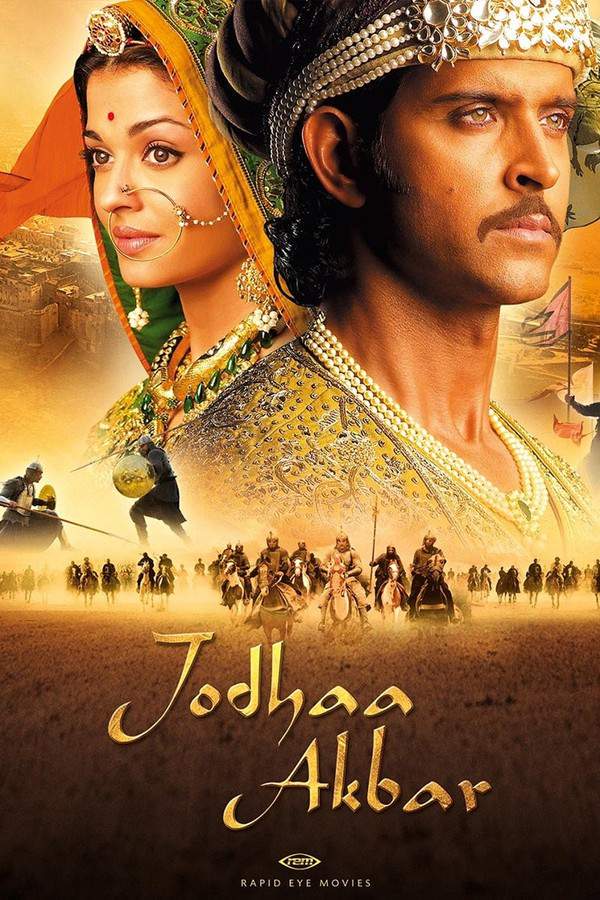
In 16th century India, Emperor Akbar seeks to solidify his rule through a strategic marriage to Princess Jodhaa. What begins as a political alliance between their kingdoms and faiths gradually blossoms into a profound love story. Akbar grapples with the intricacies of his empire, his personal beliefs, and the cultural differences that arise as he and Jodhaa navigate their unexpected connection and forge a unique bond.
Warning: spoilers below!
Haven’t seen Jodhaa Akbar yet? This summary contains major spoilers. Bookmark the page, watch the movie, and come back for the full breakdown. If you're ready, scroll on and relive the story!
Read the complete plot breakdown of Jodhaa Akbar (2008), including all key story events, major twists, and the ending explained in detail. Discover what really happened—and what it all means.
Mughals established their dominion in India, a legacy that began with Babur and continued through Humayun to Akbar, who uniquely was the first Mughal emperor born on Indian soil. The year is 1555, and following the unexpected demise of Humayun, Hemu (Shehzor Ali) claims the throne of Delhi. In this time of turmoil, Bairam Khan (Yuri Suri), a steadfast general of the Mughal empire, stands beside the young Emperor Akbar. With Hemu commanding an army twice that of the Mughals, Bairam Khan devises a strategy to eradicate Hemu in battle, and this ambitious plan ultimately succeeds at the Battle of Panipat. In a gruesome turn of events, Bairam Khan beheads Hemu following Akbar’s refusal to stain his hands with blood.
With this crucial victory, Bairam Khan embarks on consolidating the vast Mughal empire, dispatching emissaries to kings across Hindustan with a mandate: surrender your treasury and pay taxes to the Mughals or face their formidable wrath. While some rulers comply, many outright reject these demands. As a young emperor, Akbar (Hrithik Roshan) leads his armies valiantly yet consistently refuses to execute vanquished kings, even standing against Bairam Khan on this principle. Akbar aspires to govern Hindustan with compassion and justice, a vision that resonates with the defeated kings, compelling them to accept Mughal rule amicably. Eventually, Akbar relieves Bairam Khan of his duties, sending him on a pilgrimage to Mecca.
In a twist of fate, Jodhaa (Aishwarya Rai Bachchan), the daughter of Raja Bharmal (Kulbhushan Kharbanda) of Amer, finds herself betrothed to Rajkumar Ratan Singh (Aman Dhaliwal) of Ajabgarh. Raja Bharmal proclaims his son Bhagwant Das (Digvijay Purohit) as his successor, overlooking Jodhaa’s cousin Sujamal (Sonu Sood), whom Jodhaa wishes to see as the rightful heir instead. Bitter over this injustice, Sujamal seeks refuge with rebel leader Sharifuddin Hussain (Nikitin Dheer), who eyes Delhi itself, despite being Akbar’s brother-in-law and the governor of three provinces.
As tensions rise, Raja Bharmal proposes a peace treaty through the marriage of Jodhaa to Akbar, successfully circumventing conflict. Understanding the significance of such an alliance for the empire, Akbar consents, as it would pave the way for a united Hindustan. However, this arrangement upsets the existing partnerships among the kings of Rajputana and brings Jodhaa’s wishes to marry Ratan Singh to naught. Distressed by being treated as a mere pawn in a political game, Jodhaa pens a desperate letter to Sujamal but ultimately refrains from sending it. Sharing her plight with her mother, Rani Padmavati (Suhasini Mulay), she receives a vial of poison as insurance against her impending marriage.
Determined to retain her Hindu faith post-marriage, Jodhaa confronts Akbar, demanding concessions that he surprisingly grants. Following their wedding, she maintains a facade of resistance, while Akbar assures her that time will heal all. Upon her arrival at Agra fort, tensions simmer when Akbar’s nurse, Maham Anga (Ila Arun), plots to undermine Jodhaa, while the mughal finance minister Todar Mal (Pramod Moutho) finds himself at odds with the court’s religious leaders over Jodhaa’s newly established temple, meant to honor her beliefs.
As political maneuvering continues, Akbar and Jodhaa gradually discover mutual respect and admiration for each other. During a Rajputana feast held in Jodhaa’s honor, she insists on preparing the meal personally, providing a moment of levity amid court intrigues. When yet another dark betrayal strikes the court, leading to the assassination of the prime minister at the hands of Adham Khan (Shaji Chaudhary), Akbar is forced to confront treachery from within his own ranks. Outraged by Adham’s actions, Akbar ultimately settles old scores with justice being his preferred weapon.
Adding to the chaos, Sharifuddin aligns with opponents of Akbar, setting the stage for conflict. As Jodhaa’s character comes under scrutiny, misunderstandings lead to her temporary banishment from the court. Yet, when the truth eventually surfaces, Akbar seeks to reconcile, enabling Jodhaa’s return. Their relationship flourishes as they engage in spirited discussions and sparring matches, painting a vibrant picture of their union.
Realizing the need for peace, Akbar boldly proclaims religious tolerance, earning Jodhaa’s admiration and trust. But the peace is short-lived, as Sharifuddin instigates his own foul play, attempting to assassinate the emperor—an endeavor that injures Akbar but fails to eliminate him. When the threat escalates toward Jodhaa and the empire, Sujamal steps in heroically, only to meet an untimely demise while trying to warn Akbar. As the fate of Hindustan hangs in the balance, Akbar triumphs over Sharifuddin, but mercy prevails and he spares his life for familial ties.
In the final reckoning, Akbar unveils his vision for a harmonious empire where every religion is honored, thereby establishing a thriving community rooted in respect. The story culminates with the acknowledgment of Akbar and Jodhaa’s enduring love, a legacy rich in compassion that, sadly, fades from the annals of history.
Last Updated: November 03, 2024 at 14:05
Discover curated groups of movies connected by mood, themes, and story style. Browse collections built around emotion, atmosphere, and narrative focus to easily find films that match what you feel like watching right now.
Where grand political strategy unexpectedly blooms into profound romantic connection.Explore movies similar to Jodhaa Akbar, featuring sprawling historical epics where a strategic royal marriage or alliance blossoms into a powerful love story. If you liked the blend of grand politics, cultural conflict, and a hopeful romantic core set against an empire-building backdrop, these films offer a similar majestic and emotional experience.
Stories in this thread follow a powerful ruler or central figure who enters a political or strategic union for the good of their kingdom or cause. Initially a transaction, the relationship faces immediate tests from conflicting cultures, traditions, and internal betrayals. The narrative arc charts the gradual, hard-won transformation of this alliance into a resilient and transformative love that becomes the emotional cornerstone of a grander political or social vision.
These movies are grouped together because they share a unique blend of the epic and the intimate. They balance large-scale historical drama—featuring battles, political maneuvering, and world-building—with a central, slowly-burning romance that defies initial circumstances. The tone is ultimately hopeful, focusing on love's power to bridge divides, even as the pacing remains steady to accommodate both personal and political storylines.
Stories where romance becomes a powerful force for unity and understanding.Find films similar to Jodhaa Akbar that explore romance blossoming between characters from different religions, cultures, or warring factions. If you liked the theme of love overcoming prejudice and serving as a bridge to unity, these stories offer a similar mix of hopeful romance, tense cultural conflict, and a bittersweet but uplifting resolution.
The narrative pattern involves two individuals from distinct, often opposing, backgrounds whose connection defies societal norms. Their love is tested not only by personal doubts but by external pressures from family, community, or tradition. The plot focuses on their struggle to reconcile their identities, defend their union, and often, inspire a change in perspective within their wider world. The ending typically carries a bittersweet weight, acknowledging the sacrifices made while celebrating the love's profound impact.
These films are united by their central thematic focus on love as an antidote to division. They share a specific emotional mix: the tension of cultural friction, the hope born from genuine connection, and the solemn weight of challenging entrenched beliefs. The pacing is often steady, allowing for the nuanced development of both the relationship and the societal obstacles it faces, resulting in an emotionally medium but impactful experience.
Don't stop at just watching — explore Jodhaa Akbar in full detail. From the complete plot summary and scene-by-scene timeline to character breakdowns, thematic analysis, and a deep dive into the ending — every page helps you truly understand what Jodhaa Akbar is all about. Plus, discover what's next after the movie.
Track the full timeline of Jodhaa Akbar with every major event arranged chronologically. Perfect for decoding non-linear storytelling, flashbacks, or parallel narratives with a clear scene-by-scene breakdown.
Discover the characters, locations, and core themes that shape Jodhaa Akbar. Get insights into symbolic elements, setting significance, and deeper narrative meaning — ideal for thematic analysis and movie breakdowns.
Get a quick, spoiler-free overview of Jodhaa Akbar that covers the main plot points and key details without revealing any major twists or spoilers. Perfect for those who want to know what to expect before diving in.
Visit What's After the Movie to explore more about Jodhaa Akbar: box office results, cast and crew info, production details, post-credit scenes, and external links — all in one place for movie fans and researchers.
Discover movies like Jodhaa Akbar that share similar genres, themes, and storytelling elements. Whether you’re drawn to the atmosphere, character arcs, or plot structure, these curated recommendations will help you explore more films you’ll love.
Jodhaa Akbar (2008) Scene-by-Scene Movie Timeline
Jodhaa Akbar (2008) Movie Characters, Themes & Settings
Jodhaa Akbar (2008) Spoiler-Free Summary & Key Flow
Movies Like Jodhaa Akbar – Similar Titles You’ll Enjoy
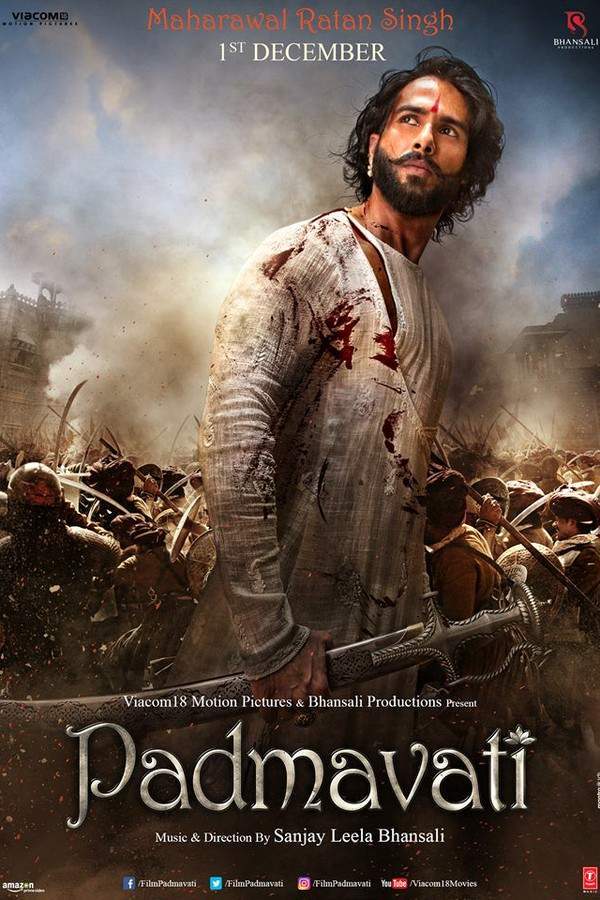
Padmaavat (2018) Story Summary & Characters
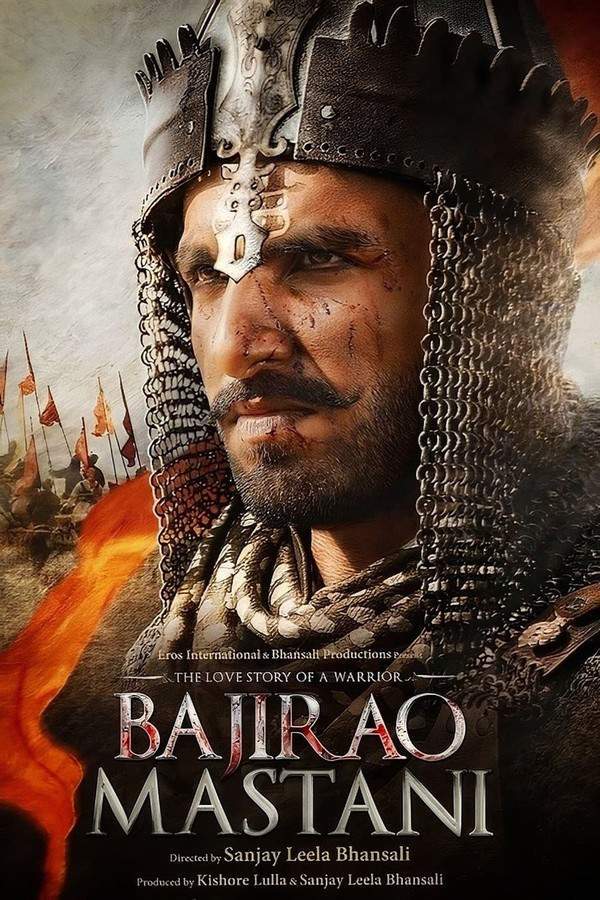
Bajirao Mastani (2015) Complete Plot Breakdown
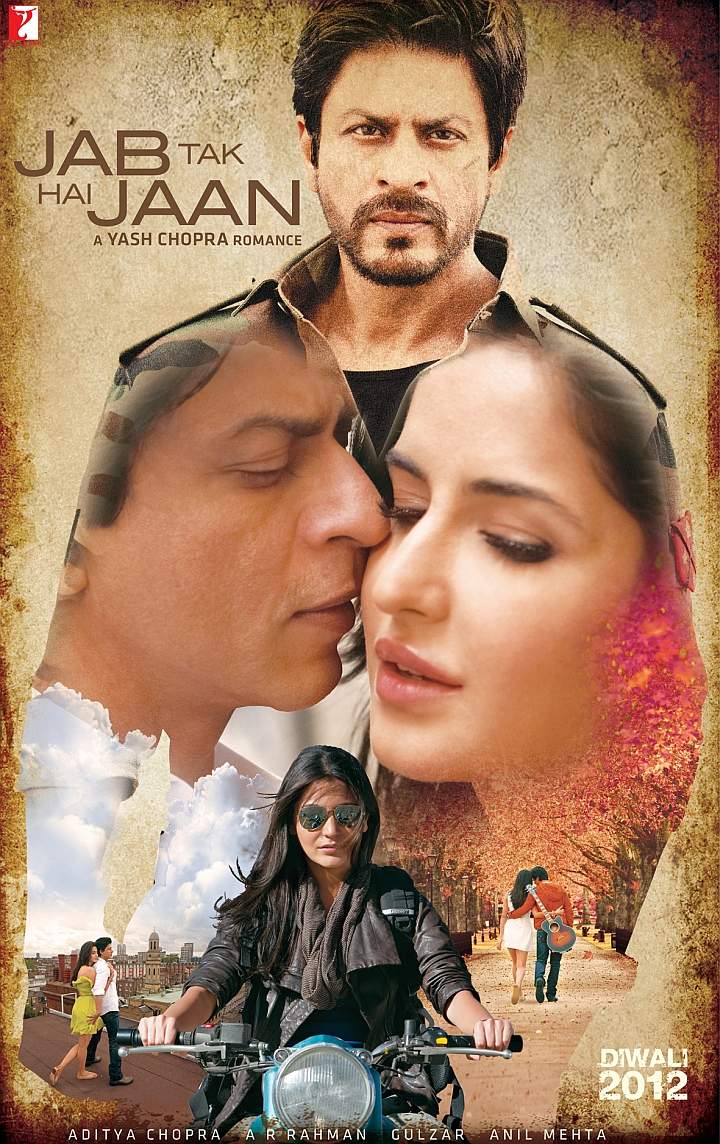
Jab Tak Hai Jaan (2012) Story Summary & Characters
Jhoom Barabar Jhoom (2007) Plot Summary & Ending Explained
Zubeidaa (2001) Detailed Story Recap
Tera Jadoo Chal Gayaa (2000) Complete Plot Breakdown
Aśoka (2001) Film Overview & Timeline
Omkara (2006) Movie Recap & Themes
Ajooba (1991) Spoiler-Packed Plot Recap
Tanhaji: The Unsung Warrior (2020) Complete Plot Breakdown
Baiju Bawra (1952) Movie Recap & Themes
Taj Mahal (1963) Plot Summary & Ending Explained
Anarkali (1953) Plot Summary & Ending Explained
The Sword and the Flute (1959) Ending Explained & Film Insights
Taj Mahal (1999) Plot Summary & Ending Explained