Plot Explained Spoilers guaranteed!
Plot Explained

Browse by genre

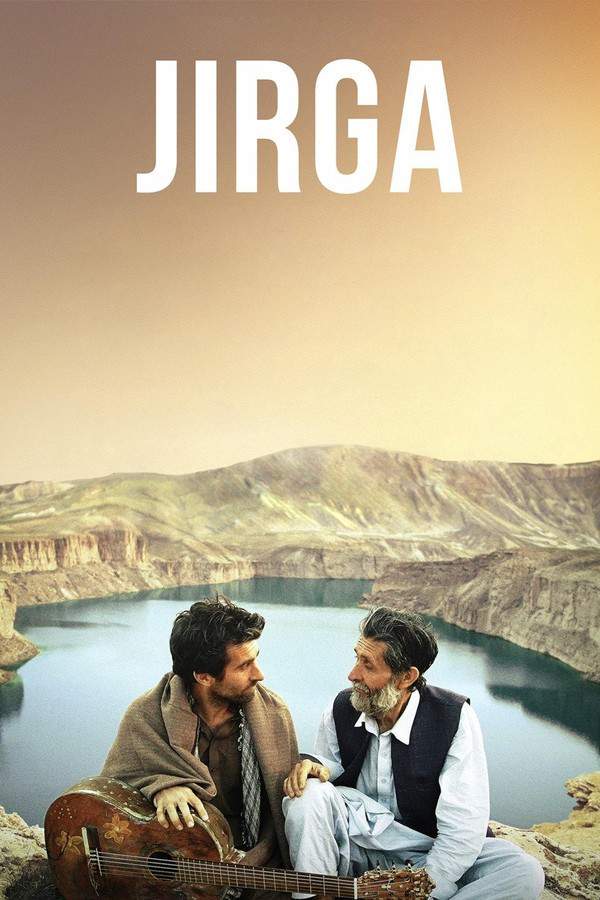
Jirga (2019) movie poster

Timeline

Jirga (2019) Timeline Explained – Every Event in Order

Release, runtime and language
2019 · 78 min · English
Echo score 67
Loading streaming availability…
Directed by
Benjamin Gilmour
Starring
Sam Smith, Amir Shah Talash, Janaat Gul Mastana, Kefayat Lag Humani, Mohammad Mosam, Muhammad Shah Majroh

Following a conflict, an Australian soldier grapples with the repercussions of a tragic mistake. He undertakes a dangerous journey to Afghanistan to meet the family of the man he unintentionally caused the death of. Confronting the consequences of his past actions and the deep-seated trauma he carries, he seeks a path toward understanding and reconciliation in this emotionally charged drama.

On this page (6)
  1. 1 Where to watch
  2. 2 Events in order (14)
  3. 3 Timeline questions answered
  4. 4 Movie threads
  5. 5 Movies like Jirga
  6. 6 Every angle
Loading streaming availability…

14 events in order · contains spoilers

Jirga Timeline: Events in Chronological Order

Every key event of Jirga (2019) in order, scene by scene, with when and where it takes place. Use it to untangle flashbacks, time jumps and parallel storylines, to refresh your memory before the sequel or to find the exact scene you are thinking of.

  1. Raid on Ghazi Ghar: helicopter assault and a deadly mistake

    Australian army helicopters raid Ghazi Ghar in search of hidden Taliban fighters. During the raid, Mike shoots and kills an unarmed man who steps into his doorway. The man's wife and children pull him back into the house as gunfire erupts around them.

    When
    During the raid
    Where
    Ghazi Ghar, Afghanistan
  2. Immediate aftermath: a village unsettled by the shooting

    The raid continues as fear and tension spread through Ghazi Ghar. The shooting casts a pall over the village, with the family of the man who was killed left to process the tragedy. Villagers exchange wary glances as the soldiers push on.

    When
    During the raid
    Where
    Ghazi Ghar, Afghanistan
  3. Three years later: Mike returns to seek forgiveness

    Three years after the raid, Mike returns to Afghanistan to search for the family and ask for forgiveness, bringing with him a large sum of money as recompense. He lands in Kabul and hopes to locate the family through a contact network he once relied on. The journey signals a change in his purpose from payment to reconciliation.

    When
    Three years after the raid
    Where
    Kabul, Afghanistan
  4. Reconnecting with the transport arranger and seeking shelter

    In Kabul, Mike reconnects with a man who previously arranged his transport, but the man refuses to help, saying the venture is too dangerous. With options narrowing, Mike hides in an Afghan curiosity shop to avoid attention and ends up purchasing a guitar. The purchase foreshadows a new form of connection he seeks.

    When
    Soon after arrival
    Where
    Kabul, Afghanistan
  5. Hotel obstacles: Band-e-Amir Lake as a partial route

    Mike asks a hotel owner to arrange a taxi to Ghazi Ghar, but the owner refuses the direct route to Kandahar and can only arrange a driver as far as Band-e-Amir Lake. The limitation highlights the danger of venturing into Taliban-controlled territory. Mike weighs the risk and continues to plan the journey toward the village.

    When
    That day in Kabul
    Where
    Band-e-Amir Lake area, Afghanistan
  6. Band-e-Amir: night of cultural exchange

    At Band-e-Amir, the taxi driver sings a Pashtun song while Mike teaches him to match guitar strings to notes. The unlikely musical bond softens tension and deepens Mike's resolve to reach Ghazi Ghar. This late-evening moment foreshadows the collaboration that will follow.

    When
    That night
    Where
    Band-e-Amir Lake, Afghanistan
  7. The journey resumes: agreeing to drive to Ghazi Ghar

    The next morning, the taxi driver agrees to drive to Ghazi Ghar and they begin the long, arduous trip toward the village. Language barriers persist, but the shared goal and the money on the line keep them moving. The road ahead is dangerous, but their cooperation grows.

    When
    The next morning
    Where
    Band-e-Amir to Ghazi Ghar, Afghanistan
  8. Roadblock and escape: a near-miss at Taliban checkpoints

    They are stopped at a Taliban roadblock and the driver warns Mike of the danger. Mike exits the car and scrambles down a nearby cliff to escape gunfire, with the Taliban not following. The narrow escape leaves him exhausted but determined to reach the village.

    When
    During the journey
    Where
    Desert road vicinity, Afghanistan
  9. Capture and confinement: taken by the Taliban

    Having trudged toward the village, Mike collapses from heat and dehydration and is found by Taliban soldiers who take him captive and chain him in a cave. The captivity sets the stage for the villagers' and militants' different perspectives on forgiveness. Mike's fate hangs on the mercy of his captors.

    When
    Shortly after capture
    Where
    Taliban cave, Afghanistan
  10. Sher Khan questions the purpose of mercy

    The Taliban leader, Sher Khan, interviews Mike and questions the logic of forgiving him for the act years earlier. He notes the asymmetry between his people's suffering and Mike's single act. The conversation centers on whether forgiveness is the greater strength.

    When
    During captivity
    Where
    Taliban cave, Afghanistan
  11. On the road to Ghazi Ghar: learning forgiveness in Pashto

    Khan agrees to take Mike toward Ghazi Ghar, and an English-speaking Talib teaches Mike the Pashto phrase for asking forgiveness. This linguistic preparation symbolizes the film's central theme of reconciliation. The journey toward the village becomes a lesson in humility and apology.

    When
    During the journey
    Where
    Between cave and Ghazi Ghar, Afghanistan
  12. Arrival in Ghazi Ghar: confronting the victim's family

    Mike reaches Ghazi Ghar and explains that he killed a man in the raid. He apologizes to the man's family in Pashto, and the widow Sherbano cries while throwing shoes, as the two sons stare in anger. The village community watches the confrontation unfold.

    When
    Arrival in Ghazi Ghar
    Where
    Ghazi Ghar, Afghanistan
  13. Jirga decides: forgiveness by decree

    A Jirga, or council of elders, convenes to decide Mike's fate. Inam Khan, the dead man's son, steps forward with a dagger but then chooses to forgive Mike, signaling a powerful moment of mercy. An elder proclaims that forgiveness can be mightier than revenge.

    When
    After the apology
    Where
    Ghazi Ghar, Afghanistan
  14. Rituals and departure: a village bids farewell

    Mike participates in the ritual sacrifice of a sheep as part of the village's ceremony, marking the community's acceptance of forgiveness. After the rites, he quietly leaves Ghazi Ghar, carrying the weight of what has transpired. The journey away signals the end of his quest for absolution.

    When
    End of the visit
    Where
    Ghazi Ghar, Afghanistan

Last updated: January 28, 2026 at 12:45

Was this helpful?

Timeline questions answered

Jirga Timeline Explained: Your Questions Answered

When does it happen, and why in that order? The questions people ask about the chronology of Jirga (2019): time jumps, flashbacks, cause and effect between scenes and the correct order of events, each answered with spoilers.

Q1

Why did Mike Wheeler return to Afghanistan three years after the raid?

Mike returned to Afghanistan because he was consumed by guilt over unintentionally killing an unarmed civilian during the raid. Rather than simply sending money through intermediaries, he felt he needed to face the man's family directly, apologize in person, and seek genuine forgiveness. This personal journey was about his own moral accountability rather than just financial compensation.

Foreshadowing: Earlier scenes show Mike struggling with insomnia and the haunting memory of the shooting, establishing his psychological need for closure.

  • guilt
  • forgiveness
  • afghanistan
  • mike wheeler
  • remorse
Q2

What is a jirga and how does it decide Mike's fate?

A jirga is a traditional Pashtun council of elders that convenes to settle disputes and make collective decisions for the community. In the film, the jirga gathers to determine whether Mike should be punished for killing one of their villagers or granted forgiveness. The council has the authority to mandate revenge, demand compensation, or accept an apology, its decision carries the weight of communal justice.

Foreshadowing: The concept is introduced early when Mike learns he must face the village's traditional justice system rather than any formal legal process.

  • jirga
  • council
  • afghan
  • elders
  • tradition
  • justice
Q3

Why did Inam Khan choose to forgive Mike?

Inam Khan, the son of the man who was killed, was given the responsibility to deliver judgment. Despite having every right to seek revenge, he chose forgiveness after hearing Mike's sincere apology and witnessing his willingness to face the family directly. The elder's words that "forgiveness is mightier than revenge" influenced this decision, reflecting a cultural value that accepting mercy can be more honorable than vengeance.

Foreshadowing: The film builds toward this moment through Mike's difficult journey, suggesting that his personal risk and humility earned him the possibility of forgiveness.

  • inam khan
  • forgiveness
  • son
  • revenge
  • mercy
  • village
Q4

What does Sherbano's shoe throwing represent?

When Sherbano, the widow of the man Mike killed, throws shoes at him, it is a traditional Afghan expression of deep grief, anger, and contempt. In Pashtun culture, shoes are considered unclean, and throwing them at someone signifies that you view them as worthless or disrespectful. Her reaction demonstrates the raw pain the family has carried for three years and shows that forgiveness is not easily given.

Foreshadowing: This moment occurs immediately after Mike delivers his apology, showing that sorrow and rage remain even after the perpetrator confesses.

  • sherbano
  • shoes
  • anger
  • grief
  • afghan
  • culture
Q5

Why didn't the Taliban kill Mike when they captured him?

The Taliban commander Sher Khan chose to hear Mike's story before deciding his fate. Unlike a typical execution, Sher Khan was curious about why an Australian soldier would voluntarily enter Taliban-controlled territory. His conversation with Mike centered on whether forgiveness makes one weak, suggesting he was genuinely wrestling with the moral question rather than simply planning an execution.

Foreshadowing: The Taliban could have killed Mike at the roadblock but chose to capture him instead, indicating they saw value in questioning him.

  • taliban
  • capture
  • sher khan
  • execution
  • prisoner
Q6

What is the significance of the guitar Mike buys?

Mike buys a guitar from a Kabul curiosity shop as a way to bridge cultural divides and find moments of connection. At Band-e-Amir Lake, he teaches the taxi driver how to play, turning a potential language barrier into a musical exchange. This scene foreshadows the film's theme of building understanding across different worlds through patience and shared humanity.

Foreshadowing: The shopkeeper insists Mike buy the guitar, treating it as an important item for his journey.

  • guitar
  • culture
  • music
  • connection
  • band-e-amir
Q7

Why is it so dangerous for Mike to travel to Ghazi Ghar?

Ghazi Ghar lies in Kandahar Province, a Taliban-controlled area where foreign soldiers are rarely seen and would be immediately targeted. The people Mike relies on for transport refuse to take him because they would be killed or imprisoned for helping him. This danger underscores the magnitude of Mike's commitment, he is risking his life to seek forgiveness.

Foreshadowing: The transport arranger refuses to help, and the hotel owner will only go partway, establishing early that the journey is nearly impossible.

  • kandahar
  • danger
  • travel
  • taliban
  • roadblock
Q8

What does Mike say in Pashto when he apologizes?

An English-speaking Taliban fighter teaches Mike a specific Pashto phrase for asking forgiveness. While the exact words aren't shown in the film, the preparation scene emphasizes that Mike must speak authentically to the family rather than rely on translators. Learning their language demonstrates respect and sincerity, which is essential for the family to even consider accepting his apology.

Foreshadowing: The preparation takes place as they travel toward the village, showing Mike's humility in accepting guidance.

  • pashto
  • apology
  • language
  • forgiveness
  • phrase
Q9

What happens to Mike after the jirga forgives him?

After the jirga grants forgiveness, the village performs a ritual sacrifice of a sheep to mark the closure of the matter and the beginning of a new chapter. Mike participates in this ceremony, signaling his acceptance into the community's forgiveness. He then quietly leaves Ghazi Ghar, having achieved his goal of seeking forgiveness, though he still carries the weight of what he did.

Foreshadowing: The elder's proclamation that forgiveness is mightier than revenge sets the tone for the ceremonial closing.

  • sacrifice
  • sheep
  • departure
  • aftermath
  • village ceremony
Q10

Why was Sher Khan willing to listen to Mike's story?

Sher Khan was intrigued by the paradox of a soldier returning to the place where he caused harm. As a Taliban commander who has seen violence from foreign forces, he could have easily executed Mike as an enemy combatant. Instead, he wanted to understand Mike's motivation and debated whether accepting forgiveness would make him weak, a question that lies at the moral heart of the film.

Foreshadowing: Sher Khan's decision to question Mike rather than kill him immediately sets up the film's exploration of mercy versus revenge.

  • sher khan
  • taliban
  • leader
  • questioning
  • motivation

Movie threads

More Movies Like Jirga, by Mood & Story

Curated lists built around what makes Jirga tick: the same mood, the same kind of story or the same emotional payoff. Each list explains why these movies belong together.

Moral redemption journeys like in Jirga

Protagonists undertaking perilous quests to right past wrongs and find forgiveness. If you were moved by the journey of redemption in Jirga, explore other movies featuring characters on a dangerous quest for atonement. These films share a focus on confronting trauma, seeking forgiveness, and the heavy emotional weight of making amends.

  • redemptive
  • thought-provoking
  • somber
  • emotional
  • hopeful
  • tense
  • Tone: hopeful, somber
  • Pacing: slow, deliberate
Why these movies?

The story pattern: A linear quest narrative where a character, burdened by guilt, travels to a specific destination or person to seek redemption. The journey is as much an internal reckoning as an external one, often set against a harsh or unfamiliar landscape that mirrors the protagonist's emotional state.

Why they belong together: These films are grouped by their shared narrative structure of a redemptive quest and their profound exploration of themes like guilt, forgiveness, and cross-cultural understanding. They deliver an emotionally heavy experience with a tone that balances tension and hopeful resolution.
Meditative dramas about trauma like Jirga

Slow-burn character studies grappling with the heavy psychological aftermath of violence. For viewers who appreciated the thoughtful pace and heavy emotional themes of Jirga, this section features similar slow-burn dramas. Discover movies that focus on the psychological aftermath of war and violence, exploring themes of guilt and the search for peace.

  • somber
  • reflective
  • thought-provoking
  • emotional
  • trauma
  • moral dilemma
  • Tone: somber, reflective, bittersweet
  • Pacing: slow, meditative
Why these movies?

The story pattern: The narrative unfolds slowly, prioritizing the protagonist's internal psychological state over external action. The plot is straightforward, serving as a vehicle to explore complex emotions, moral consequences, and the possibility of healing, typically leading to a bittersweet or reflective conclusion.

Why they belong together: This thread unites films that share a specific mood and pacing: a somber, reflective tone combined with a slow, deliberate pace to deeply examine trauma and moral responsibility. They offer a heavy, thought-provoking experience for viewers seeking emotional depth.

If you liked this

Movies Like Jirga

Similar movies to Jirga: the same genre, themes or kind of story. Each one comes with its own plot summary, timeline and ending explained.

Browse all movie summaries

Every angle

Jirga (2019) Explained: Plot, Timeline & Characters

Everything about Jirga in one place: what happens in the plot summary, the timeline in chronological order, the characters and meaning and a spoiler-free summary. What's After the Movie adds the cast, box office and post-credit scenes.

Coming soon on iOS and Android

The Plot Explained Movie Summary App

Plot summaries, endings explained and timelines on your phone. Catch up on any movie in minutes, save your favorites and never miss a twist again.

Be the first to know when we launch. Your email stays private, always.

Learn more about the app