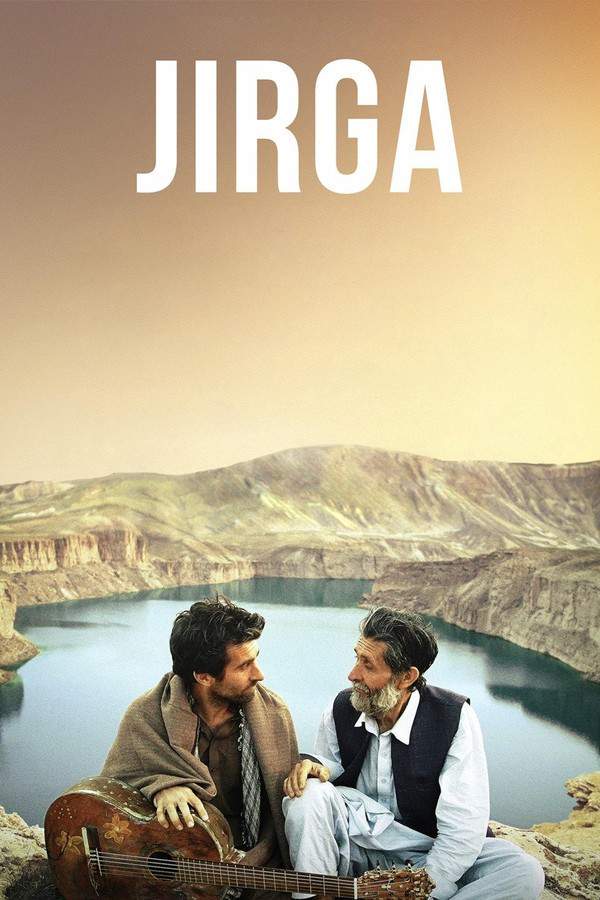
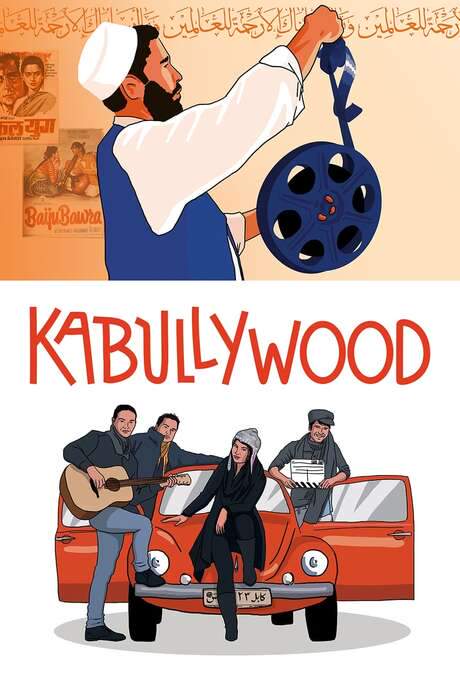
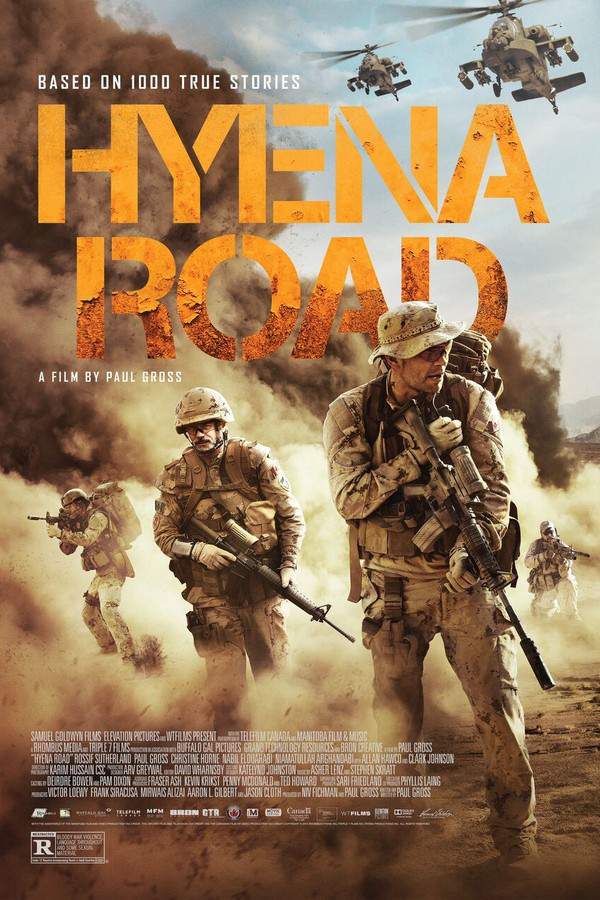
During a helicopter raid, the Australian army sweeps a small Afghan village, Ghazi Ghar, in a bid to root out hidden Taliban fighters. The operation finds villagers defending their homes and families, and shots ring out as they try to shield one another. In the leaving chaos, Mike Wheeler—the young soldier in the midst of the action—unintentionally shoots and kills an unarmed man who steps into the doorway of his house; the man’s wife and children pull him back inside as the dust settles. The scene is stark and haunting, setting a tone of wartime fear, confusion, and the heavy weight of duty on those who hunt in the shadows of war.
Fast forward three years, and Mike Wheeler returns to Afghanistan, driven by a desire for forgiveness and a need to make amends with a substantial sum of money in hand. He lands in Kabul with a single purpose: to locate the family of the man he killed and offer restitution. His search quickly stalls when a man who had once arranged transport to the village refuses to help again, warning Mike that the journey is too dangerous. Undeterred, Mike hides in a curiosity shop to escape the noise of the city and, under the shopkeeper’s insistence, buys a guitar, a small beacon of normalcy amid the unsettled mission.
From Kabul, Mike seeks a path toward Ghazi Ghar and asks a hotel owner to arrange a ride with a Taxi Driver. The hotel owner balks at sending him into Kandahar Province, a Taliban stronghold, and offers instead to guide him only as far as Band-e-Amir Lake. Even this compromise leaves Mike restless, and he negotiates with the driver, offering more money to push further south. The two men stand on the brink of trust and language barriers, unable to communicate beyond gestures and stubborn resolve. That night, by the lake, Mike plays his guitar while the driver hums a Pashtun tune; Mike, ever adaptive, teaches the driver how the notes correspond to the strings, a moment of shared culture amid a sea of suspicion.
The following day brings a renewed push toward Ghazi Ghar. Mike offers even more money, and the driver finally agrees to drive to the village, though not without risk. At a roadblock, Taliban fighters open fire, prompting Mike to leap from the car and scramble down a cliff to escape. The pair never fully understand each other as Mike trudges through the desert, weakened by heat and dehydration, until Taliban fighters capture him and chain him in a cave. The tension tightens as the story moves from a personal quest to a raw clash of loyalties and reprisals.
In captivity, the Taliban commander—named Sher Khan in the narrative—deliberates how to handle the captured outsider. He chooses to hear Mike’s story first, speaking through an English-speaking Taleb who translates Mike’s account of the raid and his motive for returning. The commander is blunt: giving money as recompense would be seen as a betrayal, especially since many from Mike’s side have harmed their people. The conversation pivots on collective memory and individual guilt, framing forgiveness as a complicated but potentially transformative act.
As the caravan moves toward Ghazi Ghar, a important exchange unfolds: the English-speaking intermediary coaches Mike on how to say a sincere apology in Pashto, guiding him toward the moment when he will face the family he harmed. When they reach the village, Mike recounts the raid three years earlier and explains the motive behind his return—seeking forgiveness rather than retribution. The villagers guide him to the man’s family, where Mike offers his apology in Pashto. The man’s widow, Sherbano, reacts with tears and anger, throwing shoes in a display of hurt and judgment, while the two sons stare with a fierce mix of resentment and pain. The atmosphere is heavy with the gravity of a community weighing its own sense of justice against a soldier’s plea for mercy.
A village jirga, a traditional assembly of elders, is convened to decide Mike’s fate. The council entrusts Inam Khan, the son of the man who was killed, with the responsibility of delivering judgment. Inam steps through the crowd, a dagger raised briefly to Mike’s throat, then sheaths it and declares forgiveness. An elder’s voice echoes the prevailing sentiment: forgiveness is mightier and more honorable than revenge, signaling a quiet, symbolic victory for mercy over vengeance. The ritual closes with a sheep’s sacrifice to mark the ending of one chapter and the tentative beginning of another for Mike, who then leaves the village with a sense of responsibility fulfilled, though not erased.
Throughout, the film weaves a careful meditation on war, accountability, and cultural tension, showing how a single act can ripple through a community long after the gunfire has quieted. The story lingers on the moral complexity of choosing forgiveness in the aftermath of violence, the fragile bridges built between disparate worlds, and the enduring human need to seek peace even in the most unforgiving landscapes. In the end, the film leaves viewers with a quiet, unresolved reflection on whether mercy can truly heal the wounds of a war-torn past, and at what cost forgiveness must come.