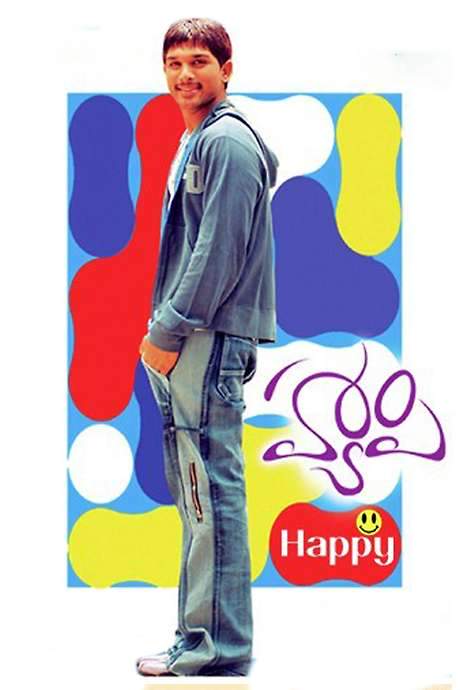
Jeena Sirf Merre Liye traces the long arc of a childhood bond that survives years of distance, misunderstanding, and fate, pulling two young lovers back toward one another in a drama that sits between nostalgia and reality.
From the edges of a hill station where summers are the season of reunion, the story follows Karan Malhotra, a boy who is later seen as a man, and Pooja (Pinky), a girl who returns year after year with a hopeful heart. Their friendship begins in innocence, shaped by the easy company of trees, air, and shared secrets, and it grows into something something dearer and more complicated than childhood affection. When Pooja’s father, a powerful tycoon, returns to the city, the two are abruptly torn apart. Karan is adopted by another man from the city, and Pooja is sent abroad to live with her father’s brother. Time stretches between them, yet the memory of their bond endures in letters, whispered conversations, and a private sense of longing.
Years pass, but the pull between Karan and Pooja does not fade. Pooja channels her longing into writing, turning her childhood memories into a story that she hopes might guide their futures. Along the way she encounters Seema, a bold woman who misreads the signs and believes Karan to be her own boyfriend. Seema invites Karan to a party, and at this gathering the two worlds collide: Karan and Pooja are reacquainted and reintroduced, and the spark that never quite disappeared is reignited. At Seema’s party, Karan performs the song that becomes a turning point in the narrative, the title itself echoing the very idea that has threaded through their lives—Jeena Sirf Merre Liye—and it’s at this moment that Pooja realizes with a mix of joy and astonishment that the boy she’s waiting for is indeed the boy she’s loved all along.
As the story-within-a-story grows in popularity, the line between fiction and reality blurs. Seema’s boss sees potential in Puja’s autobiographical tale and contemplates turning it into a feature film, nudging the lovers toward the truth that has long been hidden. Seema reads Puja’s narrative and comes to understand that Karan and Puja have been seeking each other across time, across miles, and across misunderstandings. She seeks out Karan to bridge the gap, hoping to speed the moment when the lovers can finally face one another’s truths.
But the path to happiness is complicated by family obligations and social expectations. A crisis erupts when Puja’s father calls to cancel his daughter’s wedding to Karan—an act rooted in a choice he believes will protect the family’s reputation. He offers a stark ultimatum: Karan must forget Puja and let the wedding go forward, or the union will doom Puja’s chances for acceptance and threaten the family name. The weight of this decision lands squarely on Karan’s shoulders, and he immediately informs Puja that he will meet her, even as he fights against a history that seems designed to keep them apart.
When the lovers finally confront each other, Puja lays bare her heart, confessing the feelings she has carried since their first encounter. Karan responds with a quiet certainty: his love has endured since their first meeting in the bustling party—and it has only deepened with time. Puja’s pain gives way to resolve, and she chooses to stand by him. Yet the emotional storm is not finished; Seema, moved by what she has learned, seeks out the truth from those who know Karan best, uncovering the layers of secrecy that have shaped the past.
The revelations clear the air: Puja and Karan come to understand that their bond is stronger than the obstacles placed before them. In a poignant confrontation with the consequences of parental and social pressures, Puja and Karan decide to marry, affirming their commitment before her father. The moment is charged and dramatic, as a gunshot briefly interrupts the moment of triumph—Karan is shot, yet survives, and the couple’s resilience is rewarded with the promise of a life together.
In the end, what began as a wistful memory and a long quest for reunion matures into a shared future. The lovers, having weathered misdirection, familial scrutiny, and the distortions of storytelling, find their path back to each other and toward happiness. The film closes on a note of quiet triumph, underscored by the strength of their enduring bond and the belief that true love can weather the fiercest storms.
- Note on cast connections: the story centers on the relationships and choices of Karan Malhotra and Pooja, with pivotal moments influenced by Seema’s misinterpretations and eventual revelations. Karan and Pooja are the principal anchors of the tale, their arcs supported by Seema’s bold misreadings and the family pressures laid upon them by Puja’s father. The familial dynamic is further shaped by the presence of Pooja’s Dad, who represents the social stakes at play in their world.