






Plot Explained Spoilers guaranteed!
Plot Explained

Browse by genre

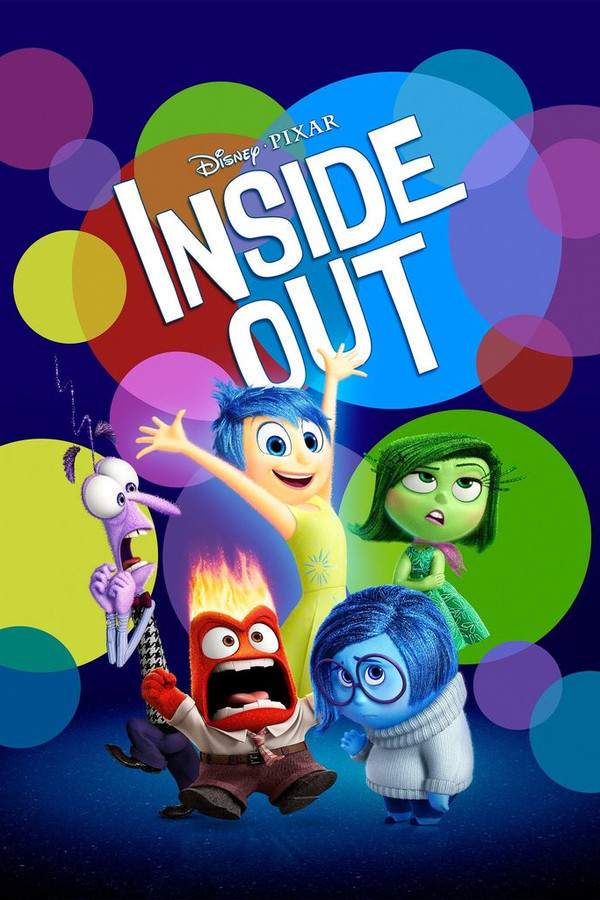
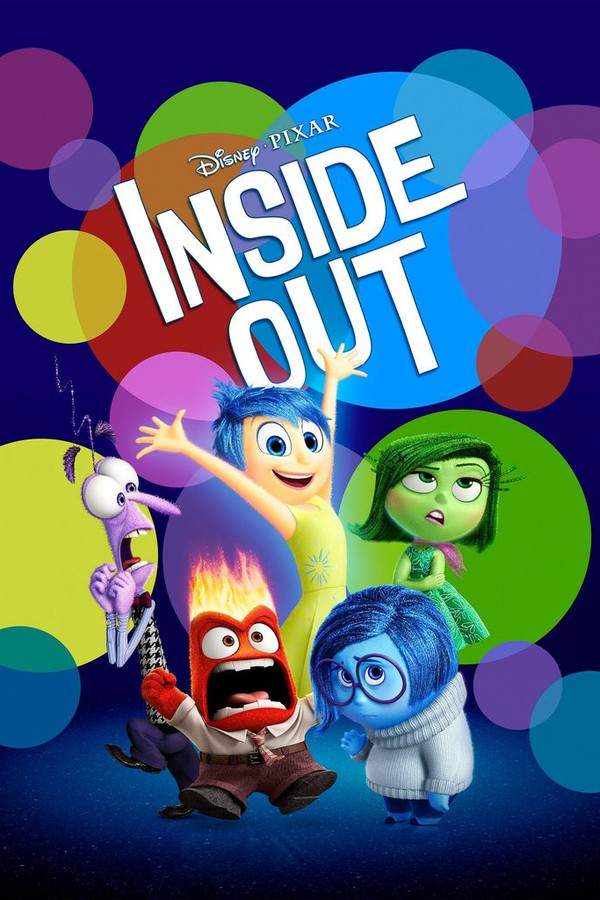
Inside Out (2015) movie poster

Characters & Themes

Inside Out (2015) Characters, Setting & Themes Explained

Release, runtime and language
2015 · 1 h 34 m · English
JustWatch #11,665 4
Directed by
Pete Docter, Ronnie Del Carmen
Starring
Rashida Jones, Diane Lane, John Ratzenberger, Josh Cooley, Amy Poehler, Bill Hader
Budget
$175M

Growing up can be a bumpy road, and it’s no exception for Riley, who is uprooted from her Midwest life when her father takes a new job in San Francisco. Inside her mind, Joy (Amy Poehler), Fear (Bill Hader), Anger (Lewis Black), Disgust (Mindy Kaling) and Sadness (Phyllis Smith) run Headquarters, guiding her reactions and shaping her memories as she adjusts to a new home and school.

On this page (7)
  1. 1 Where to watch
  2. 2 Characters explained (9)
  3. 3 Where & when it takes place
  4. 4 Themes & meaning (3)
  5. 5 Character & meaning questions
  6. 6 Movie threads
  7. 7 Every angle

Where to watch

Where to Watch Inside Out (2015)

Where can you watch Inside Out? Stream, rent or buy it in the US, including on Disney Plus, Amazon Video and Apple TV Store: current JustWatch availability with up-to-date prices.

Streaming availability powered by JustWatch

9 main characters · contains spoilers

Inside Out Characters Explained: Who Is Who

The main characters of Inside Out (2015), heroes and villains: what drives them, how they change over the course of the story and what each of them reveals about the film's bigger ideas.

  • Riley Andersen (Kaitlyn Dias)

    An 11-year-old girl who navigates a difficult move from Minnesota to San Francisco. She experiences a rollercoaster of emotions as Joy, Sadness, Fear, Disgust, and Anger shape her reactions. Her core memories define her personality, and her struggles reveal the importance of balance between happiness and sadness. As she grows, Riley learns to adapt and embrace change.

    • 🎯 Protagonist
    • 🌱 Growth
    • 💓 Emotion-aware
  • Joy (Amy Poehler)

    Joy is Riley's optimistic and energetic compass, determined to keep Riley happy. She leads the emotions at Headquarters and often tries to minimize Sadness's role, believing happiness is the key. Her control is tested as the core memories destabilize, forcing a shift toward empathy and cooperation. Joy learns that embracing sadness is essential for true balance.

    • 🌟 Leader
    • 🧪 Optimist
    • 💡 Hope
  • Sadness (Phyllis Smith)

    Sadness initially threatens to derail Riley's happiness but ultimately reveals the value of emotional honesty. She helps others connect with Riley's experiences and prompts adults to respond with care. Her quiet influence becomes crucial when core memories are at risk and when Riley needs support from her parents. Sadness's role proves essential to growth and empathy.

    • 💧 Empathy
    • 🦋 Quiet Strength
    • 🕊️ Care
  • Fear (Bill Hader)

    Fear keeps Riley safe by foreseeing potential dangers and planning contingencies. He tends to be anxious and cautious, sometimes undermining bold actions. In the crisis, Fear's nerves reveal how overprotection can hinder growth, pushing Riley toward gradual confidence. He learns that some risk is necessary for development.

    • 🛡️ Protector
    • 🌀 Anxiety
    • ⚠️ Caution
  • Anger (Lewis Black)

    Anger erupts when Riley's world feels out of control, pushing for immediate, impulsive reactions. He catalyzes missteps that threaten to topple the personality islands, highlighting the need to channel energy constructively. Through the crisis, Anger's intensity is tempered as other emotions contribute to a balanced response. He represents the push to stand up for oneself when confronted with change.

    • 🔥 Intensity
    • 🧱 Impulsivity
    • 💪 Assertiveness
  • Disgust (Mindy Kaling)

    Disgust filters Riley's experiences for social acceptance and self-preservation, steering clear of things that might harm her image. She helps Riley navigate social situations and changes in taste and preferences. During the crisis, Disgust collaborates with Fear and Anger to redirect Riley toward safer choices, while also helping her adapt to a new city.

    • 🤢 Taste
    • 🧼 Boundaries
    • 💬 Social cues
  • Bing Bong (Richard Kind)

    Bing Bong is Riley's long-ago imaginary friend who embodies childhood wonder and nostalgia. He offers a compassionate, quirky perspective and helps guide Joy and Sadness through memory space. His sacrifice illustrates the cost of clinging to a fading past and the courage needed to move forward.

    • 🪁 Imagination
    • 🧸 Nostalgia
    • 🚂 Sacrifice
  • Mom (Diane Lane)

    Riley's mother anchors the family's support and comfort, helping Riley process the move and adjust to a new city. She embodies caring, empathy, and reassurance, encouraging Riley to share her feelings. Her presence helps Riley realize she is not alone and that family will adapt together.

    • 👩‍👧‍👦 Maternal
    • 🫶 Support
    • 💞 Family
  • Dad (Kyle MacLachlan)

    Riley's father provides stability and a path toward new opportunities when he takes a job in San Francisco. He demonstrates patience and understanding as Riley navigates homesickness and a new school. The parents' efforts to stay connected with Riley's feelings are central to the film's message about family support.

    • 👨‍👧‍👦 Paternal
    • 🧭 Guidance
    • 🫶 Support

Last updated: May 07, 2026 at 14:20

Was this helpful?

Setting

Where and When Does Inside Out Take Place?

The setting of Inside Out (2015): the year and time period, the places and locations, and how they shape the characters, the mood and the tension of the story.

Time period

2010s

The events unfold during Riley's childhood, around ages 11 to 12, in the early to mid-2010s. The story moves from Minnesota to San Francisco, reflecting contemporary family life. The film presents a modern setting with present-day routines and technology that frame Riley's emotional journey.

Location

Headquarters (Riley's mind), Minnesota, San Francisco, Long-term Memory, Memory Dump

Headquarters sits inside Riley's mind as the control center where Joy, Sadness, and the other emotions manage core memories. The real-world settings follow Riley's family as they move from Minnesota to San Francisco after her father's job transfer. The inner regions include Long-term Memory and the Memory Dump, places where memories are stored and some fade away when islands crumble.

  • 🧠 Mindscape
  • 🗺️ Real World
  • 🏙️ San Francisco

Last updated: May 07, 2026 at 14:20

Was this helpful?

3 major themes

Inside Out Meaning: Themes & Message Explained

What is Inside Out (2015) really about? The emotional, social and philosophical themes the film keeps returning to, its symbolism and the message beneath the surface.

  • Emotions

    Joy and Sadness drive Riley's choices and memories, showing that emotions are active agents shaping identity. Core memories form the islands of Riley's personality, and their stability is tested during upheaval. The journey through Riley's mind highlights how balancing different emotions is essential for healthy development. The story demonstrates that sadness can be a catalyst for empathy and support.

  • Identity

    Riley's sense of self evolves as new experiences mold her feelings. The characters learn to accept complex emotions as part of growing up rather than suppressing them. The reconstruction of a more integrated memory system marks a maturation in Riley's identity. The film suggests that selfhood is a dynamic map that changes with life events and support from others.

  • Family & Belonging

    The parents' support helps Riley process the move and adapt to a new city. Open communication and emotional honesty are shown as crucial for reconnecting with family. Belonging, friendship, and shared memories act as anchors during times of change. The resolution emphasizes that family bonds help a child endure upheaval and thrive.

Last updated: May 07, 2026 at 14:20

Was this helpful?

Character & theme questions

Inside Out Characters & Meaning: Your Questions Answered

The questions people ask about Inside Out (2015): who the characters really are, their relationships, what the symbols mean, where it takes place and what the movie is really about. Each answer contains spoilers.

Q1

Where does the story take place?

The narrative operates on two levels: inside Riley's mind at Headquarters where her emotions reside, and in the real world across Minnesota (her original home), San Francisco (her new city), and the abstract memory landscape of Long-term Memory and the Memory Dump.

  • setting
  • minnesota
  • san francisco
  • headquarters
  • mindscape
Q2

What time period is the movie set in?

The movie takes place in the early to mid-2010s, during Riley's childhood around ages 11 to 12. The contemporary setting includes present-day technology and routines that reflect modern family life.

  • time period
  • 2010s
  • childhood
  • contemporary
Q3

What is the main theme of the movie?

The central theme explores how emotions work together to shape identity and healthy development. The film demonstrates that balancing different emotions, not just seeking happiness, is essential for growth, and that sadness can be a catalyst for empathy, connection, and resilience.

  • theme
  • emotions
  • identity
  • development
  • balance
Q4

Why is Joy important to Riley?

Joy serves as Riley's optimistic compass, driving her desire to maintain happiness and positivity. She leads the emotions at Headquarters and initially tries to suppress Sadness, believing that constant happiness is what Riley needs. Her journey shows that true emotional health requires embracing all emotions.

  • joy
  • optimism
  • happiness
  • emotions
  • riley
Q5

What does Sadness represent in the movie?

Sadness represents the vital role of emotional honesty and empathy in human experience. Initially viewed as threatening, she ultimately proves essential for growth, her ability to connect with others prompts care from adults and helps Riley process difficult experiences, showing that sadness enables rather than undermines well-being.

  • sadness
  • empathy
  • emotions
  • vulnerability
  • growth
Q6

Who is Bing Bong and what does he symbolize?

Bing Bong is Riley's imaginary friend from childhood, appearing as a whimsical mix of an elephant and cat. He symbolizes childhood wonder, nostalgia, and the painful but necessary process of growing up. His sacrifice demonstrates that letting go of the past is required to move forward.

  • bing bong
  • imaginary friend
  • childhood
  • nostalgia
  • growth
Q7

How do Riley's parents support her during the move?

Riley's parents provide crucial emotional support through open communication and empathy. Her mother anchors the family with comfort and reassurance, while her father demonstrates patience and understanding. Their willingness to listen and connect with Riley's feelings helps her adapt to the new city and feel she belongs.

  • parents
  • family
  • support
  • belonging
  • adjustment
Q8

What does the mindscape represent?

The mindscape represents the inner workings of the human psyche, with Headquarters as the control center where emotions manage core memories and guide reactions. The islands of personality illustrate how different experiences and relationships form one's identity, while the Memory Dump shows how some memories fade over time.

  • mindscape
  • headquarters
  • memories
  • personality
  • psychology
Q9

What does the movie say about identity?

The movie presents identity as a dynamic, evolving process rather than a fixed state. Riley's sense of self transforms as new experiences reshape her feelings and memories. The reconstruction of her memory system marks emotional maturation, suggesting that selfhood changes with life events and the support of others.

  • identity
  • self
  • growth
  • personality
  • maturity
Q10

Why is balance of emotions important?

The film emphasizes that no single emotion should dominate, each serves a purpose. Joy cannot succeed alone because Fear protects from danger, Disgust helps navigate social situations, Anger provides the drive to stand up for oneself, and Sadness enables connection and healing. Emotional balance is shown as essential for healthy development.

  • emotional balance
  • emotions
  • mental health
  • development
Q11

What role do core memories play?

Core memories form the islands of Riley's personality, each one represents a fundamental aspect of who she is, built from significant emotional experiences. When these memories destabilize during the crisis, it directly threatens her sense of self, showing how our most important memories shape our identity.

  • core memories
  • personality
  • identity
  • islands
  • memories
Q12

How does the movie portray childhood?

The movie portrays childhood as a complex emotional journey marked by both joy and struggle. Riley's move at age 11-12 represents a pivotal transition point where the simplicity of childhood gives way to more nuanced emotional experiences. The film treats these years with respect, acknowledging that even young people face real psychological challenges.

  • childhood
  • growing up
  • transition
  • riley
  • emotions

Movie threads

More Movies Like Inside Out, by Mood & Story

Curated lists built around what makes Inside Out tick: the same mood, the same kind of story or the same emotional payoff. Each list explains why these movies belong together.

Imaginative Mind Journeys Like Inside Out

Fantastical explorations of the mind where abstract concepts come to life. Discover movies like Inside Out that explore psychological concepts through creative fantasy worlds. If you enjoyed the personification of emotions and memory-based adventures, these imaginative stories offer similar introspective journeys through metaphorical landscapes.

  • whimsical
  • imaginative
  • introspective
  • thoughtful
  • playful
  • metaphorical
  • Tone: whimsical, introspective, heartfelt
  • Pacing: steady, adventurous
Why these movies?

The story pattern: These stories typically follow a protagonist (or personified concepts) navigating a metaphorical world that represents some aspect of consciousness, memory, or emotion. The external fantasy adventure parallels an internal psychological journey, often leading to greater self-understanding and emotional integration.

Why they belong together: Movies in this thread share a unique blend of psychological depth and whimsical fantasy. They use creative world-building to make abstract concepts tangible, balancing imaginative adventure with meaningful exploration of how minds work, making complex ideas accessible to all ages.


Emotional Coming of Age Stories Like Inside Out

Stories where childhood innocence meets the complex reality of growing up. Find movies similar to Inside Out that explore childhood emotional development and major life transitions. If you appreciated its honest portrayal of growing up struggles, these heartfelt stories capture the bittersweet journey of maturing and finding oneself.

  • heartfelt
  • nostalgic
  • hopeful
  • melancholic
  • comforting
  • introspective
  • Tone: bittersweet, hopeful, melancholic
  • Pacing: steady, character-driven
Why these movies?

The story pattern: The narrative follows a young protagonist facing significant life changes that challenge their sense of identity and emotional stability. Through a journey of self-discovery, they learn to integrate complex emotions and navigate new realities, ultimately emerging with greater emotional maturity and resilience.

Why they belong together: These films share a bittersweet tone that authentically captures the emotional complexity of childhood transitions. They balance lighthearted moments with genuine emotional weight, focusing on character development, family dynamics, and the psychological impact of major life changes on young protagonists.

Every angle

Inside Out (2015) Explained: Plot, Timeline & Characters

Everything about Inside Out in one place: what happens in the plot summary, the timeline in chronological order, the characters and meaning and a spoiler-free summary. What's After the Movie adds the cast, box office and post-credit scenes.

Coming soon on iOS and Android

The Plot Explained Movie Summary App

Plot summaries, endings explained and timelines on your phone. Catch up on any movie in minutes, save your favorites and never miss a twist again.

Be the first to know when we launch. Your email stays private, always.

Learn more about the app