Plot Explained Spoilers guaranteed!
Plot Explained

Browse by genre

In the Bleak Midwinter (1995) movie poster

Timeline

In the Bleak Midwinter (1995) Timeline Explained – Every Event in Order

Release, runtime and language
1995 · 99 mins · English
Directed by
Kenneth Branagh
Starring
Adrian Scarborough, Nicholas Farrell, Jennifer Saunders, Celia Imrie, Richard Briers, Julia Sawalha

Out‑of‑work actor Joe defies his agent Margaretta to rescue his sister’s church by staging a Christmas production of Hamlet. He cobbles together a handful of reluctant locals willing to work on a profit‑sharing, unpaid basis. Their personal quirks clash, yet in the tiny village of Hope something larger begins to surface.

On this page (6)
  1. 1 Events in order (15)
  2. 2 Timeline questions answered
  3. 3 Movie threads
  4. 4 Movies like In the Bleak Midwinter
  5. 5 Categories
  6. 6 Every angle

15 events in order · contains spoilers

In the Bleak Midwinter Timeline: Events in Chronological Order

Every key event of In the Bleak Midwinter (1995) in order, scene by scene, with when and where it takes place. Use it to untangle flashbacks, time jumps and parallel storylines, to refresh your memory before the sequel or to find the exact scene you are thinking of.

  1. Joe seeks funding for a free, experimental Hamlet

    Joe Harper, a depressed actor, asks his agent Margaretta D'Arcy to lend him money to mount a Christmastime production of Hamlet in his hometown of Hope, Derbyshire. They want it to be free and experimental, so auditions are held to gather a quirky troupe. The plan centers on staging in Hope with no big studio backing.

    When
    beginning of the project
    Where
    Hope, Derbyshire
  2. Auditions attract a colorful cast

    Joe holds auditions that attract a variety of performers, and Margaretta thinks many are mad. He ultimately casts six actors, including Nina, Henry, Terry, Tom, Carnforth, and Vernon, with himself taking the role of Hamlet. The decision signals his commitment to an offbeat, intimate production.

    When
    early stage
    Where
    Hope, Derbyshire – audition space
  3. Rehearsals move to a crumbling church

    Joe recruits his sister Molly and transports the cast and props to a decrepit church slated for demolition. The venue doubles as their digs, forcing the troupe to persevere despite a lack of funds. The broken space sets a rough, improvised tone for the production.

    When
    shortly after casting
    Where
    Decrepit church, Hope
  4. Fadge introduces experimental set and audience

    The troupe meets costume and set designer Fadge, who proposes radical staging with cardboard audience figures and smoke for atmosphere. His ideas push the cast to inhabit the play in a more performative, abstract way. This collaboration foreshadows a Christmas spectacle with unusual flair.

    When
    during early setup
    Where
    Church
  5. Rehearsal chaos erupts

    Rehearsals begin with Carnforth forgetting lines and arriving drunk, Tom insisting on outrageous accents, Henry distrusting sharing a room with Terry, and Nina's poor eyesight causing accidents. Molly even steps in to play Hamlet to help Joe direct. The chaos tests the troupe, but also seeds a rough cohesion.

    When
    early rehearsals
    Where
    Church
  6. Financial strain and no ticket sales

    The church landlord demands an extra week of rent, which Joe cannot pay, and the show doesn't sell a single advance ticket. The mounting pressure threatens the viability of the entire project. The team must decide whether to push on despite money troubles.

    When
    four days before tech run
    Where
    Church, Hope
  7. Vernon launches street-level push

    Vernon comes to Joe's rescue by distributing flyers and selling tickets on the streets and at a hotel cabaret where he performs. His energy helps draw attention to the production and salvage momentum. The troupe realizes they are not alone in fighting for the show.

    When
    around this time
    Where
    Hope streets and hotel
  8. Conflicts soften as respect grows

    Henry and Terry gradually learn to tolerate each other, grounded in their mutual respect for Henry Irving. Terry reveals he has an estranged son, Tim, complicating his Gertrude portrayal. Joe encourages the actors to inhabit their roles as living characters, blurring lines between actor and part.

    When
    mid-rehearsal
    Where
    Church backstage
  9. A breakdown and a turning point

    One night, Tom's meltdown over Carnforth's mistakes, Joe's direction, and Vernon’s insistence on documenting the process pushes Joe to a breaking point. He declares the production a mistake and worries that time and money have run out. Calming down, Henry and Molly urge him to keep going.

    When
    one night
    Where
    Church
  10. Recovery and a fundraising boost

    After the breakdown, Joe returns to active directing, the company begins to improve, and Vernon reveals a whip-round to improve finances. Joe even starts acting in rehearsals again, sharpening performances and rejuvenating the troupe. The mood shifts from despair to renewed resolve.

    When
    post-breakdown
    Where
    Church
  11. Hollywood offer arrives

    Margaretta calls with news of a three-picture movie deal from American producer Nancy Crawford, but Joe must cut travel arrangements. The offer tempts him away from the stage, creating a dilemma about loyalty, risk, and the dream of film stardom. The door to Hollywood suddenly stands open.

    When
    after tech rehearsal
    Where
    Church/phone call
  12. Christmas Eve: farewell and first performance

    On Christmas Eve, Margaretta arrives to tell Joe he must travel to Los Angeles for Crawford. He will miss the first performance, and the company reluctantly bids him farewell while Molly fills in for Hamlet. Nina pleads for him to stay for his own well-being, and the tension of departure hangs over the night.

    When
    Christmas Eve
    Where
    Hope church, Christmas Eve
  13. The premiere goes ahead with Joe's return

    The audience arrives, including Carnforth's mother, Nina's father, and Tim, while Crawford and Margaretta arrive with a national newspaper reporter. During Molly's first scene, Joe returns and performs the first act live on stage. The production goes well, and the company senses a fragile success taking shape.

    When
    during the first performance
    Where
    Church stage, Hope
  14. Crawford's twist and a new alliance

    Crawford reveals she watched to understand why Joe rejected her offer. She then offers Joe's leading role to Tom, and Margaretta offers herself as an agent to the troupe, with Fadge staying on as designer for the film. The arrangement hints at a cinematic future connected to their stage experiment.

    When
    after show
    Where
    Backstage
  15. A Christmas Day union

    When the audience leaves, the company dances together, and Nina and Joe begin a romantic relationship as Christmas Day dawns. The makeshift Hamlet project seems to have found its own kind of victory, sealing a new personal chapter for the cast.

    When
    Christmas Day
    Where
    Backstage/Hope

Last updated: October 05, 2025 at 11:25

Was this helpful?

Timeline questions answered

In the Bleak Midwinter Timeline Explained: Your Questions Answered

When does it happen, and why in that order? The questions people ask about the chronology of In the Bleak Midwinter (1995): time jumps, flashbacks, cause and effect between scenes and the correct order of events, each answered with spoilers.

Q1

Why does Joe choose to stage Hamlet for the church benefit?

Joe chooses Hamlet because it's a personal, meaningful project for him. As a struggling actor, he wants to bring something intimate and artistic to his hometown rather than a typical holiday production. The free and experimental approach reflects his vision of creating something meaningful against the odds, rather than just raising money mechanically.

Foreshadowing: The title 'In the Bleak Midwinter' echoes Hamlet's famous 'To be or not to be' soliloquy, setting up the play's themes of existential struggle.

  • hamlet production
  • joe harper
  • church benefit
  • experimental theater
Q2

Why does Nancy Crawford give the movie role to Tom instead of Joe?

Nancy Crawford was testing Joe's character by offering him a Hollywood deal. She watched the production specifically to see how he would respond when tempted by fame versus staying loyal to his struggling troupe. When Joe initially left for Hollywood, she observed that he would abandon his commitments, so she gave the role to Tom instead, who proved more reliable.

Foreshadowing: The deal arrives right before the first performance, creating the ultimate test of Joe's priorities.

  • nancy crawford
  • tom newman
  • hollywood deal
  • movie role
  • joe harper
Q3

Why does Joe leave for Hollywood and then return on Christmas Eve?

Joe initially leaves because the three-picture deal represents everything he's been working toward, Hollywood stardom and financial security. However, he returns because performing Hamlet on stage matters more to him than the film offer. The moment Molly begins the first scene triggers his decision to reclaim his role and honor the collaborative effort.

Foreshadowing: Nina's plea for him to stay 'for his own well-being' hints that his identity is tied to this production, not Hollywood fame.

  • joe return
  • christmas eve
  • hollywood
  • hamlet performance
Q4

Why does Molly step in to play Hamlet?

Molly steps in as Hamlet when Joe leaves for Hollywood because the show must go on, the audience has arrived and the cast needs a lead. As Joe's sister and someone who has been involved throughout the production, she's the logical replacement. This also mirrors the earlier rehearsals where Molly played Hamlet so Joe could direct more effectively.

Foreshadowing: Earlier in rehearsals, Molly already played Hamlet when Joe needed to guide the production, making her filling in again feel natural.

  • molly harper
  • hamlet
  • understudy
  • joe sister
Q5

Why does Nina beg Joe to stay for the show?

Nina begs Joe to stay because she genuinely cares about his well-being and believes the production represents something important for him. Earlier, she revealed she's a widow who believes in the show's possibility, showing she understands its emotional significance. Her plea comes from seeing Joe's talent and knowing leaving would harm him more than help.

Foreshadowing: Nina's earlier confession about being a widow establishes her empathy and emotional investment in the troupe's success.

  • nina raymond
  • joe harper
  • plea to stay
  • emotional stakes
Q6

How does Vernon help save the production financially?

Vernon saves the production by actively selling tickets and distributing flyers on the streets and at a hotel where he performs cabaret. His hands-on approach turns the tide when no advance tickets had sold. He also organizes a whip-round among the company to raise additional funds, giving the production the money needed to pay the extra week of rent.

Foreshadowing: Vernon's background as a former child actor gives him the performance skills to draw crowds and sell tickets effectively.

  • vernon spatch
  • ticket sales
  • fundraising
  • finance
Q7

Why do Henry and Terry learn to respect each other?

Henry and Terry resolve their conflict through their mutual admiration for the famous actor Henry Irving, giving them common ground. Terry also opens up about his estranged son Tim, which adds emotional depth and humanizes him to Henry. This shared vulnerability helps them see past their initial tensions and work together as performers.

Foreshadowing: Their conflict initially centers on Henry resenting having to share a room with the openly gay Terry, showing early prejudice that gradually dissolves.

  • henry wakefield
  • terry dubois
  • henry irving
  • respect
  • estranged son
Q8

Why does Nancy Crawford really come to watch the play?

Nancy Crawford doesn't genuinely support the production, she comes to observe Joe's character under pressure. She wants to see how he handles the temptation of Hollywood versus his commitment to his troupe and community. Her presence with a national newspaper reporter adds to the stakes, making the performance a test of Joe's professional integrity.

Foreshadowing: Her offer arrives just before the first performance, perfectly timed to test his priorities.

  • nancy crawford
  • watch performance
  • hollywood producer
  • intentions
Q9

Why is the church scheduled for demolition?

The church is scheduled for demolition by developers because it's decrepit and no longer in active use. Staging the Hamlet production there gives the building one last purpose before it's torn down, making the performance both a creative act and a meaningful farewell to the space.

Foreshadowing: The venue doubles as their shared home during the production, emphasizing how the space itself becomes a character in their story.

  • church demolition
  • developers
  • venue
  • hamlet performance
Q10

Why do Joe and Nina begin a romance after the performance?

Joe and Nina develop a romance because they've built a genuine connection through shared struggle and artistic collaboration. Nina supported Joe during his lowest moments and believed in the production when success seemed impossible. Their relationship represents the personal triumph that complements the production's artistic success.

Foreshadowing: Nina's earlier support and her emotional plea for Joe to stay lay the groundwork for their relationship to blossom.

  • joe nina
  • romance
  • christmas day
  • relationship
  • together
Q11

Why does Fadge's experimental set design work for the production?

Fadge's experimental design using cardboard silhouettes and smoke works because it transforms the crumbling church's limitations into artistic assets. The approach suits the free, experimental nature of Joe's vision and allows the audience to participate imaginatively in the performance. It also reflects the production's theme of creating meaning from modest materials.

Foreshadowing: Fadge arrives with avant-garde ideas early in rehearsals, and later she's brought onto the film project, confirming her design vision had merit.

  • fadge
  • experimental set
  • cardboard audience
  • smoke
  • design

Movie threads

More Movies Like In the Bleak Midwinter, by Mood & Story

Curated lists built around what makes In the Bleak Midwinter tick: the same mood, the same kind of story or the same emotional payoff. Each list explains why these movies belong together.

Movies about creative collaboration like In the Bleak Midwinter

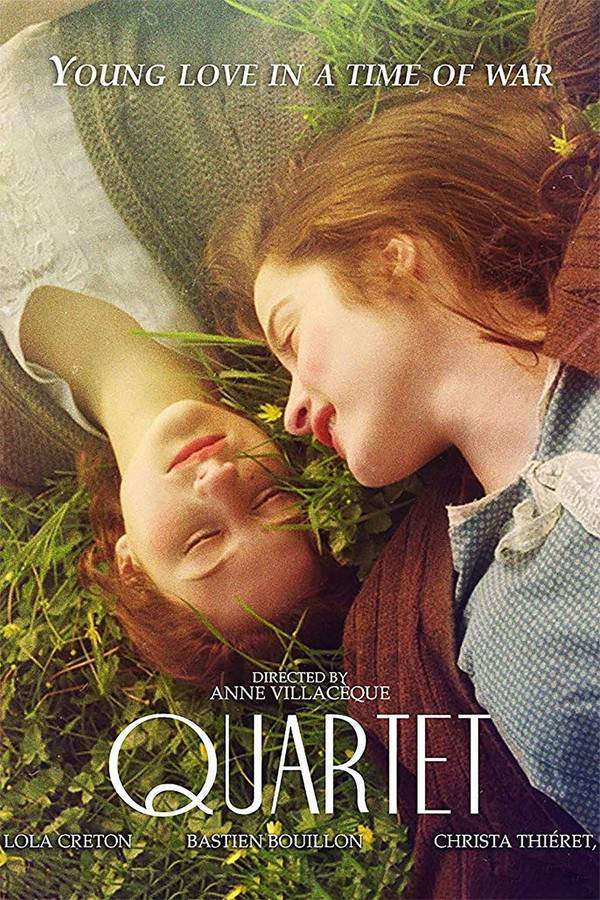
Misfits uniting to put on a show, finding friendship and purpose along the way. If you liked the charming story of putting on a play in In the Bleak Midwinter, you'll enjoy these films about artistic ensembles. They capture the uplifting spirit of misfits coming together through theater, music, or other creative pursuits to create something special and find a sense of belonging.

  • heartwarming
  • quirky
  • uplifting
  • communal
  • hopeful
  • creative
  • Tone: hopeful, heartwarming, uplifting
  • Pacing: steady, character-driven
Why these movies?

The story pattern: The narrative follows a group of disparate, often struggling individuals who are brought together by a common creative goal. Their initial clashes and eccentricities give way to mutual support and understanding as they work towards a shared success, with the journey being more important than the final result.

Why they belong together: These movies are grouped by their shared emphasis on community over individualism, the transformative power of art, and the heartwarming development of a found family. They feature steady pacing, low-to-medium intensity conflict, and a consistently hopeful tone that culminates in a satisfying, happy ending.
Quirky small-town movies like In the Bleak Midwinter

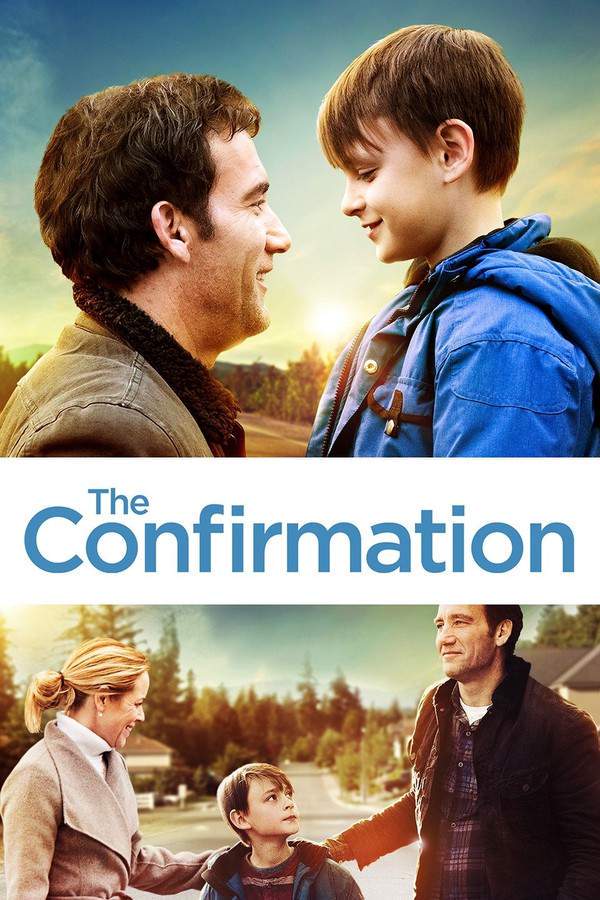
Heartwarming stories set in close-knit communities where eccentric locals unite. Fans of the charming village setting in In the Bleak Midwinter will appreciate these stories centered on quirky small towns. These movies share a gentle, steady pace and a light emotional weight, focusing on how community events bring people together for a heartwarming and hopeful experience.

  • quirky
  • heartwarming
  • small town
  • communal
  • gentle
  • uplifting
  • Tone: hopeful, gentle, heartwarming
  • Pacing: steady, relaxed
Why these movies?

The story pattern: The story is anchored by its setting—a small town or village filled with distinctive characters. An outsider or a local catalyst initiates an event that initially seems unlikely to succeed, but through the collective effort of the community, it becomes a vehicle for connection, healing, and celebrating the town's unique spirit.

Why they belong together: This thread connects movies through their distinctive small-town atmospheres, gentle pacing, and focus on communal rather than individualistic stories. They share a low-intensity, hopeful vibe where personal dramas are resolved through community support, resulting in a feel-good, uplifting experience.

If you liked this

Movies Like In the Bleak Midwinter

Similar movies to In the Bleak Midwinter: the same genre, themes or kind of story. Each one comes with its own plot summary, timeline and ending explained.

Browse all movie summaries

Categories

Movie Lists Featuring In the Bleak Midwinter

In the Bleak Midwinter appears in these hand-built movie categories. Each one groups movies by a specific mood, theme or story type, with their plot summaries and endings explained.

View all movie categories

Every angle

In the Bleak Midwinter (1995) Explained: Plot, Timeline & Characters

Everything about In the Bleak Midwinter in one place: what happens in the plot summary, the timeline in chronological order, the characters and meaning and a spoiler-free summary. What's After the Movie adds the cast, box office and post-credit scenes.

Coming soon on iOS and Android

The Plot Explained Movie Summary App

Plot summaries, endings explained and timelines on your phone. Catch up on any movie in minutes, save your favorites and never miss a twist again.

Be the first to know when we launch. Your email stays private, always.

Learn more about the app