Year: 1948
Runtime: 90 mins
Language: English
Director: Gordon Douglas
In Brookford, a small town where every resident boasts an ancestor who fought in the Revolutionary War, Sam and Susie Parker are the only ones without a known lineage. Their lives change when they discover a letter from George Washington that recounts the daring deeds of a Revolutionary hero named Parker, hinting they may share that past.
Warning: spoilers below!
Haven’t seen If You Knew Susie yet? This summary contains major spoilers. Bookmark the page, watch the movie, and come back for the full breakdown. If you're ready, scroll on and relive the story!
Explore the full timeline and setting of If You Knew Susie (1948). Follow every major event in chronological order and see how the environment shapes the story, characters, and dramatic tension.
Last updated: February 19, 2026 at 09:45
Meet the key characters of If You Knew Susie (1948), with detailed profiles, motivations, and roles in the plot. Understand their emotional journeys and what they reveal about the film’s deeper themes.
Last updated: February 19, 2026 at 09:45
Explore the central themes of If You Knew Susie (1948), from psychological, social, and emotional dimensions to philosophical messages. Understand what the film is really saying beneath the surface.
Last updated: February 19, 2026 at 09:45
Browse frequently asked questions about If You Knew Susie (1948) focused on characters, relationships, themes, symbols, setting, and story context. This movie info FAQ gives spoiler-aware explanations for character arcs, world details, and thematic interpretation so readers can better understand what the film is really about.
The film is set in Brookford, a small New England town known for its colonial heritage, and later shifts to Washington, D.C. where the Parker family pursues verification of the Revolutionary War letter at the National Archives.
The historic New England home serves as both the family's ancestral residence and their business venture, establishing the stakes for their community standing.
The movie takes place in the 1940s, during the postwar era before television became mainstream. The story follows aging vaudeville performers returning to their ancestral home, blending contemporary 1940s life with Revolutionary War-era family history.
The 1940s setting allows the film to contrast the modern struggles of the Parker family with the legendary past of their Revolutionary War ancestor.
The film explores three interconnected themes: heritage and how ancestry shapes identity, hospitality and the tension between tradition and progress, and authenticity as characters pursue proof of their legendary past through official channels.
The theme of authenticity runs throughout, as the George Washington letter becomes the central mystery driving the plot.
The film examines whether romanticized family history holds true meaning or merely serves convenient purposes. The discovery of the Washington letter challenges the Parkers to reconcile their present circumstances with a legendary past, questioning whether ancestry truly defines who they are.
Junior's bullying because of his ancestor's reputation as a draft dodger directly ties present identity to past actions.
Sam Parker is a veteran vaudeville performer who returns with his wife Susie to their ancestral New England home. He leads the effort to verify the Revolutionary War letter's authenticity, balancing practical concerns with family loyalty as public opinion shifts against them.
Sam's experience as a performer gives him the determination to pursue the letter's verification despite public rejection.
Susie Parker is Sam's wife and performing partner who helps manage the inn-turned-hotel. She represents warmth and resilience, pressing for the family's legacy while navigating the community's boycott and social pressure.
Susie's determination to preserve the family legacy drives the family to seek validation from external authorities.
Junior Parker is Sam and Susie's son who experiences bullying due to his ancestor's reputation as an American War of Independence draft dodger. His character arc reflects the tension between past family reputations and present identity.
Junior's suffering from his ancestor's shame makes the discovery of the heroic Parker letter particularly meaningful for his self-worth.
The central conflict stems from the Parker family's social position as the only residents in Brookford without documented Revolutionary War ancestry. When they discover a George Washington letter linking them to a legendary past, they must prove its authenticity while facing community skepticism and outside threats.
The community's initial rejection sets up the stakes for the family's eventual vindication through official verification.
The letter from George Washington recounts the deeds of a Revolutionary War hero named Parker, potentially proving the family's legendary ancestry. Its verification through the National Archives transforms personal family history into national history, drawing media attention and criminal interest.
The letter's mix of legible and illegible portions raises questions of authenticity that drive the investigation.
This is a 1948 comedy film featuring Eddie Cantor and Joan Davis as a vaudeville couple who discover a piece of Revolutionary War history. The tone is hopeful and light, with adversity serving as setup for eventual triumph and a happy ending involving financial reward and vindication.
Despite mentions of gunfire and criminal threats, these elements serve the comedic tone rather than creating dark drama.
Discover curated groups of movies connected by mood, themes, and story style. Browse collections built around emotion, atmosphere, and narrative focus to easily find films that match what you feel like watching right now.
Small-town outsiders overcome adversity to win the respect of their community.If you enjoyed watching If You Knew Susie, you'll like these similar feel-good stories about everyday people overcoming small-town politics and social ostracism to find their place and earn a happy ending.
The narrative follows a linear, straightforward arc where protagonists face mild-to-moderate social conflict or personal debt. A key discovery or event provides them with an opportunity to reverse their fortunes, leading to a clear, uplifting resolution that vindicates the characters.
These films are grouped together because they share a hopeful, light-hearted tone, a steady pacing focused on character-driven challenges, and a core theme of community acceptance and personal redemption against seemingly insurmountable odds.
Lighthearted journeys into the past that unlock fortune and change lives.Discover more movies like If You Knew Susie where a historical artifact or secret from the past provides the key to a brighter future in these gentle, character-driven comedies and dramas.
The plot is driven by a serendipitous discovery connected to a historical figure or event. This discovery prompts a quest or investigation, often involving travel, which resolves the central conflict in a positive, fortune-changing way, blending light comedy with a sense of nostalgic wonder.
This thread connects movies through their shared focus on a benign, whimsical interaction with history as a central plot device. They prioritize a hopeful mood, light emotional weight, and a sense of charming adventure that culminates in a definitively happy ending.
Don't stop at just watching - explore If You Knew Susie in full detail. From the complete plot summary and scene-by-scene timeline to character breakdowns, thematic analysis, and a deep dive into the ending - every page helps you truly understand what If You Knew Susie is all about. Plus, discover what's next after the movie.
Read a complete plot summary of If You Knew Susie, including all key story points, character arcs, and turning points. This in-depth recap is ideal for understanding the narrative structure or reviewing what happened in the movie.
Track the full timeline of If You Knew Susie with every major event arranged chronologically. Perfect for decoding non-linear storytelling, flashbacks, or parallel narratives with a clear scene-by-scene breakdown.
Discover movies like If You Knew Susie that share similar genres, themes, and storytelling elements. Whether you’re drawn to the atmosphere, character arcs, or plot structure, these curated recommendations will help you explore more films you’ll love.
If You Knew Susie (1948) Plot Summary & Movie Recap
If You Knew Susie (1948) Scene-by-Scene Movie Timeline
If You Knew Susie (1948) Spoiler-Free Summary & Key Flow
Movies Like If You Knew Susie – Similar Titles You’ll Enjoy
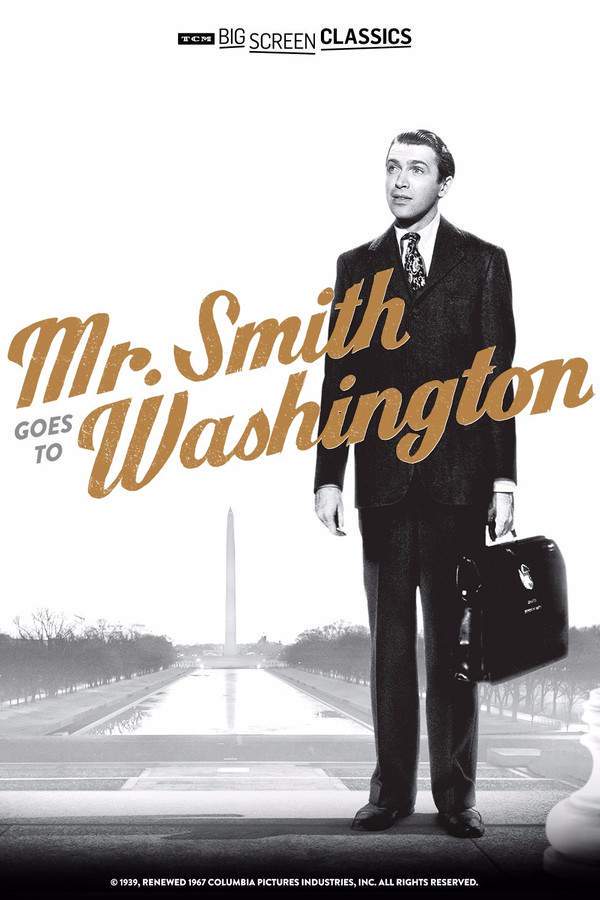
Mr. Smith Goes to Washington (1939) Full Movie Breakdown
Dirty Tricks (1980) Complete Plot Breakdown
Two Sisters from Boston (1946) Story Summary & Characters
Isn’t Life Wonderful! (1953) Spoiler-Packed Plot Recap
She Knew All the Answers (1941) Story Summary & Characters
Washington Merry-Go-Round (1932) Spoiler-Packed Plot Recap
You’re Telling Me! (1934) Detailed Story Recap
Sussie (1945) Full Movie Breakdown
The Show-Off (1934) Full Movie Breakdown
Mr. Washington Goes to Town (1942) Movie Recap & Themes
One Night at Susie’s (1930) Detailed Story Recap
George Washington Slept Here (1942) Full Summary & Key Details
Washington Square (1997) Full Movie Breakdown
13 Washington Square (1928) Film Overview & Timeline
The Affairs of Susan (1945) Ending Explained & Film Insights