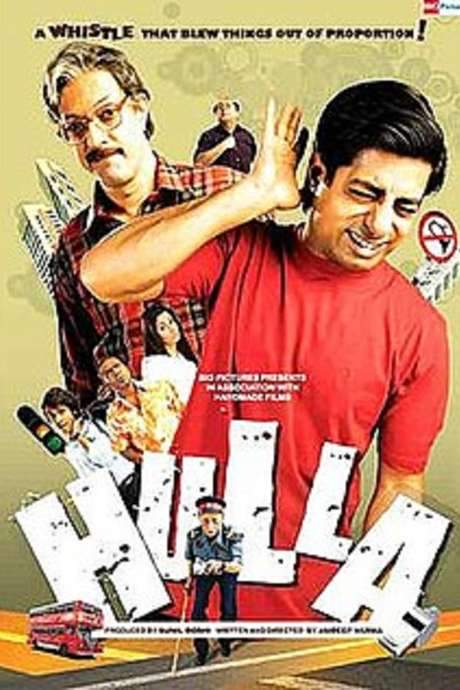
Hulla
Year: 2008
Runtime: 110 mins
Language: Hindi
Director: Jaideep Varma
A stockbroker relocates to a new flat, only to discover that the night‑watchman's loud whistle keeps him awake each night. His attempts to find peace bring him into a heated dispute with the building’s secretary, who stubbornly insists the whistle must continue to be used.
Where to Watch Hulla?
Find where to stream, rent, or buy Hulla (2008) in the US with current JustWatch availability, up-to-date pricing, and platform listings for subscription, rental, and digital purchase options.





Streaming availability powered by 
Warning: spoilers below!
Haven’t seen Hulla yet? This summary contains major spoilers. Bookmark the page, watch the movie, and come back for the full breakdown. If you're ready, scroll on and relive the story!
Hulla (2008) – Full Plot Summary & Ending Explained
Read the complete plot breakdown of Hulla (2008), including all key story events, major twists, and the ending explained in detail. Discover what really happened, and what it all means.
Raj, an aggressive stock-broker in a prosperous firm, and Abha, a marketing professional, are a couple in their early thirties. They move into a new two-bedroom flat in a Mumbai suburb, hoping for peace and quiet as their careers flourish and domestic life becomes stable. Life feels sweet, with both of them believing their professional success will blend smoothly with personal harmony.
Soon, cracks appear in their otherwise perfect existence when Raj, a light sleeper, is disturbed by noises at night. Abha offers him headphones and playful distractions, but the problem persists, and the doorbell adds to the tension. One night, Raj goes downstairs to investigate and discovers that the night watchman is whistle-blowing at regular intervals to deter thieves. Raj scolds him and asks for the noise to stop, only to be met with resistance from the building secretary, Janardan, who argues that the whistles are necessary for security. He even imposes a schedule—11:00 pm to 11:30 pm, 12:00 am to 12:30 am, 01:00 am to 01:30 am, and so on—so that everyone can sleep.
What begins as a lighthearted annoyance soon escalates into a serious strain on Raj. Sleep deprivation gnaws at his judgment, affecting his performance at work and his behavior at home. He becomes hyper-aware of every loud sound in the vicinity, and his frustration deepens as he feels no one around him truly understands or sympathizes with his plight. Abha, Dev, and the neighbors drift away from offering support, and Raj grows increasingly isolated. In a controversial moment, a drastic action is taken, driven by fatigue and a sense of helplessness. A costly mistake follows: due to a sleepless lapse, he sells a bulk share that had been invested in by the secretary, resulting in heavy losses for both.
As the couple’s life unfolds, they face displacement and emotional strain: Abha is unhappy about leaving the old apartment and eventually heads to her dad’s house, while the watchman seems to fade into the background and is described almost as a beggar by the end. Yet the pressures of the night and the secretary’s difficult life continue to cast a shadow over everyone involved, complicating what began as a minor grievance.
“Hulla” is the story of a simple, persistent annoyance that disrupts several lives while imparting a hard, personal reckoning.
Last updated: October 09, 2025 at 09:25
Hulla (2008) Plot Questions Answered – Summary FAQ
Explore frequently asked questions about Hulla (2008) with spoiler-rich answers covering the full plot summary, major story beats, character motivations, hidden details, and ending meaning. This movie summary FAQ helps explain confusing scenes, plot twists, and narrative decisions in clear, searchable detail.
Why does the night watchman blow the whistle in Hulla?
The night watchman blows the whistle at regular intervals throughout the night to deter thieves and maintain security in the building. This is a standard security practice in some residential complexes in India, where the whistle serves as a deterrent to potential intruders.
Why does Raj make a trading error in Hulla?
Raj makes a costly trading error because severe sleep deprivation from the nightly whistle disturbs his judgment and concentration. In a moment of exhausted confusion, he accidentally sells a bulk set of shares in which the building secretary Janardan had also invested, causing significant financial losses for both men.
Earlier scenes show Raj becoming increasingly agitated and hyper-aware of sounds, foreshadowing his deteriorating mental state.
Why does Abha leave Raj in Hulla?
Abha leaves Raj and moves to her father's house because the constant stress from the whistle controversy and its fallout has created unbearable strain on their relationship. The combination of Raj's deteriorating behavior, the financial losses, and the overall tension makes their domestic life unsustainable.
Why does the secretary insist on the whistle in Hulla?
Secretary Janardan insists the whistle must continue because he believes it is necessary for building security. When Raj confronts him, Janardan even creates a formal schedule for the whistling to show it is organized and necessary. He prioritizes security concerns over Raj's comfort.
What happens to the night watchman at the end of Hulla?
By the end of Hulla, the night watchman is no longer working as a security guard. He is seen living as a beggar, having lost his job and dignity. The transformation from a security figure to a beggar symbolizes how the entire conflict destroys multiple lives, not just Raj's.
The watchman's presence gradually fades throughout the film as the conflict escalates.
Why does the police side with the secretary in Hulla?
When Raj files a police complaint about the whistle disturbance, the officers side with the secretary and building security. They argue that the whistle noises are necessary for safety purposes, dismissing Raj's complaint as trivial. This leaves Raj feeling powerless against the system.
How does the whistle affect Raj's job in Hulla?
The continuous sleep deprivation from the whistle directly impacts Raj's performance as a stockbroker. His judgment becomes impaired, he becomes edgy and suspicious of ordinary sounds, and he ultimately makes a critical trading error that results in financial losses. The film's narrative shows how a personal annoyance spirals into professional disaster.
Raj's growing anxiety about even small sounds at work hints at his deteriorating mental state.
Why does Raj confront the night watchman in Hulla?
Raj confronts the night watchman after repeated nights of being woken up by the whistle. As a light sleeper, the sound disturbs him deeply, and after Abha's attempts with headphones fail, he decides to go downstairs and directly tell the watchman to stop blowing the whistle.
Abha's failed attempts to help Raj with headphones establish that the problem cannot be easily solved.
Why doesn't anyone sympathize with Raj's problem in Hulla?
As the conflict continues, Raj finds that Abha, his friend Dev, and the neighbors all drift away from offering support. They either don't understand the severity of his sleep deprivation or simply don't care enough to help resolve the issue. This lack of sympathy isolates Raj further and intensifies his frustration.
What is the whistle schedule in Hulla?
Secretary Janardan establishes a formal whistle schedule after Raj's initial complaint: 11:00 PM to 11:30 PM, 12:00 AM to 12:30 AM, 1:00 AM to 1:30 AM, and continuing in this pattern through the night. This schedule is meant to balance security needs with residents' sleep, though it clearly fails to solve Raj's problem.
Why does a simple whistle cause so many problems in Hulla?
The whistle starts as a minor annoyance but escalates because it triggers a chain reaction: sleep deprivation makes Raj irritable and unfocused, his work suffers, he makes a costly trading error, financial losses strain his relationship with the secretary, Abha leaves, and the watchman loses his job. The film illustrates how a small problem can unravel multiple lives when left unresolved.

Explore Movie Threads
Discover curated groups of movies connected by mood, themes, and story style. Browse collections built around emotion, atmosphere, and narrative focus to easily find films that match what you feel like watching right now.
Movies about escalating neighbor disputes like Hulla
Stories where a minor frustration escalates into a life-altering conflict.If you liked the tense, frustrating dynamic in Hulla, this collection features similar movies where neighbor disputes and domestic annoyances create intense personal conflict. Discover films that capture the feeling of a small problem growing into an all-consuming battle.

Fireworks Wednesday (2006)
2016
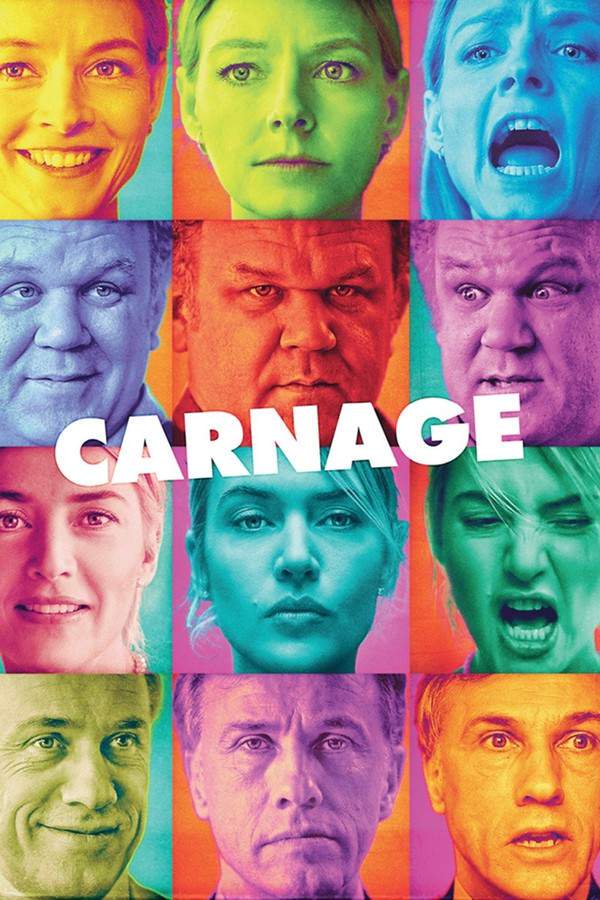
Carnage
2011
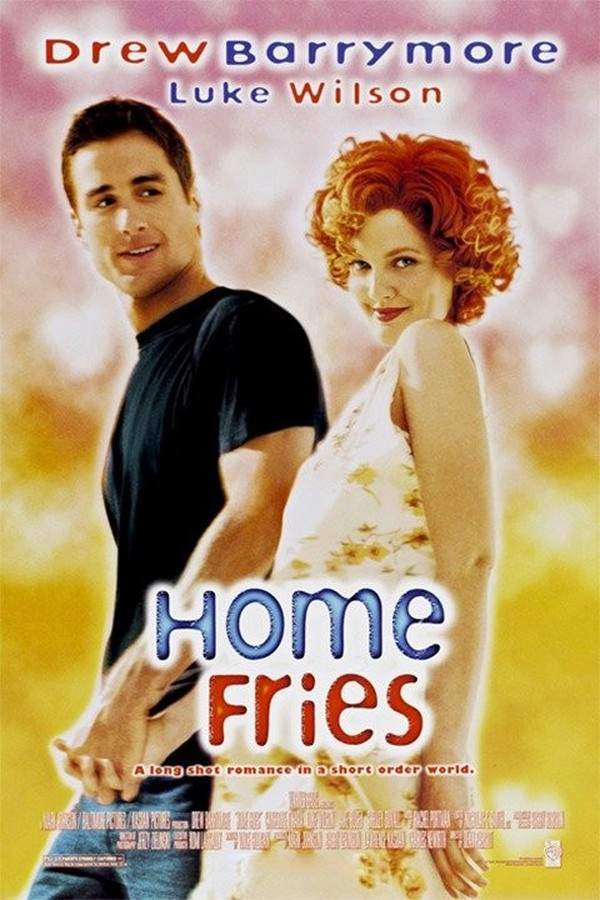
Home Fries
1998
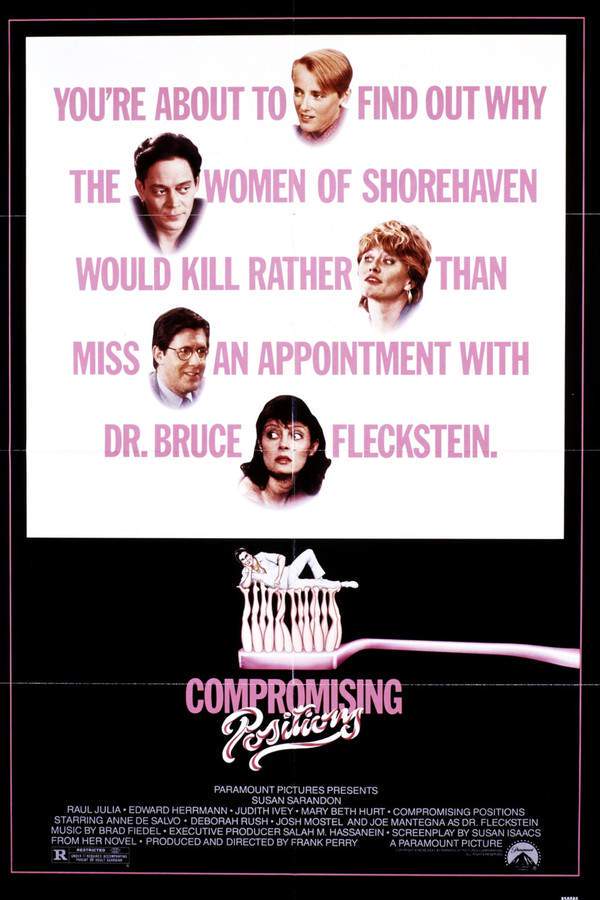
Compromising Positions
1985

A Daughter’s Nightmare
2014

Em Magan
2006

Losing Ground
1982

A Recipe for Seduction
2020

The House in Marsh Road
1960

The Long, Hot Summer
1958

The Young Stranger
1957
Hulla
2008

A Noisy Day
1961

My Nanny’s Secret
2009

Dindigul Sarathy
2008
Narrative Summary
The narrative follows a linear path of escalation. A protagonist, often already under pressure, encounters a persistent nuisance. Their attempts to resolve it are met with resistance, leading to an obsessive focus that causes collateral damage to their career and personal life, culminating in a strained or bittersweet resolution.
Why These Movies?
These movies are grouped by their shared focus on a micro-level conflict that generates macro-level consequences. They share a tense, frustrating mood and a steady pacing that mirrors the relentless nature of the central annoyance, creating a very specific type of psychological drama.
Movies about urban stress and psychological strain like Hulla
Character studies of professionals cracking under the pressures of modern urban existence.For viewers who appreciated the portrayal of urban anxiety and a man's slow breakdown in Hulla. These movies explore similar themes of career pressure, relationship strain, and the psychological toll of city life, often with a melancholic and tense atmosphere.
Fireworks Wednesday (2006)
2016

Breaking and Entering
2006
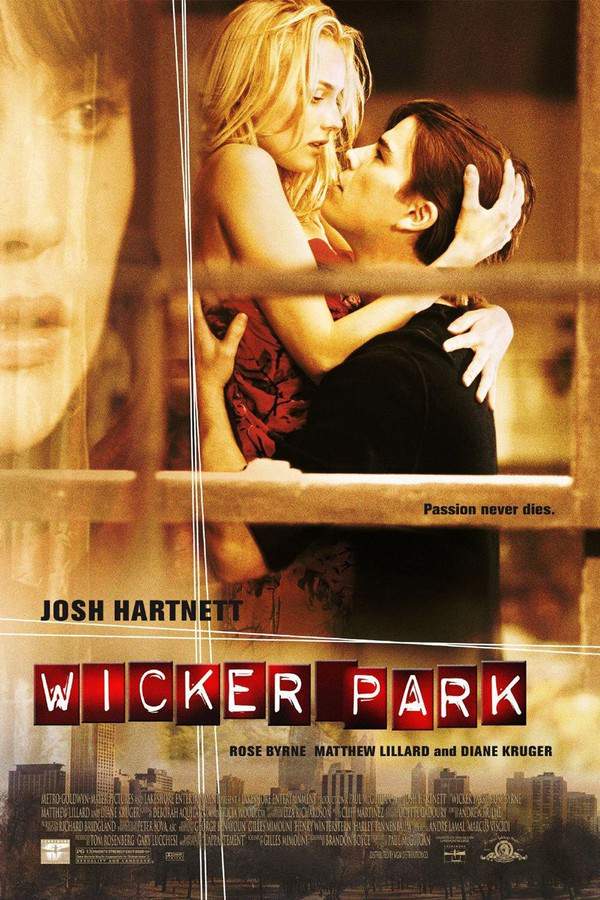
Wicker Park
2004

Goodbye World
2014
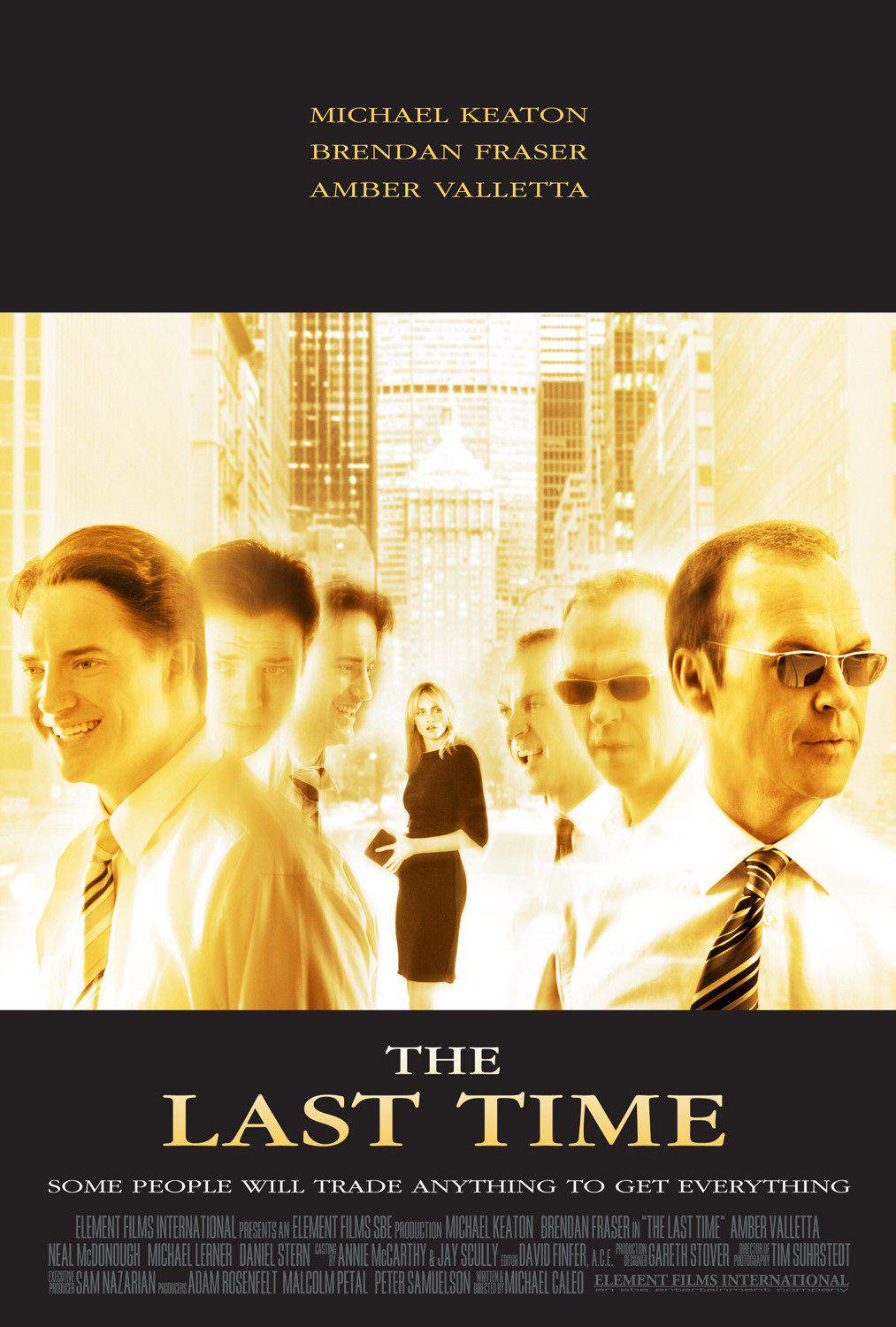
The Last Time
2007
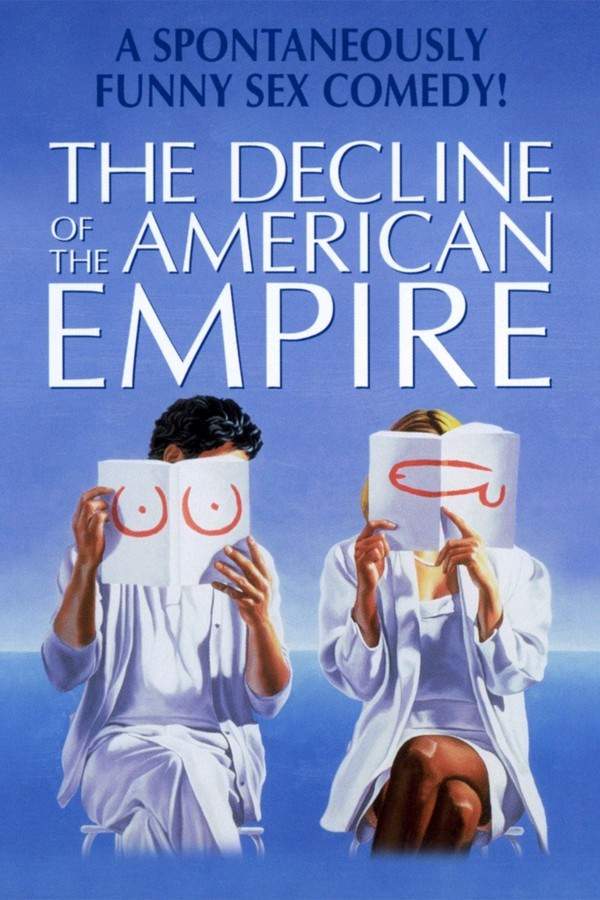
The Decline of the American Empire
1986

Black Box
2013

Strangers in the Night
2012

Drishtikone
2018

Show
2002

Breaking News
2004

East Side, West Side
1949

In the Electric Mist
2009

No Down Payment
1957
Hulla
2008
Narrative Summary
The journey centers on a protagonist, typically a professional, whose life in the city is already precarious. A specific trigger—often related to their living situation or work—exposes their underlying stress, leading to a gradual disintegration of their mental well-being and personal connections, resulting in an ambiguous or bittersweet outcome.
Why These Movies?
They are united by a shared mood of urban melancholy and anxiety, a moderate intensity focused on internal struggle, and a thematic exploration of how modern life can erode an individual's psyche. The pacing is often steady, mirroring the slow accumulation of pressure.
Unlock the Full Story of Hulla
Don't stop at just watching - explore Hulla in full detail. From the complete plot summary and scene-by-scene timeline to character breakdowns, thematic analysis, and a deep dive into the ending - every page helps you truly understand what Hulla is all about. Plus, discover what's next after the movie.
Hulla Timeline
Track the full timeline of Hulla with every major event arranged chronologically. Perfect for decoding non-linear storytelling, flashbacks, or parallel narratives with a clear scene-by-scene breakdown.

Characters, Settings & Themes in Hulla
Discover the characters, locations, and core themes that shape Hulla. Get insights into symbolic elements, setting significance, and deeper narrative meaning - ideal for thematic analysis and movie breakdowns.


Similar Movies to Hulla
Discover movies like Hulla that share similar genres, themes, and storytelling elements. Whether you’re drawn to the atmosphere, character arcs, or plot structure, these curated recommendations will help you explore more films you’ll love.









Explore More About Movie Hulla
Hulla (2008) Scene-by-Scene Movie Timeline
Hulla (2008) Movie Characters, Themes & Settings
Hulla (2008) Spoiler-Free Summary & Key Flow
Movies Like Hulla – Similar Titles You’ll Enjoy
Hukkle (2003) Spoiler-Packed Plot Recap
Office (2015) Spoiler-Packed Plot Recap
Jugglers (1000) Plot Summary & Ending Explained
Hushaaru (2018) Movie Recap & Themes
Hungama (2003) Full Summary & Key Details
Wall Driller (1986) Ending Explained & Film Insights
The Social Secretary (1916) Full Movie Breakdown
The Voiceless (2020) Ending Explained & Film Insights
A Boring Film (2020) Complete Plot Breakdown
Hula (1927) Story Summary & Characters
The Whistling Cobblestone (1971) Movie Recap & Themes
Night of the Hunchback (1965) Full Summary & Key Details
Hullabaloo (1940) Complete Plot Breakdown
Hula-La-La (1951) Full Summary & Key Details
Calling All Husbands (1940) Full Summary & Key Details