
House of Dust
Year: 2013
Runtime: 90 mins
Language: English
Director: A.D. Calvo
While exploring an abandoned insane asylum, a group of college students inadvertently release the cremains of former patients when they shatter canisters. As the dusty ash fills the air, the students find themselves possessed by the spirits of those who once resided within the asylum’s walls. One student is haunted by the presence of a convicted serial killer from 1950, forcing them to confront a dark and terrifying past.
Warning: spoilers below!
Haven’t seen House of Dust yet? This summary contains major spoilers. Bookmark the page, watch the movie, and come back for the full breakdown. If you're ready, scroll on and relive the story!
Timeline & Setting – House of Dust (2013)
Explore the full timeline and setting of House of Dust (2013). Follow every major event in chronological order and see how the environment shapes the story, characters, and dramatic tension.
Last updated: October 03, 2025 at 06:39
Main Characters – House of Dust (2013)
Meet the key characters of House of Dust (2013), with detailed profiles, motivations, and roles in the plot. Understand their emotional journeys and what they reveal about the film’s deeper themes.
Last updated: October 03, 2025 at 06:39
Major Themes – House of Dust (2013)
Explore the central themes of House of Dust (2013), from psychological, social, and emotional dimensions to philosophical messages. Understand what the film is really saying beneath the surface.
Last updated: October 03, 2025 at 06:39
House of Dust (2013) Character & Theme Questions Answered – Info FAQ
Browse frequently asked questions about House of Dust (2013) focused on characters, relationships, themes, symbols, setting, and story context. This movie info FAQ gives spoiler-aware explanations for character arcs, world details, and thematic interpretation so readers can better understand what the film is really about.
Where is House of Dust set?
The film takes place primarily at Redding House Asylum, a shuttered psychiatric institution known for brutal experiments in 1951. The story also shifts to Camden College, where the college students live in dorms before venturing into the abandoned building. This contrast between the modern campus and the derelict asylum creates a claustrophobic atmosphere where past and present collide.
What time period does House of Dust take place in?
The narrative moves between two eras. The backstory occurs in 1951, when a psychiatrist conducts deadly experiments at Redding House Asylum. The main events happen about fifty years later, around the early 2000s, when college students explore the abandoned building and unleash the spirits. This temporal split allows the film to show how historical crimes continue to haunt the present.
What is the main theme of House of Dust?
The primary theme is haunting, both literal and psychological. The abandoned asylum serves as a vessel for vengeful spirits that possess the living, blurring the line between friend and foe. The film explores how some places never truly forget their past, and how the dead can inhabit the living, forcing characters to confront crimes committed decades earlier.
How does House of Dust handle trauma?
The film deals with institutional trauma from 1951 and its ongoing psychological impact, particularly on Emma, who is a recovering psychiatric patient. The hauntings mirror inner scars, reshaping relationships and trust within the group. Characters experience visions, intrusive memories, and sudden behavioral changes, suggesting that healing is complicated by memories that refuse to stay buried.
What does House of Dust say about medical ethics?
The story critiques unethical psychiatric practices and the dehumanizing power held by medical authority. The 1951 psychiatrist conducts lethal experiments on patients, and his actions lead to murder and cremation. The cremation dust becomes a physical reminder of abuse and its consequences, showing how the pursuit of knowledge can come at a horrific human cost.
Who is Dylan in House of Dust?
Dylan is a Camden College student played by Eddie Hassell who becomes central to the group's exploration of the abandoned asylum. He becomes susceptible to possession by Billy Brown, a convicted serial killer from 1951, which drives his transformation from casually brave to someone fighting to protect his friends while losing grip on reality. His arc represents the dangers of ignoring the past.
Who is Emma in House of Dust?
Emma is a new student at Camden College played by Inbar Lavi who is a recovering psychiatric patient. She experiences haunting visions that prove crucial in uncovering the truth behind the asylum's 1951 experiments. Her empathy and courage anchor the emotional core of the story, driving the group's efforts to understand the possessions and find a way to survive.
Who is Billy Brown in House of Dust?
Billy Brown was a convicted serial killer from 1951 who was murdered and cremated by the psychiatrist at Redding House Asylum. His cremains are released when students shatter canisters in the present day, allowing his spirit to possess Dylan. Billy represents the film's darkest evil, a serial killer whose malevolent presence haunts and controls the living.
Who is Levius Laitura in House of Dust?
Levius Laitura is a sociopathic figure from the asylum's past whose essence persists in the present. He exerts control over Kolt, using his vessel for manipulation and cruelty. Levius embodies the dark side of the institution's history, demonstrating how evil can persist in unexpected forms and escalate the danger facing the student group.
What happens to Kolt in House of Dust?
Kolt, played by Steven Grayhm, is Dylan's roommate who becomes a vessel for the spirit of Levius Laitura. His possession fuels aggression and creates conflict with Emma and the other students. Kolt becomes both a target and a threat, leading to a tense showdown near the crematorium. His arc demonstrates the fragility of autonomy when under supernatural influence.
Who is the psychiatrist in House of Dust?
The psychiatrist, played by Stephen Spinella, is the central villain from 1951 who conducts unethical experiments at Redding House Asylum. He ultimately kills Billy Brown and two other men, cremating them to cover up his crimes. His reckless ambition and abuse of medical power are the root cause of the haunting that echoes decades later, embodying the film's critique of institutional abuse.
Who are the college students in House of Dust?
The main group includes Dylan, his girlfriend Gabby, his roommate Kolt, and fellow students Allyson, Blythe, and Christine. Emma joins as a new student. Several meet violent deaths as the hauntings intensify, with Allyson killed inside the asylum, Blythe murdered during the escalating terror, and Christine killed while outside with her dog. Their fates emphasize that danger extends beyond the ruins.

Explore Movie Threads
Discover curated groups of movies connected by mood, themes, and story style. Browse collections built around emotion, atmosphere, and narrative focus to easily find films that match what you feel like watching right now.
Horror movies about haunted locations like House of Dust
Stories where a location's dark history violently intrudes upon the present. If you liked the terrifying premise of House of Dust, explore more movies where explorers disturb a place with a dark past. These similar horror stories often feature abandoned asylums, haunted houses, or cursed grounds where history violently repeats itself.

Return to House on Haunted Hill
2007

The Haunted Palace
1963
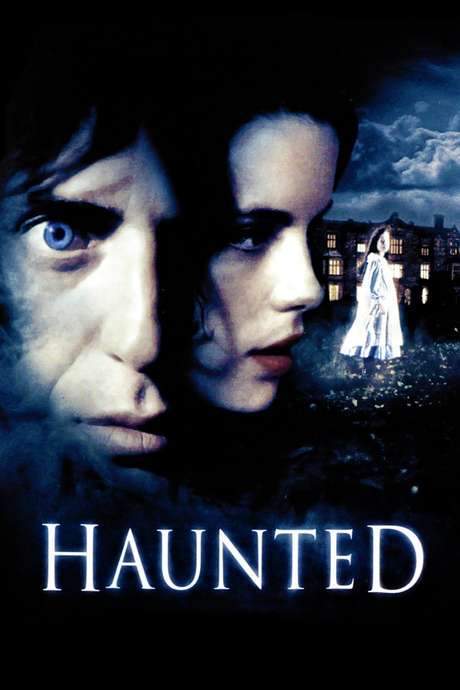
Haunted
1995
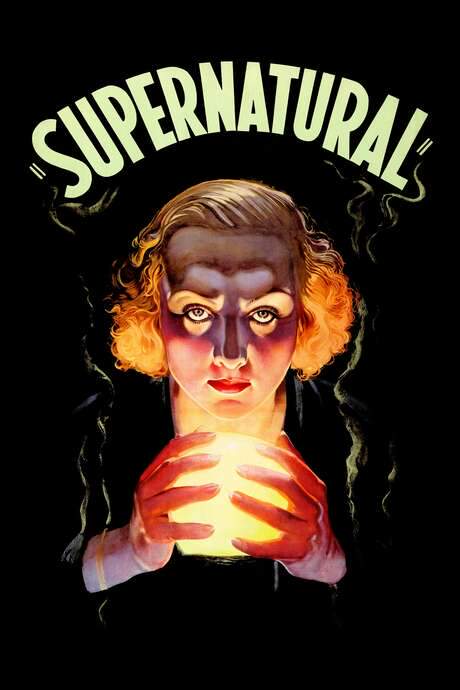
Supernatural
1933

Haunted
1977

The Amityville Curse
1990

The Haunted Palace
1000

Haunted Mansion
1998

Ghost Story
1974

Haunting of Winchester House
2009
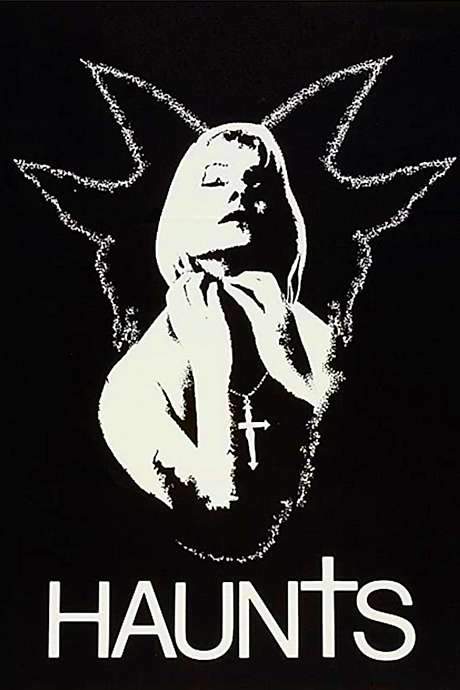
Haunts
1976

Night of Dark Shadows
1971
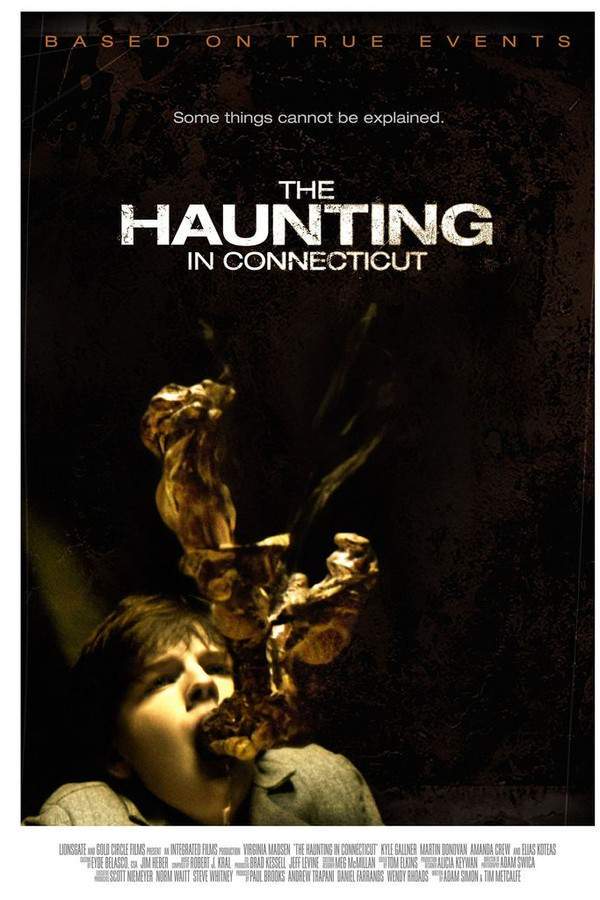
The Haunting
1999
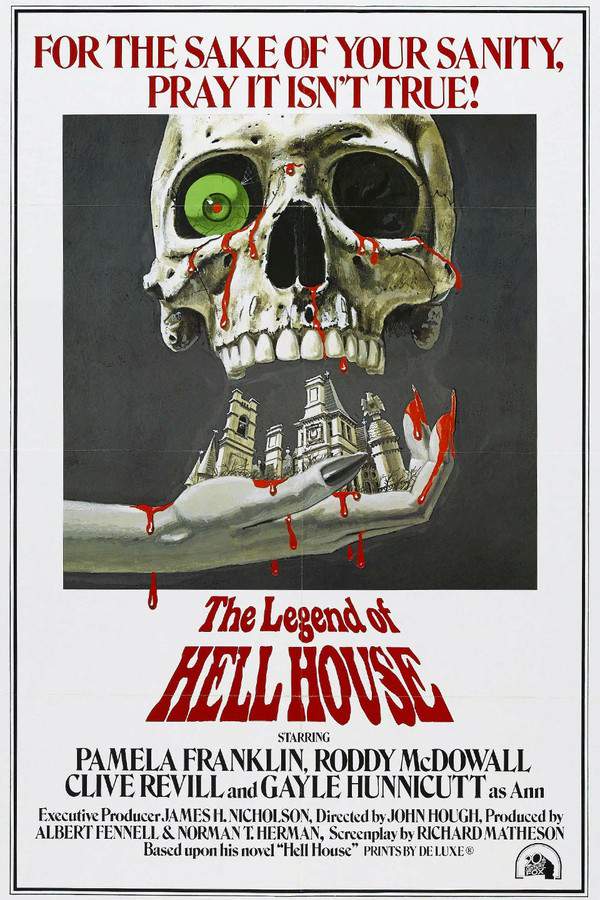
The Legend of Hell House
1973

House on Haunted Hill
1999
Narrative Summary
The narrative typically follows a group or individual who trespasses into a forbidden or abandoned space, unknowingly triggering a supernatural backlash. The story unfolds as the characters are hunted or possessed by entities tied to the location's tragic history, revealing its secrets through their torment.
Why These Movies?
These films are grouped by their core premise: the setting is the antagonist. They share a focus on atmospheric dread, a direct link between past trauma and present horror, and the theme of disturbing a place that should have been left alone.
Psychological possession horror movies like House of Dust
Horror stories where the mind becomes a battleground against a foreign entity. For viewers who enjoyed the psychological torment in House of Dust, this list features similar horror movies about possession and mental invasion. These stories share a heavy emotional weight, an oppressive tone, and focus on the terrifying loss of control.
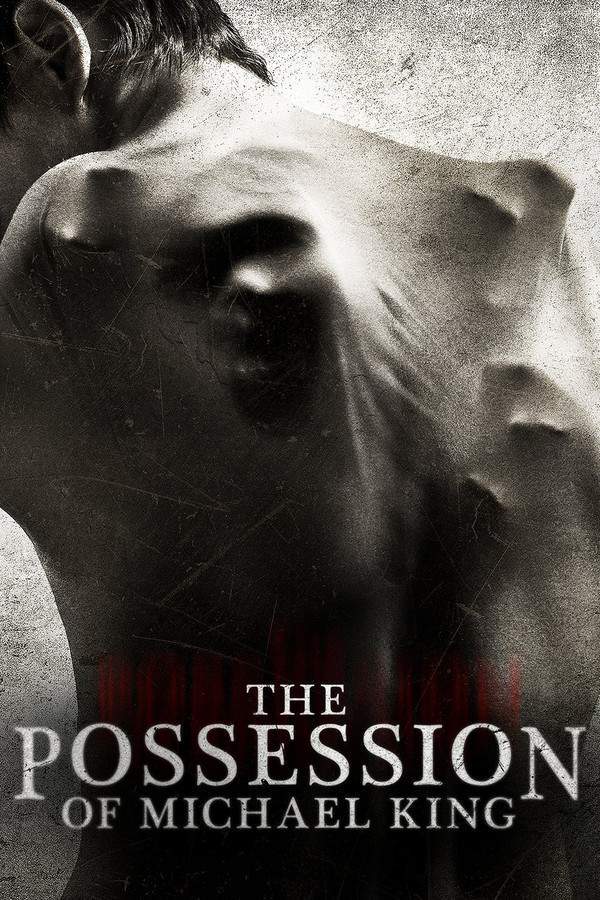
The Possession of Michael King
2014

When Evil Lurks
2023

Darkening Sky
2011
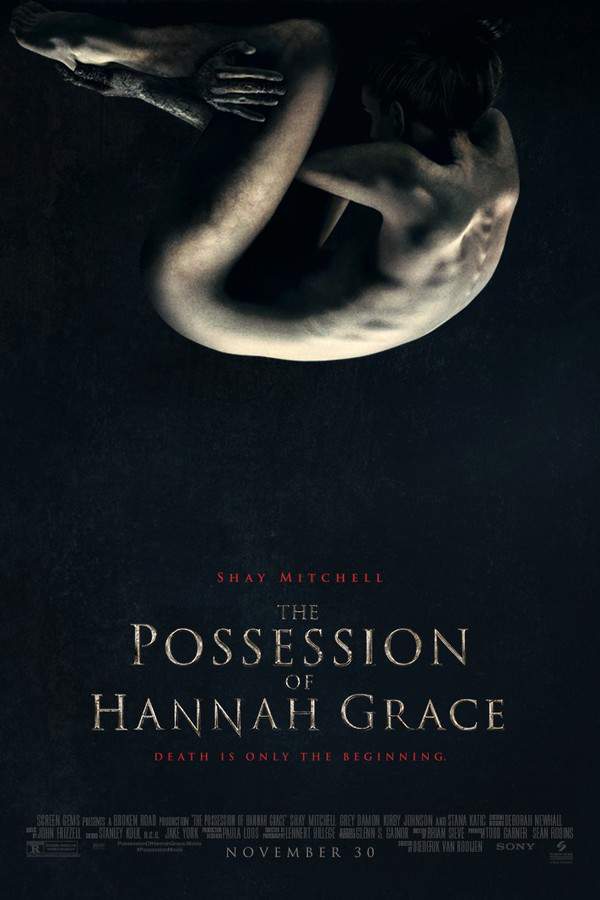
The Possession of Hannah Grace
2018
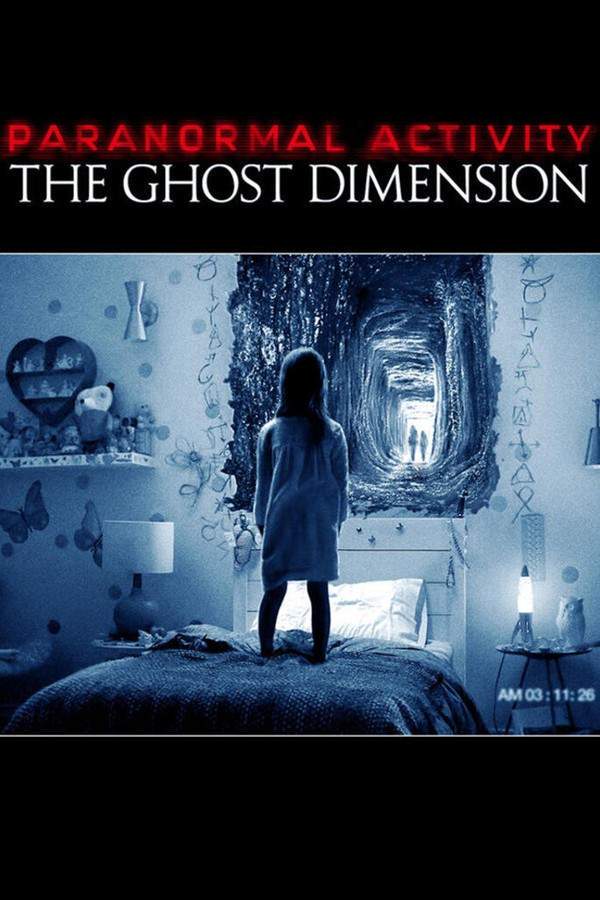
Paranormal Activity: The Ghost Dimension
2015
The Apparition
2012
Demonic
2015
Lost Souls
2000
The Abandoned
2016
The Haunted Palace
1000
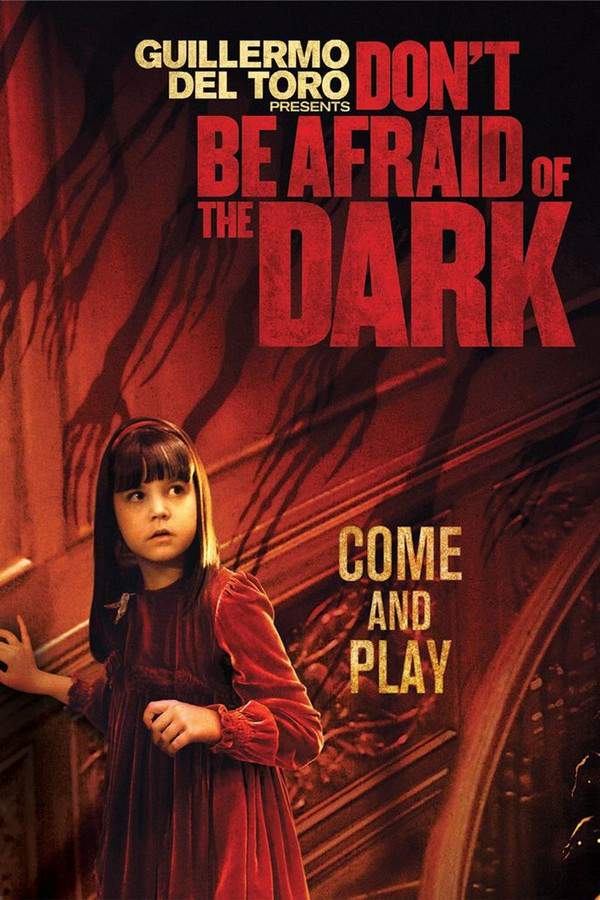
Don't Be Afraid of the Dark
1973

Uninhabited
2010

Back from the Dead
1957

Equinox
1970

The Free Fall
2021
Narrative Summary
The narrative journey revolves around a character's gradual or sudden loss of autonomy to a supernatural presence. The conflict is internal, depicting the struggle between the original personality and the invading entity, often leading to paranoia, violence, and a desperate fight for survival within one's own mind.
Why These Movies?
These movies are connected by their core theme of psychological invasion and the horror of losing one's self. They prioritize internal conflict over external jump scares, creating a deeply unsettling and heavy viewing experience focused on mental disintegration.
Unlock the Full Story of House of Dust
Don't stop at just watching - explore House of Dust in full detail. From the complete plot summary and scene-by-scene timeline to character breakdowns, thematic analysis, and a deep dive into the ending - every page helps you truly understand what House of Dust is all about. Plus, discover what's next after the movie.
House of Dust Summary
Read a complete plot summary of House of Dust, including all key story points, character arcs, and turning points. This in-depth recap is ideal for understanding the narrative structure or reviewing what happened in the movie.

House of Dust Timeline
Track the full timeline of House of Dust with every major event arranged chronologically. Perfect for decoding non-linear storytelling, flashbacks, or parallel narratives with a clear scene-by-scene breakdown.


