Year: 2001
Runtime: 95 mins
Language: Korean
Director: Park Chul-kwan
A fast‑paced Korean action comedy blends humor and danger when a gang of criminals fleeing a brutal gang war takes refuge in a secluded monastery. The resident monks soon grow weary of the intruders’ unruly behavior and devise a series of clever schemes to teach them a lesson.
Warning: spoilers below!
Haven’t seen Hi, Dharma! yet? This summary contains major spoilers. Bookmark the page, watch the movie, and come back for the full breakdown. If you're ready, scroll on and relive the story!
Explore the full timeline and setting of Hi, Dharma! (2001). Follow every major event in chronological order and see how the environment shapes the story, characters, and dramatic tension.
Last updated: February 20, 2026 at 18:39
Meet the key characters of Hi, Dharma! (2001), with detailed profiles, motivations, and roles in the plot. Understand their emotional journeys and what they reveal about the film’s deeper themes.
Last updated: February 20, 2026 at 18:39
Explore the central themes of Hi, Dharma! (2001), from psychological, social, and emotional dimensions to philosophical messages. Understand what the film is really saying beneath the surface.
Last updated: February 20, 2026 at 18:39
Browse frequently asked questions about Hi, Dharma! (2001) focused on characters, relationships, themes, symbols, setting, and story context. This movie info FAQ gives spoiler-aware explanations for character arcs, world details, and thematic interpretation so readers can better understand what the film is really about.
The story takes place in a secluded Buddhist monastery high in the mountains. This isolated, austere setting creates a stark contrast with the gangsters' violent world, emphasizing discipline and contemplation.
The mountain monastery serves as a sanctuary where the gangsters must follow strict rules and rituals. This setting forces them to confront a world of peace and restraint, directly challenging their violent lifestyle and creating the central conflict between force and mercy.
The movie explores whether violence or restraint should prevail when gangsters take refuge in a sanctuary. The monks require the intruders to follow their rules and face tests, ultimately showing how mercy and patience can transform those accustomed to force.
The gangsters' stay becomes a path toward redemption rather than just an escape. Through participating in the monks' contests and showing gratitude, the criminals have an opportunity to transform from self-serving outlaws into contributors to the community.
Betrayal emerges through a snitch within the gangsters' group, and the boss discovers who betrayed them but still contacts the informant. The monks' calm authority contrasts with the gangsters' suspicion, testing whether trust can exist outside the monastery's walls.
Bul-kom is the leader of the five gangsters, portrayed by Park Sang-myeon. He is tough, calculating, and focused on survival. While he navigates the monastery's demands with pragmatic ruthlessness, he also shows moments hinting at deeper loyalty beyond self-preservation.
Master, played by Kim In-mun, is the eldest monk who leads the monastery with calm authority and upholds its traditions. His death during the funeral marks a turning point and underscores the cost of violence on the sanctuary.
Monk Myung-chun (Ryu Seung-su) is a seasoned monk whose discipline anchors the monastery; he is wary of outsiders and pushes for order. Monk Dae-bong (Lee Moon-sik) represents the younger faction and resists the intruders, trying to persuade them to leave.
The gangsters take refuge in the monastery to escape a gang war, but the monks demand they follow strict rules. The monks devise clever schemes to teach the intruders discipline, creating a tense dynamic where violence must be suppressed within a sanctuary dedicated to peace.
The eldest monk Master dies during his funeral, which serves as a solemn reminder of the costs of violence entering the sanctuary. His death marks a turning point for both the gangsters and the monks, influencing the resolution of their conflict.
This is a Korean action comedy with a fast-paced, light tone. While it involves gang violence, the primary focus is on comedic interactions and humor. The movie ultimately has a happy ending, with the monks successfully teaching the criminals a lesson and suggesting redemption.
Discover curated groups of movies connected by mood, themes, and story style. Browse collections built around emotion, atmosphere, and narrative focus to easily find films that match what you feel like watching right now.
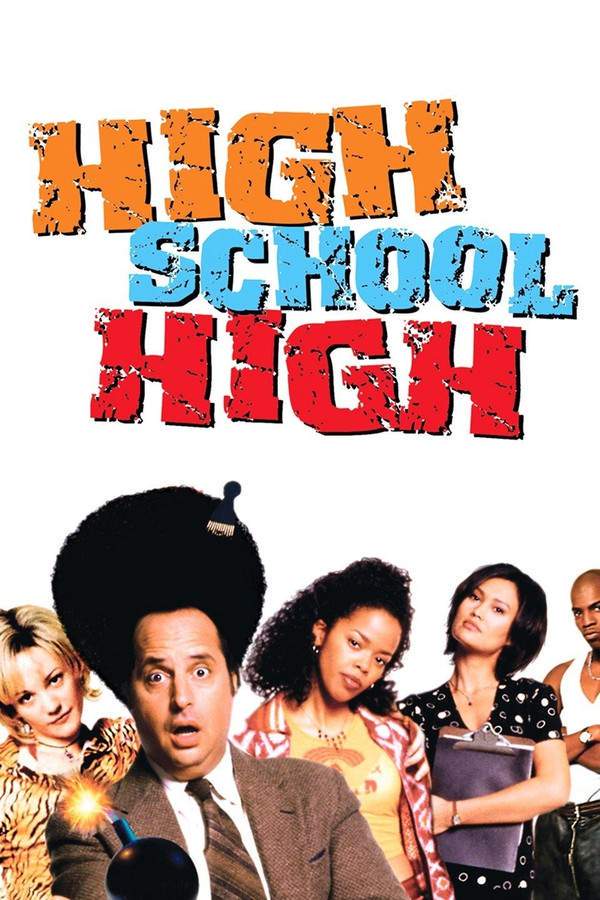
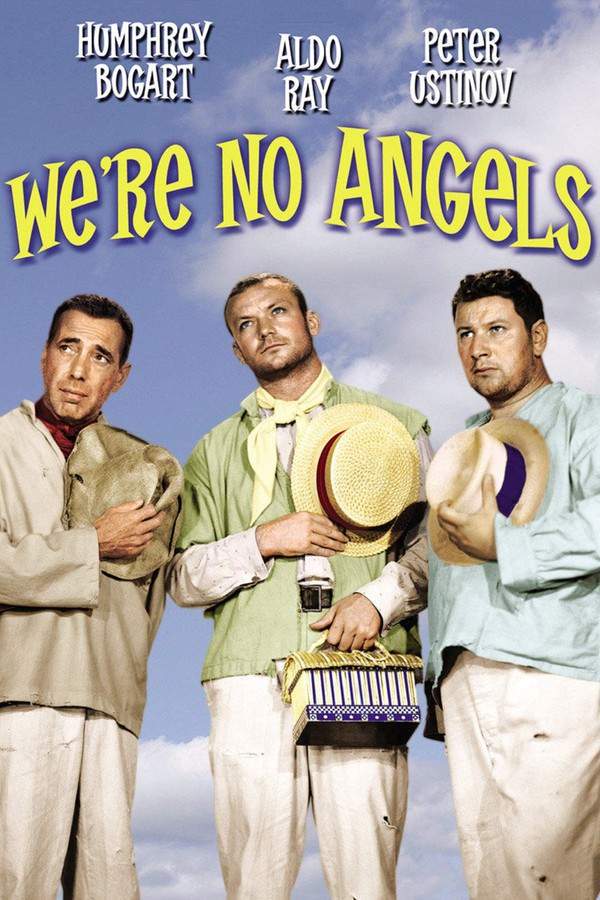
Hilarious chaos erupts when opposing worlds collide and schemes unfold.If you enjoyed the chaotic humor of Hi, Dharma!, you'll love these movies where mismatched groups collide. Find similar comedies about playful schemes, irreverent characters, and the hilarious lessons learned from unexpected clashes of culture and personality.
Stories in this thread typically begin with a forced cohabitation between opposing groups, such as criminals and monks or city slickers and rural folk. The plot is driven by a series of escalating, clever schemes designed to teach a lesson or gain the upper hand, resulting in chaotic yet good-natured fun that often leads to mutual understanding.
These movies are grouped together because they share a core comedic engine: the friction between clashing lifestyles and the playful, often defiant, schemes that arise from this conflict. The focus is on lighthearted chaos and the uplifting resolution of differences.
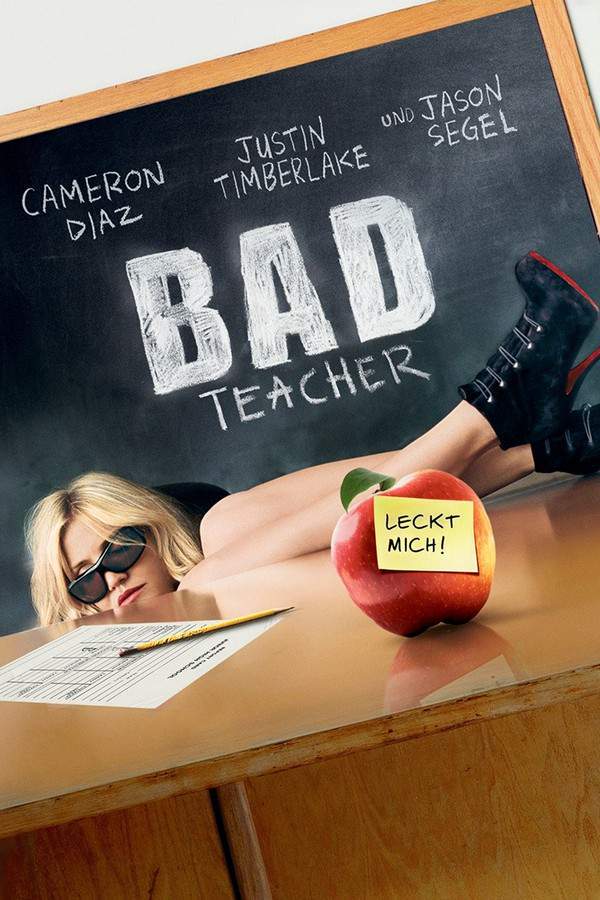
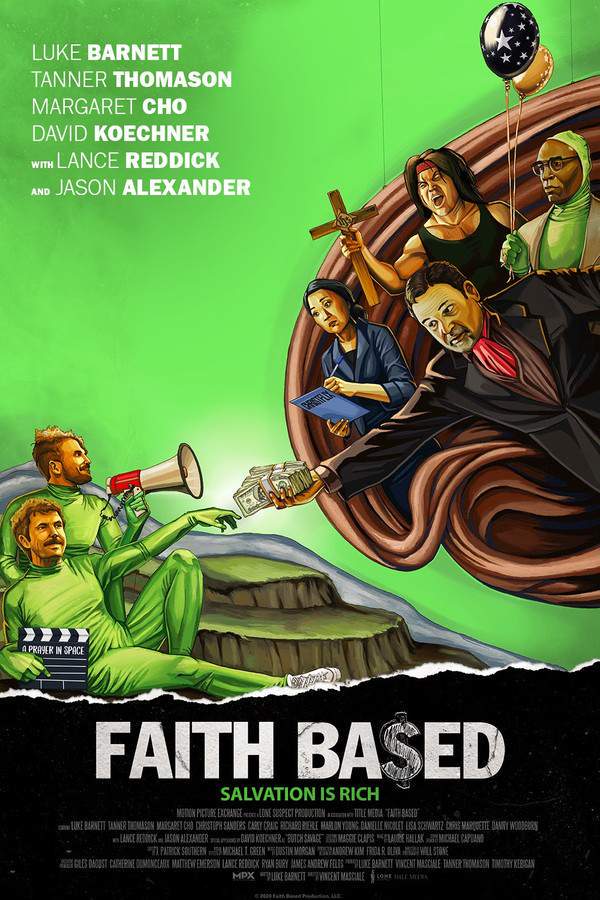
Hardened characters find unexpected paths to change through gentle guidance.Fans of Hi, Dharma! will enjoy these stories of redemption where rough-around-the-edges characters find themselves learning valuable life lessons from the most unexpected teachers. Discover similar movies about personal growth, moral awakening, and the humorous path to becoming a better person.
The narrative follows a flawed protagonist or group who, often by accident, ends up in a setting that contrasts sharply with their own nature (e.g., a monastery, a small town). The residents, through patience and unconventional methods, challenge the newcomers' worldview, leading to a journey of self-reflection and positive change, culminating in a happy, uplifting conclusion.
These films are linked by the central theme of transformative redemption facilitated by an unlikely mentor or community. The tone balances lighthearted humor with genuine heart, focusing on the positive growth of characters who start out defiant or lost.
Don't stop at just watching - explore Hi, Dharma! in full detail. From the complete plot summary and scene-by-scene timeline to character breakdowns, thematic analysis, and a deep dive into the ending - every page helps you truly understand what Hi, Dharma! is all about. Plus, discover what's next after the movie.
Read a complete plot summary of Hi, Dharma!, including all key story points, character arcs, and turning points. This in-depth recap is ideal for understanding the narrative structure or reviewing what happened in the movie.
Track the full timeline of Hi, Dharma! with every major event arranged chronologically. Perfect for decoding non-linear storytelling, flashbacks, or parallel narratives with a clear scene-by-scene breakdown.