Plot Explained Spoilers guaranteed!
Plot Explained

Browse by genre

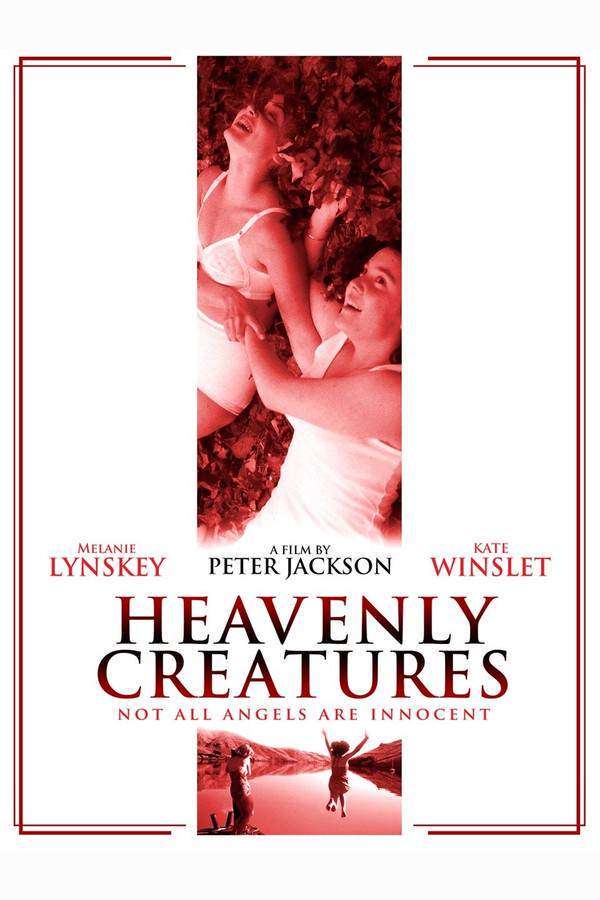
Heavenly Creatures (1994) movie poster

Timeline

Heavenly Creatures (1994) Timeline Explained – Every Event in Order

Release, runtime and language
1994 · 99 min · English
Loading streaming availability…
Directed by
Peter Jackson
Starring
Kate Winslet, Clive Merrison, Diana Kent, Geoffrey Heath, Gilbert Goldie, Jed Brophy
Budget
$5M

In this gripping drama set in Christchurch, New Zealand, fifteen-year-old Juliet's life is upended by an intense connection with fellow outsider Pauline. Bound by shared passions and fantasies centered around Hollywood star Mario Lanza, the girls create an elaborate inner world as a means of escaping the pressures of their families. Their bond deepens into an all-consuming relationship, ultimately leading them to plot a daring escape to America, fueled by a dark determination to be together.

On this page (6)
  1. 1 Where to watch
  2. 2 Events in order (14)
  3. 3 Timeline questions answered
  4. 4 Movie threads
  5. 5 Movies like Heavenly Creatures
  6. 6 Every angle
Loading streaming availability…

14 events in order · contains spoilers

Heavenly Creatures Timeline: Events in Chronological Order

Every key event of Heavenly Creatures (1994) in order, scene by scene, with when and where it takes place. Use it to untangle flashbacks, time jumps and parallel storylines, to refresh your memory before the sequel or to find the exact scene you are thinking of.

  1. Juliet Transfers to New School

    In 1952, Juliet Hulme, a well-off 13-year-old English girl, starts at a new school in Christchurch. Here, she quickly forms a pivotal bond with Pauline Parker, a 14-year-old girl from a working-class background, setting the stage for a deep friendship.

    When
    1952
    Where
    Christchurch
  2. Formation of a Close Friendship

    As their friendship develops, both girls share their traumatic experiences from childhood illnesses and lengthy hospital stays. Juliet’s beauty and confidence enchant Pauline, creating an escape from Pauline's turbulent home life.

  3. Creative Pursuits Begin

    Together, Juliet and Pauline indulge in creative activities like painting and crafting figurines. They build an imaginary kingdom called Borovnia, inspiring novels and film adaptations, blending their imaginative world with their aspirations.

  4. Introduction of the Fourth World

    Juliet introduces Pauline to the concept of the Fourth World, an idyllic place where art and music flourish, devoid of Christianity. This notion captures their imaginations and becomes a shared sanctuary for both girls.

  5. Day Trip to Port Levy

    During a day trip to Port Levy, Juliet is distressed upon hearing her parents' plans to travel without her. Overwhelmed by the prospect of isolation, she experiences the Fourth World for the first time, which reinforces her bond with Pauline.

    Where
    Port Levy
  6. Juliet Contracts Tuberculosis

    Tragedy strikes when Juliet contracts tuberculosis and is sent to a clinic for treatment. Despite their physical separation, Juliet and Pauline maintain their friendship through letters, adopting royal personas from Borovnia.

  7. Jealousy Arises

    During their letter exchanges, Pauline becomes romantically involved with a lodger, igniting feelings of jealousy in Juliet. The innocence of their fantasy begins to darken as they both grapple with emotions and oppression.

  8. Escalating Tensions

    As Juliet's father grows concerned about the intensity of their friendship, the girls become increasingly isolated. They concoct escape plans, viewing Pauline's mother as the main obstacle to their enduring bond.

  9. Planning the Unthinkable

    Desperation mounts as Juliet faces family turmoil, leading the girls to discuss extreme measures. Their fantasies briefly turn dark, fixating on the idea of murder to remove what they see as barriers to their friendship.

  10. Final Weeks at Juliet's House

    In the last weeks of their friendship, the girls spend time together at Juliet’s home, growing increasingly unified in their plans. They prepare for an outing organized by Honora, Juliet's mother, marking a moment of critical decision.

    Where
    Juliet's House
  11. The Attack at Victoria Park

    During a family outing at Victoria Park, the moment climaxes when they enact their dark plan. As Honora bends down to pick up a dropped charm, Juliet and Pauline strike her down with a brick concealed in a stocking.

    Where
    Victoria Park
  12. Aftermath of the Attack

    In the immediate aftermath of the shocking attack on Honora, both girls are apprehended and face severe legal consequences. The events unfold rapidly as the impact of their actions sets in, shattering their innocent bond.

  13. Sentenced to Prison

    Both girls are sentenced to five years in prison after their trial. Having narrowly avoided the death penalty due to their young age, they find themselves amidst the reality of their situation, forever altered.

  14. Release from Prison

    The girls are released from prison in 1959, with a stipulation that they must never see each other again. The chilling conclusion of their story serves as a haunting reminder of the consequences of their overwhelming passion.

    When
    1959

Last updated: November 16, 2024 at 17:51

Was this helpful?

Timeline questions answered

Heavenly Creatures Timeline Explained: Your Questions Answered

When does it happen, and why in that order? The questions people ask about the chronology of Heavenly Creatures (1994): time jumps, flashbacks, cause and effect between scenes and the correct order of events, each answered with spoilers.

Q1

Why did Juliet and Pauline kill Honora Parker?

They viewed Honora as the main obstacle preventing them from being together. As Juliet's family prepared to move and divorce, the girls feared permanent separation. Convinced that killing Pauline's mother would remove this barrier, they believed they could escape to America and live together in their fantasy world forever.

Foreshadowing: Earlier, the girls had begun viewing real-world obstacles as enemies to be eliminated, discussing murder as a solution to their problems.

  • honora parker death
  • murder motivation
  • why they killed
Q2

What was the Fourth World that Juliet experienced?

The Fourth World was Juliet's concept of a paradise without Christianity where art and music reigned supreme. She believed she would ascend there after death. At Port Levy, overwhelmed by fear of abandonment, she first experienced this vision, sharing it with Pauline and making it a central shared delusion.

Foreshadowing: Juliet had introduced Pauline to this concept earlier, presenting it as a destination where they could escape the oppression of the real world.

  • fourth world
  • beyond the gate
  • fantasy world meaning
Q3

How did Juliet and Pauline's friendship become so extreme?

Their bond intensified through shared trauma from childhood illnesses and hospital stays. Juliet's beauty and confidence enchanted lonely Pauline, while Juliet found acceptance she lacked at home. They created an elaborate fantasy kingdom called Borovnia that became more real than their actual lives, gradually blurring reality with imagination until violence seemed justified.

Foreshadowing: Their creative fantasy world started as innocent escapism but progressively consumed their identity and judgment.

  • friendship obsession
  • relationship intensity
  • why so close
Q4

Why did Juliet and Pauline want to escape to America?

They dreamed of reaching Hollywood to publish their Borovnia novels and become famous filmmakers. America represented freedom from their oppressive family situations, Pauline's constant conflict with her mother and Juliet's impending family breakdown. They believed Hollywood would allow them to live together permanently in their fantasy world.

Foreshadowing: From their earliest days bonding, they discussed Borovnia as a story they would publish in Hollywood.

  • escape plan
  • hollywood dreams
  • why america
Q5

What triggered the girls to plan murder?

Multiple factors converged: Juliet's father expressed concern about their friendship, her parents were divorcing, and the family planned to move away, threatening permanent separation. These real-world crises made the girls desperate. They had already been fantasizing about violence as a solution to oppression, and they saw killing Honora as the only way to preserve their bond.

Foreshadowing: Their earlier violent fantasies in letters during Juliet's tuberculosis treatment showed this darker turn was already developing.

  • murder planning
  • desperation
  • what led to it
Q6

How did Juliet's tuberculosis affect their relationship?

When Juliet was sent to a tuberculosis clinic, physical separation intensified their emotional dependence. They maintained contact through letters where they assumed royal Borovnia personas. Crucially, during this period Pauline became involved with a lodger, triggering Juliet's jealousy and darkening their once innocent fantasy with possessiveness and rage.

Foreshadowing: This period marked the shift from whimsical escapism to jealous obsession and violent imaginings.

  • tuberculosis
  • hospital
  • separation effect
Q7

What was Borovnia in the movie?

Borovnia was an imaginary kingdom the girls created together, inspiring adventure novels they planned to publish. It represented their shared escape from difficult realities, Juliet's intellectual but emotionally distant family and Pauline's chaotic home life. The kingdom became a private world where they held royal status, eventually absorbing their identity and judgment.

Foreshadowing: Their fantasies gradually twisted from hopeful world-building to violent plotting within this shared imaginary realm.

  • borovnia kingdom
  • imaginary world
  • fantasy kingdom
Q8

Why were Juliet and Pauline sentenced to only five years in prison?

Because they were minors at the time of the murder, they narrowly escaped the death penalty, which was the mandatory sentence for murder in 1950s New Zealand. The judge showed leniency given their age, sentencing them to five years imprisonment each.

Foreshadowing: Their youth was established early as a factor that would protect them from the harshest consequences.

  • prison sentence
  • why five years
  • legal consequences
Q9

Why were Juliet and Pauline never allowed to see each other again?

As a condition of their 1959 release, the court mandated they must never contact or meet each other. This was meant to prevent them from rekindling their dangerous dynamic. Despite this, some reports suggest they maintained secret contact later in life, though the full truth remains disputed.

Foreshadowing: Their obsessive attachment had been recognized as the core psychological issue driving their crime.

  • release 1959
  • never see each other
  • separation condition
Q10

What did Honora Parker do to become a target?

From Pauline's perspective, Honora was constantly antagonistic, criticizing her, restricting her activities, and creating perpetual conflict at home. The girls came to view her as the embodiment of all oppressive adult authority blocking their escape. She became the specific target because she was the most immediate barrier to Pauline's freedom and their plans to leave New Zealand.

Foreshadowing: Pauline's turbulent relationship with her mother was established from the first scenes of the film.

  • honora parker
  • why her
  • mother conflict
Q11

How did the girls plan the murder at Victoria Park?

They deliberately dropped a pink charm near a bench, waiting for Honora to bend down and retrieve it. As she reached for the charm, Juliet struck her with a brick hidden in a stocking while Pauline held her. They had chosen a secluded spot and timed it carefully during their family outing.

Foreshadowing: The plan had been discussed for weeks, and they prepared the weapon in advance.

  • victoria park
  • brick murder
  • how they did it

Movie threads

More Movies Like Heavenly Creatures, by Mood & Story

Curated lists built around what makes Heavenly Creatures tick: the same mood, the same kind of story or the same emotional payoff. Each list explains why these movies belong together.

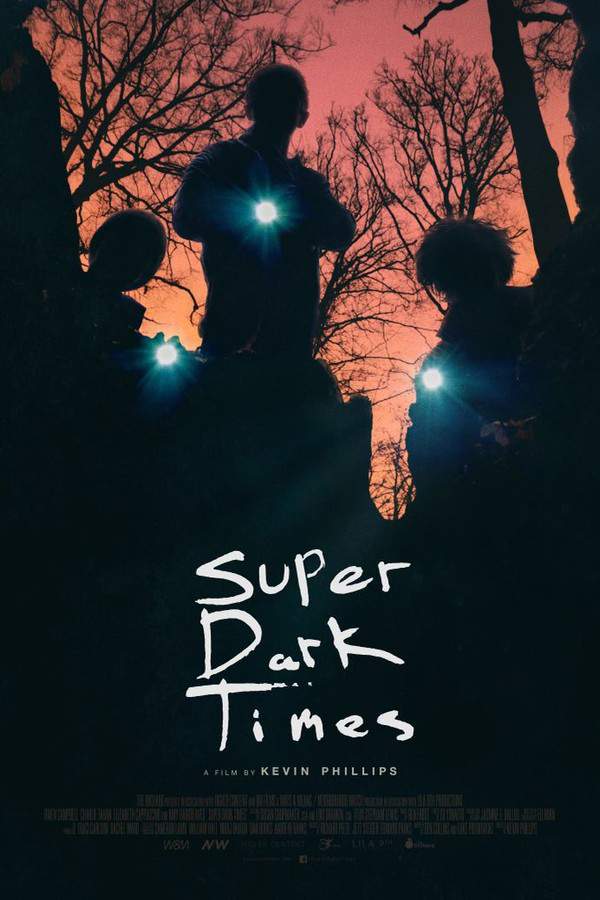
Movies about obsessive friendships like Heavenly Creatures

Intense bonds between outsiders spiral into shared delusion and tragedy. If you were captivated by the intense, destructive bond in Heavenly Creatures, discover more movies like it. This collection features stories of all-consuming friendships that spiral into darkness, exploring themes of shared fantasy, psychological pressure, and tragic outcomes.

  • obsessive
  • claustrophobic
  • intense
  • unsettling
  • tragic
  • psychological
  • Tone: dark, unsettling, tragic
  • Pacing: steady, building tension
Why these movies?

The story pattern: These narratives typically follow an arc where an intense, symbiotic relationship forms between two outsiders. Their bond, initially a source of comfort and escape, becomes increasingly claustrophobic and detached from reality. The conflict arises when the outside world threatens their shared fantasy, pushing them towards desperate and often violent acts to preserve their union.

Why they belong together: These films are grouped together because they capture the specific, unsettling vibe of a friendship that transforms into a dangerous obsession. They share a dark tone, heavy emotional weight, and a focus on the psychological unraveling of characters bound by a shared delusion.
Movies where fantasy clashes with reality like Heavenly Creatures

Elaborate inner worlds shatter under the weight of inescapable truth. For viewers who appreciated the rich fantasy world of Borovnia in Heavenly Creatures, this list curates similar movies where elaborate escapism violently collides with harsh reality. Explore stories of psychological unraveling and the tragic cost of living in a dream.

  • dreamlike
  • psychological
  • unsettling
  • tense
  • tragic
  • escapism
  • Tone: dreamlike, dark, tense
  • Pacing: steady, methodical build
Why these movies?

The story pattern: The narrative pattern involves characters, often feeling like outsiders, who retreat into a shared or personal fantasy realm. This world is vividly realized, providing solace and power. The story's tension builds from the increasing pressure of reality, culminating in a climax where the fantasy can no longer be sustained, resulting in psychological breakdown or violent action.

Why they belong together: These films share a core thematic and structural element: the creation and subsequent destruction of a fantasy escape. They are united by a dreamlike mood that gradually shifts into something dark and tense, a steady pacing that builds psychological unease, and often a bleak ending where the escape fails catastrophically.

If you liked this

Movies Like Heavenly Creatures

Similar movies to Heavenly Creatures: the same genre, themes or kind of story. Each one comes with its own plot summary, timeline and ending explained.

Browse all movie summaries

Every angle

Heavenly Creatures (1994) Explained: Plot, Timeline & Characters

Everything about Heavenly Creatures in one place: what happens in the plot summary, the timeline in chronological order, the characters and meaning and a spoiler-free summary. What's After the Movie adds the cast, box office and post-credit scenes.

Coming soon on iOS and Android

The Plot Explained Movie Summary App

Plot summaries, endings explained and timelines on your phone. Catch up on any movie in minutes, save your favorites and never miss a twist again.

Be the first to know when we launch. Your email stays private, always.

Learn more about the app