





Plot Explained Spoilers guaranteed!
Plot Explained

Browse by genre

He Ran All the Way (1951) movie poster

Timeline

He Ran All the Way (1951) Timeline Explained – Every Event in Order

Release, runtime and language
1951 · 77 mins · English
Directed by
John Berry
Starring
Norman Lloyd, John Garfield, Shelley Winters, Gladys George, Wallace Ford, John Morgan

DYNAMITE hits the screen with their kind of love! A crook on the run hides out in an innocent girl’s apartment.

On this page (6)
  1. 1 Where to watch
  2. 2 Events in order (13)
  3. 3 Timeline questions answered
  4. 4 Movie threads
  5. 5 Movies like He Ran All the Way
  6. 6 Every angle

Where to watch

Where to Watch He Ran All the Way (1951)

Where can you watch He Ran All the Way? Stream, rent or buy it in the US, including on ScreenPix Amazon Channel , Fawesome and Tubi TV: current JustWatch availability with up-to-date prices.

Streaming availability powered by JustWatch

13 events in order · contains spoilers

He Ran All the Way Timeline: Events in Chronological Order

Every key event of He Ran All the Way (1951) in order, scene by scene, with when and where it takes place. Use it to untangle flashbacks, time jumps and parallel storylines, to refresh your memory before the sequel or to find the exact scene you are thinking of.

  1. Botched robbery and escape

    Nick Robey botches a robbery, shooting and killing a policeman and leaving his partner Al severely wounded. He escapes with over $10,000 and, deliberately losing himself in the crowd, makes his way toward a local swimming pool.

    When
    immediately after the robbery
    Where
    City streets and local swimming pool area
  2. Nick meets Peg at the pool

    At the pool, Nick meets bakery worker Peg Dobbs and accompanies her back to her family's apartment. The chance encounter pulls him into Peg's world, far from the crime he left behind.

    When
    that same day
    Where
    Local swimming pool; Peg's family's apartment
  3. Hostage situation begins

    Peg's mother, father and young brother leave to see a movie, leaving Peg and Nick briefly alone. When they return, Nick takes the family hostage to secure his escape and gain leverage.

    When
    that evening
    Where
    Peg's family's apartment
  4. Manhunt and paranoia

    Outside, a manhunt for Nick unfolds as the police close in and neighbors react with fear. Nick grows increasingly paranoid about every sound and quiet street.

    When
    that night
    Where
    Outside the apartment; neighborhood
  5. Peg's fear grows

    Peg's initial attraction to Nick is replaced by fear as the danger escalates. Her parents plead with him to leave and not contact the police, but Nick refuses to relinquish control.

    When
    that night
    Where
    Peg's apartment
  6. Mr. Dobbs is allowed to leave

    Nick permits Mr. Dobbs to leave for work and warns that contacting the police will have consequences. The threat underscores Nick's grip on the family and the risk of exposure.

    When
    that night
    Where
    Outside the apartment
  7. Peg seeks money and a car plan

    Peg continues to go to work while Nick's hold tightens. She phones Nick's mother to request a meeting to give money, and Nick secretly provides $1,500 to buy a new car for Peg.

    When
    later that day
    Where
    Peg's home; Nick's home
  8. Confrontation with Mr. Dobbs

    The next day, Nick has a confrontation with Mr. Dobbs but lets him leave when Peg returns. The tension remains high as the family tries to cope with the siege.

    When
    the next day
    Where
    Outside the apartment
  9. Car plan challenged

    Dobbs insists Peg will not buy the car, and Nick refuses to believe Peg's assertion that the car will be delivered after the dealer repairs the headlights. His doubt deepens the rift between them.

    When
    the next day
    Where
    Outside the apartment
  10. Police move to intervene

    Meanwhile, Mr. Dobbs and Mrs. Dobbs decide to go to the police, seeking to end the hostage crisis and protect their son. The family’s plan escalates the danger for Nick.

    When
    the next day
    Where
    Outside the apartment; street
  11. Nick senses danger and the stair encounter

    Nick notices the neighborhood has turned quiet and fears police outside. He violently drags Peg down the stairs toward the exit, heightening the peril for everyone in the building.

    When
    the night
    Where
    Building stairs and exterior
  12. Peg shoots Nick

    At the doorway, Mr. Dobbs shoots at Nick; Nick's gun drops. Nick orders Peg to hand him the gun, but she shoots him instead, mortally wounding him.

    When
    the night
    Where
    Outside the apartment entrance
  13. Nick dies as police arrive

    Nick crawls to the curb as his new car arrives, and the police arrive shortly after, ending the siege. The confrontation resolves with Nick's death and the outcome of the hostage crisis.

    When
    moments after the shooting
    Where
    Curb outside the building; street

Last updated: October 07, 2025 at 08:28

Was this helpful?

Timeline questions answered

He Ran All the Way Timeline Explained: Your Questions Answered

When does it happen, and why in that order? The questions people ask about the chronology of He Ran All the Way (1951): time jumps, flashbacks, cause and effect between scenes and the correct order of events, each answered with spoilers.

Q1

Why does Nick Robey take Peg's family hostage?

Nick takes the Dobbs family hostage after accidentally encountering them at their apartment. Having just killed a policeman during a botched robbery and fleeing with $10,000, he needs leverage to escape the police manhunt. When the family returns home unexpectedly, he seizes the opportunity to control their movements and ensure they won't alert authorities. His primary goal is using the family as human shields and bargaining chips to buy time for his escape plan.

Foreshadowing: Nick's violent tendencies were already evident when he shot the policeman without hesitation during the robbery.

  • hostage
  • robbery
  • escape
  • leverage
  • police manhunt
Q2

Why does Peg Dobbs stay with Nick despite the danger?

Peg is initially attracted to Nick when they meet at the swimming pool, drawn to his dangerous charisma. When the hostage situation begins, she stays partly out of fear but also because she genuinely develops feelings for him. As the situation escalates, her fear grows but she continues returning to the apartment, even agreeing to run away with him. Her complex mix of attraction, fear, and ultimately complicity drives her decisions throughout the film.

Foreshadowing: Peg's initial attraction to Nick is immediate and strong, foreshadowing her later emotional entanglement with him.

  • Peg Dobbs
  • attraction
  • emotional involvement
  • hostage situation
Q3

Why does Peg shoot Nick Robey at the end?

When Mr. Dobbs shoots at Nick during the final confrontation, Nick's gun slips beyond his reach. He orders Peg to pick up the gun and hand it to him, expecting her loyalty. Instead, Peg chooses to shoot him, effectively betraying him and protecting her father. This moment represents her final break from Nick's control, she realizes he will kill or be killed, and she cannot let him harm her father. Her choice marks her complete rejection of Nick and her reclaiming of agency.

Foreshadowing: Earlier, Mr. Dobbs had urged Peg to stay away from Nick, and the family had decided to go to the police, showing her divided loyalties.

  • Peg shoots Nick
  • final confrontation
  • betrayal
  • family loyalty
  • gunshot
Q4

Why does Nick allow Mr. Dobbs to go to work?

Nick permits Mr. Dobbs to leave for work despite holding the family hostage because he believes it serves his escape plan. He thinks that allowing the father to maintain a normal routine won't raise suspicion. Nick also calculates that Mr. Dobbs has too much to lose, his job, his family, his reputation, to risk contacting police. This decision ultimately proves fatal, as Mr. Dobbs uses his freedom to coordinate with police and wait outside the building to ambush Nick.

Foreshadowing: Nick's miscalculation about Mr. Dobbs reflects his growing paranoia and inability to think clearly under pressure.

  • Mr Dobbs
  • work
  • escape plan
  • trust
  • miscalculation
Q5

Why does Nick become increasingly paranoid throughout the film?

Nick's paranoia stems from his guilty conscience and the mounting pressure of the police manhunt. As a murderer who killed a policeman and a desperate fugitive with $10,000, he knows the consequences if caught. Every sound, every quiet street, every shadow triggers his fear that the police are closing in. His paranoia is heightened by his isolation, he has no allies, no escape plan, and is trapped in a stranger's apartment with people who would betray him given the chance. The claustrophobic setting amplifies his psychological unraveling.

Foreshadowing: Nick deliberately melts into the crowd after the robbery, showing his initial composure before paranoia sets in.

  • paranoia
  • psychological breakdown
  • police manhunt
  • guilt
  • fear
Q6

Why does Nick give Peg $1,500 to buy a car?

Nick gives Peg $1,500 to buy a new car as part of his escape plan. He believes that owning a car will help them flee the city and evade the police. The money represents his attempt to secure Peg's loyalty and create a means of escape. He trusts her to complete this transaction, showing a vulnerable side to his character, he genuinely believes they can run away together and start fresh. The car becomes a symbol of his false hope for a future beyond the crime.

Foreshadowing: Nick's plan to use the car for escape shows his persistent belief he can outrun his crimes, despite mounting evidence otherwise.

  • car purchase
  • escape plan
  • bribery
  • loyalty
  • flee city
Q7

What is the significance of the car arriving as Nick dies?

The new car arriving at the exact moment Nick dies is bitterly ironic. Nick had given Peg $1,500 specifically to buy this car for their escape, believing it represented his ticket to freedom. Instead, the car arrives after he has been shot and as he crawls to the curb, symbolizing how his escape plan has completely collapsed. The dramatic timing underscores the film's bleak tone, his hope for a new life arrives precisely when his old life ends.

Foreshadowing: Earlier scenes show Nick obsessively asking about the car delivery, revealing how much he invested in this plan.

  • irony
  • car delivery
  • escape plan
  • death
  • bleak ending
Q8

Why does Mr. Dobbs wait outside to shoot Nick?

Mr. Dobbs waits outside the building with a gun because he and his wife have decided to go to the police. He positions himself to intercept Nick when he tries to flee. When Nick drags Peg down the stairs toward the exit, Mr. Dobbs seizes the moment to fire at the fugitive. His action represents a father protecting his family and taking matters into his own hands rather than waiting for police intervention. The confrontation is direct and violent, ending Nick's threat permanently.

Foreshadowing: The earlier decision by Mr. and Mrs. Dobbs to go to the police sets up this violent confrontation.

  • Mr Dobbs
  • ambush
  • protect family
  • police intervention
  • shooting
Q9

Why does Nick go to the swimming pool after the robbery?

After botching the robbery and shooting a policeman, Nick deliberately melts into the city crowd to avoid detection. He heads to the local swimming pool, where he encounters Peg Dobbs. The pool setting provides cover, it's a public place where crowds naturally gather, making it harder for police to spot a fugitive. His encounter with Peg is accidental but becomes pivotal; her apartment offers temporary refuge, though it ultimately becomes a trap rather than an escape.

Foreshadowing: Nick's strategy of losing himself in crowds shows his initial survival instinct before circumstances change.

  • swimming pool
  • escape
  • disguise
  • crowd
  • chance encounter
Q10

Why does Peg call Nick's mother for money?

Peg contacts Nick's mother in an attempt to get money that might help them escape or resolve the situation. She hopes Nick's mother will provide funds to assist her son. However, Nick's mother rebuffs the request, showing that Nick's criminal lifestyle has alienated even his family. This rejection reinforces Nick's isolation, no one is willing to help him, and he can only rely on himself and the hostages he's taken.

Foreshadowing: The failed call to Nick's mother foreshadows his ultimate isolation and lack of support.

  • Nick's mother
  • money
  • rejection
  • isolation
  • family
Q11

What happens to Nick's partner Al Molin after the robbery?

Nick's partner Al Molin is severely wounded during the botched robbery and is left behind. While Nick escapes with over $10,000, Al is presumably captured or killed by police at the scene. The film never clarifies Al's exact fate, but his abandonment underscores Nick's selfishness, he prioritizes his own survival over his partner. This betrayal of his criminal associate sets the tone for how Nick treats everyone around him.

Foreshadowing: Nick's quick abandonment of his wounded partner foreshadows his willingness to use and abandon anyone.

  • Al Molin
  • partner
  • wounded
  • abandoned
  • betrayal
Q12

When do the police arrive in the film?

The police arrive moments after Nick is shot and dies at the curb. By the time they reach the scene, Nick has crawled outside with his new car just arriving. The police presence ends the siege and confirms that the Dobbs family is safe, though at great psychological cost. The timing is significant, the police come too late to save Nick but in time to witness the aftermath of the confrontation.

Foreshadowing: A citywide manhunt has been ongoing throughout the film, building to this moment.

  • police arrive
  • manhunt
  • siege ends
  • aftermath
  • arrest

Movie threads

More Movies Like He Ran All the Way, by Mood & Story

Curated lists built around what makes He Ran All the Way tick: the same mood, the same kind of story or the same emotional payoff. Each list explains why these movies belong together.

Claustrophobic hostage thrillers like He Ran All the Way

Movies where tension builds in a confined space with no easy escape. If you liked the high-tension siege atmosphere of He Ran All the Way, you'll find more movies like it here. These stories focus on confined hostage situations and psychological standoffs, where escape seems impossible and every decision carries life-or-death stakes.

  • claustrophobic
  • suspenseful
  • desperate
  • anxious
  • paranoid
  • high-stakes
  • Tone: tense, desperate, paranoid
  • Pacing: fast, relentless
Why these movies?

The story pattern: The narrative pattern hinges on a confined setting that becomes a pressure cooker. A character or group is trapped, pursued, or held hostage, forcing a tense battle of wits and wills. The story unfolds in real-time or over a compressed period, with the walls literally and metaphorically closing in.

Why they belong together: Movies in this thread are grouped by their shared use of a limited setting to create unbearable suspense. They prioritize a palpable sense of confinement, forcing characters into direct, high-stakes conflict while stripping away external resources.

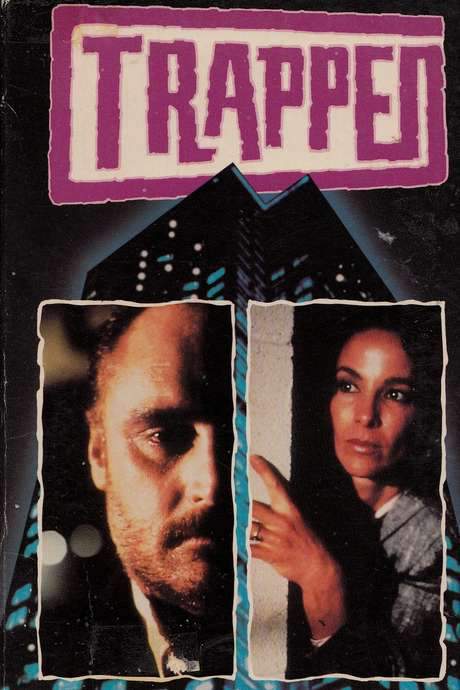
Bleak crime stories with fatalistic fugitives like He Ran All the Way

Stories following a criminal's inevitable, fatal downward spiral after a failed crime. For viewers who appreciated the grim inevitability of He Ran All the Way, this thread collects movies about doomed anti-heroes. These similar crime dramas explore characters whose bad choices lead to a tense, desperate, and ultimately tragic flight from justice.

  • grim
  • fatalistic
  • desperate
  • anxious
  • bleak
  • suspenseful
  • Tone: tense, bleak, grim
  • Pacing: fast, downward spiral
Why these movies?

The story pattern: The narrative follows a linear, cause-and-effect spiral. A single catastrophic event—often a botched crime—propels a flawed protagonist into a frantic run, during which their options narrow and their psyche fractures. The journey is less about escape and more about the grim progression towards an unavoidable, bleak conclusion.

Why they belong together: These films are united by their focus on fatalism and the destruction of a central character. They share a heavy emotional weight, a fast-paced descent, and a tone that is both tense and deeply pessimistic, offering no redemption for their protagonists.

If you liked this

Movies Like He Ran All the Way

Similar movies to He Ran All the Way: the same genre, themes or kind of story. Each one comes with its own plot summary, timeline and ending explained.

Browse all movie summaries

Every angle

He Ran All the Way (1951) Explained: Plot, Timeline & Characters

Everything about He Ran All the Way in one place: what happens in the plot summary, the timeline in chronological order, the characters and meaning and a spoiler-free summary. What's After the Movie adds the cast, box office and post-credit scenes.

Coming soon on iOS and Android

The Plot Explained Movie Summary App

Plot summaries, endings explained and timelines on your phone. Catch up on any movie in minutes, save your favorites and never miss a twist again.

Be the first to know when we launch. Your email stays private, always.

Learn more about the app