Year: 2026
Runtime: 1 h 27 m
Language: english
Director: Burke Doeren
Budget: $3M
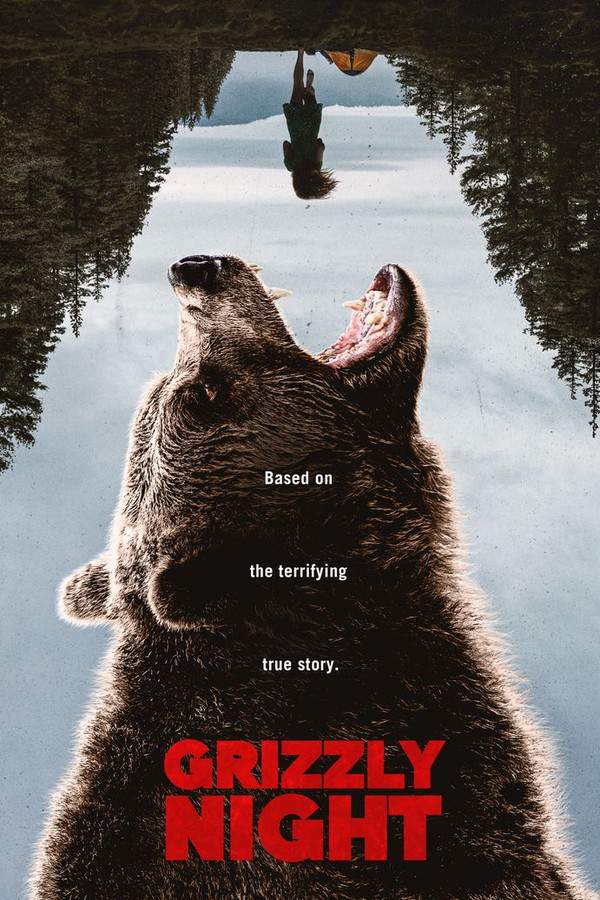
Based on true events, this survival thriller follows a rookie park ranger forced to fight for her life when deadly grizzly attacks strike Glacier National Park. As panic spreads and radio contact fails, she leads terrified strangers through the night, confronting the wilderness and her own fears. A summer evening turns to chaos, reshaping the nation’s view of wildlife.
Find where to stream, rent, or buy Grizzly Night (2026) in the US with current JustWatch availability, up-to-date pricing, and platform listings for subscription, rental, and digital purchase options.
Warning: spoilers below!
Haven’t seen Grizzly Night yet? This summary contains major spoilers. Bookmark the page, watch the movie, and come back for the full breakdown. If you're ready, scroll on and relive the story!
Still thinking about how Grizzly Night (2026) ended? Here’s a full breakdown of the ending, key final moments, major twists, and the deeper meaning behind the film’s conclusion.
The film ends on a bleak night in Glacier National Park, where the tragedy that began with a grizzly ambush spirals into a frantic rescue that ultimately fails to save its victims. After Julie Helgeson and her boyfriend Roy are ripped from their campsite, a terrified Roy limps back to a nearby clearing where a young ranger, Joan Devereux, and a group of tourists have gathered. They manage to radio for help, and a helicopter is dispatched from the senior ranger Gary Bunney’s base. Roy is whisked to a hospital in critical condition but lives, repeatedly begging the rescuers to find Julie.
With daylight finally breaking, Joan’s team returns to the forest equipped with torches, a portable fire pit, and a gun—resources they lacked during the initial attack. Following two distinct blood trails, they deduce which path belongs to Julie, whose body has been dragged up a hill. Despite Gary’s warning that only he should lead because he carries the only firearm, Joan breaks the line out of desperation and the party soon discovers Julie half‑buried in the snow, barely conscious and bleeding out. Dr. John Lindberg tries to staunch her wounds, but the loss of blood is too severe; Julie slips away before the helicopter can retrieve her, becoming the first fatal victim of the grizzlies on that night.
The horror does not end there. Later, at Trout Lake, the remaining campers—Michele, Paul and their friends—are forced to flee a bear that has already raided their supplies. When night falls, the animal returns; Michele’s sleeping‑bag zipper jams, leaving her trapped as the bear drags her into the woods. Her companions can only watch from a safe distance and, at first light, find her lifeless, mauled beyond help. Both deaths underscore the film’s central message: the park’s negligence and greed have turned a natural predator into a lethal threat.
In the final moments, the rangers discuss why the bears turned so aggressive. The chalet’s staff has been leaving trash exposed to attract wildlife for tourists, and park officials have been more concerned with guiding visitors than enforcing safety protocols. The film reveals that, in reality, five grizzlies—among them a cub—were shot after the 1967 attacks, a desperate response that failed to address the underlying cause. By tying the fictional drama to the true story of Julie Helgeson and Michele Koons, Grizzly Night ends on a haunting note, warning that careless human actions can provoke deadly consequences in the wilderness.
Last updated: February 02, 2026 at 20:07
Read frequently asked questions about the ending of Grizzly Night (2026), including final-scene interpretation, twist explanations, character outcomes, and the deeper meaning behind the conclusion. This ending explained FAQ is designed for viewers searching for clear spoiler-heavy answers and ending breakdown insights.
Julie is dragged up a hill by the bear and left half-buried in the snow. Dr. John Lindberg attempts to stop her bleeding, but the blood loss is too severe. She dies before the helicopter can reach her, becoming the first fatal grizzly attack victim that night.
The group lacked torches, a fire pit, and a gun during the initial attack, delaying their ability to search the forest effectively.
Roy survives the initial grizzly attack. He limps back to a clearing where Joan and the tourists have gathered, and they radio for help. He is whisked to a hospital in critical condition but lives, repeatedly begging rescuers to find Julie.
The bears turned aggressive because the park staff at the chalet were leaving trash exposed to attract wildlife for tourists. Park officials prioritized guiding visitors over enforcing safety protocols, creating conditions that provoked the bears into attacking humans.
The film establishes early that the park prioritizes tourism over safety.
Michele and her group are forced to flee when a bear raids their supplies. That night, the bear returns and her sleeping-bag zipper jams, trapping her inside. The bear drags her into the woods, and her companions can only watch from a safe distance. At first light, they find her lifeless, mauled beyond help.
The ending delivers a haunting warning that careless human actions can provoke deadly consequences in the wilderness. By tying the fictional story to the real 1967 attacks on Julie Helgeson and Michele Koons, the film shows that park negligence, specifically exposing wildlife to attract tourists, transforms natural predators into lethal threats.
Yes, the film is based on true events. It draws from the real 1967 grizzly attacks in Glacier National Park that killed Julie Helgeson and Michele Koons. The ending reveals that five grizzlies, including a cub, were shot after those attacks, a desperate measure that failed to address the underlying problem.
Joan disobeys Gary's order that only he should lead because he carries the only firearm. She breaks the line out of desperation to find Julie faster, knowing the clock is ticking. This leads the party to discover Julie half-buried in the snow, though the delay costs Julie her life.
The film reveals that five grizzlies, including a cub, were shot after the 1967 attacks. This desperate response failed to address the underlying cause of the attacks, which was human attractants like trash drawing the bears near human campsites.
Julie Helgeson becomes the first person to die from the grizzly attacks that night. She dies from blood loss after being dragged up a hill and left in the snow, before the helicopter can arrive to transport her to medical care.
The ending explicitly ties the tragedy to park negligence. Staff at the chalet left trash exposed to attract wildlife for tourist photo opportunities, while park officials focused on guiding visitors rather than enforcing safety protocols. This human-caused problem led to the bears attacking humans.
Discover curated groups of movies connected by mood, themes, and story style. Browse collections built around emotion, atmosphere, and narrative focus to easily find films that match what you feel like watching right now.
Based on real events, these films depict harrowing fights for survival against nature.If you liked Grizzly Night's realistic portrayal of survival against nature, you'll appreciate these other films based on true events. Discover similar movies about wilderness survival, animal attacks, and human resilience in the face of overwhelming natural danger.
These stories typically follow ordinary people thrust into extraordinary survival situations, often against wildlife or harsh environments. The narrative focuses on immediate physical danger with minimal subplots, building tension through realistic threats and the characters' desperate attempts to survive.
These films share a commitment to realism through their true story foundations, combined with high-intensity survival scenarios. They create a specific type of horror that feels more impactful because it actually happened, blending documentary authenticity with thriller pacing.
Stories where institutional indifference compounds natural or man-made disasters.Fans of Grizzly Night's theme of institutional failure exacerbating natural disasters will find more movies like it here. Discover similar thrillers about system collapse, bureaucratic indifference, and how human error compounds danger in crisis situations.
These narratives typically establish a credible threat - natural, technological, or supernatural - then show how bureaucratic inertia, red tape, or institutional arrogance prevents effective response. The tension comes from both the primary threat and the frustrating human failures that allow it to escalate.
These films share a dual-threat structure where human systems failure amplifies external dangers. They create a specific type of frustration and tension by showing how protocols, politics, and bureaucracy can be as dangerous as the crisis itself.
Don't stop at just watching - explore Grizzly Night in full detail. From the complete plot summary and scene-by-scene timeline to character breakdowns, thematic analysis, and a deep dive into the ending - every page helps you truly understand what Grizzly Night is all about. Plus, discover what's next after the movie.
Read a complete plot summary of Grizzly Night, including all key story points, character arcs, and turning points. This in-depth recap is ideal for understanding the narrative structure or reviewing what happened in the movie.
Track the full timeline of Grizzly Night with every major event arranged chronologically. Perfect for decoding non-linear storytelling, flashbacks, or parallel narratives with a clear scene-by-scene breakdown.
Discover the characters, locations, and core themes that shape Grizzly Night. Get insights into symbolic elements, setting significance, and deeper narrative meaning - ideal for thematic analysis and movie breakdowns.