Plot Explained Spoilers guaranteed!
Plot Explained

Browse by genre

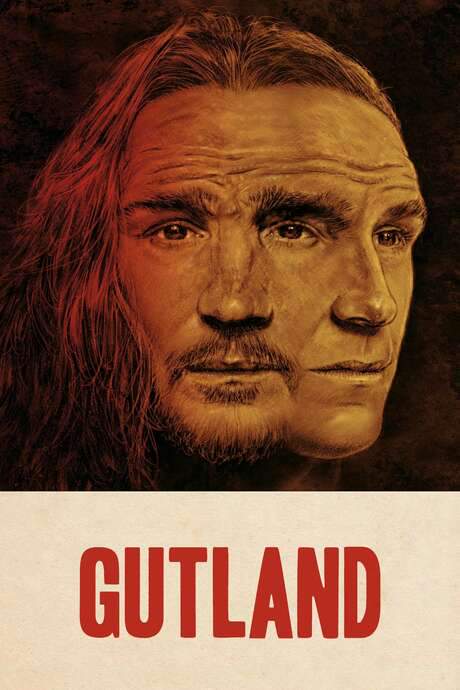
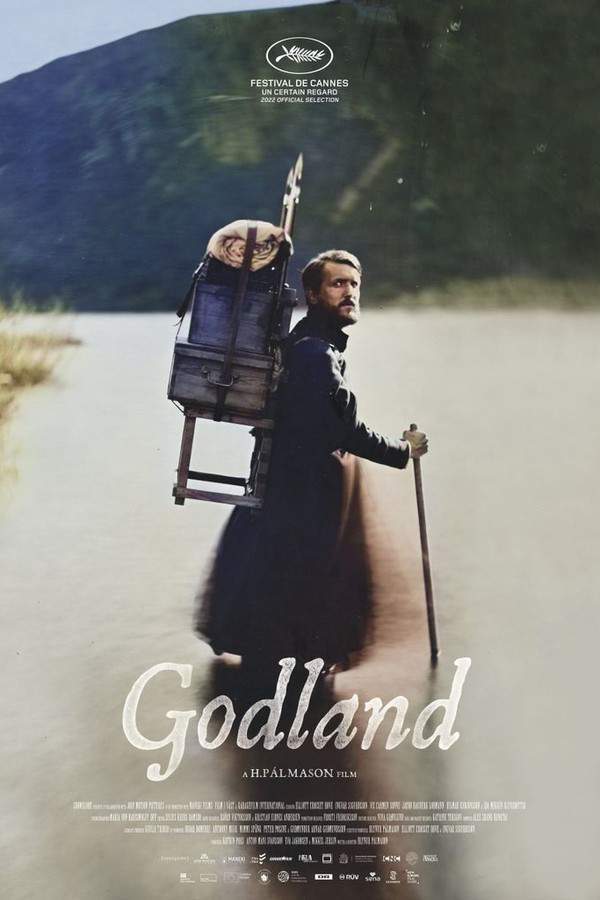
Godland (2023) movie poster

Timeline

Godland (2023) Timeline Explained – Every Event in Order

Release, runtime and language
2023 · 143 min · Danish
Echo score 78
Loading streaming availability…
Directed by
Hlynur Palmason
Starring
Ída Mekkín Hlynsdóttir, Ingvar Eggert Sigurðsson, Victoria Carmen Sonne, Birta Gunnarsdóttir, Elliott Crosset Hove, Friðrik Friðriksson
Budget
$5M

In 1850s Iceland, a young Danish priest named Lucas undertakes a challenging journey to establish a church on the remote coast. As he traverses the rugged landscape, his faith and resolve are tested by the unforgiving terrain, intense isolation, and the unsettling beauty of the natural world. Confronted by both primal desires and the suspicion of the local population, Lucas's mission evolves into a profound and unsettling exploration of colonialism and self-discovery, revealing the darkness within himself and the land.

On this page (6)
  1. 1 Where to watch
  2. 2 Events in order (12)
  3. 3 Timeline questions answered
  4. 4 Movie threads
  5. 5 Movies like Godland
  6. 6 Every angle
Loading streaming availability…

12 events in order · contains spoilers

Godland Timeline: Events in Chronological Order

Every key event of Godland (2023) in order, scene by scene, with when and where it takes place. Use it to untangle flashbacks, time jumps and parallel storylines, to refresh your memory before the sequel or to find the exact scene you are thinking of.

  1. Lucas travels to Iceland to establish a Danish church

    In the late 19th century, Danish priest Lucas is tasked with traveling to Iceland to build a church for a Danish settlement. He brings a camera to document the land and travels by boat with Icelandic laborers and a translator who becomes his only ally. They meet their guide Ragnar, who distrusts Danes from the start.

    When
    late 19th century
    Where
    Iceland (Danish settlement)
  2. Dangerous river crossing and the translator's death

    While crossing a deep river against Ragnar's warnings, Lucas pushes forward. The translator and a large cross fall from their horses into the water, and the translator drowns. The group buries him in a shallow grave, which is soon unearthed by the rising tide, intensifying Lucas's grief.

    When
    during journey to settlement
    Where
    Riverside crossing, Iceland
  3. Lucas sinks into grief and fatigue

    Grief-stricken, Lucas withdraws and prays for a return to Denmark. He faints from exhaustion and is carried on a makeshift stretcher by the others. The struggle foreshadows the strain the journey has placed on him and his relation to the group.

    Where
    On the road to the settlement
  4. Arrival at the settlement and nursing care

    The group reaches the settlement where Lucas is nursed back to health by Carl and his daughters Anna and Ida. The locals begin to see him as part of the project, though Ragnar remains wary of the Danes. Lucas starts to inhabit the community despite the tension.

    Where
    Danish settlement, Iceland
  5. The church begins and wedding traditions emerge; Lucas refuses a ceremony

    As the village begins preparing the church, ceremonies occur within its growing walls. When a couple marries, Lucas refuses to perform the ceremony because the church is unfinished. The moment highlights his conflicted faith and sense of duty.

    Where
    Settlement church site
  6. Wedding reception and wrestling duel

    During the wedding reception, traditional wrestling games are played. Carl challenges Lucas, who wins, and is then forced to fight Ragnar. The tense confrontation underscores the rift between the Danes and the locals and between Lucas and Ragnar.

    Where
    Settlement square
  7. Lucas befriends Ida and grows a bond with Anna; the horse disappears

    Lucas develops a friendship with Ida and becomes attracted to Anna, creating a complicated dynamic. In a troubling turn, Lucas's horse goes missing and is later shown to be dead, foreshadowing further turmoil in his life at the settlement.

    Where
    Settlement
  8. Completion of the church; Ragnar seeks a photo

    When the church is completed, Ragnar confronts Lucas outside the village and asks for a photo to be taken before he leaves. Lucas refuses the request and insults Ragnar in return. Ragnar confesses in Danish that he killed Lucas's horse, heightening the feud.

    Where
    Outside the settlement, near the church
  9. Lucas's assault and the murder of Ragnar

    Lucas snaps after Ragnar's confession and attacks him, bashing Ragnar's head against the rocks and killing him. He then returns to Anna, discards his camera equipment, and the two have sex, intensifying the emotional stakes of the story.

    Where
    Near the church/shoreline
  10. Carl's warning and Lucas's flight

    In the aftermath, Carl warns Anna not to become involved with Lucas. Lucas steals one of Ida's horses and flees, signaling his unraveling and the danger his passion and rage pose to others.

    Where
    Settlement outskirts
  11. Pursuit and final confrontation

    Carl pursues Lucas, determined to prevent further harm, and eventually catches up to him. He stabs Lucas to death, saying that everyone will believe he simply fell off the horse. The act closes Lucas's violent arc and restores a grim order to the settlement.

    Where
    Along the trail outside the village
  12. Aftermath and the circle of life

    Some time later, Ida finds Lucas's skeleton and tearfully tells him that he will soon be part of nature. The final images frame Lucas's fate within the larger natural world and the memory of the community.

    Where
    Countryside near settlement

Last updated: October 09, 2025 at 16:24

Was this helpful?

Timeline questions answered

Godland Timeline Explained: Your Questions Answered

When does it happen, and why in that order? The questions people ask about the chronology of Godland (2023): time jumps, flashbacks, cause and effect between scenes and the correct order of events, each answered with spoilers.

Q1

Why does Lucas insist on crossing the dangerous river despite Ragnar's warnings?

Lucas insists on fording the river because he is determined to complete his mission to build the church, viewing it as his divine duty. His stubbornness and unwavering commitment to his goal override Ragnar's practical warnings about the dangerous crossing, leading to the tragic drowning of the translator and the loss of the heavy cross.

Foreshadowing: Ragnar's warning about the river being impassable establishes his role as someone who understands the land's dangers, foreshadowing the tragedy that follows.

  • river crossing
  • translator death
  • Lucas mission
  • Ragnar warnings
Q2

Why does Lucas attack and kill Ragnar?

Lucas kills Ragnar after he confesses in Danish that he deliberately killed Lucas's horse. The revelation shatters Lucas's already fragile restraint, triggering a violent outburst. He slams Ragnar's head against the rocks until he dies, representing the culmination of accumulated tensions between them throughout the journey.

Foreshadowing: Ragnar's persistent hostility toward Lucas and the missing horse subplot build tension throughout the story, making his confession and Lucas's violent response feel inevitable.

  • Ragnar death
  • Lucas violence
  • horse murder
  • confession
Q3

Why does Carl kill Lucas at the end?

Carl kills Lucas because he sees him as a dangerous threat to the community after witnessing his violent breakdown. When Lucas flees on horseback after the murder, Carl pursues him, catches up, and stabs him to death, then plans to tell everyone Lucas simply fell from the horse. Carl acts to protect his daughters and maintain order in the settlement.

Foreshadowing: Carl's earlier warning to Anna not to let Lucas endanger her foreshadows his decision to eliminate Lucas once he becomes uncontrollable.

  • Carl
  • Lucas death
  • pursuit
  • protective father
Q4

Why does Lucas discard his camera after killing Ragnar?

After killing Ragnar, Lucas discards his camera when he returns to Anna, symbolizing his complete rejection of his previous identity and mission. The camera represented his role as a Danish colonizer documenting the land and its people. By abandoning it, he abandons his religious mission and civilizing purpose, embracing his descent into primal desire and violence.

Foreshadowing: Lucas brought the camera to document the 'new land' as part of his colonial mission, and its abandonment marks his transformation from priest to outcast.

  • camera
  • colonialism
  • Lucas transformation
  • abandonment
Q5

Why does Lucas consummate his relationship with Anna after killing Ragnar?

After killing Ragnar, Lucas returns to Anna and they consummate their relationship, showing his complete moral collapse. This act represents Lucas abandoning his religious vows and succumbing to primal instincts. The scene illustrates how his journey has stripped away his faith and civilization, leaving only base desires.

Foreshadowing: Lucas's growing attraction to Anna and his bond with Ida throughout the film build toward this moment of moral surrender.

  • Anna
  • Lucas
  • relationship
  • moral collapse
Q6

Why does Lucas refuse to perform the wedding ceremony?

Lucas refuses to perform the wedding ceremony at the settlement because the church is not yet finished. He insists on waiting until the church is complete before conducting any religious rites, showing his commitment to doing things 'properly' according to his religious duties, even as his personal faith unravels elsewhere.

Foreshadowing: This moment highlights Lucas's conflicted relationship with his faith, he maintains religious formalities while internally losing his spiritual grounding.

  • wedding
  • church ceremony
  • Lucas faith
Q7

What is the significance of Ida finding Lucas's skeleton at the end?

At the end, Ida discovers Lucas's skeleton in the countryside and tearfully tells him he will soon be part of nature. This closing scene frames Lucas's fate within the larger natural world, suggesting he has finally become integrated into the Icelandic landscape he sought to conquer. It represents a form of redemption through nature's indifferent embrace, contrasting with his failed mission as a colonizer.

Foreshadowing: The film's ongoing contrast between the stunning natural beauty and brutal human drama foreshadows this moment of nature absorbing Lucas.

  • Ida
  • skeleton
  • nature
  • ending
  • redemption
Q8

Why is Ragnar so hostile toward Lucas from the beginning?

Ragnar is hostile toward Lucas because he distrusts Danes in general, viewing them as colonizers who are taking over Icelandic land. His suspicion casts a chill over the entire voyage, and he remains wary throughout Lucas's time at the settlement. This hostility reflects the broader theme of colonial tension between Denmark and Iceland.

Foreshadowing: Ragnar's early wariness establishes the underlying colonial resentment that builds throughout the film, ultimately contributing to the violent climax.

  • Ragnar
  • Danish colonizers
  • hostility
  • Iceland
Q9

What happens to Lucas's horse and why is it important?

Lucas's horse goes missing and is later revealed to be dead. This event is significant because Ragnar confesses to killing the horse, which enrages Lucas and triggers his violent breakdown. The horse's death represents another loss in Lucas's journey and becomes the catalyst for the murder of Ragnar.

Foreshadowing: The missing horse creates tension throughout the settlement period, with Lucas searching for it before the devastating revelation.

  • horse death
  • Ragnar confession
  • Lucas anger
Q10

Why does Lucas faint from exhaustion on the journey?

Lucas collapses from exhaustion after the traumatic river crossing and the drowning of the translator. Grief-stricken and physically drained, he faints and must be carried on a makeshift stretcher for the rest of the journey. This moment marks the beginning of his psychological unraveling and his growing disconnect from his mission.

Foreshadowing: The translator's death and Lucas's collapse foreshadow his eventual complete breakdown and loss of faith.

  • Lucas exhaustion
  • translator death
  • fainting
  • journey

Movie threads

More Movies Like Godland, by Mood & Story

Curated lists built around what makes Godland tick: the same mood, the same kind of story or the same emotional payoff. Each list explains why these movies belong together.

Movies like Godland about psychological survival

Characters pushed to their breaking point by extreme isolation and harsh environments. Explore movies like Godland that focus on psychological survival against overwhelming odds. If you were captivated by the unraveling of faith and sanity in a harsh landscape, these films offer similar journeys of characters confronting their inner demons amidst extreme isolation and unforgiving natural worlds.

  • unsettling
  • oppressive
  • psychological
  • grim
  • atmospheric
  • melancholic
  • Tone: dark, bleak, unsettling
  • Pacing: slow burn, deliberate
Why these movies?

The story pattern: Stories in this thread typically follow a linear but intense journey where a character's mission or goal is slowly subverted by the psychological toll of their environment. The external conflict with nature or isolation becomes an internal one, leading to a deconstruction of identity, belief, or morality. The narrative arc is often one of decline and self-destruction.

Why they belong together: These movies are grouped by their shared focus on a character's mental and spiritual collapse under extreme pressure. They blend high emotional weight with a slow, atmospheric pace to create an intense and unsettling experience centered on the fragility of the human psyche.

Dark colonial dramas similar to Godland

Stories exploring the dark moral complexities and personal costs of colonialism. Discover dark colonial dramas similar to Godland. If you were drawn to the film's exploration of a priest's mission clashing with a remote community and landscape, these movies also delve into the moral decay and tragic consequences of colonialism, cultural friction, and the failure of imposed ideals.

  • bleak
  • somber
  • moral decay
  • clash of cultures
  • unsettling
  • tragic
  • Tone: dark, somber, critical
  • Pacing: steady, deliberate
Why these movies?

The story pattern: The narrative pattern involves an outsider arriving with a mission—religious, commercial, or civilizing—into a foreign land or culture. Their initial confidence is eroded by the complexity and resistance of the environment and its people. The story becomes a downward spiral of moral compromise, violence, and the destruction of the protagonist's original purpose, often ending in tragedy.

Why they belong together: These films are united by their thematic focus on the destructive dynamics of colonialism and cultural imposition. They share a dark tone, high emotional weight, and a critical perspective on the protagonist's role as an agent of an alien and often destructive force.

If you liked this

Movies Like Godland

Similar movies to Godland: the same genre, themes or kind of story. Each one comes with its own plot summary, timeline and ending explained.

Browse all movie summaries

Every angle

Godland (2023) Explained: Plot, Timeline & Characters

Everything about Godland in one place: what happens in the plot summary, the timeline in chronological order, the characters and meaning and a spoiler-free summary. What's After the Movie adds the cast, box office and post-credit scenes.

Coming soon on iOS and Android

The Plot Explained Movie Summary App

Plot summaries, endings explained and timelines on your phone. Catch up on any movie in minutes, save your favorites and never miss a twist again.

Be the first to know when we launch. Your email stays private, always.

Learn more about the app