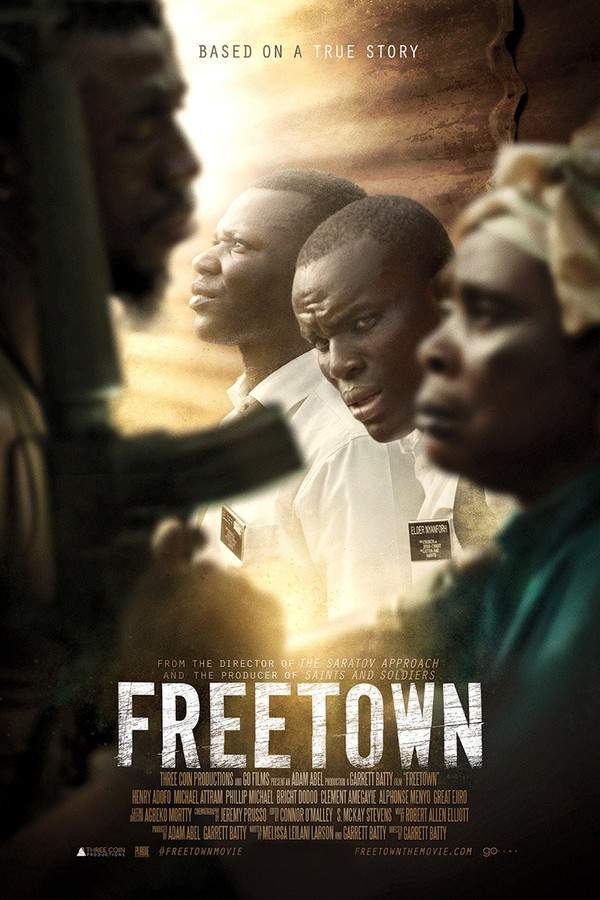
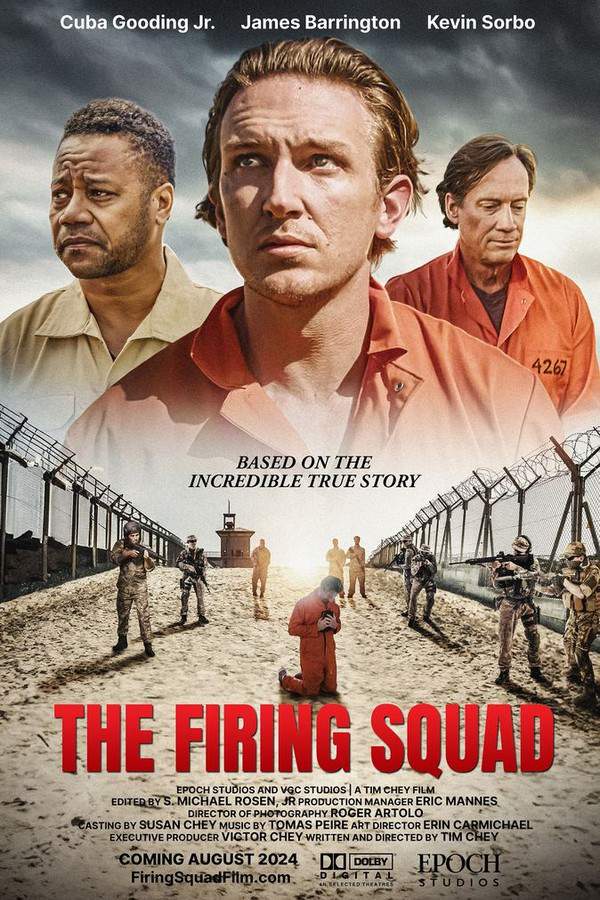
Philip Abubakar, a local branch leader for the LDS church, concentrates on guiding a small band of seven missionaries through a perilous landscape. Alongside him are six African missionaries—Elder Menti, Elder Meyers, Elder Gaye, Elder Nyanforth, Elder Selli, and Elder Forkpah—as they find themselves stranded in Monrovia amid the First Liberian Civil War. With their ability to conduct missionary work cut off by the fighting, they devise a careful plan to reach the northern border near Sierra Leone, where they hope to continue their preaching without facing immediate danger.
The group faces a stark and brutal reality: Elder Gaye is Krahn, a tribe being targeted for execution by rebels from the International Patriotic Front of Liberia (INPFL). The rebel leader Ansa orders killings of Krahn men and women at sight, blaming them for the war and for personal losses he has suffered. Yet a glimmer of mercy emerges when Momulu, another member of the local LDS branch, can persuade Ansa to spare Elder Gaye. The missionaries are temporarily taken away, then released to join Abubakar and the other four on a dangerous journey toward the border. As the seven escapees crowd into a red, five-seater sedan, the car carries a Bible verse—“Mark 9:24”—written on its back, a small sign of faith in the face of danger:
> And straightway the father of the child cried out, and said with tears, Lord, I believe; help thou mine unbelief.
Tension rises as Ansa, furious at the missing missionaries, tracks them toward the border to ensure Elder Gaye does not slip away into Sierra Leone.
Their route is a slow, exhausting pace of negotiation with checkpoints, where they barter their belongings one by one to pass through the blocking lines. When the car finally runs out of gas near a modest town with a petrol pump, they discover they have no money left. In a last-ditch effort to keep moving, they trade what remains of their possessions for liters of fuel to push them toward the border. At the border, they learn the bridge is closed, and to their dismay, they realize none of them carries ID papers or passports—none had ever left Liberia before. The convoy, once full of cautious hope, suddenly seems to have no practical means of crossing into Sierra Leone.
In a moment of prayerful reflection, Abubakar feels a renewed sense of possibility as the sound of a ferry carrier reaches their ears. Just when they are about to board for Sierra Leone, Ansa and Momulu catch up with them. Momulu commands Ansa to comply, then withdraws, leaving the fate of the group in the balance. As Ansa prepares to execute Elder Gaye, Momulu returns with armed soldiers, who demand the release of the missionaries. The soldiers’ leader declares that he is Krahn, and when asked where his loyalties lie, Momulu sides with the missionaries rather than his former commander. This decisive turn allows the seven escapees to cross the border safely and reunite in Freetown with President Cunningham, the LDS mission president who oversees their religious duties.
A final note arrives on screen: the title card reveals that the missionaries continued to live in Sierra Leone for the next seven years, enduring the continuing turmoil of the civil war until its end. The story unfolds as a testament to faith, perseverance, and the fragile yet steadfast bonds that can sustain a small group through overwhelming danger.