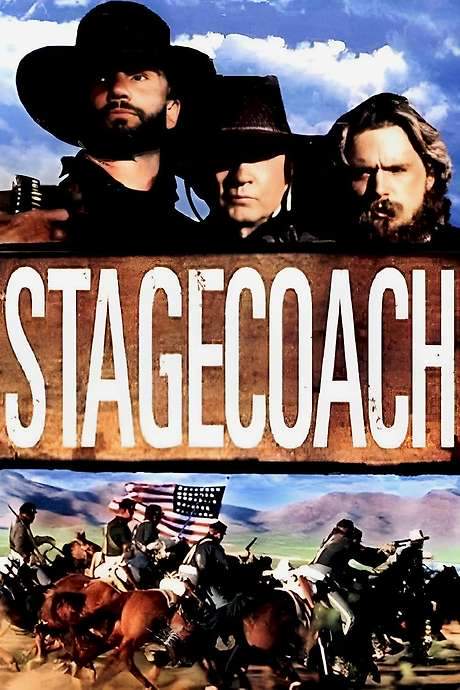
Stagecoach to Dancers’ Rock

Stagecoach to Dancers’ Rock

Year: 1962

Runtime: 72 mins

Language: English

Director: Earl Bellamy

WesternActionAdventure

Stranded in the harsh desert after their driver deserts them, five stagecoach passengers must contend with scorching heat, illness, thirst and hunger while battling suspicion and hostility among themselves. Their plight is further endangered by aggressive encounters with the local Indigenous peoples seeking to protect their territory.

Where to Watch Stagecoach to Dancers’ Rock?

Find where to stream, rent, or buy Stagecoach to Dancers’ Rock (1962) in the US with current JustWatch availability, up-to-date pricing, and platform listings for subscription, rental, and digital purchase options.

Warning: spoilers below!

Haven’t seen Stagecoach to Dancers’ Rock yet? This summary contains major spoilers. Bookmark the page, watch the movie, and come back for the full breakdown. If you're ready, scroll on and relive the story!

Stagecoach to Dancers’ Rock (1962) – Full Plot Summary & Ending Explained

Read the complete plot breakdown of Stagecoach to Dancers’ Rock (1962), including all key story events, major twists, and the ending explained in detail. Discover what really happened, and what it all means.

In 1873 Tucson, Arizona, a stagecoach brings together a diverse group of travelers: Maj. John Southern Don Wilbanks, Dr. Ann Thompson Jody Lawrance, and Indian agent Hiram Best Del Moore, along with gambler Dade Coleman Martin Landau and Loi Yan Wu Judy Dan, who is bound for San Francisco to work as a librarian. A sixth passenger joins at a food stop—the gunslinger Jess Dollard Warren Stevens—and the group continues their journey.

Soon after, Loi Yan Wu falls ill. Ann diagnoses chicken pox, but the driver and guard fear smallpox and decide to abandon the passengers. They pull the stage into the desert, claim they’re resting the horses, and slip away while most passengers are outside. Best stays in the coach, and the remaining five travelers press on on foot: Maj. John Southern carries the sick Loi Yan Wu as they trudge into the harsh landscape, hungry and thirsty but determined to survive.

They manage to scrounge water and food from hardy desert plants, moving toward a distant stagecoach they glimpse ahead. What they find is a grim scene: the driver and guard have been killed by Apaches, and the attackers have seized the horses and the men’s guns. The survivors bury the dead and make camp, wary of every sudden sound in the empty, sun-baked plain.

Tensions flare as scarcity drives hard choices. Coleman hoards a canteen of water that Dollard notices, and he takes it to share with the others only when it suits him. That night, Coleman slips away with Dollard’s gun and a knife Dollard had given Ann. When Southern makes a move to confront him, Coleman kills Southern and wounds Dollard, then drags Ann beneath the stage and forces her into submission, ultimately raping her.

Dollard is left for dead or dieling to recover, and Loi Yan Wu tends to his wounds while Ann endures as Coleman’s unpaid servant. As the days wear on, Coleman’s grip tightens, and he sends Dollard and Loi Yan Wu farther into the desert, ordering them to walk away and wait for his weakening. Loi Yan Wu quietly reveals to Dollard that Coleman now carries the chicken pox, a detail that could end his cruelty—if they can outlast him.

Just when it seems they might be abandoned forever, a stagecoach appears on the horizon. Coleman understands that if he and Ann are rescued, she could testify against him, so he fires at Ann and runs toward the approaching coach with the others in sight. But the new stage is attacked by Apaches, and all aboard are killed except for the wounded, delirious driver. The driver spots Coleman in the road and, misreading him as an attacking Indian, fires a fatal shot.

In the end, Loi Yan Wu and Jess Dollard escape with the stage’s horses, setting out together toward San Francisco to start a life away from the perilous frontier. The desert has claimed many lives, but a stubborn will to endure—and a stubborn hope for a new beginning—drives the survivors forward.

Last updated: October 07, 2025 at 08:30

Was this helpful?

Stagecoach to Dancers’ Rock (1962) Plot Questions Answered – Summary FAQ

Explore frequently asked questions about Stagecoach to Dancers’ Rock (1962) with spoiler-rich answers covering the full plot summary, major story beats, character motivations, hidden details, and ending meaning. This movie summary FAQ helps explain confusing scenes, plot twists, and narrative decisions in clear, searchable detail.

Q1

Why did the stagecoach driver and guard abandon the passengers in the desert?

A.

The driver and guard abandoned the passengers because they feared Loi Yan Wu had smallpox, not chicken pox. When Ann Thompson diagnosed chicken pox, the driver used the claim as an excuse to leave the vulnerable travelers behind, pulling into the desert under the pretense of resting the horses before slipping away.

Earlier, the passengers' discussion of disease exposure planted the seed for this betrayal.

desert abandonmentstagecoach driversmallpox fearchicken pox
Q2

Why did Dade Coleman kill John Southern?

A.

Coleman killed Southern after hoarding water and stealing Jess Dollard's gun and knife. When Southern tried to confront Coleman about his actions and theft, Coleman attacked and shot Southern, then wounded Dollard. The harsh desert conditions and scarcity had caused Coleman's moral decay, turning him violent.

Coleman's water hoarding and selfish behavior earlier foreshadowed his violent breakdown.

dade colemanjohn southernmurderdesert violencewater hoarding
Q3

What disease did Loi Yan Wu have and why did it matter?

A.

Loi Yan Wu had chicken pox, not smallpox. Ann correctly diagnosed it, but the driver and guard used their fear of smallpox as an excuse to abandon the passengers. Later, when Coleman contracted chicken pox from the group, it became significant, he was weakeneding as the survivors waited, which gave Dollard and Loi Yan Wu hope that his cruelty would end.

The initial misdiagnosis of the illness set the stage for abandonment and later became Coleman's undoing.

chicken poxsmallpoxloi yan wuillnessdesert survival
Q4

How did Dade Coleman die at the end?

A.

Coleman was shot by a wounded, delirious stagecoach driver who mistook him for an attacking Apache. After Coleman shot Ann to prevent her from testifying against him, he ran toward the approaching stagecoach. The driver, wounded from the Apache attack and delirious, saw Coleman approaching and fired a fatal shot, killing him.

Coleman's plan to manipulate the rescue situation backfired when the driver's confused state made him perceive Coleman as a threat.

dade coleman deathapache attackstagecoach drivermistaken identity
Q5

Why did Dade Coleman attack and assault Ann Thompson?

A.

After killing Southern and wounding Dollard, Coleman took control of the group. He forced Ann into servitude, making her cook and care for him. He then brutalized her, raping her beneath the stagecoach. This act represented the complete collapse of moral restraint under desert pressure, as Coleman transformed from a gambler into a violent tyrant.

Coleman's earlier theft of Dollard's weapon and his aggressive confrontation with Southern showed his escalating violent tendencies.

coleman assaultann thompsondesert abuseviolence against woman
Q6

What happened to the passengers after they were abandoned in the desert?

A.

After abandonment, the five remaining passengers, Southern, Ann, Coleman, Dollard, and Loi Yan Wu, trekked on foot through the harsh desert. Southern carried the sick Loi Yan Wu. They found water from desert plants and discovered the killed driver, guard, and Best ahead. Tensions rose as Coleman hoarded resources, leading to violence and his eventual dominance over the survivors.

The desert's harshness and the group's desperation set the stage for internal conflict.

desert treksurvivalabandoned passengersstagecoach survivors
Q7

Why did the Apaches attack the stagecoach?

A.

The Apaches attacked because they were protecting their territory from intruders. The timeline notes that the Indigenous peoples were 'seeking to protect their territory.' The attack resulted in the deaths of the driver, guard, and Best, with the attackers seizing horses and guns. This external threat added to the passengers' mounting dangers.

Tension between travelers and Indigenous peoples was established when Indian agent Hiram Best joined the journey.

apache attackterritoryindigenous attackstagecoach raid
Q8

What happened to Loi Yan Wu and Jess Dollard at the end?

A.

After Coleman sent them into the desert to die, Loi Yan Wu and Dollard survived by waiting for Coleman to weaken from chicken pox. When chaos erupted during the Apache attack on the second stagecoach, they seized the horses and escaped together toward San Francisco. They planned to start a new life away from the frontier's violence, representing the survivors' hope despite the trauma.

Their quiet resilience and patience while tending Dollard's wounds showed their determination to outlive Coleman.

loi yan wujess dollardescapesan francisconew life
Q9

Why did Hiram Best stay in the stagecoach during the abandonment?

A.

Hiram Best remained inside the coach while the other passengers stepped out, possibly resting or unaware of the driver's plan. This decision proved fatal, when the Apaches attacked the coach ahead, Best was killed along with the driver and guard, while the five who had exited survived to continue on foot.

Best's role as an Indian agent suggested potential danger, but his fate came from the Apache attack rather than his official role.

hiram bestabandonmentcoach deathapache attack
Q10

Why was the second stagecoach also attacked by Apaches?

A.

The second stagecoach was attacked because the Apaches continued defending their territory against any travelers passing through. This attack killed everyone aboard except the wounded driver, creating the chaotic scene where Coleman was mistakenly shot. The Apaches remained a persistent threat throughout the harsh desert crossing.

The first Apache attack established that the territory was actively defended.

second attackapache raidstagecoach attackeddesert danger
Q11

Why did Coleman try to shoot Ann Thompson?

A.

Coleman shot at Ann to prevent her from testifying against him. He understood that if they were rescued, Ann could describe his crimes, murder, assault, and kidnapping. By killing her, he hoped to eliminate the only witness who could incriminate him, allowing him to manipulate the rescue situation without consequence.

Coleman's control over Ann throughout their captivity showed his awareness of her value as a potential witness.

coleman shoots annwitnessattempted murderprevent testimony
Mobile App Preview

Coming soon on iOS and Android

The Plot Explained Mobile App

From blockbusters to hidden gems - dive into movie stories anytime, anywhere. Save your favorites, discover plots faster, and never miss a twist again.

Sign up to be the first to know when we launch. Your email stays private, always.

Explore Movie Threads

Discover curated groups of movies connected by mood, themes, and story style. Browse collections built around emotion, atmosphere, and narrative focus to easily find films that match what you feel like watching right now.

Movies about group survival under siege like Stagecoach to Dancers’ Rock

Stranded groups fracture under pressure while battling external threats.If you liked the tense dynamic of strangers forced to survive together in Stagecoach to Dancers’ Rock, you'll find similar stories here. These movies focus on group dynamics under extreme pressure, where the real enemy is often within, set against harsh backdrops from deserts to isolated outposts.

tenseclaustrophobicparanoiddesperategrittyharshsuspenseful

Narrative Summary

These narratives begin with a group, often strangers, thrown into a life-or-death situation. The plot is driven by a dual threat: the external danger that traps them, and the internal moral decay and conflict that erupts as resources dwindle and trust erodes. The journey tests each character's limits, forging fragile alliances amid betrayal.

Why These Movies?

They are grouped by their core focus on the psychological toll of collective survival. They share a tense, grim mood where the setting is a character in itself, and the pacing is steady, building dread through continuous peril and the breakdown of social order.

Bittersweet survival odysseys like Stagecoach to Dancers’ Rock

Harrowing journeys where survival comes at a profound personal cost.Fans of the harsh desert ordeal and emotionally heavy conclusion of Stagecoach to Dancers’ Rock will appreciate these films. They feature grueling forced journeys where characters are pushed to their absolute limits, leading to endings that are hopeful yet haunted by the cost of survival.

grimdesolateharrowingemotionalhopeful yet sadtraumaticordeal

Narrative Summary

The narrative follows a linear, often straightforward path of endurance. Characters face a series of escalating environmental and physical challenges that strip them down to their core. The climax is not a traditional victory but an escape, leaving the survivors forever changed and scarred by their experience, with the emotional weight of the journey outweighing the physical relief.

Why These Movies?

These films are united by their specific emotional arc: a heavy, tense experience focused on survival that resolves not with uncomplicated joy, but with a somber, bittersweet recognition of what was lost. The pacing is steady and driven by ordeal, and the intensity remains high throughout.

Unlock the Full Story of Stagecoach to Dancers’ Rock

Don't stop at just watching - explore Stagecoach to Dancers’ Rock in full detail. From the complete plot summary and scene-by-scene timeline to character breakdowns, thematic analysis, and a deep dive into the ending - every page helps you truly understand what Stagecoach to Dancers’ Rock is all about. Plus, discover what's next after the movie.

Stagecoach to Dancers’ Rock Timeline

Track the full timeline of Stagecoach to Dancers’ Rock with every major event arranged chronologically. Perfect for decoding non-linear storytelling, flashbacks, or parallel narratives with a clear scene-by-scene breakdown.

Stagecoach to Dancers’ Rock Timeline

Characters, Settings & Themes in Stagecoach to Dancers’ Rock

Discover the characters, locations, and core themes that shape Stagecoach to Dancers’ Rock. Get insights into symbolic elements, setting significance, and deeper narrative meaning - ideal for thematic analysis and movie breakdowns.

Characters, Settings & Themes in Stagecoach to Dancers’ Rock

Stagecoach to Dancers’ Rock Spoiler-Free Summary

Get a quick, spoiler-free overview of Stagecoach to Dancers’ Rock that covers the main plot points and key details without revealing any major twists or spoilers. Perfect for those who want to know what to expect before diving in.

Stagecoach to Dancers’ Rock Spoiler-Free Summary

More About Stagecoach to Dancers’ Rock

Visit What's After the Movie to explore more about Stagecoach to Dancers’ Rock: box office results, cast and crew info, production details, post-credit scenes, and external links - all in one place for movie fans and researchers.

More About Stagecoach to Dancers’ Rock

Similar Movies to Stagecoach to Dancers’ Rock

Discover movies like Stagecoach to Dancers’ Rock that share similar genres, themes, and storytelling elements. Whether you’re drawn to the atmosphere, character arcs, or plot structure, these curated recommendations will help you explore more films you’ll love.