Year: 1964
Runtime: 87 mins
Language: Japanese
Director: Kenji Misumi
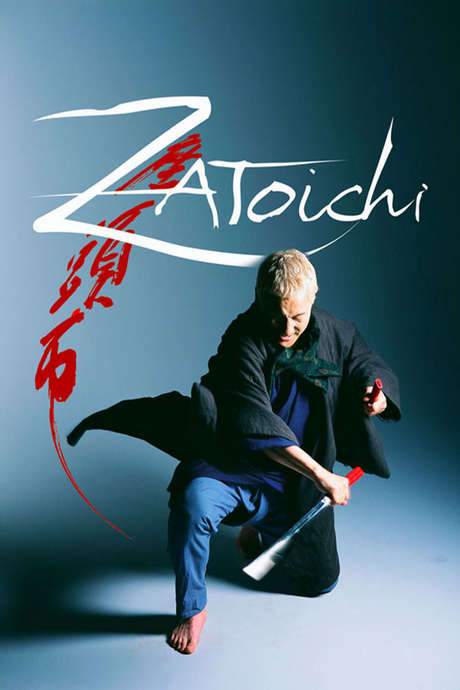
Blind swordsman‑masseur Zatoichi befriends a young woman returning home with her baby. When gangsters mistake her for him and kill her, he swears to take the child to its father. He enlists a reluctant pickpocket, and together they travel to find the father, unaware of his reaction or the deeply growing affection they feel for the infant.
Get a spoiler-free look at Fight, Zatoichi, Fight (1964) with a clear plot overview that covers the setting, main characters, and story premise—without revealing key twists or the ending. Perfect for deciding if this film is your next watch.
In the mist‑shrouded countryside of Edo‑period Japan, the itinerant blind swordsman‑masseur Zatoichi moves between towns with his trusted wooden cane and an unerring sense of justice. The world he inhabits is one of restless travelers, silent pilgrimages, and the ever‑present hum of danger that lingers on the road. The film’s tone balances razor‑sharp action with a lingering melancholy, letting the rustle of kimono and the clatter of horse‑drawn kago speak as loudly as any duel.
During a brief respite, Zatoichi encounters a young woman returning home with her infant, a fragile promise of ordinary life amid his solitary existence. A sudden, brutal misunderstanding leaves the woman dead, and the blind warrior, bound by a personal code of responsibility, vows to deliver the child to its father. This act of unexpected guardianship thrusts him into a role that is both tender and perilous, contrasting his usual lone‑wolf demeanor.
To complete the journey, he enlists the help of a reluctant pickpocket known as Oko, whose street‑wise instincts clash and later intertwine with his own disciplined skill. Their uneasy partnership turns the road into a moving stage where caution, humor, and quiet affection surface in fleeting moments between the inevitable confrontations. The dynamic between the stoic swordsman, the grieving infant, and the savvy thief creates a subtle, yet compelling, emotional current that drives the narrative forward.
As they travel toward the child’s distant home, the swaying landscape—rice paddies, pine‑lined hills, and dim lantern‑lit villages—mirrors the internal journey of each character. The film invites viewers to feel the weight of duty, the fragility of new bonds, and the ever‑present tension between a life of violence and the soft hope that a single child can inspire, all without revealing how the path ahead will ultimately unfold.
Last Updated: December 04, 2025 at 23:43
Discover curated groups of movies connected by mood, themes, and story style. Browse collections built around emotion, atmosphere, and narrative focus to easily find films that match what you feel like watching right now.
A solitary fighter is forced into a protective role for a vulnerable child.Find films similar to Fight, Zatoichi, Fight, where a solitary figure becomes an unexpected guardian. These movies share themes of reluctant paternal duty, high-stakes protection, and the bittersweet connection formed between a hardened adult and an innocent child in a perilous world. If you liked Ichi's journey, explore these stories.
Stories in this thread typically begin with a disruption to a loner's life, forcing them into a caregiver role they are ill-prepared for. The journey involves constant threat, forcing the protector to use their skills for defense rather than personal gain or survival. The central conflict is internal, wrestling with their identity versus their newfound responsibility, often culminating in a sacrifice that solidifies their bond.
These films are grouped by the powerful and specific dynamic of a lone wolf becoming a guardian. They share a dark, tense tone, a steady pacing that balances action with intimate character moments, and a heavy emotional weight driven by the stakes of protecting a child. The endings are often bittersweet, acknowledging the bond formed but the inevitable return to solitude.
A solemn quest bound by honor leads to a painful but necessary conclusion.Discover films with a similar feel to Fight, Zatoichi, Fight, focusing on solemn journeys driven by duty. These movies feature protagonists bound by honor or a moral code, leading them through grim and tense adventures that result in bittersweet resolutions. If you were moved by the heavy emotional weight and sacrificial ending of Zatoichi, you'll find compelling parallels here.
The narrative pattern involves a character accepting a heavy burden, often out of guilt or a personal code. The journey is physical and emotional, marked by confrontation and loss. The resolution fulfills the central duty—delivering the child, completing the mission—but underscores what the protagonist had to sacrifice personally, such as peace, connection, or a part of themselves, resulting in a poignant, unsentimental ending.
These films are united by their exploration of duty as a central, costly force. They share a dark, melancholic mood, a steady pacing that allows the weight of the quest to build, and a high emotional intensity. The defining feature is the bittersweet ending, where the mission's success is tempered by the protagonist's personal loss, creating a powerful and resonant conclusion.
Don't stop at just watching — explore Fight, Zatoichi, Fight in full detail. From the complete plot summary and scene-by-scene timeline to character breakdowns, thematic analysis, and a deep dive into the ending — every page helps you truly understand what Fight, Zatoichi, Fight is all about. Plus, discover what's next after the movie.
Read a complete plot summary of Fight, Zatoichi, Fight, including all key story points, character arcs, and turning points. This in-depth recap is ideal for understanding the narrative structure or reviewing what happened in the movie.
Track the full timeline of Fight, Zatoichi, Fight with every major event arranged chronologically. Perfect for decoding non-linear storytelling, flashbacks, or parallel narratives with a clear scene-by-scene breakdown.
Discover the characters, locations, and core themes that shape Fight, Zatoichi, Fight. Get insights into symbolic elements, setting significance, and deeper narrative meaning — ideal for thematic analysis and movie breakdowns.
Visit What's After the Movie to explore more about Fight, Zatoichi, Fight: box office results, cast and crew info, production details, post-credit scenes, and external links — all in one place for movie fans and researchers.
Discover movies like Fight, Zatoichi, Fight that share similar genres, themes, and storytelling elements. Whether you’re drawn to the atmosphere, character arcs, or plot structure, these curated recommendations will help you explore more films you’ll love.
Fight, Zatoichi, Fight (1964) Scene-by-Scene Movie Timeline
Fight, Zatoichi, Fight (1964) Movie Characters, Themes & Settings
Fight, Zatoichi, Fight (1964) Spoiler-Free Summary & Key Flow
Movies Like Fight, Zatoichi, Fight – Similar Titles You’ll Enjoy
Zatoichi (2003) Complete Plot Breakdown
Zatoichi: Darkness Is His Ally (1989) Movie Recap & Themes
Zatoichi on the Road (1963) Film Overview & Timeline
Zatoichi in Desperation (1972) Complete Plot Breakdown
Zatoichi the Fugitive (1963) Ending Explained & Film Insights
Zatoichi and the Doomed Man (1965) Full Movie Breakdown
Zatoichi Challenged (1967) Movie Recap & Themes
Zatoichi’s Revenge (1965) Film Overview & Timeline
Zatoichi and the Chess Expert (1965) Complete Plot Breakdown
Adventures of Zatoichi (1964) Film Overview & Timeline
Zatoichi Meets the One-Armed Swordsman (1971) Full Summary & Key Details
Zatoichi’s Vengeance (1966) Full Movie Breakdown
Zatoichi at Large (1972) Plot Summary & Ending Explained
Zatoichi the Outlaw (1967) Plot Summary & Ending Explained
Zatoichi’s Flashing Sword (1964) Ending Explained & Film Insights