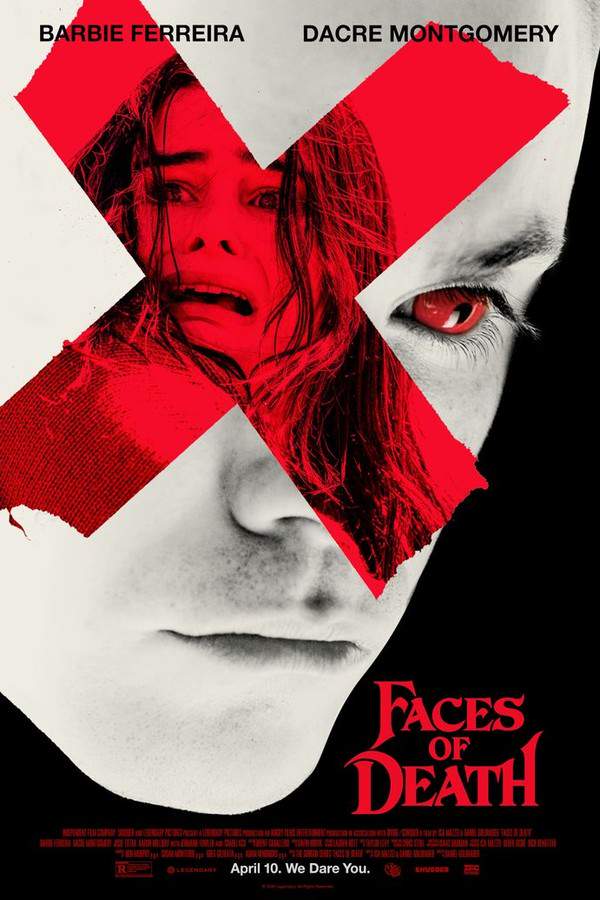
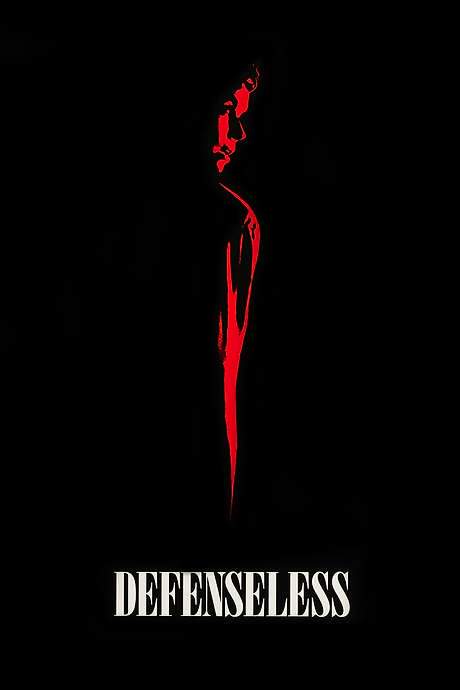
Margot Romero, Barbie Ferreira, a content moderator for Kino, a TikTok-like platform, spends her shifts filtering out content that is offensive or violent. On a routine pass through the feed, she encounters an eerily real decapitation video that lingers in her mind long after she marks it as inappropriate. At first, she tries to chalk it up to convincing, hyper-realistic effects, but her concerns intensify when another clip surfaces—this one showing a death by electric chair. She seeks second opinions, yet her colleagues dismiss her worries, a dismissal that stings all the more because of a past tragedy: a viral trend she helped spark accidentally contributed to her sister’s brutal death on a train track. The memory aches in the back of her mind as she returns home to a small apartment where her roommate, Ryan, greets her with a lipstick knife tucked into a drawer, a bizarre gift that hints at the violence closing in on their lives.
Across town, Arthur Spevak begins a chilling pursuit of victims to fuel his macabre project. He tracks down influencer Samantha, laces her with fentanyl, and abducts her, igniting Margot’s suspicions about how far the danger will go. The night deepens the fear as another grisly video—a scalpings montage—appears on Kino, and Margot’s alarms ring loud again. Yet every warning she raises is met with pushback, and the threat continues to expand when Arthur abducts a local news anchor and his son, turning private terror into a public nightmare.
Desperate for proof that what she’s seeing isn’t fiction, Margot turns to Reddit, posting cryptic clues and gathering reactions from strangers online. Her posts quickly gain traction, drawing a global audience into her investigation. As the body count climbs, Arthur executes the news anchor in a carefully staged shoot-out, and Margot realizes that the “real” snuff videos may be echoing an infamous, long-debunked film called Faces of Death. Ryan explains the film’s notoriety as a hoax, yet hints that modern re-creations keep echoing its grisly premise, complicating the line between reality and performance.
To uncover the truth, Margot devises a bold plan. She offers to swap shifts with her boss Josh and uses the opportunity to download raw footage and metadata from the uploader, hoping to verify every frame. In a perilous move, Arthur replies under a throwaway account with a malicious link that collects Margot’s IP address, tightening the trap around her.
The next day, Kino fires Margot for violating company policy after she leaves a bag of stimulants on Josh’s desk, a consequence that hardly slows her resolve. Undeterred, she keeps digging, convinced she can expose the truth and avenge her sister’s memory. Then Arthur storms their home, kills Ryan, and drugs Margot again, dragging her into a nightmare she can barely endure.
Margot awakens in a dim basement cage and, using the lipstick knife she kept on her coat, she fights back and frees herself. She rescues Samantha, who insists they flee immediately, but Margot’s stubborn curiosity survives the immediate danger—she steals Arthur’s hard drive to access the raw footage that could reveal him unmasked. Samantha breaks free but is shot by Arthur’s scoped rifle, and Margot escapes into the woods with a police escort, only to be mischaracterized as trespassing by Arthur’s manipulations, leaving her detained and vulnerable.
At the hospital, Narcan helps revive her, and a text arrives demanding the return of the drive, threatening more deaths if she hesitates. Arthur sits in his dimly lit space and speaks in chilling calm about a world desensitized to violence, a world starved for renewed content, which in his view justifies his spree. In the garage, he displays severed heads atop mannequins, a grotesque tableau meant to intimidate. He orders Margot to inject fentanyl, an echo of his earlier control, but she fights back with renewed determination. The struggle is brutal and intimate, a long, bloody struggle captured on a hidden body camera that records the truth of what happened.
Margot’s victory comes at a heavy cost. She delivers the final strikes against Arthur with her lipstick knife, and as he bleeds out, she uploads the entire confrontation to Kino. The act of posting—her resolve to expose the brutality—feels both triumphant and unsettled, as she watches the site’s moderation process approve the footage while the comments flood in with callous, gleeful reactions that make her question whether justice can ever be fully served in a world that feeds on shock.
In the end, Margot’s ordeal exposes a stark confrontation between sensational media, the people who moderate it, and the audiences that consume it. The drive she recovered contains the raw evidence she sought, and her decision to share it with Kino marks a turning point: she chooses truth and accountability over silence, even as she confronts a digital landscape where violence can be repackaged, remixed, and regurgitated for public amusement. The film closes on Margot’s uncertain mix of relief and unease, knowing that the fight against a culture of performative cruelty is ongoing—and that the line between hero and witness can blur in a world hungry for more shocking content.