
Evangelion: 2.0 You Can (Not) Advance

Evangelion: 2.0 You Can (Not) Advance

JustWatch#5,69213

Year: 2011

Runtime: 112 min

Language: Japanese

Directors: Hideaki Anno, Kazuya Tsurumaki, Masayuki

ActionSci-FiDramaAnimation

Amidst an ongoing apocalypse and attacks by monstrous beings known as Angels, young pilots Shinji and Rei confront a new set of challenges. The arrival of the spirited Asuka and the mysterious Mari further complicates matters. These four individuals must work together, piloting giant Evangelion units, to defend humanity. Their battles test not only their strength but also their emotional and psychological limits, forcing them to confront personal sacrifices and the true cost of survival.

Where to Watch Evangelion: 2.0 You Can (Not) Advance?

Find where to stream, rent, or buy Evangelion: 2.0 You Can (Not) Advance (2011) in the US with current JustWatch availability, up-to-date pricing, and platform listings for subscription, rental, and digital purchase options.

Warning: spoilers below!

Haven’t seen Evangelion: 2.0 You Can (Not) Advance yet? This summary contains major spoilers. Bookmark the page, watch the movie, and come back for the full breakdown. If you're ready, scroll on and relive the story!

Timeline & Setting – Evangelion: 2.0 You Can (Not) Advance (2011)

Explore the full timeline and setting of Evangelion: 2.0 You Can (Not) Advance (2011). Follow every major event in chronological order and see how the environment shapes the story, characters, and dramatic tension.

Time period

Location

Tokyo-3, NERV's Arctic stronghold, Bethany Base, Tabgha Base

Tokyo-3 serves as the primary battleground where the human race defends itself against Angel attacks, showcasing advanced technology and infrastructure. Bethany Base is NERV's Arctic facility, known for its strategic military operations against Angels. Tabgha Base, located on the moon, is a vital location for the development of new Evangelion units.

🏙️ City 🌌 Space ❄️ Arctic

Last updated: October 22, 2024 at 22:08

Was this helpful?

Main Characters – Evangelion: 2.0 You Can (Not) Advance (2011)

Meet the key characters of Evangelion: 2.0 You Can (Not) Advance (2011), with detailed profiles, motivations, and roles in the plot. Understand their emotional journeys and what they reveal about the film’s deeper themes.

Shinji Ikari

Shinji is a deeply conflicted character, haunted by his past and his relationship with his father, Gendo. His emotional journey throughout the film reveals his struggle between duty and personal desire, showcasing vulnerability amidst the chaos of battle. He seeks connection and understanding but often finds himself isolated by his choices.

🤔 Protagonist 😢 Introspective 💔 Vulnerable

Asuka Langley Shikinami

Asuka is portrayed as a skilled yet emotionally volatile pilot who grapples with her self-worth and the trauma of her experiences. Her competitive nature contrasts with her underlying vulnerabilities, making her a complex character who strives for acknowledgment and connection. Asuka's journey reflects the struggle between strength and fragility.

🎮 Pilot 🥊 Strong-willed 😭 Traumatized

Rei Ayanami

Rei embodies mystery and stoicism, serving as a pivotal figure in Shinji's journey. Her complex relationship with Gendo and her kindness toward Shinji reveal her deeper motivations. Rei’s character arc explores themes of identity and connection, highlighting her evolution from an enigmatic being to one with emotional depth.

🌌 Mysterious 🥺 Compassionate 🤖 Artificial

Gendo Ikari

Gendo is depicted as a commanding yet emotionally distant figure, burdened by the pressures of leading NERV while grappling with his complex relationship with Shinji. His ruthless decisions often put him at odds with family, creating a chilling portrayal of leadership shrouded in ambition and regret. Gendo's choices significantly impact the narrative's emotional landscape.

👔 Authoritative ⚖️ Ambitious 😠 Distant

Mari Illustrious Makinami

Mari is a dynamic and spirited pilot who injects a sense of audacity into the storyline. Her unconventional approach and determination make her a captivating character who adds a fresh perspective to the challenges faced by the main cast. Mari represents a new generation of pilots eager to confront daunting threats.

🌟 Bold 🚀 Adventurous 🎉 Spirited

Last updated: October 22, 2024 at 22:08

Was this helpful?

Major Themes – Evangelion: 2.0 You Can (Not) Advance (2011)

Explore the central themes of Evangelion: 2.0 You Can (Not) Advance (2011), from psychological, social, and emotional dimensions to philosophical messages. Understand what the film is really saying beneath the surface.

🛡️ Conflict

The film explores themes of conflict, both external and internal. The external conflict is evident through the battles against the Angels, highlighting the existential threat they pose to humanity. Internally, characters struggle with their relationships and obligations, particularly Shinji's complex emotions toward his father and his responsibilities as a pilot.

💔 Isolation

Isolation is a recurring theme, as many characters grapple with loneliness and the desire for connection. Shinji’s retreat from NERV and his father emphasizes the emotional isolation he feels, whereas Asuka’s trauma reflects the burdens that come from their roles as pilots. The film showcases how this isolation affects their identities and relationships.

⚔️ Sacrifice

Sacrifice plays a critical role in the narrative, evidenced by Mari's self-destruct decision and Shinji's willingness to risk himself to save Rei. Characters often face choices that require personal sacrifice for the greater good, embodying the theme that one must confront pain and loss in pursuit of a noble cause.

Last updated: October 22, 2024 at 22:08

Was this helpful?

Evangelion: 2.0 You Can (Not) Advance (2011) Character & Theme Questions Answered – Info FAQ

Browse frequently asked questions about Evangelion: 2.0 You Can (Not) Advance (2011) focused on characters, relationships, themes, symbols, setting, and story context. This movie info FAQ gives spoiler-aware explanations for character arcs, world details, and thematic interpretation so readers can better understand what the film is really about.

Q1

Where is the main setting for the battles against the Angels?

A.

The primary battleground is Tokyo-3, a futuristic city that serves as humanity's last line of defense against Angel attacks. The city is equipped with advanced technology and infrastructure designed specifically for fighting Angels. Additional important locations include Bethany Base (NERV's Arctic stronghold) and Tabgha Base (a moon-based facility for developing new Evangelion units).

tokyo-3nervangel battlesBethany baseTabgha base
Q2

What are the key NERV facilities featured in the film?

A.

NERV operates three major facilities throughout the film. Tokyo-3 is the main defensive position where Evangelion pilots engage Angels. Bethany Base is NERV's Arctic stronghold, used for strategic military operations. Tabgha Base, located on the moon, plays a critical role in developing and testing new Evangelion units. These locations form a global network for humanity's defense.

nerv facilitiesTokyo-3Bethany baseTabgha basemoon base
Q3

What are the main themes in Evangelion 2.0?

A.

The film explores three interconnected themes. Conflict appears both externally through battles against Angels and internally within characters struggling with their emotions and relationships. Isolation permeates the narrative as characters like Shinji and Asuka grapple with loneliness and the desire for meaningful connection despite their circumstances. Sacrifice drives the narrative as characters repeatedly face choices between personal survival and the greater good, exemplified by Mari's self-sacrifice and Shinji's willingness to risk everything for others.

conflictisolationsacrificethemesemotional struggle
Q4

What drives Shinji Ikari as a character?

A.

Shinji is fundamentally driven by his deep desire for connection and his tortured relationship with his father, Gendo. He struggles constantly between his sense of duty as an Evangelion pilot and his personal desire for emotional fulfillment. His journey reveals significant vulnerability as he seeks understanding and affection while feeling increasingly isolated by his responsibilities and his father's coldness.

shinji ikarifather relationshipmotivationpilotemotional journey
Q5

What defines Asuka Langley Shikinami's character?

A.

Asuka is defined by her intense contradiction between external competence and internal fragility. As a highly skilled pilot, she projects confidence and competitiveness, but beneath that surface she struggles with deep-seated self-worth issues and trauma from her experiences. Her volatile emotional state reflects her fundamental need for acknowledgment and genuine connection, making her one of the most psychologically complex characters in the film.

asuka langley shikinamipilottraumaself-worthemotional complexity
Q6

What role does Rei Ayanami play in the story?

A.

Rei serves as a pivotal figure whose mysterious, stoic exterior masks deeper emotional layers. She acts as a bridge in Shinji's emotional journey, showing him kindness that contrasts sharply with his father's coldness. Her complex relationship with Gendo adds depth to the narrative, and her character arc explores questions of identity and the potential for genuine connection despite her initial enigmatic nature.

rei ayanamimysterystoicgendo relationshipemotional depth
Q7

What kind of leader is Gendo Ikari?

A.

Gendo is depicted as a commanding yet emotionally distant leader who prioritizes NERV's mission above all else. His ruthless decision-making and ambition often put him at direct odds with his son Shinji. Despite his position of power, he carries significant regret regarding his family, creating a chilling portrait of leadership consumed by the weight of humanity's survival. His choices significantly shape the emotional landscape of the film.

gendo ikarinerv commanderfatherleadershipemotional distance
Q8

What does Mari Illustrious Makinami bring to the story?

A.

Mari represents a new generation of Evangelion pilot, bringing audacity and fresh perspective to the established team. Her dynamic, spirited personality injects energy into the narrative while her unconventional approach to combat adds tactical variety. Her willingness to make self-sacrifice decisions demonstrates that she embodies the theme of sacrifice that runs throughout the film, and she serves as a bridge between the original pilots and the evolving demands of the Angel conflicts.

mari makinaminew pilotnew generationspiritaudacity
Q9

How does the setting influence the story's tone and conflicts?

A.

The setting of Tokyo-3 creates a constant atmosphere of siege and existential threat, with the city serving as humanity's final fortress against Angel annihilation. This militarized environment reinforces the isolation characters feel, as they are physically and emotionally trapped in an eternal battle. The contrast between the advanced technology and the psychological fragility of the young pilots underscores the film's themes of sacrifice and emotional disconnection, while the global network of NERV facilities emphasizes that the stakes extend far beyond individual relationships.

tokyo-3setting influencesiegeexistential threattone
Mobile App Preview

Coming soon on iOS and Android

The Plot Explained Mobile App

From blockbusters to hidden gems - dive into movie stories anytime, anywhere. Save your favorites, discover plots faster, and never miss a twist again.

Sign up to be the first to know when we launch. Your email stays private, always.

Explore Movie Threads

Discover curated groups of movies connected by mood, themes, and story style. Browse collections built around emotion, atmosphere, and narrative focus to easily find films that match what you feel like watching right now.

Apocalyptic psychological thrillers like Evangelion: 2.0 You Can (Not) Advance

High-stakes survival stories where the looming apocalypse exacerbates deep psychological wounds.If you liked the intense psychological strain amidst global catastrophe in Evangelion: 2.0, explore more movies like it. This collection features similar high-stakes sci-fi and drama stories where characters grapple with existential threats and deep-seated trauma, creating a uniquely heavy and anxious viewing experience.

apocalypticanxiousoppressivedesperatepsychologicalberserkmelancholicdisorienting

Narrative Summary

Stories in this thread typically unfold within a collapsing world, where a direct, massive threat (like monstrous invasions or environmental disasters) forces characters to confront not only the external danger but also their own profound psychological vulnerabilities, often related to trauma, identity, and fractured relationships. The narrative often escalates towards a potentially world-altering climax.

Why These Movies?

Movies are grouped here for their shared atmosphere of high-intensity dread, blending fast-paced apocalyptic action with deeply introspective and emotionally heavy character studies. They share a dark tone, complex psychological themes, and an experience that is both visually spectacular and mentally taxing.

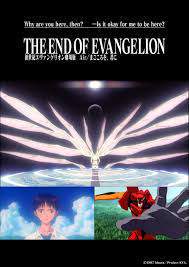
Movies with ambiguous apocalyptic endings like Evangelion: 2.0 You Can (Not) Advance

Stories where world-shattering events end on a deeply uncertain, yet potentially hopeful, note.Fans of the morally and existentially complex ending of Evangelion: 2.0 will find similar stories here. Discover movies like it that conclude with a major, world-changing event and an ambiguous feeling, blending catastrophe with a faint hint of hope or redemption, leaving the future uncertain.

melancholicapocalypticexistentialdesperateambiguousthought-provokingcatastrophicunsettling

Narrative Summary

The narrative pattern involves a relentless escalation towards a climactic event of global or personal significance—a symbolic 'impact'. This event is halted or resolved in a way that prevents total annihilation but leaves the state of the world and characters profoundly uncertain. The journey is heavy, focusing on sacrifice and existential crisis, culminating in an ending that is neither purely tragic nor happy, but hauntingly open-ended.

Why These Movies?

These films are grouped by their shared approach to endings. They prioritize emotional and philosophical resonance over tidy conclusions, creating a powerful and lingering effect. They share a high emotional weight, complex themes, and a tone that balances darkness with a fragile, ambiguous sense of potential.

Unlock the Full Story of Evangelion: 2.0 You Can (Not) Advance

Don't stop at just watching - explore Evangelion: 2.0 You Can (Not) Advance in full detail. From the complete plot summary and scene-by-scene timeline to character breakdowns, thematic analysis, and a deep dive into the ending - every page helps you truly understand what Evangelion: 2.0 You Can (Not) Advance is all about. Plus, discover what's next after the movie.

Evangelion: 2.0 You Can (Not) Advance Summary

Read a complete plot summary of Evangelion: 2.0 You Can (Not) Advance, including all key story points, character arcs, and turning points. This in-depth recap is ideal for understanding the narrative structure or reviewing what happened in the movie.

Evangelion: 2.0 You Can (Not) Advance Summary

Evangelion: 2.0 You Can (Not) Advance Timeline

Track the full timeline of Evangelion: 2.0 You Can (Not) Advance with every major event arranged chronologically. Perfect for decoding non-linear storytelling, flashbacks, or parallel narratives with a clear scene-by-scene breakdown.

Evangelion: 2.0 You Can (Not) Advance Timeline

Evangelion: 2.0 You Can (Not) Advance Spoiler-Free Summary

Get a quick, spoiler-free overview of Evangelion: 2.0 You Can (Not) Advance that covers the main plot points and key details without revealing any major twists or spoilers. Perfect for those who want to know what to expect before diving in.

Evangelion: 2.0 You Can (Not) Advance Spoiler-Free Summary

More About Evangelion: 2.0 You Can (Not) Advance

Visit What's After the Movie to explore more about Evangelion: 2.0 You Can (Not) Advance: box office results, cast and crew info, production details, post-credit scenes, and external links - all in one place for movie fans and researchers.

More About Evangelion: 2.0 You Can (Not) Advance