Plot Explained Spoilers guaranteed!
Plot Explained

Browse by genre

Equal Standard (2021) movie poster

Timeline

Equal Standard (2021) Timeline Explained – Every Event in Order

Release, runtime and language
2021 · 101 mins · English
Echo score 58
Directed by
Brendan Kyle Cochrane
Starring
David Thorpe, Jermel Howard, Lynn Marocola, Jules Willcox, Sal Rendino, Marc John Jefferies

When an NYPD detective is shot by a fellow officer, it sparks outrage and protests within the community. Gangs unexpectedly unite to demand equal justice, echoing the ideal that people should be judged by their character, not their skin color. This movement profoundly impacts the city and triggers an intervention within the police force, as officers confront systemic racism and strive for change. The fight is challenging, but ultimately, seemingly impossible goals are achieved.

On this page (4)
  1. 1 Events in order (13)
  2. 2 Timeline questions answered
  3. 3 Movie threads
  4. 4 Every angle

13 events in order · contains spoilers

Equal Standard Timeline: Events in Chronological Order

Every key event of Equal Standard (2021) in order, scene by scene, with when and where it takes place. Use it to untangle flashbacks, time jumps and parallel storylines, to refresh your memory before the sequel or to find the exact scene you are thinking of.

  1. Evening confrontation in Brooklyn

    On an evening in Brooklyn, Detective Chris Jones is approached by two white detectives who mistake him for a criminal. The officers draw their weapons and demand identification, creating a tense stand-off. Chris identifies himself as a fellow officer, hoping to de-escalate, but the confrontation quickly spirals toward violence.

    When
    Evening
    Where
    Brooklyn, NY
  2. The shootout and aftermath

    A shootout erupts as Chris defends himself, leaving him wounded and one detective dead. The scene descends into chaos, attracting onlookers and media attention. The incident raises questions about bias, self-defense, and accountability in a volatile moment.

    When
    Late night
    Where
    Brooklyn, NY
  3. Citywide outrage and tense climate

    News of the shooting ignites outrage across New York City, inflaming tensions between law enforcement and the Black community. Activists and neighborhood leaders organize demonstrations while politicians call for calm and investigation. The city braces for a charged response that could redefine trust in the police.

    When
    Following day
    Where
    New York City
  4. Internal Affairs opens investigation

    Internal Affairs launches an investigation into the shooting and Chris's actions. He is arrested and portrayed by some outlets as a rogue cop, even as evidence points toward self-defense. The case becomes a touchstone for debates about systemic bias and police accountability.

    When
    Days after incident
    Where
    NYPD Internal Affairs
  5. Captain Issak tries to manage the crisis

    Captain Chavat Issak moves to contain the crisis, balancing pressure from police leadership, angry civilians, and political figures. He works to manage information leaks, media statements, and potential departmental fallout. His leadership is tested as loyalties within the force are strained.

    When
    Day after incident
    Where
    Police Headquarters, NYC
  6. Diverse reactions from gangs and activists

    Rival gangs and community activists respond in contrasting ways: some call for peaceful justice, others prepare for retaliation against the police. Tensions widen as rhetoric hardens and mistrust grows. The city becomes a powder keg where small incidents can ignite broader conflicts.

    When
    Ongoing
    Where
    City neighborhoods
  7. Second shooting escalates the chaos

    The city is shaken again when another controversial shooting of an unarmed Black teenager occurs. Protests erupt across neighborhoods, demanding accountability and reform. The incident deepens public anger and intensifies scrutiny of police conduct.

    When
    Within weeks
    Where
    New York City
  8. Public demonstrations and division within the NYPD

    Public demonstrations spread across New York, revealing divisions within the NYPD between supporters of Chris and critics who view him as a traitor. Some officers privately acknowledge systemic racism, while others condemn the shooting and question the department's culture. The internal rift complicates investigations and day-to-day policing.

    When
    Ongoing after second shooting
    Where
    New York City
  9. Chris's personal life suffers under scrutiny

    Chris's personal life deteriorates under investigation, media scrutiny, and threats from criminals and fellow officers. He grapples with fear, guilt, and the weight of public condemnation. The emotional toll becomes a central aspect of the narrative.

    When
    Ongoing
    Where
    Various
  10. Evidence reveals corruption within the police department

    Evidence surfaces showing corruption and racist misconduct among several officers connected to the incident, revealing Chris had been unfairly targeted from the start. The revelations stain the department and erode public trust. Yet many in the public remain angry and skeptical of accountability efforts.

    When
    During investigations
    Where
    Internal Affairs / Police Headquarters
  11. Violence and retaliation intensify

    Violence spreads through neighborhoods already plagued by mistrust and poverty, as gang leaders, civilians, and police suffer losses. Retaliation cycles intensify, pushing communities toward further conflict. The city struggles to find stability as the truth about systemic issues comes to light.

    When
    After revelations
    Where
    City neighborhoods
  12. Climax: confrontation with armed gang members

    The climax brings a tense confrontation between police and armed gang members, with multiple casualties and serious injuries. Chris survives and investigators confirm he acted lawfully, providing some vindication. Despite this, the broader damage from racism, corruption, and fear feels irreparable.

    When
    Climax
    Where
    City streets and police lines
  13. Aftermath and somber ending

    The investigation provides partial vindication for Chris, but the damage from racism, corruption, and fear proves irreversible. The story ends with a somber reminder that cycles of violence and distrust persist despite accountability and reform efforts. The community and police remain trapped in a cycle of mistrust.

    When
    Epilogue
    Where
    New York City

Last updated: June 16, 2026 at 13:21

Was this helpful?

Timeline questions answered

Equal Standard Timeline Explained: Your Questions Answered

When does it happen, and why in that order? The questions people ask about the chronology of Equal Standard (2021): time jumps, flashbacks, cause and effect between scenes and the correct order of events, each answered with spoilers.

Q1

Why was Detective Chris Jones arrested when he acted in self-defense?

Chris Jones was arrested because the initial media narrative portrayed him as a rogue cop. Even though evidence pointed to self-defense, two white detectives mistook him for a criminal and escalated the confrontation, politicians and police leadership quickly seized on the incident to push their own agendas. The arrest was less about facts and more about managing public perception and political pressure during a volatile moment.

Foreshadowing: The encounter began when two detectives aggressively drew their weapons on Jones without proper verification, setting the tone for how the case would be handled.

  • chris jones arrest
  • self-defense
  • nypd
  • police shooting
  • media narrative
Q2

Why do rival gangs unite in Equal Standard?

The rival gangs unite because the shooting of Chris Jones, an Black NYPD officer wrongly targeted by white detectives, becomes a symbol of the systemic racism both communities have long suffered. Despite their internal conflicts, gang leaders recognize that the incident exposes the same bias and injustice their own members face daily. This shared experience of discrimination creates a rare moment of solidarity across gang lines.

Foreshadowing: Earlier scenes show both gangs experiencing police harassment and profiling, building toward a unified response.

  • gangs unite
  • rival gangs
  • solidarity
  • systemic racism
  • equal justice
Q3

What triggered the citywide protests in Equal Standard?

The protests were triggered by two connected events: first, the shootout where Chris Jones was wounded and a detective was killed, and second, within weeks, another controversial shooting of an unarmed Black teenager by police. These incidents ignited outrage across New York City's Black community, with activists demanding accountability and reform. The rapid succession of police violence fueled demonstrations that spread throughout the city.

Foreshadowing: The timeline shows the first incident created a volatile mood, and the second shooting acted as the final spark.

  • protests
  • demonstrations
  • police shooting
  • unarmed black teenager
  • new york city
Q4

What corruption did Internal Affairs uncover during the investigation?

Internal Affairs uncovered a pattern of racist behavior and misconduct among several officers connected to the initial incident. The investigation revealed that Chris Jones had been unfairly targeted from the start, with racist attitudes influencing how the case was handled internally. This evidence painted a fuller picture of the biases shaping the department, showing the investigation wasn't just about one shooting but systemic issues within the force.

Foreshadowing: Early in the investigation, Captain Issak noted how internal loyalties and perceptions were already shaping the case.

  • internal affairs
  • corruption
  • racist behavior
  • police misconduct
  • department investigation
Q5

Why does Equal Standard end on a somber note despite some justice being served?

The ending remains somber because while Chris Jones receives partial vindication, investigators confirm he acted lawfully, the broader damage from systemic racism, departmental corruption, and cycles of violence proves irreversible. The film closes with the realization that both the community and police remain trapped in patterns of mistrust and retaliation. The partial victory comes at great cost, with lasting divisions that no investigation can fully repair.

Foreshadowing: Throughout the film, the cycle of violence and distrust builds despite attempts at accountability.

  • bittersweet ending
  • justice
  • cycles of violence
  • irreversible damage
  • police reform
Q6

What happens during the climax confrontation in Equal Standard?

The climax brings a direct confrontation between police and armed gang members on city streets. Multiple characters are killed or seriously injured as the city reaches a breaking point. Chris Jones survives the encounter and receives confirmation from investigators that he acted lawfully, providing personal vindication. However, the confrontation represents the culmination of accumulated tensions between law enforcement and communities that have been at odds throughout the film.

Foreshadowing: Earlier timeline events show escalating violence and retaliation cycles building toward this breaking point.

  • climax
  • confrontation
  • gang members
  • casualties
  • chris jones vindication
Q7

What role does Captain Issak play in the story?

Captain Chavat Issak serves as the police department's crisis manager, working to contain the fallout from the shooting. He balances pressure from police leadership, angry civilians, and political figures seeking to capitalize on the tragedy. His leadership is tested as internal loyalties strain and information leaks threaten the department. Issak represents the difficult position of trying to maintain order while facing systemic dysfunction.

Foreshadowing: From the day after the incident, Issak is shown managing media statements and departmental fallout.

  • captain issak
  • crisis management
  • nypd leadership
  • media pressure
Q8

How does Chris Jones's personal life get affected by the investigation?

Chris Jones's personal life deteriorates significantly under the weight of investigation, media scrutiny, and threats from both criminals and fellow officers. He grapples with fear, guilt, and the emotional toll of being publicly condemned despite having acted lawfully. The stress of being portrayed as a rogue cop while fighting for his reputation takes a severe psychological toll, becoming a central emotional arc of the narrative.

Foreshadowing: The timeline notes that his personal life suffers ongoing scrutiny throughout the investigation period.

  • chris jones personal life
  • emotional toll
  • media scrutiny
  • threats
  • reputation
Q9

What was the second shooting that further escalated the chaos?

Within weeks of the initial incident, another controversial police shooting occurred, this time involving an unarmed Black teenager. This second incident shattered any hope of de-escalation and deepened public anger across New York City. The tragedy intensified scrutiny of police conduct and fueled demands for systemic reform, making the already volatile situation even more explosive.

Foreshadowing: The timeline indicates this second shooting happens within weeks, when tensions were already at a breaking point.

  • second shooting
  • unarmed black teenager
  • escalated chaos
  • police brutality
Q10

What divisions emerged within the NYPD during the crisis?

The NYPD split into distinct factions: some officers privately supported Chris Jones and acknowledged systemic racism within the department, while others viewed him as a traitor who worsened anti-police sentiment. This internal rift complicated investigations and day-to-day policing, as loyalty to colleagues conflicted with public accountability. The division reflected broader societal tensions about race and policing.

Foreshadowing: Early in the crisis, some officers privately expressed support for Jones while others condemned him publicly.

  • nypd division
  • police internal conflict
  • systemic racism
  • officer loyalty

Movie threads

More Movies Like Equal Standard, by Mood & Story

Curated lists built around what makes Equal Standard tick: the same mood, the same kind of story or the same emotional payoff. Each list explains why these movies belong together.

Urgent Social Justice Thrillers like Equal Standard

Tense stories where communities rise against systemic injustice. Discover movies like Equal Standard that explore tense, fast-paced stories of community outrage and the fight against systemic injustice. These social justice thrillers feature high intensity, heavy emotional weight, and gritty urban settings.

  • urgent
  • gritty
  • outraged
  • tense
  • anxious
  • somber
  • Tone: tense, angry, urgent
  • Pacing: fast, propulsive
Why these movies?

The story pattern: These narratives typically begin with a catalytic incident of injustice that sparks community outrage and protest. The story follows multiple perspectives—victims, activists, and those within the corrupt system—as tensions escalate toward a climactic confrontation. While some progress may be achieved, the endings often remain bittersweet, acknowledging the ongoing nature of the struggle.

Why they belong together: These films share a tense, urgent tone, fast pacing, and high intensity driven by social conflict. They focus on systemic injustice, community mobilization, and institutional corruption, creating a cohesive viewing experience of gritty, socially relevant thrillers.
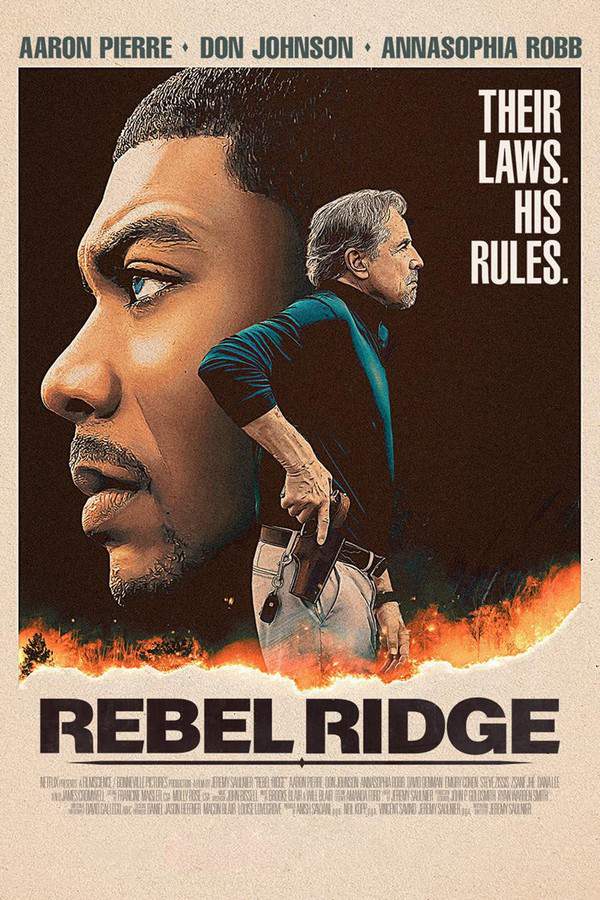

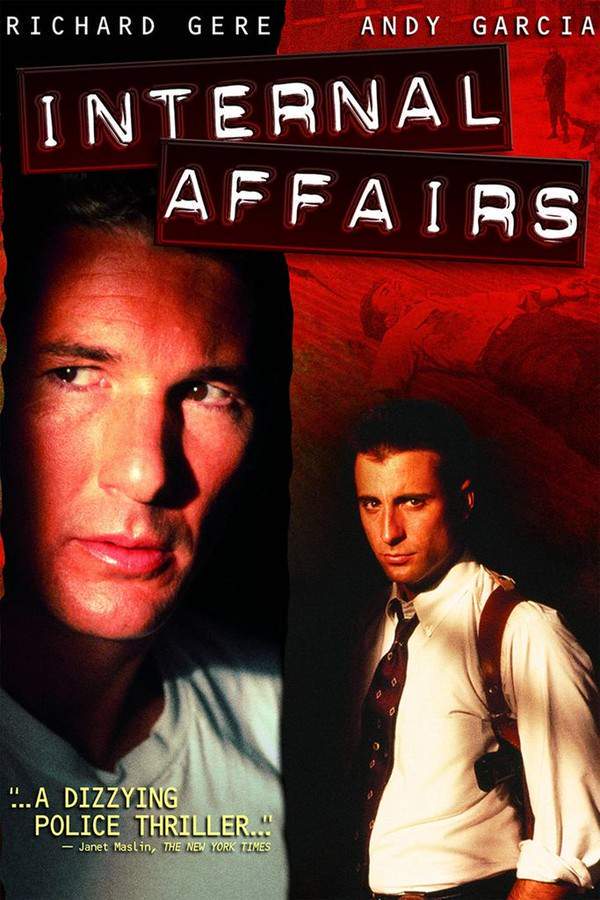
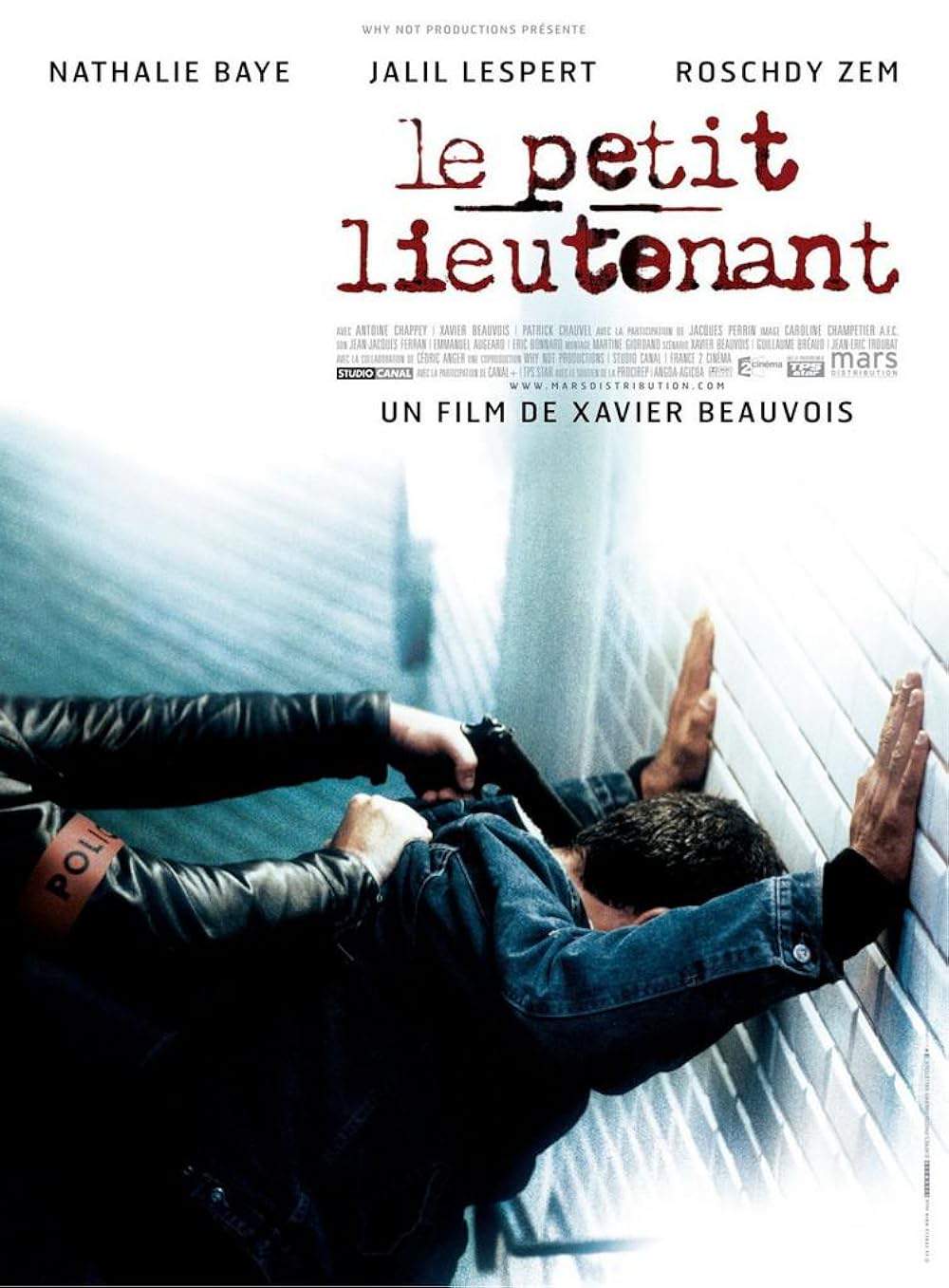
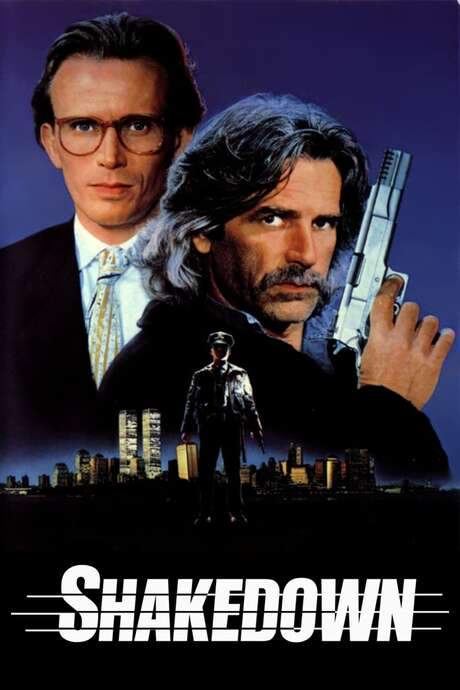
Bittersweet Institutional Reckonings like Equal Standard

Stories where corrupt systems face painful but necessary internal change. Find movies similar to Equal Standard about police departments and other institutions facing internal investigations and systemic reform. These dramas feature tense internal conflicts, corruption exposures, and bittersweet endings after heavy moral choices.

  • somber
  • tense
  • reflective
  • urgent
  • anxious
  • oppressive
  • Tone: tense, somber, reflective
  • Pacing: steady, building tension
Why these movies?

The story pattern: These stories typically begin with a triggering event that exposes systemic corruption or bias within an institution. The narrative follows internal investigators, whistleblowers, and reformers as they navigate institutional resistance while external pressure builds. The resolution involves partial reforms and accountability, but acknowledges the enduring nature of systemic problems and the personal toll on those who fought for change.

Why they belong together: These films share a focus on institutional corruption, internal investigations, and the bittersweet nature of systemic reform. They feature heavy emotional weight, moderate complexity with multiple perspectives, and endings that acknowledge both progress and ongoing challenges.

Every angle

Equal Standard (2021) Explained: Plot, Timeline & Characters

Everything about Equal Standard in one place: what happens in the plot summary, the timeline in chronological order, the characters and meaning and a spoiler-free summary. What's After the Movie adds the cast, box office and post-credit scenes.

Coming soon on iOS and Android

The Plot Explained Movie Summary App

Plot summaries, endings explained and timelines on your phone. Catch up on any movie in minutes, save your favorites and never miss a twist again.

Be the first to know when we launch. Your email stays private, always.

Learn more about the app