Plot Explained Spoilers guaranteed!
Plot Explained

Browse by genre

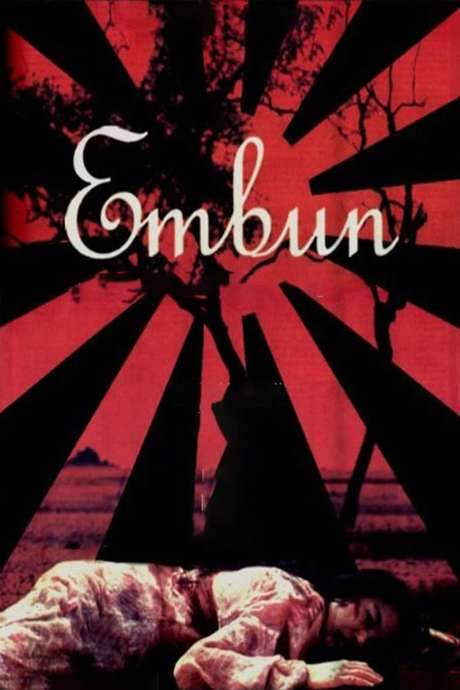
Embun (2002) movie poster

Characters & Themes

Embun (2002) Characters, Setting & Themes Explained

Release, runtime and language
2002 · 135 mins · Malay
Loading streaming availability…
Directed by
Erma Fatima
Starring
Ahmad Tarmimi Siregar, Rahim Razali, Normah Damanhuri, Umie Aida, Aqasha, Ellie Suriaty

During the 1940s Japanese occupation of Malaya, Embun is thrust into the resistance when her brother Bayu and father are arrested. While fighting the invaders, she becomes drawn to Koishi, a Japanese army public‑relations officer tasked with winning Malay support. Koishi also seeks the Malay man who married his mother, a former Japanese spy, adding personal stakes to the conflict.

On this page (7)
  1. 1 Where to watch
  2. 2 Characters explained (4)
  3. 3 Where & when it takes place
  4. 4 Themes & meaning (3)
  5. 5 Character & meaning questions
  6. 6 Movie threads
  7. 7 Every angle
Loading streaming availability…

4 main characters · contains spoilers

Embun Characters Explained: Who Is Who

The main characters of Embun (2002), heroes and villains: what drives them, how they change over the course of the story and what each of them reveals about the film's bigger ideas.

  • Embun (Umie Aida)

    A 17-year-old Malay girl with a fierce spirit who evolves from a village resident into a determined resistance fighter. She endures capture and trauma yet remains focused on freeing her people, driven by family losses and a hunger for liberation.

    • 💪 Resilience
    • 🧭 Determination
    • 🕊️ Courage
  • Koishi

    A Japanese lieutenant who saves Embun at a critical moment and later collaborates with her to influence Malay support for the occupation's development program. His loyalties are conflicted, making him a pivotal and tragic figure whose fate intertwines with the resistance.

    • 🤝 Alliance
    • 🧭 Complexity
    • 💔 Sacrifice
  • Bayu

    Embun's brother and the driving force of the Young Malay Union in Bayan Lepas. He organizes protests against the Japanese arrival and becomes a focal point for Embun's resolve in the resistance.

    • 🔥 Leadership
    • 🧭 Activism
  • Pak Harun

    Embun's father, whose death becomes a galvanizing moment for Embun's commitment to resisting the occupiers and pursuing Malay liberation.

    • 💔 Family
    • 🕊️ Loss

Last updated: October 04, 2025 at 11:58

Was this helpful?

Setting

Where and When Does Embun Take Place?

The setting of Embun (2002): the year and time period, the places and locations, and how they shape the characters, the mood and the tension of the story.

Time period

1940s

The events take place during World War II when Japan occupied Malaya. Propaganda slogans like Asia for Asians and the Greater East Asia Co-Prosperity Sphere shape an atmosphere of coercion and manipulation. Occupation forces crack down on dissent while locals organize protests and resistance activities.

Location

Bayan Lepas, Penang, Malaya

Embun's story unfolds in a coastal Malay village in Bayan Lepas on Penang Island during the Japanese occupation of Malaya. The community endures military rule, propaganda, and shifting loyalties as locals weigh collaboration against resistance. Life centers on the village and its networks of family and neighbors navigating fear and the push for Malay self-determination.

  • 🏝️ Coastal Malay village
  • 🕰️ Colonial era
  • 🧭 Penang island

Last updated: October 04, 2025 at 11:58

Was this helpful?

3 major themes

Embun Meaning: Themes & Message Explained

What is Embun (2002) really about? The emotional, social and philosophical themes the film keeps returning to, its symbolism and the message beneath the surface.

  • Resistance

    Embun and her allies oppose the Japanese occupation, turning personal losses into political action. The story shows how courage, strategic choices, and sacrifice fuel a grassroots struggle for Malay autonomy. The tension between loyalty to family and duty to the movement drives the narrative.

  • Empowerment

    Embun defies traditional female roles, stepping into leadership during a crisis. Her activism and persistence reveal female agency in wartime, including uneasy alliances that shape the resistance. The narrative highlights how empowerment can alter power dynamics under occupation.

  • Betrayal & Sacrifice

    Alliances fracture as loyalty and danger collide: Koishi's involvement, Akishi's pursuit of punishment, and Embun's vow of vengeance frame the costs of war. The characters face moral ambiguity and personal loss amid the broader fight for justice. Sacrifice becomes the bridge between enemies and allies, shaping the story's consequences.

Last updated: October 04, 2025 at 11:58

Was this helpful?

Character & theme questions

Embun Characters & Meaning: Your Questions Answered

The questions people ask about Embun (2002): who the characters really are, their relationships, what the symbols mean, where it takes place and what the movie is really about. Each answer contains spoilers.

Q1

Where is the movie set?

The story takes place in a coastal Malay village in Bayan Lepas on Penang Island during the Japanese occupation of Malaya. The setting showcases a community living under military rule, navigating fear and the struggle for Malay self-determination while facing propaganda and shifting loyalties between collaboration and resistance.

Foreshadowing: The coastal village location establishes the precarious position of locals caught between occupiers and resistance fighters.

  • penang island
  • bayan lepas
  • malaya
  • japanese occupation
  • village
Q2

What time period does the film depict?

The film is set in the 1940s during World War II when Japan occupied Malaya. The era is characterized by propaganda slogans like "Asia for Asians" and the "Greater East Asia Co-Prosperity Sphere," creating an atmosphere of coercion and manipulation while occupation forces cracked down on dissent.

Foreshadowing: The 1940s timeframe establishes the historical context of colonial occupation and resistance that defines the characters' choices.

  • 1940s
  • world war 2
  • japanese occupation
  • malaya
  • ww2
Q3

What are the main themes in the movie?

The movie explores three interconnected themes: Resistance, where characters transform personal loss into political action against the Japanese occupation; Empowerment, showing how Embun defies traditional female roles to become a resistance leader; and Betrayal & Sacrifice, depicting the moral ambiguity and personal costs of war when loyalty and danger collide.

Foreshadowing: These themes interweave throughout the narrative, creating a complex portrait of wartime choices and their consequences.

  • resistance
  • empowerment
  • betrayal
  • sacrifice
  • japanese occupation
  • malay autonomy
Q4

Who is Embun and what is her role in the story?

Embun is a 17-year-old Malay girl who evolves from an ordinary village resident into a determined resistance fighter. Driven by family losses, including her father Pak Harun's death and brother Bayu's arrest, she endures capture and trauma while remaining focused on freeing her people from occupation.

Foreshadowing: Her transformation from villager to resistance leader sets the emotional arc of the entire film.

  • embun
  • resistance fighter
  • malay girl
  • protagonist
Q5

Who is Koishi and what is his role?

Koishi is a Japanese lieutenant whose role evolves from a representative of the occupation to a conflicted figure who saves Embun at a critical moment. He collaborates with her to influence Malay support for the occupation's development program, making him a pivotal and tragic figure whose fate becomes intertwined with the resistance.

Foreshadowing: His conflicted loyalties create the central moral tension of the story.

  • koishi
  • japanese lieutenant
  • romance
  • collaboration
Q6

Who is Bayu and what is his significance?

Bayu is Embun's brother and the driving force behind the Young Malay Union in Bayan Lepas. He organizes protests against the Japanese arrival and becomes a focal point for Embun's resolve in the resistance, representing the generational push for Malay self-determination.

Foreshadowing: His activism and subsequent arrest set Embun's journey into motion.

  • bayu
  • young malay union
  • embun's brother
  • resistance leader
Q7

Who is Pak Harun and why is he important?

Pak Harun is Embun's father whose death becomes a galvanizing moment for her commitment to resisting the occupiers. His loss transforms her personal grief into political action, driving her pursuit of Malay liberation and fueling her transformation into a resistance fighter.

Foreshadowing: His death represents the first major sacrifice that propels Embun into the resistance movement.

  • pak harun
  • embun's father
  • death
  • martyrdom
Q8

How does the movie portray female empowerment?

The film highlights female agency in wartime through Embun's journey, as she defies traditional Malay female roles to step into leadership during the crisis. Her activism and persistence show how empowerment can alter power dynamics under occupation, including forming uneasy alliances that shape the resistance.

Foreshadowing: Embun's evolution challenges the expected gender roles of the 1940s Malay society.

  • female empowerment
  • gender roles
  • woman protagonist
  • malay society
Q9

How does the romance between Embun and Koishi develop?

The central romance develops between Embun, a Malay resistance fighter, and Koishi, a Japanese army officer tasked with winning Malay support. Their relationship blurs enemy lines, creating moral complexity as personal connection forms amid the conflict between occupier and colonized.

Foreshadowing: This forbidden romance is foreshadowed by Koishi saving Embun, establishing the complicated dynamics that follow.

  • embun koishi romance
  • japanese officer
  • forbidden love
  • enemy lines
Q10

What was the Japanese occupation of Malaya like?

The Japanese occupation of Malaya during World War II involved military rule, propaganda efforts, and coercion under the guise of "Asia for Asians." Locals faced difficult choices between collaboration and resistance, with the occupation forces cracking down on dissent while simultaneously creating spaces for subtle resistance activities.

Foreshadowing: The oppressive context shapes every character's choices and moral dilemmas throughout the film.

  • japanese occupation
  • world war 2
  • asia for asians
  • colonialism
  • propaganda
Q11

What is the emotional tone of the film?

The film carries a predominantly tense tone, reflecting the sustained suspense and danger of living under occupation. It has a bittersweet emotional weight, as the protagonist achieves revenge but at the tremendous personal cost of her lover's death and her own traumatic transformation, leaving a mix of defiant resolution and deep sorrow.

Foreshadowing: The meta description establishes that the ending delivers both resolution and profound loss.

  • bittersweet
  • emotional tone
  • war trauma
  • sacrifice
  • tragic ending
Q12

What moral conflicts does the movie explore?

The movie explores the moral ambiguity of collaboration versus resistance, showing characters navigating impossible choices under occupation. The themes of betrayal and sacrifice frame the costs of war, as characters face personal loss amid the broader fight for justice, with sacrifice becoming the bridge between enemies and allies.

Foreshadowing: This moral complexity is established early through the village's shifting loyalties and the characters' conflicting motivations.

  • collaboration
  • resistance
  • moral ambiguity
  • betrayal
  • japanese occupation

Movie threads

More Movies Like Embun, by Mood & Story

Curated lists built around what makes Embun tick: the same mood, the same kind of story or the same emotional payoff. Each list explains why these movies belong together.

Movies with a forbidden wartime romance like Embun

Love stories that bloom tragically across enemy lines during brutal occupations. If you were drawn to the tragic love story between Embun and Koishi, this thread gathers movies with similar forbidden romances set during wartime occupations. These films feature characters falling in love across enemy lines, facing moral dilemmas, family loyalty, and the heavy emotional cost of love in a time of conflict.

  • tragic romance
  • tense
  • somber
  • dramatic
  • forbidden love
  • wartime drama
  • Tone: tense, tragic, dramatic
  • Pacing: steady, character-driven
Why these movies?

The story pattern: Stories in this thread typically center on a romance that defies the political and social boundaries of war. The central conflict arises from the lovers' divided loyalties, forcing them to navigate suspicion, betrayal, and the constant threat of violence. The narrative arc often follows their struggle to protect their love amidst escalating conflict, culminating in a bittersweet or tragic resolution.

Why they belong together: These movies are grouped together because they share a core focus on the emotional and moral complexities of a romance between individuals from warring factions. They blend the high stakes of a war drama with the intimate, personal stakes of a forbidden love, creating a uniquely tense and emotionally heavy viewing experience.
Movies about civilian trauma and resilience in war like Embun

Stories of ordinary people forged into resilience by the horrors of war. If you were moved by Embun's traumatic journey from a peaceful life to becoming a resilient fighter, this thread features similar stories. These films focus on the emotional weight of war on ordinary people, exploring themes of grief, loss, moral transformation, and the fierce resilience required to survive oppression.

  • gritty
  • somber
  • tragic
  • resilient
  • anxious
  • oppressive
  • Tone: somber, gritty, tense
  • Pacing: steady, escalating crisis
Why these movies?

The story pattern: The narrative pattern follows a civilian protagonist whose world is shattered by the outbreak or escalation of war. They endure significant personal tragedies—loss of family, imprisonment, violence—that force a dramatic character transformation. The journey is one of descending into hardship and emerging fundamentally changed, often trading innocence for a hardened will to survive or seek justice.

Why they belong together: These films are united by their intense focus on the psychological and emotional impact of war on non-combatants. They share a heavy emotional weight, a tense and oppressive atmosphere, and a central character arc defined by trauma and the forging of resilience through immense suffering.

Every angle

Embun (2002) Explained: Plot, Timeline & Characters

Everything about Embun in one place: what happens in the plot summary, the timeline in chronological order, the characters and meaning and a spoiler-free summary. What's After the Movie adds the cast, box office and post-credit scenes.

Coming soon on iOS and Android

The Plot Explained Movie Summary App

Plot summaries, endings explained and timelines on your phone. Catch up on any movie in minutes, save your favorites and never miss a twist again.

Be the first to know when we launch. Your email stays private, always.

Learn more about the app