



Plot Explained Spoilers guaranteed!
Plot Explained

Browse by genre

Egon Schiele: Death and the Maiden (2016) movie poster

Timeline

Egon Schiele: Death and the Maiden (2016) Timeline Explained – Every Event in Order

Release, runtime and language
2016 · 105 mins · German
Starring
Luc Feit, Noah Saavedra, Valerie Pachner, Thomas Schubert, Al Ginter, Germain Wagner

Vienna, Austria, in 1910, follows the burgeoning career of young painter Egon Schiele. As a rising artist, he challenges conventions with his provocative and intensely personal work. Schiele's art, often characterized by its eroticism and psychological depth, both shocks and captivates the art world, marking him as a controversial and increasingly significant figure.

On this page (5)
  1. 1 Where to watch
  2. 2 Events in order (12)
  3. 3 Timeline questions answered
  4. 4 Movie threads
  5. 5 Every angle

Where to watch

Where to Watch Egon Schiele: Death and the Maiden (2016)

Where can you watch Egon Schiele: Death and the Maiden? Stream, rent or buy it in the US, including on Fawesome, Hoopla and Kanopy: current JustWatch availability with up-to-date prices.

Streaming availability powered by JustWatch

12 events in order · contains spoilers

Egon Schiele: Death and the Maiden Timeline: Events in Chronological Order

Every key event of Egon Schiele: Death and the Maiden (2016) in order, scene by scene, with when and where it takes place. Use it to untangle flashbacks, time jumps and parallel storylines, to refresh your memory before the sequel or to find the exact scene you are thinking of.

  1. Early life and poverty

    Egon Schiele is a university student in pre-WWI Vienna, living in artistic poverty. He supports his younger sister Gerti with money from their wealthy uncle in Prague. He devotes himself to drawing and painting, focusing on figure studies of young women, while the stipend helps them survive.

    When
    early 1900s, pre-WWI
    Where
    Vienna
  2. Emerging artist with modest sales

    As his work circulates, Egon sells a few drawings and paintings for modest sums. The monthly stipend from his Prague-based uncle continues to sustain them. He begins to gain some recognition, but money is not his primary driver.

    When
    early 1900s
    Where
    Vienna
  3. Meeting Klimt and exchange agreement

    Gustav Klimt, a leading figure in Vienna's art scene, takes notice of Egon's talent and considers buying some pieces. Egon remains uninterested in money as the driving force behind his art. The two artists strike an unusual arrangement: Klimt would trade some of his drawings for some of Egon's works, since Egon won't part with the pieces he creates.

    When
    early 1900s
    Where
    Vienna
  4. Model arrives; romantic spark

    The arrival of Klimt's model creates tension at Egon's studio and a romantic spark develops between them. Egon becomes fascinated with the aesthetics of the female form, shifting his attention toward the newcomer. The two artists begin sessions for drawing and painting.

    When
    early 1900s
    Where
    Egon's studio, Vienna
  5. Sister's concern and stipend cut

    Gerti grows perplexed as Egon's focus moves toward the model, straining their brother-sister bond. She writes to their uncle to explain the changing circumstances. In response, the stipend is cut off, and she is advised to return to a more conventional moral life.

    When
    early 1900s
    Where
    Vienna
  6. Rumors and summons

    Authorities hear rumors that Egon's drawings used underage girls as models for explicit nude work. He is summoned to a hearing that could change the course of his life.

    When
    pre-trial
    Where
    Vienna
  7. Defense and evidence

    Klimt's former model seeks help for Egon, and Klimt provides a defense. The proceedings reveal that none of the girls were objectified by Egon in a sexual sense, and medical examinations show they retained their maidenly virtue. Yet the court weighs the moral value of his art.

    When
    during trial
    Where
    Vienna court
  8. Verdict: probation and scrutiny

    The drawings are deemed lewd and the court imposes a 30-day probation, sparing harsher penalties. The verdict marks a mixed victory: Egon is spared severe punishment, but his career and reputation come under intense scrutiny. He exits the courthouse with a fragile relief and a lingering threat over his future.

    When
    verdict day
    Where
    Vienna court
  9. Aftermath and health decline

    Years of poverty and mounting health problems take their toll on Egon. His relationship with Klimt's former model becomes untenable, and she volunteers as a nurse when World War I breaks out. Egon continues to work, preparing for exhibitions despite the hardship.

    When
    post-trial into WWI era
    Where
    Vienna
  10. World War I era; new opportunities

    With the war underway, the former model serves as a nurse while Egon is now free to pursue marriage and stage his first exhibitions. He pushes artistic experimentation despite ongoing health issues. The war adds strain to his personal and professional life.

    When
    World War I period (1914-1918)
    Where
    Vienna
  11. Death at 27

    Egon's health deteriorates beyond medical help, and he dies at the age of 27. In his final years, he leaves behind a vast legacy of work, including over 600 oil paintings and more than 2,000 drawings. His studio becomes a treasure trove that posthumously defines his impact.

    When
    c. 1918
    Where
    Vienna
  12. Legacy cataloging begins

    After his death, an accountant begins inventorying the enormous collection, gradually assigning prices to the works. The documentary montage at the end emphasizes the lasting value of his art and the stark reminder of a prodigious talent cut short. The closing scenes frame his legacy as a bridge between traditional and modern depictions of the female form.

    When
    posthumous
    Where
    Vienna studio

Last updated: October 03, 2025 at 06:46

Was this helpful?

Timeline questions answered

Egon Schiele: Death and the Maiden Timeline Explained: Your Questions Answered

When does it happen, and why in that order? The questions people ask about the chronology of Egon Schiele: Death and the Maiden (2016): time jumps, flashbacks, cause and effect between scenes and the correct order of events, each answered with spoilers.

Q1

Why was Egon Schiele put on trial?

Egon Schiele was summoned to a hearing because authorities heard rumors that his drawings used underage girls as models for explicit nude work. The authorities considered this a moral issue, and the trial could have resulted in serious penalties that would have dramatically changed the course of his life and career.

Foreshadowing: Earlier in the film, Egon shifts his focus to figure studies of young women, drawing models who would eventually attract legal scrutiny.

  • trial
  • underage models
  • censorship
  • court case
  • lewd drawings
Q2

What happened at Egon Schiele's trial?

During the trial, Klimt's former model sought help for Egon, and Klimt himself provided a defense. The proceedings revealed that none of the girls were objectified sexually, and medical examinations confirmed they retained their maidenly virtue. Despite this, the court still weighed the moral value of his art.

Foreshadowing: Klimt's earlier support and his arrangement with Egon suggested a protective relationship that would manifest during the trial.

  • verdict
  • probation
  • court proceedings
  • defense
  • Klimt
Q3

What was the outcome of Egon Schiele's trial?

The court deemed the drawings lewd and imposed a 30-day probation instead of harsher penalties. This marked a complicated victory: Egon was spared severe punishment, but his career and reputation came under intense scrutiny, leaving a lingering threat over his future.

Foreshadowing: The trial's outcome reflects the broader societal tension between artistic freedom and moral standards that runs throughout the film.

  • verdict
  • probation
  • sentence
  • punishment
  • lewd drawings
Q4

How did Egon Schiele meet Gustav Klimt?

As Egon's work started to circulate in Vienna's art scene, Gustav Klimt, a leading figure in the city's art world, took notice of his talent. Klimt was genuinely impressed and offered to buy some of Egon’s pieces, though Egon remained uninterested in money as a driving force behind his art.

Foreshadowing: Egon's early dedication to drawing and his focus on figure studies positioned him for recognition within Vienna's artistic community.

  • Gustav Klimt
  • mentor
  • artistic exchange
  • Vienna art scene
Q5

What was the arrangement between Egon Schiele and Gustav Klimt?

The two artists struck an unusual arrangement: Klimt would trade some of his own drawings for some of Egon's works, since Egon refused to part with his pieces for money. This created a shared ground in their artistic exchange, with Klimt also offering his model to Egon for drawing and painting sessions.

Foreshadowing: Klimt's recognition of Egon's fascination with the female form set the stage for their professional relationship.

  • art exchange
  • drawings trade
  • collaboration
  • Klimt's model
Q6

Why was Egon Schiele's stipend cut off?

Egon's sister Gerti grew perplexed as he shifted his focus toward the model, straining their bond. She wrote to their wealthy uncle in Prague to explain the changing circumstances. In response, the monthly stipend was cut off, with advice for Gerti to return to a more conventional moral life.

Foreshadowing: The tension between Egon and Gerti was established early when he devoted himself to art rather than formal studies, creating friction in their household.

  • uncle
  • stipend
  • financial support
  • Gerti
  • Prague
Q7

What happened to Egon Schiele's relationship with Klimt's former model?

Years of poverty and mounting health problems took their toll on Egon, making his relationship with Klimt's former model untenable. She volunteered as a nurse when World War I broke up, while Egon continued to work, free to pursue marriage and hold his first exhibitions.

Foreshadowing: The romantic spark that developed when the model first arrived hinted at both personal fulfillment and future instability.

  • relationship
  • World War I
  • nurse
  • separation
  • poverty
Q8

How did World War I affect Egon Schiele's life?

When World War I broke out, the former model volunteered as a nurse, separating from Egon. The war added strain to his personal and professional life, though it also freed him to pursue marriage and stage his first exhibitions. Despite ongoing health issues, he continued artistic experimentation during this period.

Foreshadowing: The mounting health problems and poverty that preceded the war created vulnerability that the conflict would exacerbate.

  • World War I
  • 1914
  • nurse
  • exhibitions
  • marriage
Q9

What caused Egon Schiele's death?

Egon's constitution had suffered from years of poverty and health problems, and his health deteriorated to the point where no medicine could halt the decline. He died at the age of 27, leaving behind a vast legacy of over 600 oil paintings and more than 2,000 drawings.

Foreshadowing: The film's melancholic tone and continuous references to his declining health foreshadowed this inevitable outcome.

  • death
  • age 27
  • health decline
  • poverty
  • tuberculosis
Q10

How many paintings did Egon Schiele leave behind?

At his death, Egon left behind a vast legacy including more than 600 oil paintings and over 2,000 drawings, stored in his studio. After his death, an accountant began inventorying the enormous collection, gradually assigning prices to the many works that had once defined his life and vocation.

Foreshadowing: His relentless dedication to creating art, even during periods of poverty and illness, set the foundation for this prolific output.

  • legacy
  • oil paintings
  • drawings
  • studio
  • collection
  • inventory
Q11

Why was Egon Schiele's art considered controversial?

Egon's work was characterized by its eroticism and psychological depth, challenging conventions with its provocative and intensely personal nature. His focus on figure studies of young women, often depicted in explicit poses, shocked the art world and attracted moral scrutiny, leading to the trial that deemed some of his drawings lewd.

Foreshadowing: Klimt's recognition of Egon's fascination with the aesthetics of the female form previewed the controversial direction his art would take.

  • controversial art
  • eroticism
  • censorship
  • nude drawings
  • artistic provocation

Movie threads

More Movies Like Egon Schiele: Death and the Maiden, by Mood & Story

Curated lists built around what makes Egon Schiele: Death and the Maiden tick: the same mood, the same kind of story or the same emotional payoff. Each list explains why these movies belong together.

Tragic artist biographies like Egon Schiele: Death and the Maiden

Intimate portraits of brilliant but tormented creators facing societal rejection. If you were moved by the story of Egon Schiele, explore other movies like it that focus on the tumultuous lives of famous artists. These similar biographical dramas capture the creative struggle, the clash with convention, and the often tragic personal cost of leaving a lasting artistic legacy.

  • tragic
  • melancholic
  • reflective
  • contemplative
  • intimate
  • grim
  • Tone: melancholic, tragic, reflective
  • Pacing: steady, character-driven
Why these movies?

The story pattern: These narratives typically follow a linear biographical path, charting the rise of a unique talent against a backdrop of poverty, censorship, illness, or personal demons. The central conflict is often between the artist's uncompromising vision and a conservative or hostile world, culminating in a reflective, and frequently sad, ending that underscores the fragility of creative life.

Why they belong together: Movies in this thread share a focus on the intimate connection between an artist's life and work, a steady pacing that allows for deep character study, and a heavy emotional weight derived from themes of struggle, legacy, and early death. They resonate with a melancholic, contemplative mood.
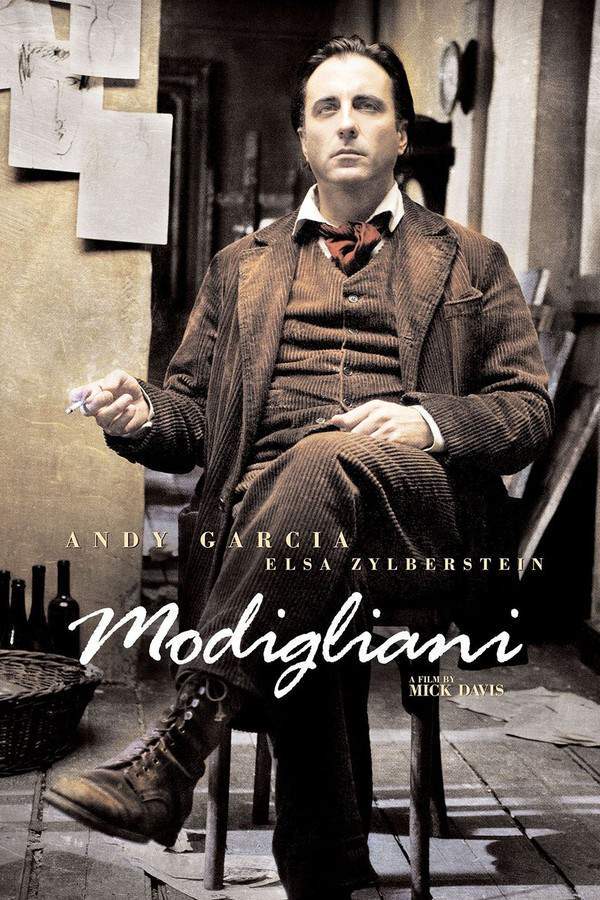
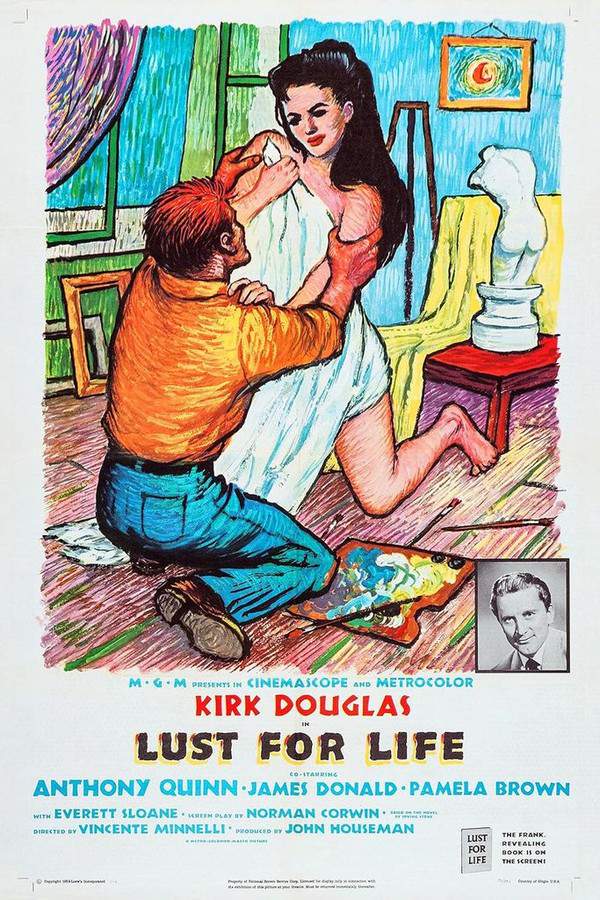
Melancholic period dramas with a heavy feel like Egon Schiele: Death and the Maiden

Steady-paced historical stories steeped in intimate tragedy and reflective sorrow. For fans of the steady, somber mood of Egon Schiele: Death and the Maiden, this collection features similar history and drama films. These movies share a melancholic tone, a focus on intimate personal struggles within a historical context, and stories that carry a significant emotional weight toward a reflective ending.

  • melancholic
  • tragic
  • somber
  • reflective
  • historical
  • intimate
  • Tone: melancholic, grim, contemplative
  • Pacing: steady, immersive
Why these movies?

The story pattern: The narrative pattern involves immersing the audience in a specific historical era through the lens of a personal, often grim, story. The pacing is deliberate, allowing the weight of the setting and the characters' fates to build steadily. The journey is typically one of resilience in the face of inevitable hardship, leading to an ending that is sad but thoughtfully underscores the themes of loss and memory.

Why they belong together: These films are grouped by their shared melancholic atmosphere, steady pacing, and heavy emotional core. They create a cohesive vibe through a focus on tragedy, intimate character studies, and a contemplative approach to historical storytelling, resulting in a consistently somber and reflective viewing experience.

Every angle

Egon Schiele: Death and the Maiden (2016) Explained: Plot, Timeline & Characters

Everything about Egon Schiele: Death and the Maiden in one place: what happens in the plot summary, the timeline in chronological order, the characters and meaning and a spoiler-free summary. What's After the Movie adds the cast, box office and post-credit scenes.

Coming soon on iOS and Android

The Plot Explained Movie Summary App

Plot summaries, endings explained and timelines on your phone. Catch up on any movie in minutes, save your favorites and never miss a twist again.

Be the first to know when we launch. Your email stays private, always.

Learn more about the app