Plot Explained Spoilers guaranteed!
Plot Explained

Browse by genre

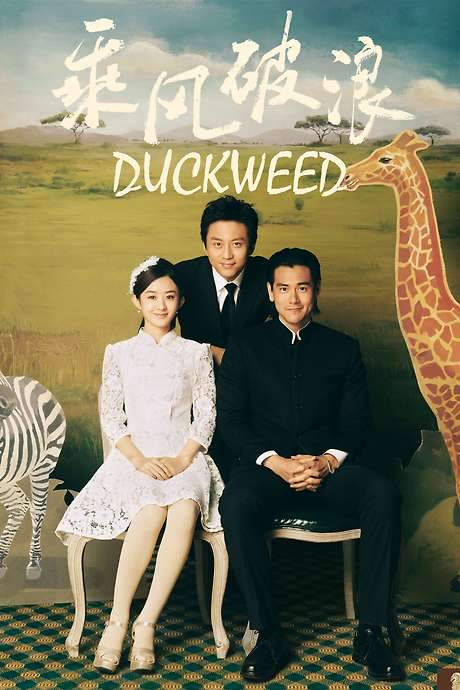
Duckweed (2017) movie poster

Timeline

Duckweed (2017) Timeline Explained – Every Event in Order

Release, runtime and language
2017 · 102 mins · Chinese
Loading streaming availability…
Starring
Han Han, Mason Lee, Chow Yun-Fat, King Shih-Chieh, Fang Li, Deng Chao

When a son attempts to reconcile with his father, a series of fateful events allow him to experience the father’s life in the past.

On this page (6)
  1. 1 Where to watch
  2. 2 Events in order (12)
  3. 3 Timeline questions answered
  4. 4 Movie threads
  5. 5 Movies like Duckweed
  6. 6 Every angle
Loading streaming availability…

12 events in order · contains spoilers

Duckweed Timeline: Events in Chronological Order

Every key event of Duckweed (2017) in order, scene by scene, with when and where it takes place. Use it to untangle flashbacks, time jumps and parallel storylines, to refresh your memory before the sequel or to find the exact scene you are thinking of.

  1. 2022 Rally Victory

    Tailang clinches the 2022 China Rally Championship while his aging father Xu Zhengtai watches from the sidelines. The victory reveals a prideful moment but also hints at the distance between them. This win becomes the catalyst for the adventure that follows.

    When
    2022
    Where
    Race track
  2. Train collision during celebratory drive

    During a celebratory high-speed drive with his father, an oncoming train crashes into the side of their car as they cross the tracks. The impact injures them and abruptly disrupts their lives. The accident sets off a chain of extraordinary events that changes everything.

    When
    2022
    Where
    Railway crossing near town
  3. Time travel to 1998

    Lying on a hospital gurney, Tailang experiences a surreal shift and is transported back to 1998 in the town where he was born. The leap backward places him directly into his father’s youth and a different world. This moment marks the beginning of his adventures in the past.

    When
    1998
    Where
    Hospital corridor
  4. Arriving in 1998 and new adventures with father

    Tailang arrives in 1998 and starts comical adventures with his younger father, meeting locals and navigating the quirks of a bygone era. He observes how his father lives, forming impressions from a life he only half remembers. The experiences reveal a different side of both father and town.

    When
    1998
    Where
    Hometown, 1998
  5. Meeting his mother in 1998

    In the past, Tailang meets the mother he never truly knew, learning about the circumstances that led to her death after his birth. He discovers postpartum depression and the fragile balance between love and suffering in the family. The encounter deepens the emotional stakes of the past.

    When
    1998
    Where
    Hometown, 1998
  6. Observing his father's life in 1998

    Tailang watches his father in his younger years, gaining a clearer picture of the man behind the myths. He sees the daily struggles, choices, and moments of tenderness that defined his father’s life. These observations start to redraw Tailang's understanding of his father.

    When
    1998
    Where
    Hometown, 1998
  7. Uncovering the prison reason

    Tailang uncovers the circumstances that led his father to serve six years in prison. The truth challenges his previous judgments and adds necessary nuance to the family’s history. This revelation becomes a turning point in their relationship.

    When
    1998
    Where
    Hometown, 1998
  8. Understanding father's love for mother

    Through the past, Tailang witnesses the depth of his father’s love for his mother. The realization explains decades of choices and pain, and helps humanize both parents in Tailang's eyes. This insight strengthens his empathy toward his father.

    When
    1998
    Where
    Hometown, 1998
  9. Growing bond and reconciliation

    With each shared moment, the bond between father and son grows stronger, and Tailang begins to respect his father more deeply. He learns to see the man behind the mistakes and to value the life his father led. The reconciliation starts to take shape in their interactions.

    When
    1998
    Where
    Hometown, 1998
  10. Generational reconciliation in the past

    The past experiences culminate in a reconciliation that bridges generations and reshapes Tailang’s view of his father. He absorbs the complexity of his father’s life and deeds, moving beyond simple judgment. This shift sets the tone for their relationship moving forward.

    When
    1998
    Where
    Hometown, 1998
  11. Returning to present with new lessons

    Back in the present, Tailang carries the lessons from 1998 with him, seeing his father in a more nuanced light. The memories influence his thoughts, speech, and approach to their relationship in the current day. The past continues to shape the present.

    When
    2022
    Where
    Present day
  12. Present-day reconciliation

    The film closes on a hopeful note as the father and son renew their bond, choosing understanding over judgment. The reconciliation is portrayed as a lasting shift that deepens their relationship beyond the time travel moment. Their life moving forward is framed by this strengthened connection.

    When
    2022
    Where
    Present day

Last updated: February 20, 2026 at 12:18

Was this helpful?

Timeline questions answered

Duckweed Timeline Explained: Your Questions Answered

When does it happen, and why in that order? The questions people ask about the chronology of Duckweed (2017): time jumps, flashbacks, cause and effect between scenes and the correct order of events, each answered with spoilers.

Q1

Why does Xu Tailang travel back to 1998 after the train collision?

The train collision during their celebratory drive doesn't kill them but creates a surreal turning point. While lying on a hospital gurney after the accident, Xu Tailang experiences a vivid shift that transports him back to 1998 in the town where he was born. This time travel becomes the mechanism through which he gains insight into his father's past.

  • time travel
  • train accident
  • 1998
  • hospital
Q2

What caused Xiao Hua's death after giving birth to Xu Tailang?

Xiao Hua dies from postpartum depression shortly after giving birth to Xu Tailang. This tragedy becomes the defining loss in the family's history, explaining why Xu Tailang never knew his mother and why his father carried years of grief and guilt. The film portrays this as both a personal and family trauma that shaped all subsequent relationships.

  • postpartum depression
  • Xiao Hua
  • mother death
  • childbirth
Q3

What led to Xu Zhengtai's six-year prison sentence?

Xu Zhengtai served six years in prison due to circumstances related to the period surrounding his wife's death. While in 1998, Xu Tailang uncovers the truth about what happened, learning that his father's choices were connected to the family's tragedy. This revelation challenges Tailang's previous judgments about his father.

  • prison
  • Xu Zhengtai
  • six years
  • imprisonment
Q4

How does witnessing his father's life in 1998 change Xu Tailang's view?

Observing his father as a young man in 1998 allows Xu Tailang to see the person behind the myths and disappointments. He discovers his father's daily struggles, dreams, and the genuine love he held for his mother. This firsthand experience transforms Tailang's understanding from judgment to empathy, as he witnesses the man his father was before becoming the complicated parent he knew.

  • 1998
  • father son relationship
  • understanding
  • perspective change
Q5

What does Xu Tailang learn about his father's love for his mother?

Through his time in 1998, Xu Tailang witnesses the deep love his father had for Xiao Hua. This revelation helps explain decades of his father's choices, silence, and emotional distance. Understanding this love humanizes both parents in Tailang's eyes and provides context for the sacrifices and mistakes that shaped the family.

  • love
  • Xiao Hua
  • Xu Zhengtai
  • marriage
  • sacrifice
Q6

How does the time travel experience lead to reconciliation between father and son?

The time travel allows Xu Tailang to experience his father's life directly, witnessing both his strengths and mistakes. By understanding the circumstances of his father's past, including the loss of his mother and imprisonment, Tailang moves beyond resentment. Each shared moment in 1998 builds a bond that translates back to the present, fostering genuine reconciliation.

  • reconciliation
  • father son
  • time travel
  • understanding
Q7

Why does Xu Zhengtai seem disconnected from his son's racing career?

Xu Zhengtai's distance from his son's racing career stems from years of unspoken stories and unresolved grief. The film hints that his inability to connect stems from the trauma of losing his wife and the guilt associated with the circumstances that led to his imprisonment. His presence at the 2022 championship, despite the tension, shows his underlying pride and desire for connection.

  • racing
  • father son conflict
  • career
  • disapproval
Q8

Which moment in 1998 has the biggest impact on Xu Tailang?

Meeting his mother Xiao Hua becomes the most emotionally significant moment for Xu Tailang. Since he never knew her due to her death after childbirth, encountering her in 1998 provides closure and a deeper understanding of the family's tragedy. Learning about her struggles with postpartum depression and seeing the love between his parents fundamentally changes how he views his family history.

  • Xiao Hua
  • meeting mother
  • emotional impact
  • family history
Q9

Why does Xu Zhengtai never explain his past to his son?

Xu Zhengtai's silence about his past likely stems from the weight of unresolved trauma and guilt. The film suggests he carried the burden of his wife's death and prison sentence without sharing these painful details. His silence is not indifference but rather an inability to confront these memories, which the time travel finally allows him to address indirectly through his son's journey.

  • silence
  • secrets
  • communication
  • father son barrier
Q10

How does the time travel affect Xu Tailang's relationship with his father in the present?

After returning to 2022, Xu Tailang carries the lessons and memories from 1998 with him. These experiences reshape his perspective, allowing him to see his father not as a disappointment but as a complex man shaped by loss and sacrifice. The film closes with a renewed bond, as both choose understanding over judgment, marking a lasting shift in their relationship.

  • present day
  • relationship change
  • reconciliation
  • return

Movie threads

More Movies Like Duckweed, by Mood & Story

Curated lists built around what makes Duckweed tick: the same mood, the same kind of story or the same emotional payoff. Each list explains why these movies belong together.

Father-Son Reconciliation Stories Like Duckweed

Difficult family relationships mended through understanding and empathy. Discover movies like Duckweed that explore complex father-son relationships. These emotional dramas use unique narrative devices to bridge generational gaps, focusing on themes of understanding, forgiveness, and shared experience.

  • emotional
  • reflective
  • hopeful
  • dramatic
  • nostalgic
  • cathartic
  • Tone: bittersweet, emotional
  • Pacing: steady, character-driven
Why these movies?

The story pattern: These stories typically begin with a state of conflict or emotional distance between a parent and child. A catalyst—often supernatural, like time travel, or a shared crisis—forces them to see each other's lives from a new perspective, leading to a climactic moment of understanding and a bittersweet resolution that acknowledges past hurts while building a hopeful future.

Why they belong together: Movies are grouped here because they share a core focus on repairing family bonds, using emotionally resonant journeys to explore themes of empathy and forgiveness. They balance heavy emotional weight with moments of levity, resulting in a deeply cathartic and reflective viewing experience.
Bittersweet Time Travel Movies Like Duckweed

Personal histories revisited with emotional weight and introspection. If you liked the emotional time travel in Duckweed, explore these films that use a journey to the past for personal growth and family understanding. Similar movies blend drama with speculative elements for a thoughtful, bittersweet experience.

  • nostalgic
  • reflective
  • melancholic
  • dramatic
  • emotional
  • hopeful
  • Tone: bittersweet, melancholic, hopeful
  • Pacing: steady, reflective
Why these movies?

The story pattern: The narrative follows a protagonist granted an unexpected window into their personal past. This journey is less about changing major events and more about understanding the context of key relationships and hardships. The climax is an emotional revelation that re-contextualizes the present, leading to a resolution tinged with both the sadness of loss and the warmth of newfound understanding.

Why they belong together: These films are united by their use of time travel as a vehicle for emotional introspection rather than high-stakes sci-fi. They share a steady, reflective pace, a bittersweet tone balancing melancholy and hope, and a focus on character-driven stories about love, loss, and reconciliation.

If you liked this

Movies Like Duckweed

Similar movies to Duckweed: the same genre, themes or kind of story. Each one comes with its own plot summary, timeline and ending explained.

Browse all movie summaries

Every angle

Duckweed (2017) Explained: Plot, Timeline & Characters

Everything about Duckweed in one place: what happens in the plot summary, the timeline in chronological order, the characters and meaning and a spoiler-free summary. What's After the Movie adds the cast, box office and post-credit scenes.

Coming soon on iOS and Android

The Plot Explained Movie Summary App

Plot summaries, endings explained and timelines on your phone. Catch up on any movie in minutes, save your favorites and never miss a twist again.

Be the first to know when we launch. Your email stays private, always.

Learn more about the app