Year: 1943
Runtime: 101 mins
Language: English
Director: Roy Del Ruth
Hat‑check attendant Louis Blore is smitten with nightclub star May Daly, who prefers a poor dancer but wants a wealthy marriage. When Louis wins the Irish Sweepstakes, he proposes; May accepts even though she doesn’t love him. After a head injury, Louis dreams he is King Louis XV, pursuing the infamous Madame Du Barry.
Warning: spoilers below!
Haven’t seen Du Barry Was a Lady yet? This summary contains major spoilers. Bookmark the page, watch the movie, and come back for the full breakdown. If you're ready, scroll on and relive the story!
Explore the full timeline and setting of Du Barry Was a Lady (1943). Follow every major event in chronological order and see how the environment shapes the story, characters, and dramatic tension.
Last updated: October 04, 2025 at 18:35
Meet the key characters of Du Barry Was a Lady (1943), with detailed profiles, motivations, and roles in the plot. Understand their emotional journeys and what they reveal about the film’s deeper themes.
Last updated: October 04, 2025 at 18:35
Explore the central themes of Du Barry Was a Lady (1943), from psychological, social, and emotional dimensions to philosophical messages. Understand what the film is really saying beneath the surface.
Last updated: October 04, 2025 at 18:35
Browse frequently asked questions about Du Barry Was a Lady (1943) focused on characters, relationships, themes, symbols, setting, and story context. This movie info FAQ gives spoiler-aware explanations for character arcs, world details, and thematic interpretation so readers can better understand what the film is really about.
The film blends two distinct settings: a 1940s nightclub and urban subway in modern America, and an 18th-century Versailles palace in a surreal dream sequence. The nightclub serves as the primary present-day location where May Daly performs, while the dream world transforms these contemporary characters into French royalty for a satirical spectacle.
The present-day scenes are set in the early 1940s, anchored by a lively nightclub environment. A central dream sequence shifts the action to 18th-century Versailles, where Louis XV and Du Barry inhabit a stylized royal world. This juxtaposition of modern urban life with royal fantasy is central to the film's satirical tone.
Money drives the central relationships and character choices. May Daly pursues a wealthy husband to secure her future, while Louis Blore's sudden winning of the Irish Sweepstakes reshapes his desires and social standing. The dream sequence uses royal opulence to critique how wealth distorts values and romance, culminating in a tax demand that reminds characters wealth carries burdens.
The dream sequence reimagines the present-day nightclub performers as 18th-century French royalty at Versailles. This surreal world allows characters to test their desires without real-world consequences, exposing how status and power can be performed. The fantasy contrasts with waking life to highlight themes of greed, love, and social ambition.
May Daly is a nightclub singer from modest background who pursues security through marriage to wealth. She loves dancer Alec Howe but treats him as a means to status, and she is drawn to Louis once his Sweepstakes win provides financial security. Her choices drive the central conflict between genuine love and social climbing.
Louis Blore is a hat-check attendant who wins a large prize in the Irish Sweepstakes. His sudden wealth makes him suddenly eligible and transforms his behavior. In the dream sequence, he becomes King Louis XV, experiencing royal pomp before facing moral tests that explore how money and status alter priorities.
Power is portrayed as seductive and perilous, capable of corrupting relationships and moral judgment. In the dream sequence, the Black Arrow incites a peasant mob challenging the King's authority, illustrating how charisma and rebellion can threaten established power. Du Barry's manipulations show how desire can influence political dynamics.
Alec Howe serves as the master of ceremonies at the nightclub and represents the romantic rival to Louis for May's affection. In the dream sequence, he adopts the Robin Hood-like persona of the Black Arrow, cast as a rebellious hero opposing the King. His charm and performance navigate love and status in both worlds.
The film uses the fantasy of suddenly becoming royalty to satirize how money changes people's priorities and relationships. Louis's Sweepstakes win makes him desirable overnight, while May's acceptance of his proposal despite not loving him exposes transactional romantic motives. The ending tax demand provides a final satirical sting, suggesting wealth brings burdens not just benefits.
The title refers to the dream sequence where Louis Blore imagines himself as King Louis XV pursuing Madame Du Barry, the infamous French royal courtesan. The comedic premise imagines what would happen if a humble hat-check attendant suddenly became an 18th-century monarch, layering historical fantasy over contemporary romantic ambitions.
Du Barry Was a Lady is a comedy musical with fantasy elements, featuring dazzling vocal performances and song-and-dance numbers typical of 1940s Hollywood musicals. The genre blend allows the film to explore serious themes of wealth and power through humor and musical spectacle while maintaining a light, entertaining tone.
Discover curated groups of movies connected by mood, themes, and story style. Browse collections built around emotion, atmosphere, and narrative focus to easily find films that match what you feel like watching right now.
Characters escape their troubles through elaborate, wish-fulfilling dream sequences.If you enjoyed the extravagant Versailles dream sequence in Du Barry Was a Lady, you'll like these movies where characters escape into elaborate fantasies. This list features similar comedies and musicals that use dream sequences as a whimsical plot device to explore themes of love, ambition, and social climbing.
Stories in this thread typically feature a protagonist dissatisfied with their ordinary life who experiences a vivid, often comedic or romantic, dream. This dream world acts as an allegory for their real-world conflicts, leading to a lighthearted resolution where they return to reality with newfound clarity, often making a happier choice.
These films are grouped together for their shared use of dream logic as a central narrative device, their light and whimsical tone, and their focus on wish-fulfillment and escapism. They balance romantic or comedic fantasy with a gentle grounding in reality.
Sparkling comedies that gently mock the upper class while delivering romance.For fans of the glamorous nightclub satire and romantic plot in Du Barry Was a Lady, this list highlights similar movies that blend romance with a gentle mockery of high society. Discover other comedies and musicals where love triumphs over wealth in a stylish, humorous way.
The narrative pattern involves a charming but perhaps misguided protagonist navigating a world of wealth and performance, often symbolized by settings like nightclubs or lavish parties. The story humorously critiques social climbing and materialism, ultimately affirming the value of authentic emotion and leading to a happy romantic resolution.
This thread unites movies through their specific blend of a light romantic comedy structure with satirical elements aimed at class and wealth. The experience is defined by a glamorous aesthetic, a playful tone, and a central theme of love vs. money.
Don't stop at just watching - explore Du Barry Was a Lady in full detail. From the complete plot summary and scene-by-scene timeline to character breakdowns, thematic analysis, and a deep dive into the ending - every page helps you truly understand what Du Barry Was a Lady is all about. Plus, discover what's next after the movie.
Read a complete plot summary of Du Barry Was a Lady, including all key story points, character arcs, and turning points. This in-depth recap is ideal for understanding the narrative structure or reviewing what happened in the movie.
Track the full timeline of Du Barry Was a Lady with every major event arranged chronologically. Perfect for decoding non-linear storytelling, flashbacks, or parallel narratives with a clear scene-by-scene breakdown.
Discover movies like Du Barry Was a Lady that share similar genres, themes, and storytelling elements. Whether you’re drawn to the atmosphere, character arcs, or plot structure, these curated recommendations will help you explore more films you’ll love.
Du Barry Was a Lady (1943) Plot Summary & Movie Recap
Du Barry Was a Lady (1943) Scene-by-Scene Movie Timeline
Du Barry Was a Lady (1943) Spoiler-Free Summary & Key Flow
Movies Like Du Barry Was a Lady – Similar Titles You’ll Enjoy
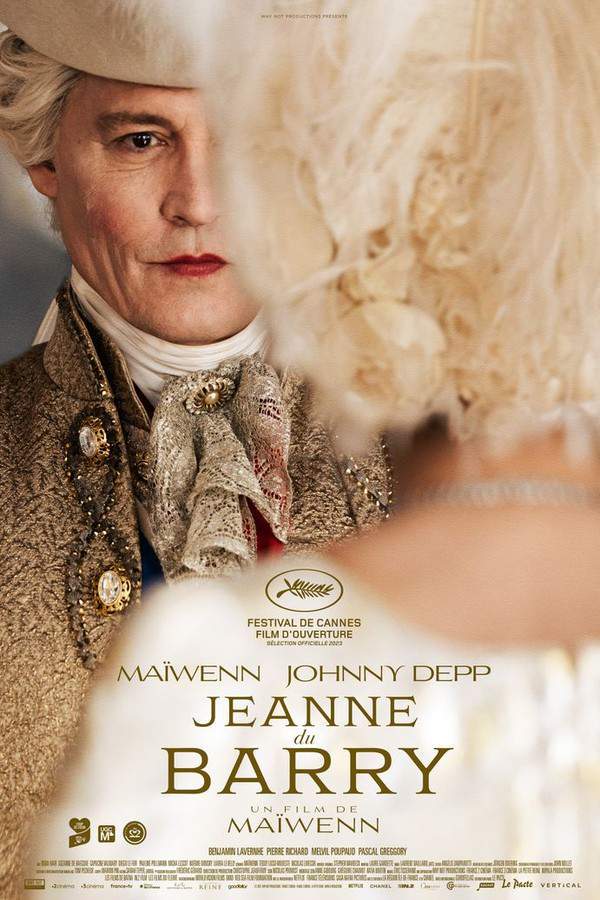
Jeanne du Barry (2024) Full Movie Breakdown
Madame DuBarry (1919) Movie Recap & Themes
Playmates (1941) Film Overview & Timeline
You Were Never Lovelier (1942) Plot Summary & Ending Explained
Earl Carroll Vanities (1945) Complete Plot Breakdown
Madame du Barry (1954) Story Summary & Characters
Wonder Bar (1934) Ending Explained & Film Insights
April in Paris (1952) Spoiler-Packed Plot Recap
Lovely to Look At (1952) Full Movie Breakdown
Madame du Barry (1934) Film Overview & Timeline
Dancing Lady (1933) Story Summary & Characters
Bardelys the Magnificent (1926) Film Overview & Timeline
Du Barry, Woman of Passion (1930) Story Summary & Characters
Monte Carlo (1930) Full Movie Breakdown
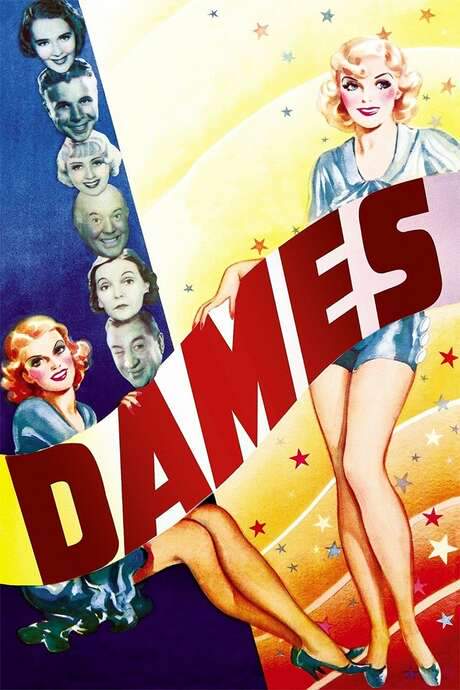
Dames (1934) Full Movie Breakdown