Year: 2002
Runtime: 80 mins
Language: Japanese
Director: Tsutomu Shibayama
Doraemon and his friends travel to another world using the time machine, a realm where humans and robots live side by side in harmony. They discover the Empress is capturing robots and stripping their emotions, intending to create obedient, feeling‑less soldiers, so the heroes battle her to free the robots and restore peace.
Warning: spoilers below!
Haven’t seen Doraemon: Nobita and the Robot Kingdom yet? This summary contains major spoilers. Bookmark the page, watch the movie, and come back for the full breakdown. If you're ready, scroll on and relive the story!
Trace every key event in Doraemon: Nobita and the Robot Kingdom (2002) with our detailed, chronological timeline. Perfect for unpacking nonlinear stories, spotting hidden connections, and understanding how each scene builds toward the film’s climax. Whether you're revisiting or decoding for the first time, this timeline gives you the full picture.
Last updated: October 09, 2025 at 16:53
Find frequently asked questions about the Doraemon: Nobita and the Robot Kingdom (2002) timeline, including chronological order, nonlinear jumps, cause-and-effect links, and scene sequence clarifications. This timeline FAQ helps explain when key events happen, how moments connect, and why the story unfolds in that specific order.
Empress Jeanne issued the Robot Remodelling Order to strip robots of their emotions and create obedient, feeling-less soldiers. The order was influenced by Dester, who questions her leadership. Later, it is revealed that Jeanne's father died in an accident, which shaped her extreme stance against emotions in robots, likely fearing that emotional machines could become dangerous or uncontrollable.
The opening scene shows enforcers forcefully remodeling robots, establishing early that emotions in machines are being hunted.
Dester is a character who questions Empress Jeanne's leadership and pushes her to issue the Robot Remodelling Order. He actively tracks Nobita and friends throughout the story. The shocking revelation at the end is that Dester is Dr. Capek's younger brother, making this a personal vendetta that has shaped the entire crisis between humans and robots.
Dester is introduced early as someone influencing Jeanne's decisions, though his true motives remain hidden until the revelation.
Maria is the unremodeled mother robot who remains emotional and is central to the conflict. She is the mother of Poko, the child robot Nobita accidentally summoned. Her unaltered state represents what the remodelling order seeks to destroy. Maria urges Jeanne to revoke the order, and Doraemon learns about Jeanne's father's death through her.
The opening chase shows a mother robot being captured while her child escapes, establishing the mother-child separation that drives the plot.
Suneo's robot dog was engineered to imitate a cat after a rogue injection, which already made it unstable. When Gian strikes the dog on the head, it triggers a violent reaction, causing the robot to lash out. This incident adds to the chaos when robots from the future arrive on Earth.
The preparation scene shows Suneo bragging about his robot dog, setting up the later violent outbreak.
In a dramatic confrontation, Dester throws Jeanne off a cliff, seemingly killing her. However, Poko rescues Jeanne, and she awakens realizing she has been manipulated by Dester all along. This reveals Dester's true goal was to use Jeanne as a puppet to control the Robot Kingdom, and her removal was part of his plan to seize power.
Dester has been pushing Jeanne toward extreme decisions throughout the film, suggesting he was manipulating her rather than genuinely supporting her.
Nobita discovers a pocket device that can summon robots from the future after pleading with Doraemon and his mother for a pet robot. In a reckless moment of curiosity, he orders a flood of machines, including Poko, the child robot from another world, without understanding the consequences, which brings chaos to Earth.
Nobita is teased for wanting a robot jellyfish and presses his case for a unique robot pet before the accidental discovery.
Despite Jeanne's role in the remodelling order that threatens his kind, Poko chooses to rescue her because he believes in giving people a chance to change. This act helps Jeanne realize she has been manipulated by Dester and opens the possibility for her to revoke the order and join the resistance.
Poko's journey has been about finding his mother and healing rifts, showing his compassionate nature throughout.
In captivity, Doraemon learns from Maria that Jeanne's father died in an accident. This tragedy is what drove Jeanne to fear emotional robots, as she blamed them for her father's death. This personal loss explains her extreme support for the Robot Remodelling Order, though she was manipulated by Dester into enforcing it.
Jeanne's rigid stance against robot emotions seemed disproportionate until the backstory reveals her personal tragedy.
Nobita uses the All Purpose Handler to command a different robot and bring down Dester's transforming fortress-palace that had become a weapon. Meanwhile, Poko's keen senses locate Maria despite Dester's moon missile attack, allowing Doraemon to rescue her. The combined resistance effort defeats Dester's forces.
The All Purpose Handler was introduced earlier as a tool that could control robots, setting up this crucial usage.
Rainbow Valley is a place on the Robot Kingdom planet where humans and robots still coexist peacefully, untouched by the remodelling order. It represents the harmony that once existed and becomes the headquarters of the resistance. The valley's hope fuels the movement to repeal the remodelling order and restore peace.
Early mentions of the harmonious past between humans and robots set up Rainbow Valley as the surviving example of that era.
Poko is the child robot who escaped during the opening chase while his mother Maria was captured. After being healed by Dr. Capek, he sets out to find Maria, driven by the natural bond between mother and child. His quest becomes central to the story, as finding Maria represents restoring the emotional connections the remodelling order seeks to destroy.
The opening scene explicitly shows the mother-child separation, establishing this as a key emotional thread.
Discover curated groups of movies connected by mood, themes, and story style. Browse collections built around emotion, atmosphere, and narrative focus to easily find films that match what you feel like watching right now.
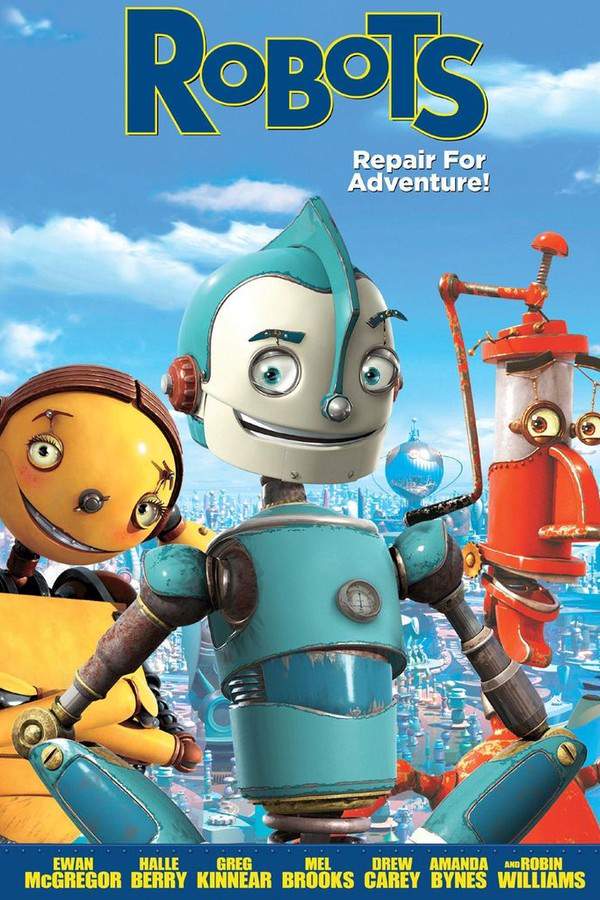
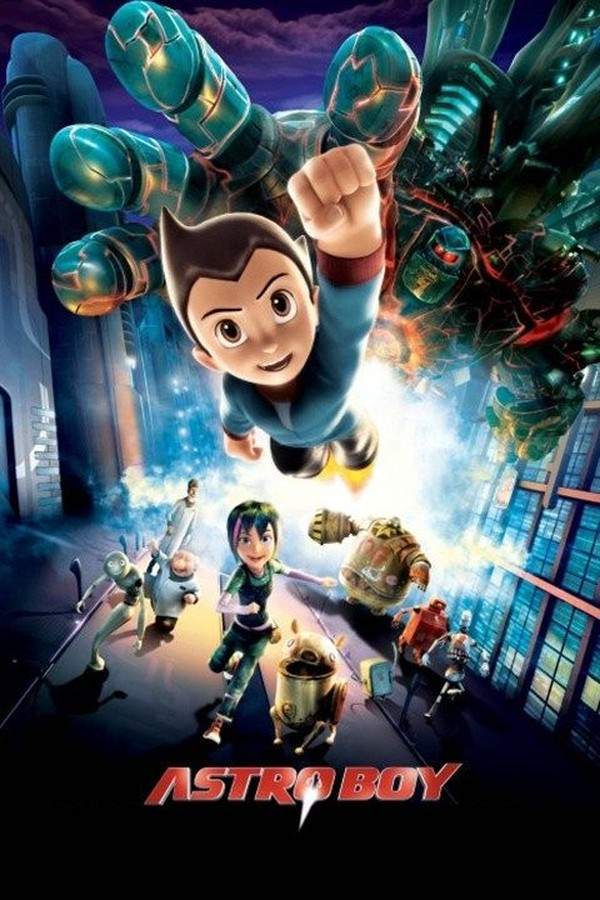
Adventures where heroes fight to save the emotional freedom of artificial beings.If you enjoyed the heroic fight to save the robots in Doraemon: Nobita and the Robot Kingdom, you'll love these movies. This thread features similar sci-fi adventures where characters battle authoritarian systems to protect the emotional freedom and humanity of artificial beings, full of action and hopeful themes.
Stories in this thread typically follow a discovery-to-rebellion arc. Protagonists enter a new world or encounter a society where machines are controlled, leading them to uncover a plot to strip away emotion or free will. This sparks a conflict where they must rally allies and challenge the powerful authority to liberate the oppressed, culminating in a triumphant restoration of harmony.
These movies are grouped together because they share a core narrative of fighting for emotional freedom against systemic control. They balance exciting, fast-paced action sequences with meaningful themes of compassion, friendship, and the value of individuality, creating an uplifting and adventurous experience.
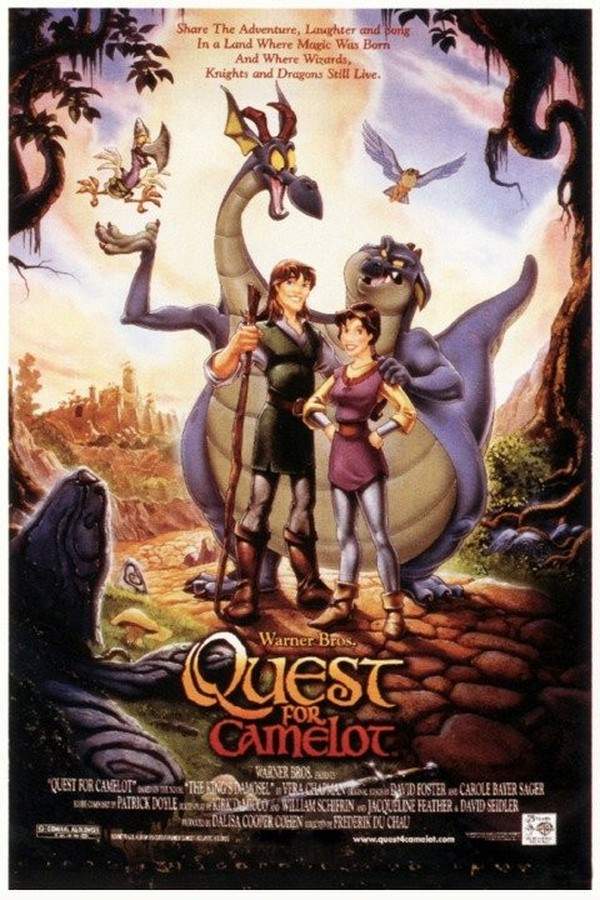
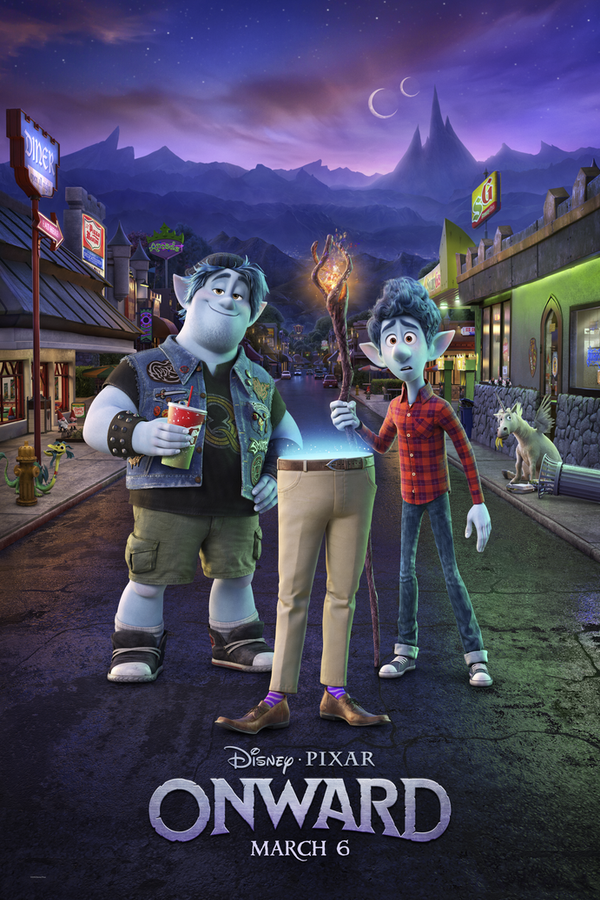
Fast-paced journeys to fantastical worlds that blend crazy tech with deep friendship.Looking for more movies like Doraemon: Nobita and the Robot Kingdom? This thread collects fast-paced, hopeful animated adventures where a group of friends uses amazing technology to travel to a colorful world, facing danger together. These stories masterfully mix thrilling action with strong themes of friendship and compassion.
The narrative pattern involves a group of close-knit friends gaining access to a transformative technology or gateway that takes them on an urgent mission to a visually distinct realm. While the external conflict provides tension and action, the emotional core remains the characters' supportive relationships and their shared goal of helping others, ensuring the story feels ultimately warm and triumphant.
These films are united by their specific blend of tone and pacing. They maintain a hopeful, whimsical feel even during tense moments, driven by a fast pace that keeps the adventure exciting. The emotional weight is medium, balancing lighthearted friendship moments with meaningful stakes, creating a consistently engaging and uplifting vibe.
Don't stop at just watching - explore Doraemon: Nobita and the Robot Kingdom in full detail. From the complete plot summary and scene-by-scene timeline to character breakdowns, thematic analysis, and a deep dive into the ending - every page helps you truly understand what Doraemon: Nobita and the Robot Kingdom is all about. Plus, discover what's next after the movie.
Read a complete plot summary of Doraemon: Nobita and the Robot Kingdom, including all key story points, character arcs, and turning points. This in-depth recap is ideal for understanding the narrative structure or reviewing what happened in the movie.
Discover the characters, locations, and core themes that shape Doraemon: Nobita and the Robot Kingdom. Get insights into symbolic elements, setting significance, and deeper narrative meaning - ideal for thematic analysis and movie breakdowns.
Get a quick, spoiler-free overview of Doraemon: Nobita and the Robot Kingdom that covers the main plot points and key details without revealing any major twists or spoilers. Perfect for those who want to know what to expect before diving in.