Plot Explained Spoilers guaranteed!
Plot Explained

Browse by genre

Don’t Look Up (1996) movie poster

Spoiler-Free Summary

Don’t Look Up (1996) Spoiler-Free Summary – What It's About

Release, runtime and language
1996 · 75 mins · Japanese
Directed by
Hideo Nakata
Starring
Toshie Negishi, Sabu, Kei Ishibashi, Dan Li, Akira Takahashi, Hiroshi Kobayashi

While shooting a bleak wartime drama in a dilapidated studio, first‑time director Toshio Murai struggles to finish his debut. His lead actress, veteran Hitomi Kurokawa, plays one of the sisters, and Murai obsessively keeps a photo of her by his bed. The younger, inexperienced Saori Murakami, cast as the other sister, is restless and frequently breaks for recess, irritating the crew. As filming progresses, inexplicable incidents plague the set, leaving the cast and crew increasingly unnerved.

On this page (6)
  1. 1 What it is about
  2. 2 Is it worth watching?
  3. 3 After you watch
  4. 4 Movie threads
  5. 5 Movies like Don’t Look Up
  6. 6 Every angle

Spoiler-free summary · safe to read

What Is Don’t Look Up About? (No Spoilers)

The plot of Don’t Look Up (1996) without spoilers: what it is about, who it follows and where it takes place, told without the twists or the ending. Enough to decide whether it is your next watch, not enough to ruin it.

In a crumbling studio that seems to have forgotten the glow of better days, first‑time director Toshio Murai wrestles with the weight of his debut wartime drama. The production is a stark, bleak tableau of conflict, captured through cracked lenses and echoing corridors that amplify every sigh of the aging set. Murai’s relentless pursuit of authenticity is matched only by his quiet obsession with a photograph of his lead actress, a talisman he keeps by his bedside as if it might anchor the shaky reality around him.

The veteran Hitomi Kurokawa brings a magnetic presence to the role of one of the sisters, her seasoned poise a stark contrast to the raw nerves of the younger cast. Alongside her, the inexperienced Saori Murakami embodies the other sister, her restless energy manifesting in frequent breaks and a palpable impatience that frays the patience of the crew. Their dynamic creates a compelling tension; the seasoned grace of Kurokawa meets the volatile curiosity of Murakami, a juxtaposition that fuels both performance and unease.

From the first roll of film, the set is haunted by a series of inexplicable incidents that seep into the daily routine—a sudden chill in an empty hallway, the faint echo of laughter that seems to come from nowhere, shadows that linger just beyond the frame. These subtle disturbances amplify an underlying dread, turning the studio into a character of its own, whispering of forgotten histories and unseen eyes. As Murai pushes forward, driven by the belief that completing the picture might exorcise the lingering darkness, the atmosphere remains thick with anticipation, leaving everyone to wonder whether the ghosts are merely on‑set myths or something far more tangible.

Last updated: October 27, 2025 at 16:40

Was this helpful?

What to expect

Is Don’t Look Up Worth Watching? What It Feels Like

Is it dark, sad, slow, intense or confusing? The mood of Don’t Look Up (1996) in a few tags, without a word about how it ends. Each tag opens a list of movies that feel the same.

After you watch

Seen Don’t Look Up? Now Read the Spoilers

Once you have watched Don’t Look Up (1996), come back for the full story: the plot summary with spoilers, the timeline in chronological order, the characters and meaning.

Movie threads

More Movies Like Don’t Look Up, by Mood & Story

Curated lists built around what makes Don’t Look Up tick: the same mood, the same kind of story or the same emotional payoff. Each list explains why these movies belong together.

Cursed production horror movies like Don’t Look Up

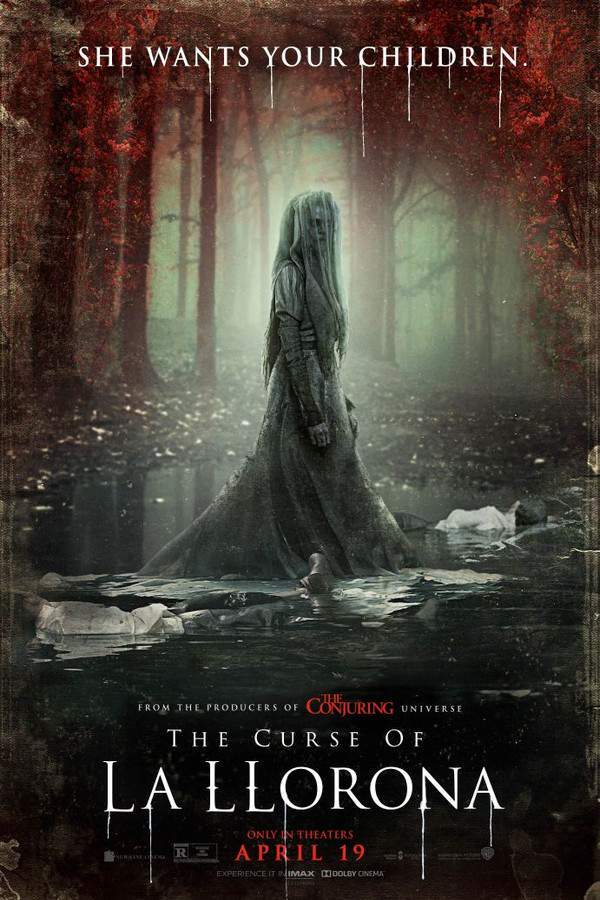
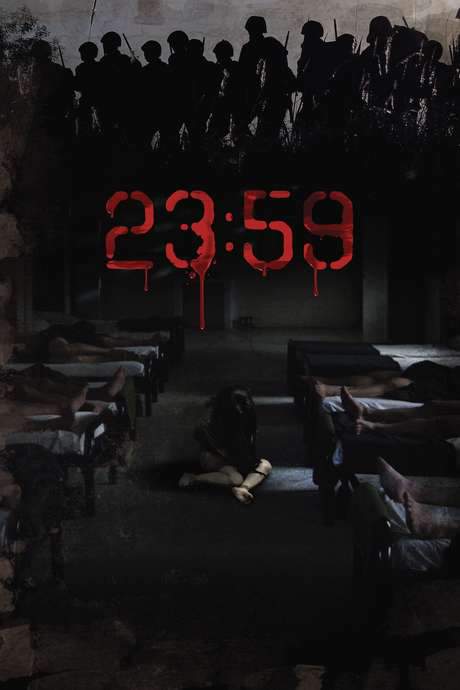
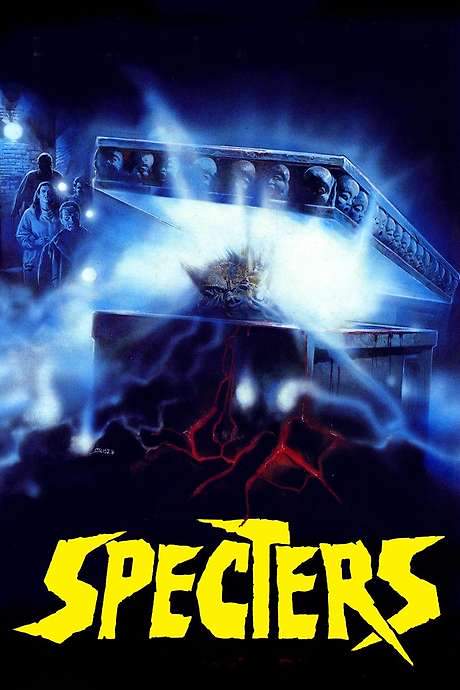
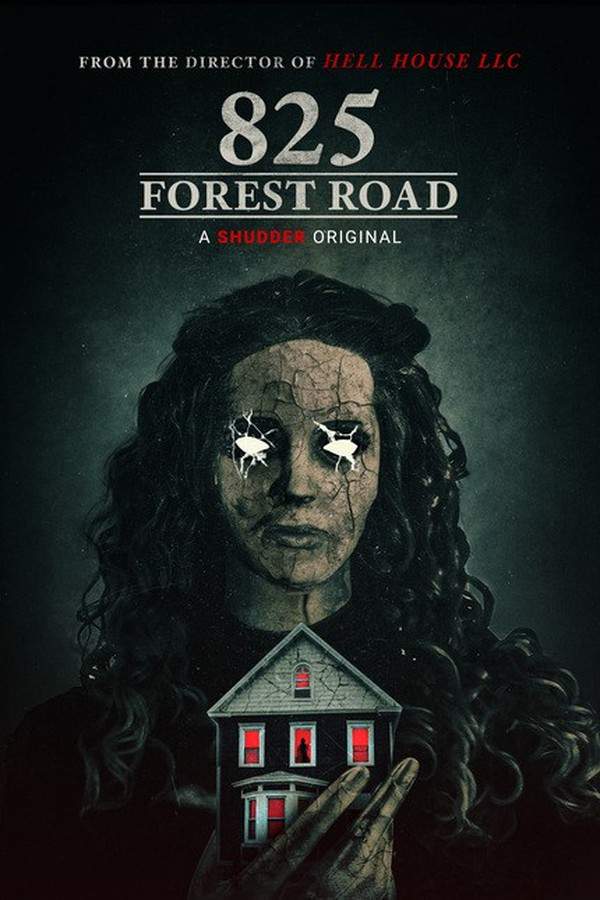
When the line between a film's fiction and a terrifying reality dissolves. If you liked the meta-horror of Don't Look Up, this thread features films where the filmmaking process itself is haunted. These movies blur reality and fiction, exploring themes of artistic obsession and supernatural curses on set to create a uniquely tense and claustrophobic atmosphere.

  • uncanny
  • meta-horror
  • claustrophobic
  • dread-filled
  • supernatural
  • paranoid
  • Tone: tense, uncanny, oppressive
  • Pacing: steady, escalating
Why these movies?

The story pattern: These narratives often begin with a production, sometimes delving into a dark subject matter, that awakens a malevolent force. Unexplained events escalate from minor disturbances to direct threats, pushing the characters to uncover a tragic past or a supernatural curse that is now using their art as a conduit. The story unfolds within the confined, artificial world of the set, where escape is difficult and the haunting feels inescapable.

Why they belong together: Movies are grouped here for their shared focus on the 'film within a film' trope and the specific dread of a creative project turning into a life-or-death situation. They share a claustrophobic, uncanny mood, a steady pacing of escalating supernatural incidents, and a thematic exploration of artistic obsession blurring with paranormal terror.

Slow burn supernatural dread horror like Don’t Look Up

Stories where a supernatural presence builds methodically, suffusing every scene with terror. Fans of the oppressive, anxiety-inducing atmosphere in Don't Look Up will find similar slow-burn horror here. These movies prioritize a steady build of uncanny events and psychological tension over fast-paced action, creating a heavy, dread-filled experience with often ambiguous or bleak conclusions.

  • slow burn
  • dread-filled
  • oppressive
  • psychological
  • uncanny
  • anxious
  • Tone: oppressive, tense, melancholic
  • Pacing: steady, slow burn
Why these movies?

The story pattern: The narrative pattern involves a slow, methodical introduction of strange phenomena that defy explanation. Unlike monster movies, the horror is often atmospheric and psychological, chipping away at the characters' sanity. The plot steadily escalates the frequency and severity of these events, leading to a climactic confrontation or a hauntingly ambiguous ending that leaves the nature of the threat unresolved, prolonging the sense of unease.

Why they belong together: This thread groups films based on their shared mood of relentless, atmospheric dread and a specific pacing that favors a steady, methodical increase in tension. They are united by a high intensity of psychological terror, a heavy emotional weight, and a focus on the uncanny and oppressive over visceral gore.

If you liked this

Movies Like Don’t Look Up

Similar movies to Don’t Look Up: the same genre, themes or kind of story. Each one comes with its own plot summary, timeline and ending explained.

Browse all movie summaries

Every angle

Don’t Look Up (1996) Explained: Plot, Timeline & Characters

Everything about Don’t Look Up in one place: what happens in the plot summary, the timeline in chronological order, the characters and meaning and a spoiler-free summary. What's After the Movie adds the cast, box office and post-credit scenes.

Coming soon on iOS and Android

The Plot Explained Movie Summary App

Plot summaries, endings explained and timelines on your phone. Catch up on any movie in minutes, save your favorites and never miss a twist again.

Be the first to know when we launch. Your email stays private, always.

Learn more about the app