Year: 1928
Runtime: 58 mins
Language: Russian
Director: Yakov Protazanov
At a remote Russian railway station in the sticks, the vain station master clashes with an elderly peasant woman and has her thrown into jail. After wading through layers of red tape, the local party youth organization finally manages to obtain her release.
Warning: spoilers below!
Haven’t seen Don Diego and Pelagia yet? This summary contains major spoilers. Bookmark the page, watch the movie, and come back for the full breakdown. If you're ready, scroll on and relive the story!
Read the complete plot breakdown of Don Diego and Pelagia (1928), including all key story events, major twists, and the ending explained in detail. Discover what really happened, and what it all means.
At a small railway station, Yakov Ivanovich Golovach — the stationmaster — spends his days immersed in historical novels about knights, often imagining himself as the knightly hero Don Diego and even staging imaginary duels with an unseen opponent. His private fantasy clashes with the everyday rhythms of the line when the local women from nearby villages come to the station to meet the mail train and sell their foodstuffs, filling the platform with laughter that both amuses and infuriates him. The moment his pride is punctured by their mirth marks a turning point, as his sense of authority hardens into a rigid rulebook mindset.
In a bid to assert control, Golovach begins enforcing railway rules with newfound zeal, zeroing in on anyone who strays across the tracks. His most clumsy victory comes when he detains an elderly peasant woman, Pelageya Dyomina, who moves with the careful slowness of age to avoid him. Emboldened by the aura of power that comes with “holding the line,” he files a formal complaint against her, spinning a tale that elevates a simple misstep into a potential catastrophe for the station. The courtroom scene unfolds with his exaggerated sense of drama: he warns that Pelageya’s act could derail a train or lead to the station being robbed, a speech that seems to blur the line between caution and panic. The verdict is harsh—Pelageya is sentenced to three months in prison, a sentence that seems disproportionately severe given the offense.
Meanwhile, Pelageya’s husband struggles to keep their household together in the wake of the news, trying to find help from neighbors and officials who offer little more than vague assurances. The village’s attempts at guidance come from a mix of unlikely sources—the local “legal expert,” the village priest and his wife, and a visiting member of the Society for the Study of Rural Life—none of whom provide concrete remedies, leaving the couple feeling more overwhelmed than supported. The story thoughtfully traces how bureaucracy and well-meaning but hollow advice can fail those who need real advocacy.
Hope arrives when the local Komsomol cell steps in, navigating the labyrinth of rules and reviews to challenge the harsh outcome. Through patient persistence and a careful appeal to the proper channels, they secure a review of Pelageya’s case, ultimately overturning the sentence and ensuring her release. The elderly couple, moved by the solidarity shown on their behalf, find renewed purpose and decide to join the Komsomol, inspired by the sense of community and collective action they had initially believed was beyond them. The arc emphasizes how ordinary citizens, when organized and supported, can correct injustices and realign power in small communities, transforming fear into solidarity and turning a punitive moment into a hopeful turning point for both Pelageya and her husband.
Through its measured, humane lens, the film explores themes of power, tradition, and the vulnerability of the elderly, while offering a quiet critique of bureaucratic rigidity. The characters’ journeys arc from humiliation and isolation toward agency and mutual aid, illustrating how small acts of courage—whether a neighborly plea for review or a principled stand in court—can ripple outward, reshaping a village’s sense of justice and community.
Last updated: February 20, 2026 at 12:25
Explore frequently asked questions about Don Diego and Pelagia (1928) with spoiler-rich answers covering the full plot summary, major story beats, character motivations, hidden details, and ending meaning. This movie summary FAQ helps explain confusing scenes, plot twists, and narrative decisions in clear, searchable detail.
Golovach arrests Pelageya because her laughter at his knight-errant antics embarrasses him and wounds his pride. After villagers mock his imaginary duels during the mail train stop, his sense of authority hardens into rigid rule enforcement. He targets Pelageya specifically, she moves slowly across the tracks and becomes an easy target for him to assert his newly intensified control over the station.
Earlier scenes show Golovach lost in knight fantasies, establishing how fragile his self-image is before the villagers' laughter shatters it.
Golovach exaggerates the danger because his inflated ego transforms a minor incident into a dramatic threat. Having imagined himself as the heroic Don Diego, he now sees every rule violation as a matter of grave importance. His courtroom speech, warning of derailments and robberies, reveals how his fantasy self-image has disconnected from reality, turning petty enforcement into theatrical theatrics.
His imaginary duels and knight-errant fantasies establish his tendency to dramatize his own importance.
Pelageya receives three months because Golovach's exaggerated complaint paints her simple crossing as a catastrophic safety breach. The court accepts his dramatic warnings about derailment and robbery risks without questioning his credibility. The sentence reflects his inflated authority more than any actual danger she posed, a disproportionate punishment that shocks the community.
Golovach's formal complaint transforms a minor misstep into a potential catastrophe, setting up the unjust verdict.
The Komsomol secures Pelageya's release by persistently navigating bureaucratic channels and appealing to proper procedures. They gather local support, leverage party structures, and refuse to accept the initial verdict. Through patient persistence through refusals and red tape, they obtain a case review that ultimately overturns the sentence and wins her freedom.
Earlier, various local figures (priest, legal expert) fail because they only offer theories rather than organized action.
Golovach's transformation is triggered by the villagers' laughter at his knight-errant antics during the mail train stop. Their amusement embarrasses him and punctures his fantasy of being a heroic knight. Rather than reflecting on himself, he hardens his resolve to display authority, turning from imaginary chivalry into rigid rule enforcement against anyone who crosses the tracks.
The station platform scene directly shows the moment his pride is wounded and his rulebook mindset hardens.
While Pelageya serves her sentence, her husband struggles to manage their household alone. He desperately searches for help from neighbors and officials, seeking assistance with chores and farm duties. His efforts prove largely futile, various local figures offer useless advice but no concrete help, leaving him overwhelmed by the practical burdens of her absence.
The husband's struggle underscores the personal cost of Golovach's punitive action beyond the courtroom.
The village priest and his wife, the local legal expert, and a visiting member of the Society for Study of Rural Life all fail to help because they offer only theories and vague assurances rather than concrete action. They discuss the situation but provide no practical remedies. Their well-meaning but hollow advice illustrates how bureaucratic bottlenecks and intellectual distance leave real people without advocacy.
This scene sets up why organized, persistent action through the Komsomol becomes necessary.
Pelageya and her husband join the Komsomol because they are moved by the solidarity and effective advocacy the youth organization demonstrated on their behalf. After experiencing bureaucratic failure from other sources, they see how organized collective action can correct injustices. Their decision represents a transformation from humiliation and isolation toward agency and community engagement.
The Komsomol's successful intervention directly leads to their decision, showing the impact of meaningful support.
Don Diego represents Golovach's inflated self-image as a heroic knight-errant. He spends his days lost in historical novels about chivalrous heroes and imagines himself as Don Diego, staging imaginary duels at the station. However, his knight fantasy masks his fragile ego, when challenged by villagers' laughter, he abandons any real chivalry for petty authoritarian rule enforcement.
The knight-errant obsession appears in the opening scene, establishing the disconnect between his fantasy and reality.
Golovach files a formal complaint because detaining Pelageya gives him a taste of power he wants to amplify. Emboldened by the aura of authority that comes with holding someone accountable, he transforms a simple crossing into a serious accusation. The formal complaint marks his shift from petty enforcement to punitive action, using bureaucratic procedure to legitimize his personal grudge.
His earlier enforcement zeal shows his growing pleasure in exercising authority over others.
The story's main turning point occurs when the Komsomol decides to intervene in Pelageya's case. Before this, the injustice seems permanent, her husband receives no help, officials offer only useless advice, and she remains imprisoned for a disproportionate sentence. The Komsomol's decision to pursue a review shifts the narrative from hopelessness to hopeful resolution, ultimately overturning the verdict.
The moment Pelageya is sentenced establishes the injustice that the Komsomol will later reverse.
Discover curated groups of movies connected by mood, themes, and story style. Browse collections built around emotion, atmosphere, and narrative focus to easily find films that match what you feel like watching right now.
Stories where ordinary people overcome the maddening wheels of bureaucracy.If you enjoyed watching the system challenged in Don Diego and Pelagia, you'll appreciate these other movies about characters confronting maddening bureaucracy and finding hope through collective or individual action.
Stories typically begin with an individual or small group facing an unjust or illogical ruling by a petty authority. The plot follows their increasingly frustrating attempts to navigate a complex system, often encountering comic absurdity along the way. The resolution usually hinges on community support, clever persistence, or the intervention of a more reasonable outside force, leading to a satisfying victory for common sense.
Movies are grouped here because they share a satirical yet hopeful lens on institutional power. They blend a specific type of humor derived from systemic absurdity with a pacing that builds procedural tension, ultimately celebrating the underdog's triumph.
Tales where youth and age unite to challenge unfair power dynamics.Find more movies about clashes between age and authority, where a younger generation steps up to defend an elder, similar to the dynamic in Don Diego and Pelagia.
Narratives often start with an act of disrespect or injustice perpetrated by a figure in a position of minor authority against an elderly character who lacks social power. The central conflict revolves around exposing this abuse, frequently involving younger characters who possess more energy, modern perspectives, or organizational skills (like a youth group) to challenge the status quo and restore dignity.
These films share a core theme of challenging age-based injustice and the redemption found through intergenerational solidarity. They balance the initial sadness of the elder's plight with the uplifting energy of youthful activism, creating a specific emotional arc centered on community and respect.
Don't stop at just watching - explore Don Diego and Pelagia in full detail. From the complete plot summary and scene-by-scene timeline to character breakdowns, thematic analysis, and a deep dive into the ending - every page helps you truly understand what Don Diego and Pelagia is all about. Plus, discover what's next after the movie.
Track the full timeline of Don Diego and Pelagia with every major event arranged chronologically. Perfect for decoding non-linear storytelling, flashbacks, or parallel narratives with a clear scene-by-scene breakdown.
Discover the characters, locations, and core themes that shape Don Diego and Pelagia. Get insights into symbolic elements, setting significance, and deeper narrative meaning - ideal for thematic analysis and movie breakdowns.
Discover movies like Don Diego and Pelagia that share similar genres, themes, and storytelling elements. Whether you’re drawn to the atmosphere, character arcs, or plot structure, these curated recommendations will help you explore more films you’ll love.
Don Diego and Pelagia (1928) Scene-by-Scene Movie Timeline
Don Diego and Pelagia (1928) Movie Characters, Themes & Settings
Don Diego and Pelagia (1928) Spoiler-Free Summary & Key Flow
Movies Like Don Diego and Pelagia – Similar Titles You’ll Enjoy
Emilia Pérez (2024) Full Summary & Key Details
Déjala correr (2001) Film Overview & Timeline
Little Polish Singer (2003) Film Overview & Timeline
Don de Dios (2005) Movie Recap & Themes
Puta misèria! (1989) Spoiler-Packed Plot Recap
La Valentina (1966) Full Movie Breakdown
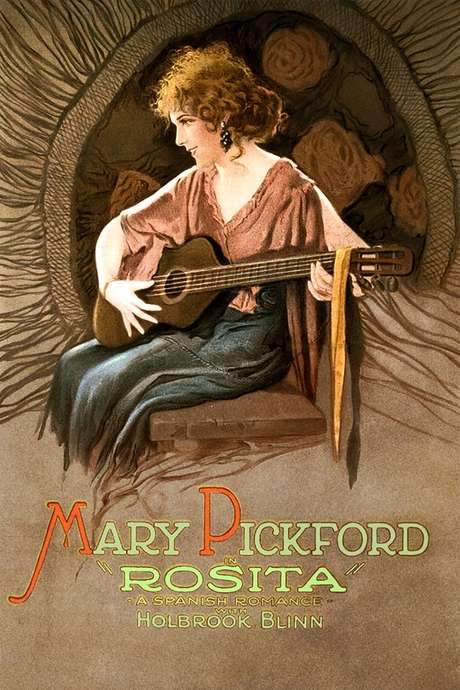
Rosita (1923) Plot Summary & Ending Explained
La Bandida (1962) Movie Recap & Themes
Dos locos en escena (1960) Movie Recap & Themes
The Woman and the Puppet (1929) Complete Plot Breakdown
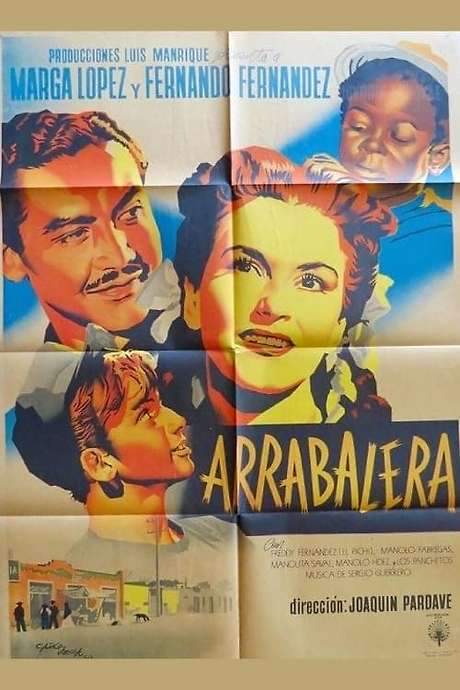
Arrabalera (1951) Complete Plot Breakdown
The Delinquents (1960) Plot Summary & Ending Explained
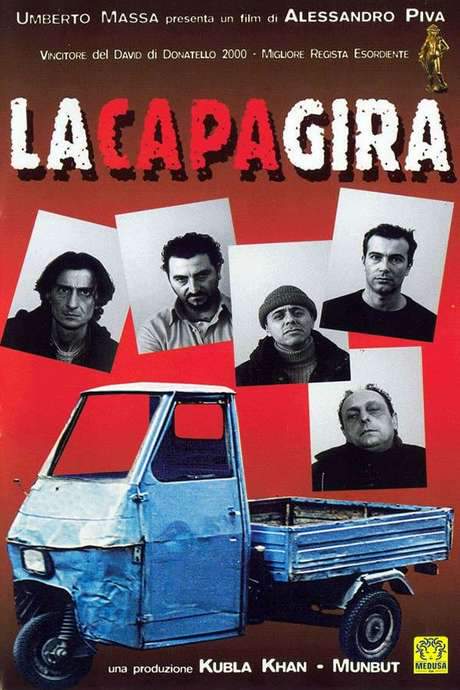
LaCapaGira (1999) Complete Plot Breakdown
Pelota de trapo (1948) Plot Summary & Ending Explained
Un novio para mi mujer (2022) Ending Explained & Film Insights