Plot Explained Spoilers guaranteed!
Plot Explained

Browse by genre

Deadly Illusions (2021) movie poster

Ending Explained

Deadly Illusions (2021) Ending Explained – Final Scene & Meaning

Release, runtime and language
2021 · 114 mins · English
Echo score 29
Loading streaming availability…
Directed by
Anna Elizabeth James
Starring
Dermot Mulroney, Kristin Davis, Paul Blackwell, Marie Wagenman, Esodie Geiger, Jean Effron

A successful novelist struggling with writer’s block hires a young woman to care for her twin children, hoping for inspiration. As she becomes increasingly engrossed in her new book, the boundaries between her fictional world and reality begin to blur, leading to dangerous consequences. The novelist finds herself questioning the nature of her life and the intentions of the woman she brought into her home.

On this page (6)
  1. 1 Where to watch
  2. 2 What happens at the end
  3. 3 Final events in order
  4. 4 Ending questions answered
  5. 5 Movie threads
  6. 6 Every angle
Loading streaming availability…

Ending explained · contains spoilers

What Happens at the End of Deadly Illusions?

How Deadly Illusions (2021) ends, what the final scene means, which earlier moments set it up and how to read the ending if the film leaves it open. The full ending explained, with every spoiler.

The climax of Deadly Illusions pivots on a frantic confrontation that reveals the fractured psyche of the nanny, Grace. After a series of seductions and the murder of Mary’s friend Elaine, Mary discovers that Grace suffers from dissociative identity disorder, harboring a violent alter ego named Margaret. Born from childhood trauma, this dangerous persona has been manipulating the family and committing crimes while the innocent Grace remains unaware. Mary intervenes just in time to save her husband from Margaret’s attempt on his life, subduing the nanny and having her committed to an institution.

However, the film’s conclusion refuses to offer a simple resolution, instead leaning heavily into ambiguity and meta-commentary. Throughout the story, Mary warns her publishers that she becomes a "different person" when writing, a piece of foreshadowing that supports the theory that the entire plot is actually the content of her untitled new novel. In this interpretation, the villainous nanny is merely a character in Mary’s book, and the explicit events depicted might be hallucinations or creative manifestations rather than reality. This theory is bolstered by the fact that the shadowy figure fleeing Elaine’s murder scene resembles Mary, suggesting the author might have projected her own dark actions onto the character of Grace.

The final scene visually reinforces the blurred lines between these two women. After Mary visits the institution, a woman is seen walking out alone. While it is most likely Mary leaving, the camera frames her in a way that makes her indistinguishable from Grace, suggesting a thematic mirroring between them. Ultimately, the film explores the concept of losing oneself in fantasy. Whether through Grace’s split personality or Mary’s immersive fiction writing, both women retreat into alternate realities to escape their lives, leaving the audience to question where the illusion ends and reality begins.

Last updated: March 30, 2026 at 16:42

Was this helpful?

The last 4 events

How Deadly Illusions Ends: The Final Events in Order

The last events of Deadly Illusions (2021) in chronological order, the run-up to the ending explained above. The complete timeline has all 12 events, scene by scene.

Open the full timeline
  1. Grace subdued and guilty knowledge

    Mary knocks Grace unconscious and stops the attack. The incident confirms to Mary and Tom that Grace is not just a harmless nanny, but a person with dissociative identity disorder. The police later confront the idea that Grace's alter identity was responsible for the violence.

    When
    That day
    Where
    Tom's house
  2. Grace's hospitalization

    In the aftermath, Grace is placed in a mental hospital for treatment of her dissociative identity disorder. Mary faces the emotional fallout of the events and begins to process her own role and fears. The case leaves them all changed.

    When
    After the attack
    Where
    Mental hospital
  3. One year later: at Elaine's grave

    One year passes and Mary returns to Elaine's grave to leave the finished manuscript that Elaine urged her to write. She reflects on Elaine's influence and the renewed purpose her writing now holds. The moment marks a tentative closure for Mary.

    When
    One year later
    Where
    Elaine's grave
  4. Visit to Grace and final image

    Mary visits Grace in a mental hospital, continuing to seek some sense of closure. The film ends with Mary leaving the hospital, her face obscured by a headscarf and sunglasses, echoing the disguise from the police video.

    When
    One year later, final moment
    Where
    Mental hospital

Ending questions answered

Deadly Illusions Ending: Your Questions Answered

The questions people ask most about the ending of Deadly Illusions (2021): what the final scene means, how the twist works, what happens to each character and how to read the ending. Each answer contains spoilers.

Q1

Who is Margaret and what is her relationship to Grace?

Margaret is the violent alter ego of Grace, who suffers from dissociative identity disorder. Margaret was created from Grace's childhood trauma and has been manipulating the family and committing crimes while the innocent Grace remained unaware of her existence. Mary discovers this condition during the climactic confrontation when Margaret attempts to kill Mary's husband.

Foreshadowing: Earlier scenes show Grace having blackouts and behaving inconsistently, hinting at her fractured psyche.

  • margaret
  • alter ego
  • dissociative identity disorder
  • grace
  • split personality
Q2

Does Grace know about Margaret's actions?

No, Grace is unaware of Margaret's existence and actions throughout the film. The innocent personality has no knowledge of the crimes committed by her violent alter ego, including the murder of Elaine. This is why Margaret is able to operate undetected for so long.

Foreshadowing: Grace often appears confused about events she supposedly witnessed, creating gaps in her memory that the film initially attributes to her mysterious behavior.

  • grace
  • margaret
  • unaware
  • innocent
  • memory loss
Q3

Is the entire story actually Mary's novel?

The ending strongly suggests that the events depicted may be the contents of Mary's untitled new book rather than actual reality. She warned her publishers early on that she becomes a "different person" when writing, foreshadowing this twist. The shadowy figure fleeing Elaine's murder scene resembles Mary herself, suggesting she may have projected her own dark actions onto the character of Grace.

Foreshadowing: Mary tells her publishers she becomes a different person when writing, a warning that takes on new meaning at the resolution.

  • mary novel
  • fiction
  • reality
  • ending twist
  • book within film
Q4

Did Mary actually kill Elaine?

The film implies this is ambiguous but suggests Mary may have killed Elaine herself and projected the act onto Grace. The shadowy figure seen fleeing Elaine's murder scene physically resembles Mary, and her warning about becoming a different person when writing supports the theory that her fictional creation absorbed her own violent impulses.

Foreshadowing: The shadowy figure at Elaine's murder scene is never clearly identified, leaving doubt about who committed the act.

  • elaine
  • murder
  • mary
  • killer
  • shadow figure
Q5

What happens to Grace at the end?

Grace is committed to a mental institution after Mary subdues her during the climactic confrontation. Margaret's attempt on Mary's husband's life triggers Mary's intervention, after which Grace is taken into psychiatric care rather than facing criminal charges, reflecting the film's focus on psychological rather than legal consequences.

Foreshadowing: The film builds toward this confrontation by showing escalating dangerous behaviors from the violent alter ego.

  • grace
  • institution
  • committed
  • mental hospital
  • fate
Q6

Who is the woman walking out at the very end?

The final scene shows a woman walking alone from what appears to be the institution, but the camera frames her in a way that makes her indistinguishable from both Mary and Grace. While it is most likely Mary leaving after visiting, the ambiguity reinforces the thematic mirroring between the two women and the blurred line between reality and fiction that defines the film's conclusion.

Foreshadowing: The visual similarity between Mary and Grace has been emphasized throughout, making the ending purposely unclear.

  • final scene
  • walking out
  • ambiguous
  • woman
  • identity
Q7

Why does the film end with such ambiguity?

The ambiguity serves the film's central theme of losing oneself in fantasy. By refusing to confirm what was real and what was fiction, the film forces viewers to experience the same disorientation Mary faces between her created world and reality. Both women retreat into alternate realities to escape their lives, Grace through her dissociative identity and Mary through immersive writing, leaving the ending appropriately unresolved.

Foreshadowing: The entire film has been building the blurred lines between Mary's writing and perceived reality.

  • ambiguous ending
  • interpretation
  • theme
  • illusion
  • reality vs fiction
Q8

What does Mary's warning about becoming a different person mean?

Mary tells her publishers early in the film that she becomes a different person when writing, warning them about the transformative power of her creative process. This detail foreshadows the ending's central twist, suggesting her new novel may be manifesting her own dark impulses through the character of Margaret, blurring the boundary between author and villain.

Foreshadowing: This warning is delivered directly to publishers in an early scene, establishing the thematic framework for the conclusion.

  • different person
  • writing
  • foreshadowing
  • author
  • transformation
Q9

How does Mary save her husband from Margaret?

Mary intervenes during Margaret's attempt to kill her husband,_subduing the nanny just in time to prevent the murder. This confrontation reveals Margaret's true violent nature to Mary and leads directly to Grace's commitment to the institution, providing the immediate climax that resolves the physical threat to Mary's family.

Foreshadowing: Margaret's escalating violence throughout the film builds toward this Life-threatening confrontation.

  • husband
  • save
  • attack
  • mary
  • climax
Q10

What is the significance of Mary's visit to the mental hospital?

Mary's visit to the mental institution after the climax serves as a bridge between the chaotic events that preceded it and the ambiguous final scene. It confirms Grace's institutionalization while also visually echoing the film's thematic concern with psychological states, preparing viewers for the final twist about reality and fiction.

Foreshadowing: The hospital visit is shown as a somber, reflective moment acknowledging the lasting impact of the ordeal.

  • hospital
  • visit
  • mental institution
  • mary
  • closure

Movie threads

More Movies Like Deadly Illusions, by Mood & Story

Curated lists built around what makes Deadly Illusions tick: the same mood, the same kind of story or the same emotional payoff. Each list explains why these movies belong together.

Psychological thrillers with blurred reality like Deadly Illusions

Stories where a character's grip on reality fractures under psychological pressure. If you liked the mind-bending tension of Deadly Illusions, explore more movies where characters question their sanity. These similar psychological thrillers feature unreliable narrators, gaslighting, and plots that deliberately blur the line between fiction and fact, keeping you guessing until the end.

  • unreliable narrator
  • psychological
  • paranoid
  • mind-bending
  • gaslighting
  • unsettling
  • Tone: tense, paranoid, unsettling
  • Pacing: steady, methodical build
Why these movies?

The story pattern: Narratives in this thread typically follow a protagonist, often creative or under stress, who experiences a breakdown in their perception of reality. The plot hinges on ambiguity, making the viewer question what is real and what is a product of the character's unstable mind, often building to a revelation that re-contextualizes everything that came before.

Why they belong together: These films are grouped by their shared core mechanic of psychological unreliability. They create a specific, paranoid mood by aligning the audience's perspective with a potentially delusional character, resulting in a similar feeling of tension, confusion, and dread.
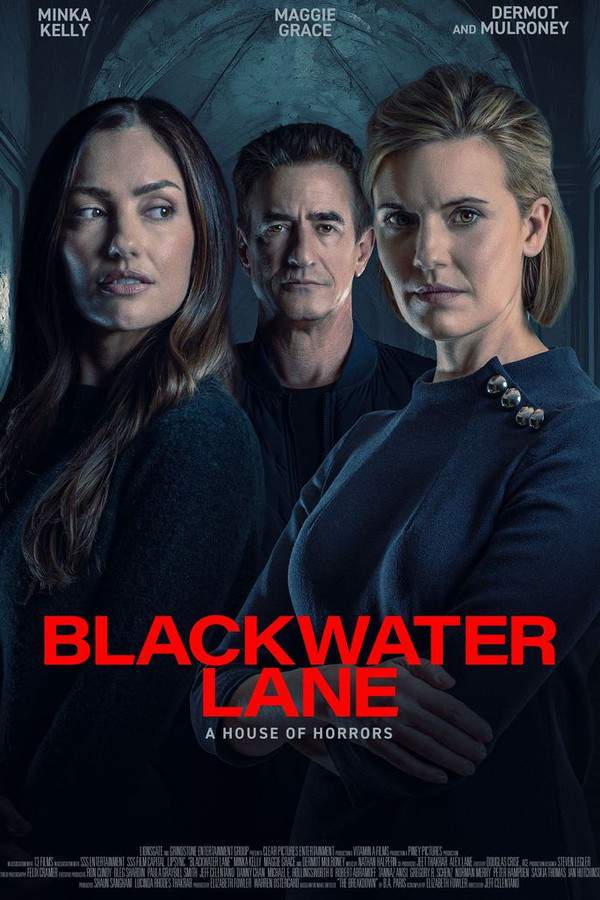
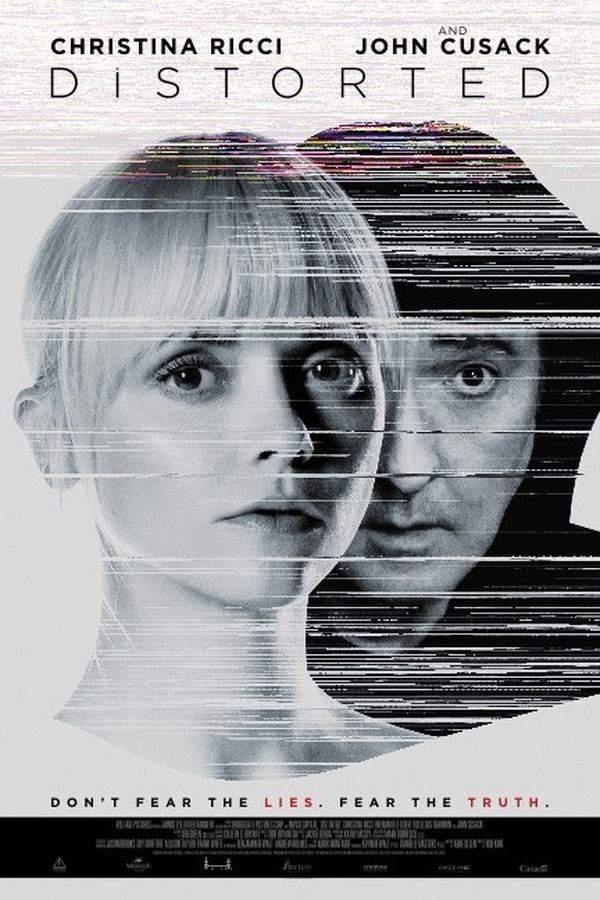
Claustrophobic domestic thrillers like Deadly Illusions

Thrillers where the greatest danger enters a seemingly safe home. Fans of Deadly Illusions will enjoy these similar movies about families in peril within their own homes. Discover more tense thrillers where a trusted outsider brings chaos, focusing on psychological manipulation and the terrifying breakdown of domestic safety.

  • claustrophobic
  • domestic thriller
  • family in peril
  • suspenseful
  • anxious
  • obsession
  • Tone: anxious, claustrophobic, tense
  • Pacing: steady, creeping dread
Why these movies?

The story pattern: The narrative pattern involves a family, often led by a female protagonist, whose routine is disrupted by an outsider. The story methodically builds tension from small suspicions into full-blown paranoia, exploiting the intimate setting to create a sense of claustrophobia and inescapable dread, where the home's walls feel like they are closing in.

Why they belong together: These movies share a potent mix of familiar domesticity with insidious psychological threat. The similarity comes from the specific vibe of 'home invasion' that is psychological rather than purely physical, the steady pacing that builds unease, and the heavy emotional weight of a family's safety being violated.

Every angle

Deadly Illusions (2021) Explained: Plot, Ending, Timeline & Characters

Everything about Deadly Illusions in one place: what happens in the plot summary, the timeline in chronological order, the characters and meaning, the ending explained and a spoiler-free summary. What's After the Movie adds the cast, box office and post-credit scenes.

Coming soon on iOS and Android

The Plot Explained Movie Summary App

Plot summaries, endings explained and timelines on your phone. Catch up on any movie in minutes, save your favorites and never miss a twist again.

Be the first to know when we launch. Your email stays private, always.

Learn more about the app