Day of Wrath

Day of Wrath

Year: 1943

Runtime: 97 mins

Language: Danish

Director: Carl Theodor Dreyer

DramaHistory

In early‑17th‑century Denmark, Anne—daughter of a woman once deemed a witch—feels compassion for Marte, an elderly neighbor charged with witchcraft. Her husband, Pastor Absalon, once rescued Anne’s mother but now, pressured by his domineering mother, refuses to aid Marte. As Absalon’s son returns, attracted to Anne, the family’s tragic fate looms.

Warning: spoilers below!

Haven’t seen Day of Wrath yet? This summary contains major spoilers. Bookmark the page, watch the movie, and come back for the full breakdown. If you're ready, scroll on and relive the story!

Timeline & Setting – Day of Wrath (1943)

Explore the full timeline and setting of Day of Wrath (1943). Follow every major event in chronological order and see how the environment shapes the story, characters, and dramatic tension.

Time period

1623, Early 17th century

The events take place in 1623, a period when superstition and religious orthodoxy governed village life in Denmark. Witch trials and fear of the Devil drive much of the action, influencing who is accused and who is believed. Daily life is marked by strict hierarchies, rumors, and a sense of impending doom.

Location

Danish village, Denmark

Set in a small Danish village in 1623, the story unfolds within a tightly knit community where superstition and religious authority shape daily life. The house shared by Absalon, his wife Anne, and Meret becomes a focal point for conflict, control, and fear. The harsh rural setting emphasizes isolation and the pressure to conform to communal norms.

🧭 Historical setting 🏰 Rural Denmark 🕯 Witch trials

Last Updated: December 04, 2025 at 15:21

Main Characters – Day of Wrath (1943)

Meet the key characters of Day of Wrath (1943), with detailed profiles, motivations, and roles in the plot. Understand their emotional journeys and what they reveal about the film’s deeper themes.

Anne Pedersdotter

A young wife to the aging pastor Absalon, she is caught between duty and desire. Her growing discontent and curiosity about power push her toward a forbidden affair with Martin, revealing a longing for autonomy. Her choices place her at the center of the village's moral storm.

💖 Young wife ⚖️ Duty vs desire 🔥 Forbidden desires

Rev. Absalon Pederssøn

An aging, authoritative pastor who oversees the trials and maintains strict control at home. His marriage to a younger wife adds tension as he navigates duty, ambition, and guilt. He grapples with the consequences of saving Anne's mother while letting Marte face punishment, exposing moral complexity.

🕊️ Authority 💔 Guilt 🧭 Morality

Martin, Absalon's Son from First Marriage

Returned from abroad, he enters the household and is immediately drawn to Anne. His attraction destabilizes loyalties and he must choose between family duty and personal desire. His uncertainties propel the love affair toward its tragic conclusion.

💑 Forbidden love ⚖️ Loyalty conflict 🔥 Youthful longing

Herlofs Marte

An elderly woman accused of witchcraft, whose interrogation exposes the community's reliance on superstition. She foretells deaths and pleads to be spared, revealing the power that shapes Anne's fate. Her execution by burning epitomizes the village's belief in witchcraft as social control.

🧙‍♀️ Witchcraft ⚖️ Social control 🔥 Martyr-like fate

Laurentius

A dying parishioner who Marte had cursed, his impending death casts a shadow over Absalon's household. His fate foreshadows the tragedy to come and heightens the sense of doom surrounding the trials.

🩸 Fated death 🕯️ Ominous omen 🕊️ Religion

Merete, Absalon's Mother

A strict, disapproving matriarch who denounces Anne as a witch and embodies the patriarchal control over women's lives. She represents the community's suspicion and merciless judgment, especially toward young wives.

👵 Authority 🗡️ Family honor ⚠️ Suspicion

Degn

A parish official who participates in the trials, embodying the village's religious zeal and readiness to act on accusations. He helps enforce the moral code that condemns the supposed witches.

👔 Authority 🗣️ Institutional power ⚖️ Judgment

The Bishop

A figure of religious authority behind the trials, representing the church's ultimate power in determining who is guilty. His presence underscores the governance of morality by higher powers.

⛪ Religious authority 🕊️ Judgment 🔒 Power

Last Updated: December 04, 2025 at 15:21

Major Themes – Day of Wrath (1943)

Explore the central themes of Day of Wrath (1943), from psychological, social, and emotional dimensions to philosophical messages. Understand what the film is really saying beneath the surface.

🔮 Witchcraft

The village's fear of witchcraft drives the plot, with Herlof's Marte accused and executed under torture. Accusations reveal how power, status, and personal grievances influence justice. Absalon's intervention shows the moral ambiguity of protecting individuals within a harsh system. The tragedy underscores how superstition can govern life and death.

❤️ Forbidden Love

Anne's marriage to an older pastor places her in a constrained position. Her growing attraction to Martin destabilizes the household and defies social expectations. The affair exposes the characters' longing for freedom and happiness within a rigid society. It ultimately fuels jealousy, suspicion, and tragedy.

💔 Guilt and Responsibility

Absalon wrestles with guilt over saving Anne's mother while consenting to the harsher fate of Marte, highlighting the limits of mercy. The lovers' actions force each character to confront the consequences of their choices. The theme reveals how personal decisions intersect with communal judgment. The ending makes clear that moral responsibility in a toxic system is perilously complex.

Last Updated: December 04, 2025 at 15:21

Mobile App Preview

Coming soon on iOS and Android

The Plot Explained Mobile App

From blockbusters to hidden gems — dive into movie stories anytime, anywhere. Save your favorites, discover plots faster, and never miss a twist again.

Sign up to be the first to know when we launch. Your email stays private — always.

Explore Movie Threads

Discover curated groups of movies connected by mood, themes, and story style. Browse collections built around emotion, atmosphere, and narrative focus to easily find films that match what you feel like watching right now.

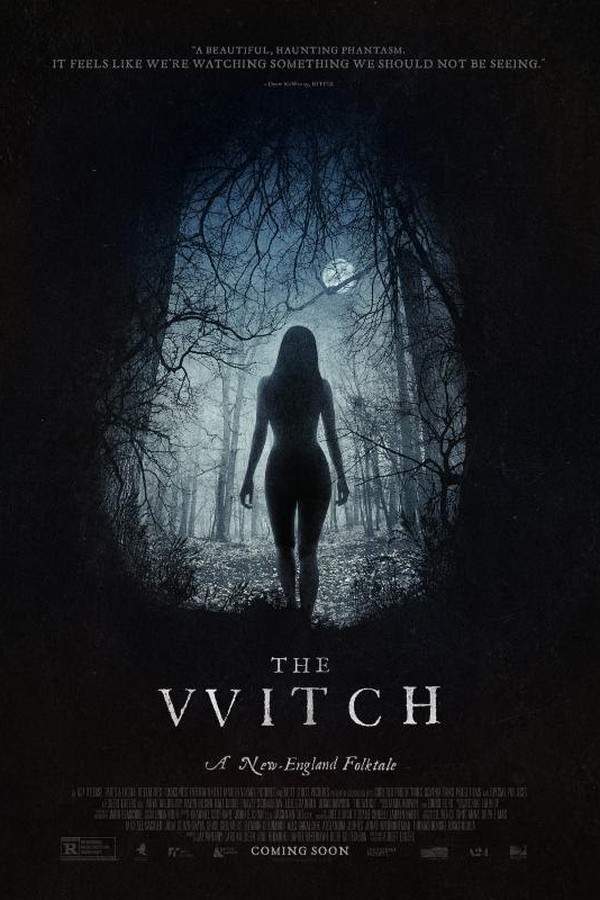
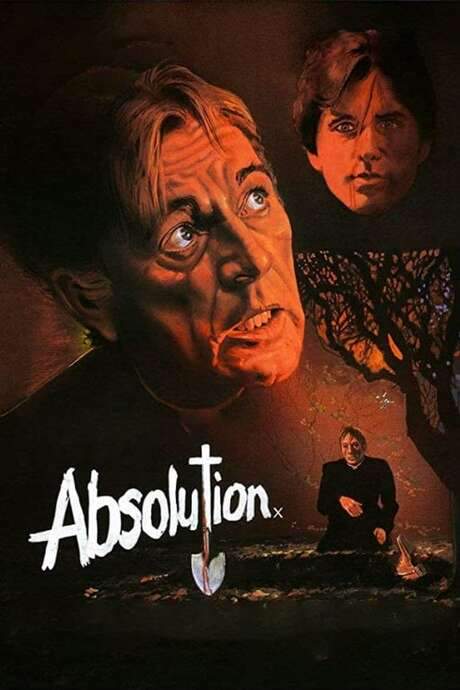
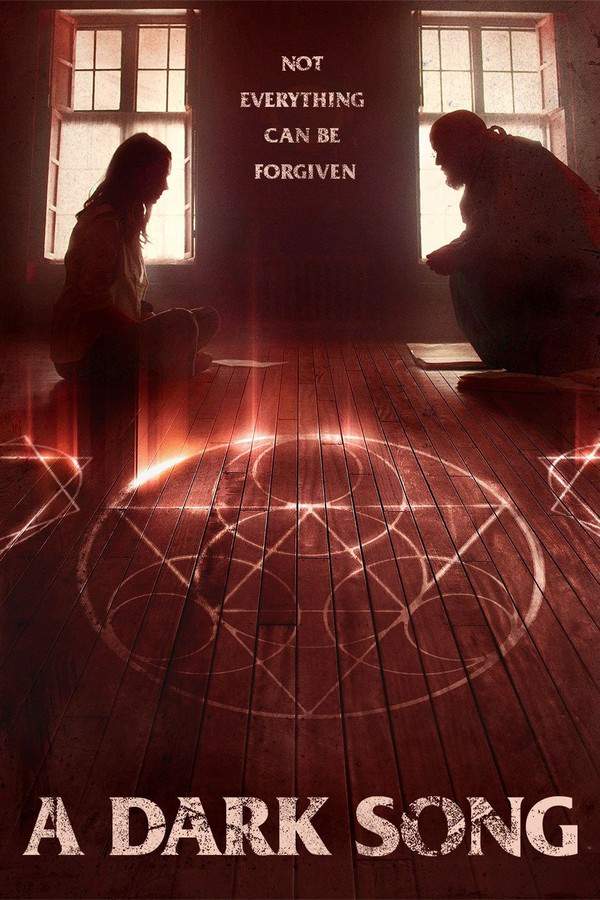
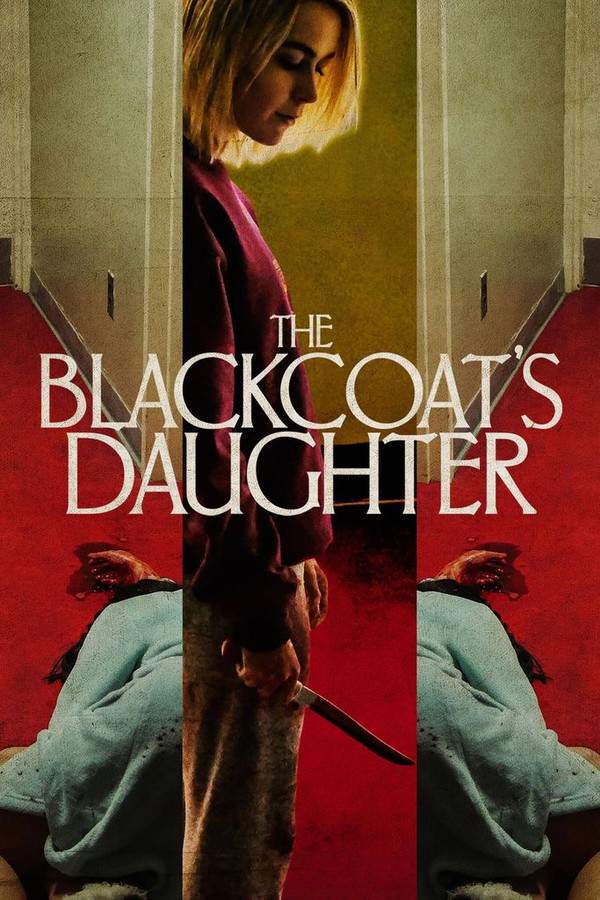
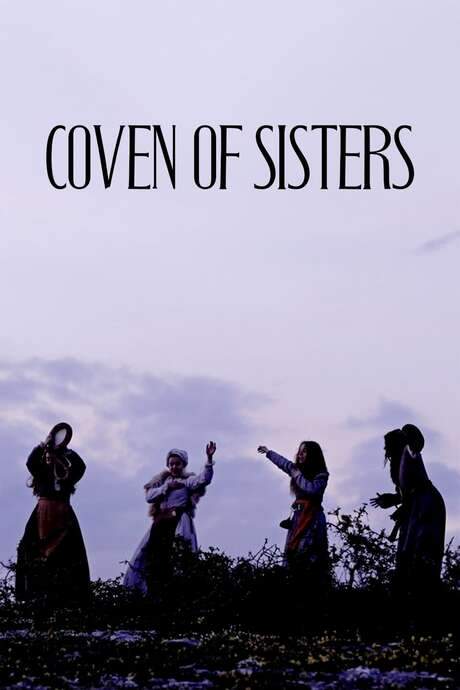
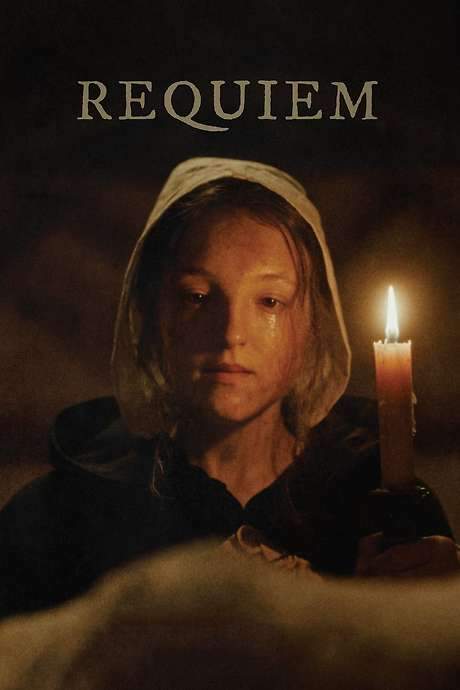
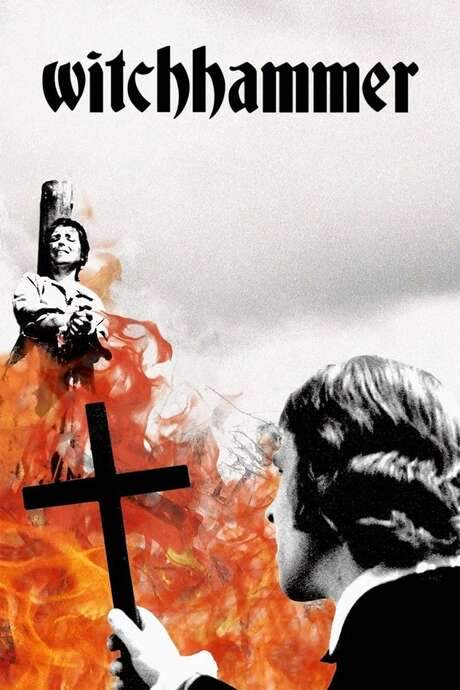
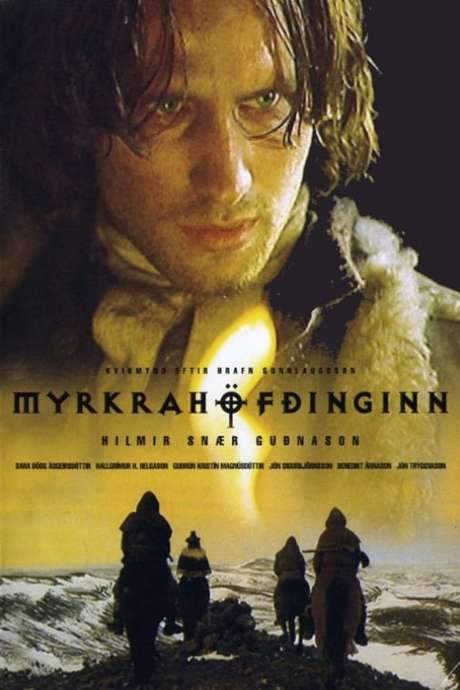
Historical dramas of persecution like Day of Wrath

Stories where societal fear and fanaticism crush individuals in a historical setting.If you were captivated by the oppressive atmosphere and tragic injustice in Day of Wrath, explore these movies. This collection features historical dramas centered on persecution, witch hunts, and societal hypocrisy, where characters grapple with fanaticism and a cruel fate.

oppressivesomberdread-filledfatalisticgrimhistoricalunjust

Narrative Summary

The narrative typically follows a protagonist who challenges or falls victim to a rigid, intolerant society. The story builds tension through the increasing threat of accusation and punishment, often leading to an inevitable, bleak conclusion that underscores the brutality of the era and the powerlessness of the individual.

Why These Movies?

These films are grouped by their shared setting in a repressive historical context and their focus on themes of persecution, false accusation, and the clash between individual conscience and collective hysteria. They deliver a similarly heavy, dread-filled experience.

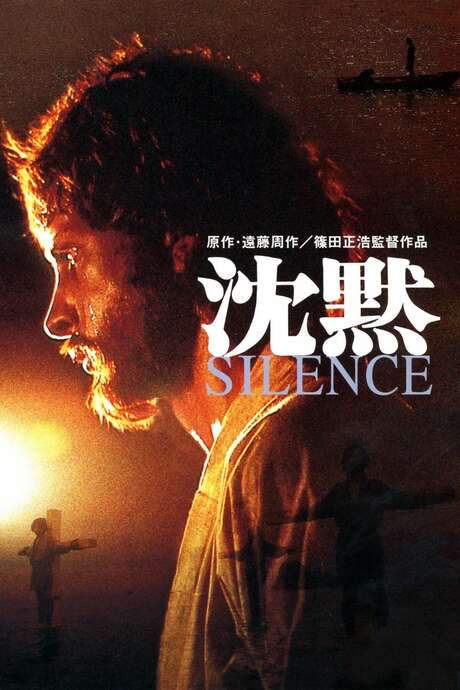
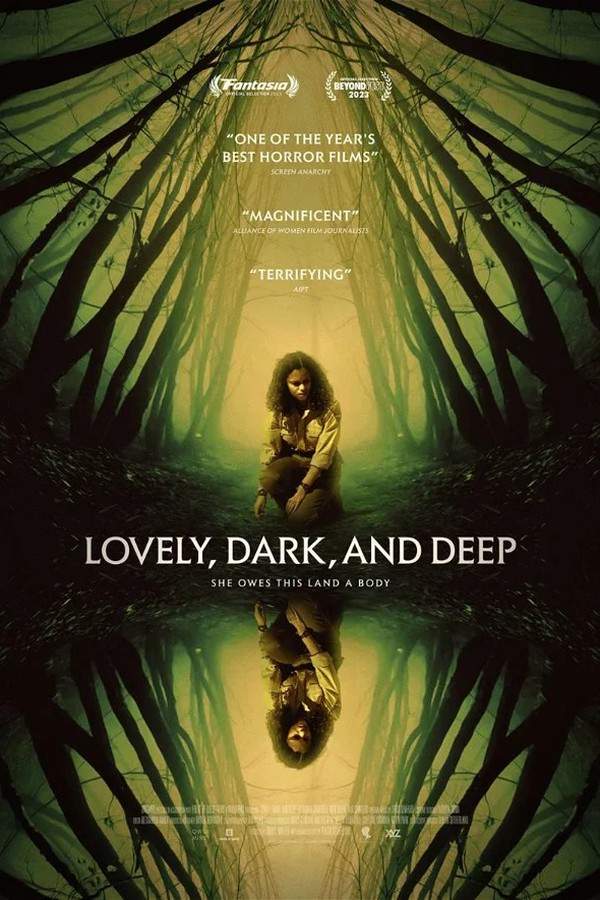
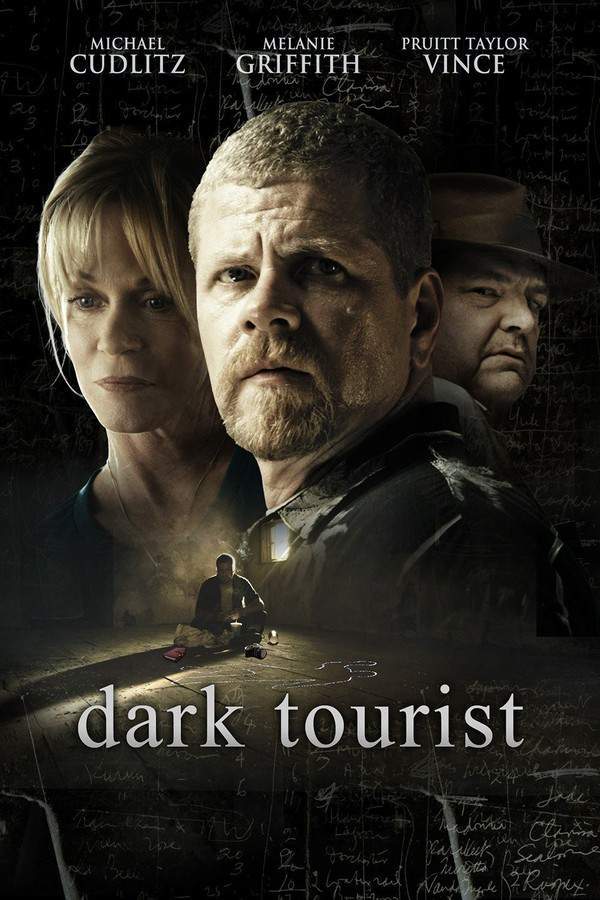
Slow burn psychological descents like in Day of Wrath

Character-driven tales where internal turmoil leads to a tragic, inescapable fate.For viewers who appreciated the psychological torment and fatalistic character arc in Day of Wrath. These movies feature protagonists on a slow, inevitable journey into darkness, driven by internal conflict, forbidden desires, or crushing external forces.

slow burnpsychologicaltormentedmelancholicclaustrophobicfatalisticdespair

Narrative Summary

The narrative pattern is a character study of decline. It often begins with a spark of defiance or a forbidden desire that acts as a catalyst. The plot then methodically dismantles the character's psyche through guilt, fear, or manipulation, culminating in a complete psychological collapse or tragic downfall.

Why These Movies?

They are united by a shared focus on a protagonist's internal psychological journey towards a bleak end. The similarity lies in the slow, atmospheric build-up of dread and the heavy emotional weight of witnessing a character's spirit break under pressure.

Unlock the Full Story of Day of Wrath

Don't stop at just watching — explore Day of Wrath in full detail. From the complete plot summary and scene-by-scene timeline to character breakdowns, thematic analysis, and a deep dive into the ending — every page helps you truly understand what Day of Wrath is all about. Plus, discover what's next after the movie.

Day of Wrath Summary

Read a complete plot summary of Day of Wrath, including all key story points, character arcs, and turning points. This in-depth recap is ideal for understanding the narrative structure or reviewing what happened in the movie.

Day of Wrath Summary

Day of Wrath Timeline

Track the full timeline of Day of Wrath with every major event arranged chronologically. Perfect for decoding non-linear storytelling, flashbacks, or parallel narratives with a clear scene-by-scene breakdown.

Day of Wrath Timeline

Day of Wrath Spoiler-Free Summary

Get a quick, spoiler-free overview of Day of Wrath that covers the main plot points and key details without revealing any major twists or spoilers. Perfect for those who want to know what to expect before diving in.

Day of Wrath Spoiler-Free Summary

More About Day of Wrath

Visit What's After the Movie to explore more about Day of Wrath: box office results, cast and crew info, production details, post-credit scenes, and external links — all in one place for movie fans and researchers.

More About Day of Wrath

Similar Movies to Day of Wrath

Discover movies like Day of Wrath that share similar genres, themes, and storytelling elements. Whether you’re drawn to the atmosphere, character arcs, or plot structure, these curated recommendations will help you explore more films you’ll love.