Meet the man behind the legend in this true story of Vlad the Impaler, whose vicious and cruel reputation as a bloodthirsty warlord became the basis for the myth of Dracula.
Find where to stream, rent, or buy Dark Prince: The True Story of Dracula (2000) in the US with current JustWatch availability, up-to-date pricing, and platform listings for subscription, rental, and digital purchase options.
Warning: spoilers below!
Haven’t seen Dark Prince: The True Story of Dracula yet? This summary contains major spoilers. Bookmark the page, watch the movie, and come back for the full breakdown. If you're ready, scroll on and relive the story!
Trace every key event in Dark Prince: The True Story of Dracula (2000) with our detailed, chronological timeline. Perfect for unpacking nonlinear stories, spotting hidden connections, and understanding how each scene builds toward the film’s climax. Whether you're revisiting or decoding for the first time, this timeline gives you the full picture.
Last updated: January 28, 2026 at 12:45
Find frequently asked questions about the Dark Prince: The True Story of Dracula (2000) timeline, including chronological order, nonlinear jumps, cause-and-effect links, and scene sequence clarifications. This timeline FAQ helps explain when key events happen, how moments connect, and why the story unfolds in that specific order.
Vlad aligns with the Hungarian king to gain military support needed to reclaim his throne in Wallachia. As a dispossessed noble whose father was murdered by Romanian nobles and whose brother was captured by the Ottoman sultan, Vlad needed powerful backing to organize resistance against the Turkish occupation and the traitorous Romanian boyars who supported it.
Lidia's mental breakdown occurs after she witnesses the full extent of Vlad's brutality, specifically, what he does to the bodies of his enemies. The horrifying reality of his violent methods causes her to deteriorate psychologically, and she begins claiming to hear the voices of the dead speaking to her.
Earlier scenes show Lidia as a witness to Vlad's retributive acts, foreshadowing her psychological unraveling.
Vlad banishes Lidia to the convent because her mental state has become unstable and he believes the violent environment of his court is worsening her condition. He hopes the secluded religious setting will protect her and help her recover. He later regrets this decision and attempts to reconcile, but the damage is already done.
Radu, Vlad's own brother, leads the Turkish invasion force against him because he has been alignied with the Ottoman sultan who captured him earlier. The film presents Radu as a tool of Turkish expansion, and his arrival represents both an external military threat and a devastating personal betrayal for Vlad.
The earlier capture of Vlad's brother by the Ottoman sultan sets up Radu's eventual role as an enemy commander.
Vlad is excommunicated by the Orthodox Church primarily because he aligned with the Catholic King of Hungary rather than maintaining loyalty to Orthodox Christian powers. This religious condemnation is presented during the hearing that frames the narrative, marking Vlad as spiritually isolated from both his own faith and the broader Christian world.
Vlad is assassinated by his brother Radu, who leads the Turkish invasion force against him. The assassination occurs amid the political chaos and shifting loyalties of Wallachia, bringing Vlad's brutal reign to a violent end through the ultimate act of family betrayal.
Yes, after his assassination, Vlad rises from the grave as a vampire. Condemned by priests and unable to find rest in either Heaven or Hell due to his excommunication, he gains eternal life and is freed to roam the earth. This transformation directly connects the historical figure to the legendary vampire mythology he would inspire.
Vlad is condemned by priests and remains unable to find rest in either Heaven or Hell because he has been excommunicated by the Orthodox Church. His alignment with Catholic Hungary, combined with his brutal methods of warfare, have made him spiritually unacceptable to the Christian afterlife, leaving him in a state of eternal limbo.
Lidia commits suicide as the final consequence of her psychological breakdown. Having been traumatized by witnessing Vlad's brutalities and then isolated in the convent away from her family, she can no longer cope with her mental torment and takes her own life, leaving Vlad devastated by the loss.
Her earlier deterioration and banishment to the convent establish the trajectory toward this tragic end.
The film uses a hearing about Vlad's alliance with the Catholic King of Hungary as a framing device to present the events as testimony. This structure allows the narrative to be told as evidence being weighed, where viewers must consider Vlad's motives, his oath to defend Wallachia, and the consequences of his political choices, blurring the line between historical fact and legendary interpretation.
Discover curated groups of movies connected by mood, themes, and story style. Browse collections built around emotion, atmosphere, and narrative focus to easily find films that match what you feel like watching right now.
Stories exploring the grim events that forge a legendary monster.If you were fascinated by the grim story of Vlad's transformation into Dracula, explore more movies like Dark Prince that show how legendary villains are forged through tragedy, betrayal, and brutal circumstances.
These narratives typically follow a linear, steady-paced arc from relative normalcy to infamy. The protagonist, often starting with noble or relatable intentions, is subjected to immense psychological pressure, political betrayal, and profound loss. This pressure inexorably warps their character, leading to a bleak ending where they are fully consumed by their monstrous new identity.
Movies in this thread share a dark tone, high emotional intensity, and a heavy emotional weight. They are connected by the core theme of a tragic origin story, focusing on the 'why' behind a villain's creation rather than just their evil acts. The pacing is often steady, allowing the descent to feel inevitable and deeply tragic.
Grim historical sagas defined by war, political betrayal, and brutal retribution.For viewers who enjoyed the brutal warfare and vengeful core of Dark Prince, this thread features similar movies like epic historical dramas centered on vengeance, political betrayal, and graphic medieval conflict.
The plot follows a protagonist wronged by rivals or a corrupt system, leading them on a path of brutal retribution. The journey is marked by large-scale battles, strategic political maneuvering, and significant personal sacrifice. The line between hero and villain blurs as the quest for vengeance takes a heavy psychological toll, often culminating in a pyrrhic victory or a desolate ending.
These films are united by their high intensity, dark tone, and focus on the brutal realities of historical conflict and revenge. They share a steady, epic pacing that allows for the methodical unfolding of political and military campaigns. The mood is consistently grim and oppressive, with a heavy emotional weight derived from themes of loss and moral corrosion.
Don't stop at just watching - explore Dark Prince: The True Story of Dracula in full detail. From the complete plot summary and scene-by-scene timeline to character breakdowns, thematic analysis, and a deep dive into the ending - every page helps you truly understand what Dark Prince: The True Story of Dracula is all about. Plus, discover what's next after the movie.
Read a complete plot summary of Dark Prince: The True Story of Dracula, including all key story points, character arcs, and turning points. This in-depth recap is ideal for understanding the narrative structure or reviewing what happened in the movie.
Discover the characters, locations, and core themes that shape Dark Prince: The True Story of Dracula. Get insights into symbolic elements, setting significance, and deeper narrative meaning - ideal for thematic analysis and movie breakdowns.
Get a quick, spoiler-free overview of Dark Prince: The True Story of Dracula that covers the main plot points and key details without revealing any major twists or spoilers. Perfect for those who want to know what to expect before diving in.
Discover movies like Dark Prince: The True Story of Dracula that share similar genres, themes, and storytelling elements. Whether you’re drawn to the atmosphere, character arcs, or plot structure, these curated recommendations will help you explore more films you’ll love.
Dark Prince: The True Story of Dracula (2000) Plot Summary & Movie Recap
Dark Prince: The True Story of Dracula (2000) Scene-by-Scene Movie Timeline
Dark Prince: The True Story of Dracula (2000) Spoiler-Free Summary & Key Flow
Movies Like Dark Prince: The True Story of Dracula – Similar Titles You’ll Enjoy
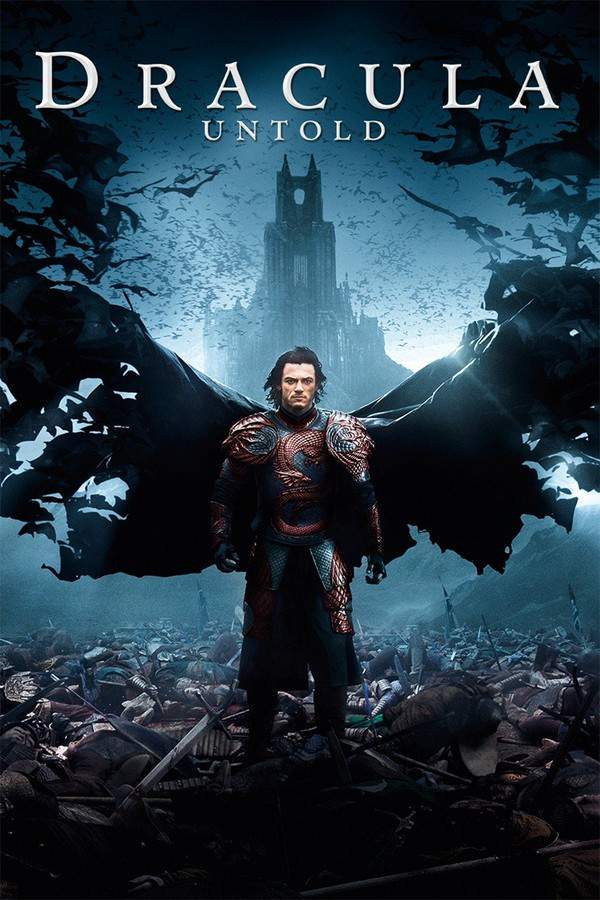
Dracula Untold (2014) Detailed Story Recap
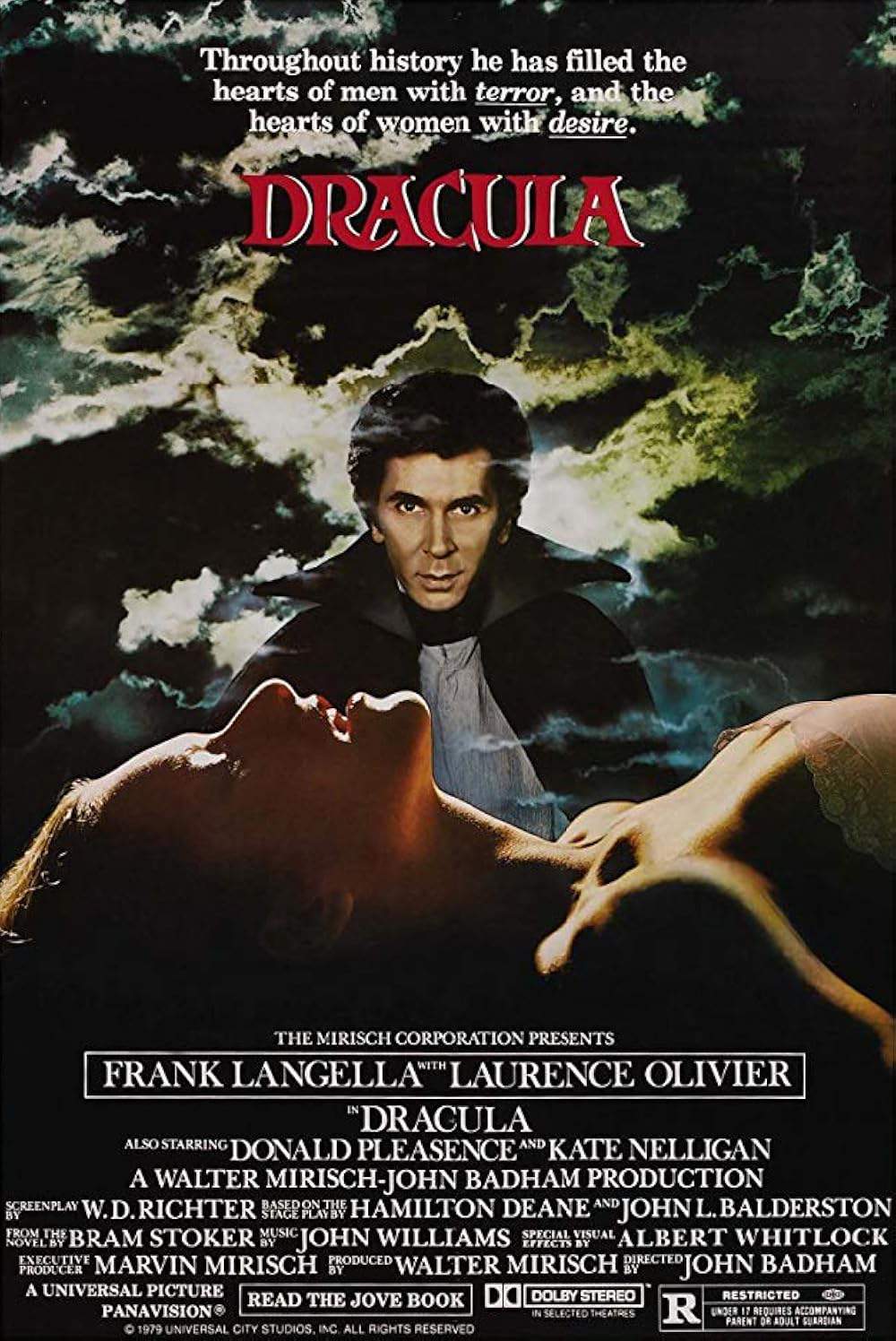
Dracula (1979) Detailed Story Recap
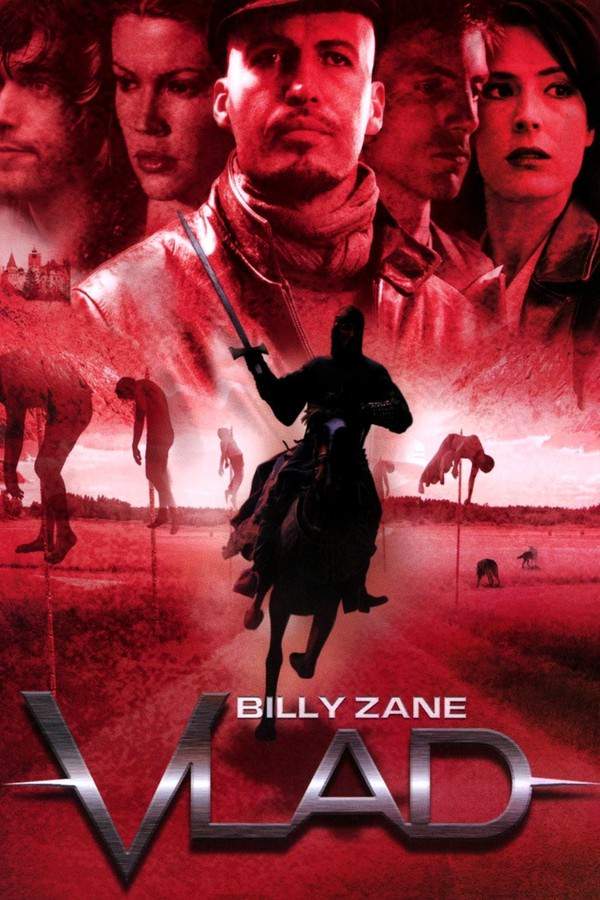
Vlad (2004) Full Summary & Key Details
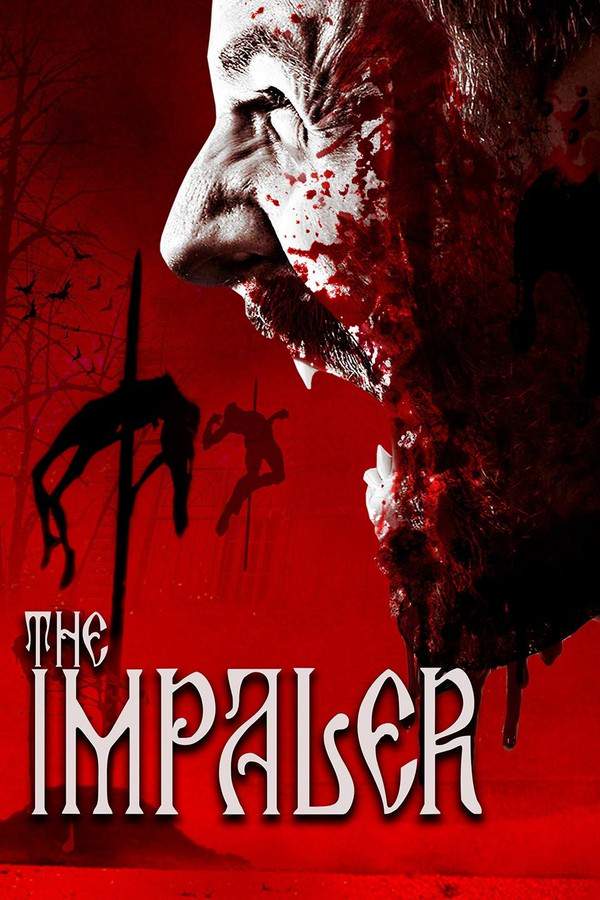
The Impaler (2013) Movie Recap & Themes
Vlad the Impaler (2018) Story Summary & Characters
Dracula’s Curse (2006) Spoiler-Packed Plot Recap
Dracula (1000) Film Overview & Timeline
Dracula: Prince of Darkness (1966) Detailed Story Recap
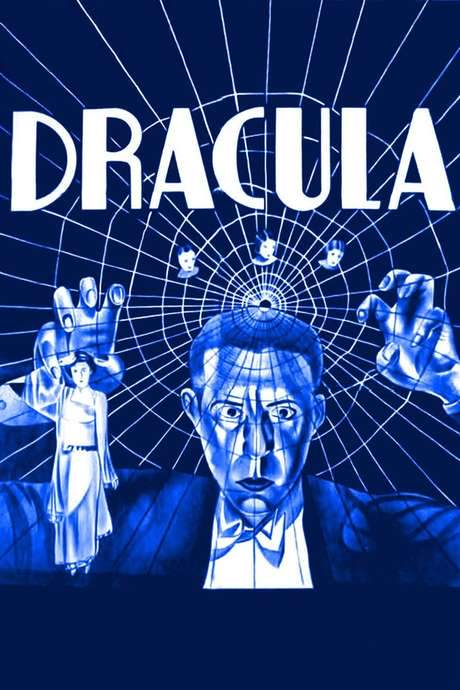
Drácula (1931) Story Summary & Characters
Dracula Has Risen from the Grave (1968) Complete Plot Breakdown
Dracula: The True Story (1997) Plot Summary & Ending Explained
The Return of Dracula (1958) Story Summary & Characters
Count Dracula (1971) Complete Plot Breakdown
Count Dracula (1977) Film Overview & Timeline
Vlad the Impaler: The True Life of Dracula (1979) Film Overview & Timeline