Plot Explained Spoilers guaranteed!
Plot Explained

Browse by genre

Crazy Enough (2013) movie poster

Characters & Themes

Crazy Enough (2013) Characters, Setting & Themes Explained

Release, runtime and language
2013 · 104 mins · English
Loading streaming availability…
Directed by
Lance McDaniel
Starring
Chris Kattan, Jason Padgett, Desmond Mason, Susana Gibb, Eleanor Threatt, Mark Adam Goff

Identical twins, separated at birth, lead vastly different lives. One twin has become a respected psychiatrist, while the other has struggled with mental illness, residing in an institution. When the doctor is called to evaluate his brother, an unexpected turn of events leads them to switch places, blurring the lines between sanity and madness and challenging their understanding of each other.

On this page (7)
  1. 1 Where to watch
  2. 2 Characters explained (8)
  3. 3 Where & when it takes place
  4. 4 Themes & meaning (3)
  5. 5 Character & meaning questions
  6. 6 Movie threads
  7. 7 Every angle
Loading streaming availability…

8 main characters · contains spoilers

Crazy Enough Characters Explained: Who Is Who

The main characters of Crazy Enough (2013), heroes and villains: what drives them, how they change over the course of the story and what each of them reveals about the film's bigger ideas.

  • Fred / Ted Mulberry (Chris Kattan)

    A successful psychiatrist who, through an improbable turn, begins living as his alter ego Ted. The switch makes him more playful and less constrained, to the distress and amusement of his family and colleagues. He must navigate trust, safety, and truth as others question his identity and intentions.

    • 🧠 Psychiatrist
    • 🌀 Identity swap
    • 😂 Comedic transformation
  • Mr. Greene

    played by Jason Padgett

    The Fitzgerald facility administrator who resents interruptions and resists Fred’s intrusion. He is intent on keeping Dolores contained and uses bureaucratic power to block attempts to change her circumstances. His stance embodies institutional rigidity and authority.

    • 🏛️ Authority
    • 🗝️ Control
    • 🚧 Bureaucracy
  • Jason

    played by Desmond Mason

    A character within the Fitzgerald community; the summary does not detail his specific role, but he is part of the ensemble interacting with Fred and the staff. He contributes to the facility’s dynamic and the broader themes of the story.

    • 🤝 Ensemble
    • 🧩 Mystery
    • 🧍‍♂️ Resident
  • Lorna Mulberry

    played by Susana Gibb

    Fred’s wife, eager to start a granola business and manage a busy household. She is practical, demanding, and often tests Fred’s patience, while also navigating the changes in her husband’s behavior.

    • 💼 Ambition
    • 🏠 Domestic pressure
    • 🥗 Health-conscious
  • Nurse Nancy

    played by Eleanor Threatt

    A nurse at Fitzgerald who enforces rules and challenges Fred/Ted’s story. Her authority figures into the escalation with orderlies and the facility’s responses to the identity confusion.

    • 🩺 Nurse
    • 💢 Strict
    • 🗣️ Authority
  • Security Guard

    played by Mark Adam Goff

    A facility staff member who becomes involved in the pursuit and containment within the mental health setting. He represents the physical barrier to escape and the controlled environment of Fitzgerald.

    • 🔒 Security
    • 🚧 Guarded
    • 🕴️ Enforcement
  • Joyce

    played by Judith Midyett

    A character connected to the facility or staff roster; the summary provides limited detail on her role, but she contributes to the clinic’s social dynamic.

    • 👥 Supporting
    • 🧭 Peripheral
  • Dylan

    played by Mitchell Burns

    The rebellious teen who captures Rose’s attention, representing teenage romance and defiance. His interactions highlight the contrast between youth and adult expectations in the story.

    • 🚗 Rebellious teen
    • ❤️ Teenage romance
    • 🧨 Risk-taker

Last updated: October 01, 2025 at 09:58

Was this helpful?

Setting

Where and When Does Crazy Enough Take Place?

The setting of Crazy Enough (2013): the year and time period, the places and locations, and how they shape the characters, the mood and the tension of the story.

Time period

Present day

The main action unfolds in the 21st century, with modern conveniences like smartphones and GPS playing a role in the plot. The film also uses animated sequences to reference the past at the orphanage. Overall, it centers on current-day family dynamics and workplace dynamics within a contemporary setting.

Location

Philbrook Orphanage, Fitzgerald Mental Health Facility, Fred's guest house, natural foods store

The story shifts between contemporary locations: a private home where Fred and his family reside, the Fitzgerald Mental Health Facility where patients and staff operate, and the Philbrook Orphanage's institutional legacy. Additional notable settings include a natural foods store that serves as a social hub and a guest house attached to Fred's professional life. The contrast between clinical spaces and family life underpins the movie’s humor and tension.

  • 🏙️ Modern town
  • 🏥 Mental health facility
  • 🏠 Domestic spaces

Last updated: October 01, 2025 at 09:58

Was this helpful?

3 major themes

Crazy Enough Meaning: Themes & Message Explained

What is Crazy Enough (2013) really about? The emotional, social and philosophical themes the film keeps returning to, its symbolism and the message beneath the surface.

  • Identity

    The core premise centers on a vivid confusion of identities when Fred appears to become Ted. This swap drives how other characters react and challenges Fred’s sense of self. The narrative explores what truly defines a person when outward appearances and roles shift unexpectedly.

  • Deception

    Characters grapple with false personas and misperceptions within the Fitzgerald facility and Fred’s personal life. The staff and family members must decide whom to trust as stories clash with appearances. The plot leans on the tension between what is real and what is assumed.

  • Freedom

    A recurring urge to escape confinement—whether literal within the facility or metaphorical in family dynamics—pulls characters toward reclaiming their true lives. The desire to break from imposed roles drives the narrative forward. The ending hinges on whether the brothers can return to their real identities and lives.

Last updated: October 01, 2025 at 09:58

Was this helpful?

Character & theme questions

Crazy Enough Characters & Meaning: Your Questions Answered

The questions people ask about Crazy Enough (2013): who the characters really are, their relationships, what the symbols mean, where it takes place and what the movie is really about. Each answer contains spoilers.

Q1

Where is Crazy Enough set?

The movie takes place in a modern-day small town, primarily shifting between three key environments: the Fitzgerald Mental Health Facility, Fred's private home, and the Philbrook Orphanage. Additional settings include a natural foods store that serves as a community hub and a guest house attached to Fred's professional life. The contrast between the clinical, institutional spaces and warm domestic settings creates the movie's visual tension.

  • setting
  • locations
  • Fitzgerald facility
  • mental health facility
Q2

What time period does Crazy Enough take place in?

The movie is set in the present day, specifically the 21st century. Modern technology like smartphones and GPS devices play a functional role in the plot. The film uses animated sequences to briefly reference the past at the Philbrook Orphanage, but the main action unfolds in contemporary times with current-day family and workplace dynamics.

  • time period
  • modern day
  • contemporary
  • 21st century
Q3

What is the main theme of Crazy Enough?

The core theme centers on identity and what truly defines a person when their outward appearance and social role shift unexpectedly. The movie explores this through the twins' identity swap, challenging both characters' and viewers' understanding of selfhood. The narrative examines whether we are defined by our profession, our family roles, or something deeper within.

  • identity
  • theme
  • selfhood
  • character
Q4

How does Crazy Enough explore deception?

Deception runs throughout the film as characters grapple with false personas and misperceptions. Within the Fitzgerald Mental Health Facility, staff and family must determine whom to trust as stories clash with appearances. The tension between what is real and what is assumed drives much of the conflict, creating a layered exploration of truth and performance.

  • deception
  • trust
  • false identity
  • truth
Q5

What does freedom mean in Crazy Enough?

Freedom in the movie operates on both literal and metaphorical levels. Characters seek escape from the confinement of the mental health institution, while also struggling against imposed family roles and social expectations. The desire to break free from predetermined identities drives the narrative, culminating in a question of whether the brothers can reclaim their authentic lives.

  • freedom
  • escape
  • confinement
  • identity
Q6

Who is Fred in Crazy Enough?

Fred Mulberry is a successful psychiatrist who, through an improbable turn of events, begins living as his institutionalized twin brother Ted. The identity switch transforms him into a more playful, less constrained person, which both amuse and distress his family and colleagues. He must navigate questions of trust and truth as others doubt his identity and intentions.

  • Fred
  • psychiatrist
  • Ted
  • main character
  • twin
Q7

Who is Lorna in Crazy Enough?

Lorna Mulberry is Fred's wife, portrayed as a practical and demanding woman eager to start a granola business while managing a busy household. She represents the voice of normalcy and domestic responsibility in the story, often testing Fred's patience while navigating the unsettling changes in her husband's behavior.

  • Lorna
  • wife
  • wife character
  • family
Q8

Who is Mr. Greene in Crazy Enough?

Mr. Greene is the administrator of the Fitzgerald Mental Health Facility. He resents any interruptions to his institutional authority and is determined to keep a patient named Dolores contained. He uses bureaucratic power to block attempts to change her circumstances, representing the rigidity and control of institutional systems.

  • Mr. Greene
  • administrator
  • facility
  • authority
Q9

What role does Nurse Nancy play in Crazy Enough?

Nurse Nancy is a staff member at the Fitzgerald Mental Health Facility who enforces the rules and challenges Fred/Ted's story about his identity. Her authoritative presence factors into the escalation with orderlies and the facility's response to the growing identity confusion. She represents the enforceers of institutional order.

  • Nurse Nancy
  • nurse
  • facility staff
  • rules
Q10

What is the Philbrook Orphanage in Crazy Enough?

The Philbrook Orphanage is referenced as part of the twins' backstory, representing the institutional legacy where Fred and Ted were separated at birth. While not a primary setting for present-day action, it serves as a key element in understanding the twins' origin and the circumstances that led to their divergent lives.

  • Philbrook Orphanage
  • orphanage
  • backstory
  • origin
Q11

Why is mental health significant in Crazy Enough?

Mental health is central to the movie's premise and themes. The Fitzgerald Mental Health Facility serves as a primary setting, and the film uses the context of mental illness and institutionalization to explore deeper questions about identity, truth, and societal perceptions of sanity. The comedy emerges partly from satirizing bureaucratic approaches to mental health care while addressing serious questions about what constitutes normal behavior.

  • mental health
  • facility
  • sanity
  • institution
  • psychology

Movie threads

More Movies Like Crazy Enough, by Mood & Story

Curated lists built around what makes Crazy Enough tick: the same mood, the same kind of story or the same emotional payoff. Each list explains why these movies belong together.

Movies with institutional unease and identity swaps like Crazy Enough

Stories where familiar settings become psychologically unsettling through a switch of identity. If you liked the tense, uncanny vibe of Crazy Enough, you'll find more movies here that explore identity crises within rigid systems. These stories often feature characters switching places in hospitals or asylums, creating a claustrophobic and thought-provoking experience similar to Crazy Enough.

  • uncanny
  • claustrophobic
  • thought-provoking
  • satirical
  • anxious
  • unsettling
  • Tone: tense, satirical, uncanny
  • Pacing: steady, methodical
Why these movies?

The story pattern: These narratives typically begin with a character entering or being confined within a powerful institution. A deliberate or accidental identity swap occurs, forcing the protagonist to navigate a system that now perceives them as someone else. The plot unfolds as they struggle to maintain the facade while the institutional machinery creates increasing psychological pressure.

Why they belong together: Movies are grouped here for their shared setting of a powerful institution, the central plot device of an identity swap, and the resulting mood of claustrophobic unease and satirical commentary on bureaucracy and social roles.

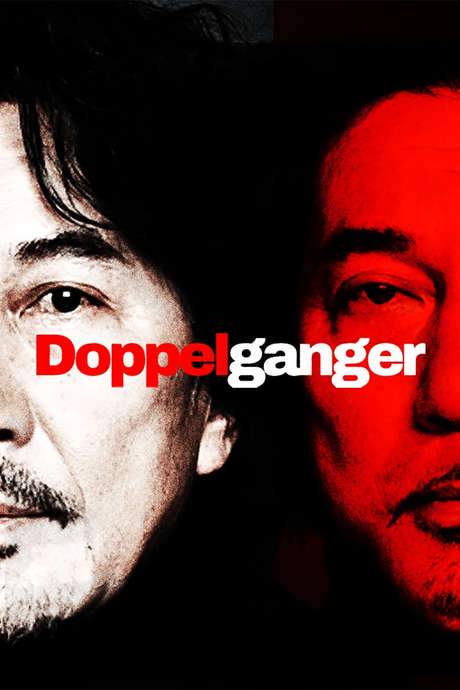
Movies about twins and psychological duality like Crazy Enough

Explorations of duality, twins, and the blurry line between sanity and madness. Fans of Crazy Enough's exploration of twins and fractured identity will enjoy these films. This collection focuses on stories where characters grapple with their double, leading to psychological tension and an examination of what constitutes a 'self', similar to the themes in Crazy Enough.

  • psychological
  • unsettling
  • anxious
  • thought-provoking
  • uncanny
  • identity crisis
  • Tone: tense, psychological, unsettling
  • Pacing: steady, character-driven
Why these movies?

The story pattern: The narrative pattern involves a protagonist whose life is disrupted by the emergence of their 'double'. This confrontation forces a reckoning with suppressed aspects of their personality or a shared past. The journey often blurs the lines between reality and perception, challenging both the character's and the audience's understanding of a stable identity.

Why they belong together: These films are united by their core thematic focus on duality and the psychological fragmentation of the self. They share a mood of anxious curiosity and often feature a steady pacing that allows for deep character exploration and tense psychological revelation.

Every angle

Crazy Enough (2013) Explained: Plot, Timeline & Characters

Everything about Crazy Enough in one place: what happens in the plot summary, the timeline in chronological order, the characters and meaning and a spoiler-free summary. What's After the Movie adds the cast, box office and post-credit scenes.

Coming soon on iOS and Android

The Plot Explained Movie Summary App

Plot summaries, endings explained and timelines on your phone. Catch up on any movie in minutes, save your favorites and never miss a twist again.

Be the first to know when we launch. Your email stays private, always.

Learn more about the app