
















Plot Explained Spoilers guaranteed!
Plot Explained

Browse by genre

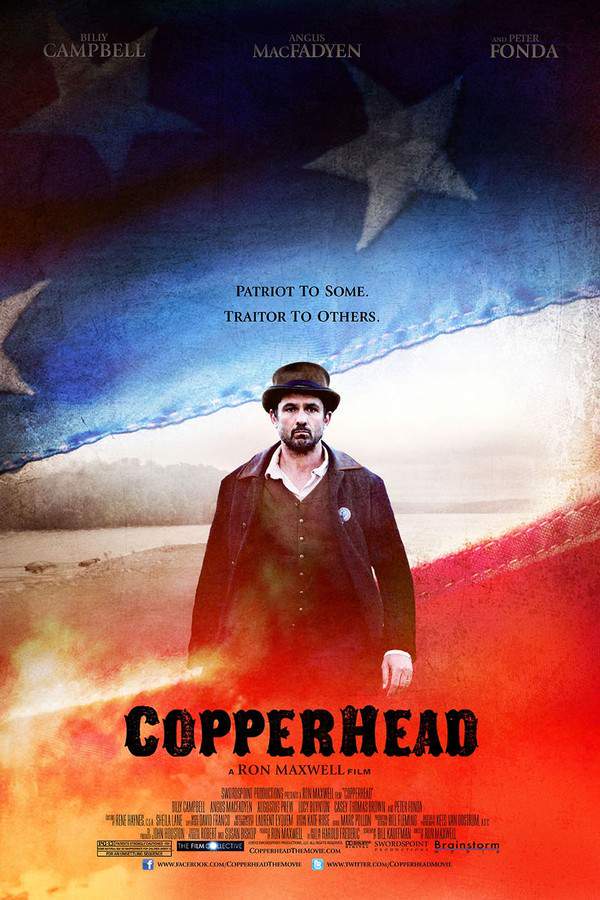
Copperhead (2013) movie poster

Timeline

Copperhead (2013) Timeline Explained – Every Event in Order

Release, runtime and language
2013 · 120 min · English
JustWatch #28,849 1
Directed by
Ronald F. Maxwell

During the American Civil War, farmer Abner Beech challenges the expectations of his community and family by openly expressing his beliefs. His staunch defense of free expression creates deep divisions and tests his relationships as he grapples with questions of loyalty and personal conviction amidst the conflict. The story explores the complexities of duty and principle in a time of great upheaval.

On this page (6)
  1. 1 Where to watch
  2. 2 Events in order (11)
  3. 3 Timeline questions answered
  4. 4 Movie threads
  5. 5 Movies like Copperhead
  6. 6 Every angle

Where to watch

Where to Watch Copperhead (2013)

Where can you watch Copperhead? Stream, rent or buy it in the US, including on Amazon Prime Video, Fawesome and Hoopla: current JustWatch availability with up-to-date prices.

Streaming availability powered by JustWatch

11 events in order · contains spoilers

Copperhead Timeline: Events in Chronological Order

Every key event of Copperhead (2013) in order, scene by scene, with when and where it takes place. Use it to untangle flashbacks, time jumps and parallel storylines, to refresh your memory before the sequel or to find the exact scene you are thinking of.

  1. Abner Beech's Copperhead stance grows

    Abner Beech, a dairy farmer and antiwar Democrat, openly questions the wisdom of coercing the Confederacy to stay in the Union. His stance earns him increasing harassment from neighbors in The Corners as the Civil War rages on. He remains steadfast in his beliefs amid the town's rising wartime fervor.

    When
    1862
    Where
    The Corners, upstate New York
  2. Jeff Beech enlists in the Union Army to impress Esther

    Jeff Beech joins the Union Army, partly to win Esther Hagadorn's affection. His enlistment pulls him away from home and into the turmoil of war. The move foreshadows the deepening rift between the Beech family and the town.

    When
    1862
    Where
    The Corners
  3. Esther Hagadorn warns the Beeches about the mob

    Esther Hagadorn visits the Beeches to warn them that a violent mob—including her father—is coming to retaliate against Abner's views. She points to the elections of anti-war Democrats, like Horatio Seymour, as a spark for the violence. The warning sets the stage for the night of terror that follows.

    When
    Evening, 1862
    Where
    Beech farmhouse
  4. Mob attacks the Beech farmhouse and sets it on fire

    The mob storms the Beech residence, firing on the house and burning it to the ground. Smoke and chaos fill the rooms as Abner tries to shield his family. Esther's safety becomes the immediate concern as everyone fights to survive.

    When
    Evening, 1862
    Where
    Beech farmhouse
  5. Esther escapes through the backdoor; the door jams

    Abner instructs Esther to escape through the backdoor, but the entry is blocked by smoke and heat. She must find another way to flee the burning house, joining the others in a desperate bid for safety. The escape marks a critical pivot in the night's events.

    When
    Evening, 1862
    Where
    Beech farmhouse
  6. Esther hides in the wine cellar

    With the farmhouse in chaos, Esther hides in the wine cellar to avoid detection. The cellar offers a fragile sanctuary, but its walls can't keep danger entirely at bay. Time drags on as the Beech family fights to survive.

    When
    Evening, 1862
    Where
    Beech farmhouse
  7. Beech family seeks shelter in the barn as Jee arrives

    The Beeches seek shelter in their barn to regroup amid the ruins, while Jee Hagadorn arrives seeking his daughter. He embodies the personal and political tensions fueling the night's violence. The encounter underscores the town's deep Civil War-era divisions.

    When
    Evening, 1862
    Where
    Beech property (barn)
  8. Esther's locket found; Esther presumed dead; Jee Hagadorn commits suicide

    Esther's locket is found among the smoldering rubble, and she is presumed dead in the fire. In the aftermath, Jee Hagadorn, overcome with grief, takes his own life. The tragedy intensifies the community's sense of loss and fear in the wake of the attack.

    When
    Evening, 1862
    Where
    Farmhouse ruins
  9. Esther is found alive and begins to recover

    Moments after the worst danger passes, Esther is discovered alive but unconscious and begins the slow path to recovery. Her resilience provides a beacon of hope for the Beech family amid the wreckage. The incident also reinforces the town's frayed sense of belonging and safety.

    When
    After the fire, 1862
    Where
    Beech property
  10. Ni Hagadorn travels south to check on Jeff and plan rescue

    Esther's brother Ni Hagadorn travels south to locate Jeff and help rescue him from a prison camp. The journey highlights the Civil War's reach and the personal costs borne by families left behind. His mission adds another thread of uncertainty to the Beech household.

    When
    During the Civil War
    Where
    Southern theaters / prison camps
  11. Jeff Beech returns home from the war

    Jeff Beech finally returns home, bringing relief after a long separation and the hardships of war. His homecoming provides a fragile sense of normalcy for the Beech family and pours new life into the community's divided mood. Esther's recovery and Jeff's return together frame a cautious step toward stability.

    When
    Civil War era
    Where
    The Corners

Last updated: February 24, 2026 at 14:10

Was this helpful?

Timeline questions answered

Copperhead Timeline Explained: Your Questions Answered

When does it happen, and why in that order? The questions people ask about the chronology of Copperhead (2013): time jumps, flashbacks, cause and effect between scenes and the correct order of events, each answered with spoilers.

Q1

Why is Abner Beech labeled a Copperhead?

Abner Beech is called a Copperhead because he is an antiwar Democrat who publicly opposes the Union's efforts to force the Confederate states back into the Union. In the context of 1862 upstate New York, his belief that coercing the South is unconstitutional and morally risky places him squarely against the dominant Union sentiment in his community, earning him the derogatory label used for Northern Democrats who opposed the war.

Foreshadowing: The film establishes early on that Abner's political stance creates tension with his Union-supporting neighbors, with the harassment intensifying as the war progresses.

  • copperhead
  • abner beech
  • antiwar
  • democrat
  • civil war politics
Q2

Why does Jeff Beech enlist in the Union Army?

Jeff Beech enlists in the Union Army primarily to win the affection of Esther Hagadorn. While his father Abner opposes the war on constitutional grounds, Jeff takes a different path, seeing military service as a way to prove himself worthy of Esther's love, especially given her connection to the abolitionist cause through her father Jee Hagadorn.

Foreshadowing: Jeff's decision to enlist foreshadows the deepening rift between his father's political beliefs and the town's prevailing Union support.

  • jeff beech
  • esther hagedorn
  • union army
  • enlistment
  • romance
Q3

What triggers the mob attack on the Beech farmhouse?

The mob attack is triggered by political shifts, specifically the election of antiwar Democrats like Horatio Seymour to the Governorship and other county offices. This electoral victory for the Democrats emboldens the Union-supporting neighbors, and combined with Jee Hagadorn's abolitionist activism against Abner, creates a volatile situation where the community feels justified in violent retaliation against Abner's perceived treasonous views.

Foreshadowing: Esther's warning to the Beeches about the coming mob explicitly connects the political elections to the violence that follows.

  • mob attack
  • fire
  • burned house
  • political violence
  • election
Q4

Why does Jee Hagadorn commit suicide?

Jee Hagadorn commits suicide after finding Esther's locket among the smoldering rubble of the Beech farmhouse. Believing his daughter has perished in the fire, he is overcome with grief and takes his own life, not knowing that Esther has actually survived by hiding in the wine cellar.

Foreshadowing: The discovery of the locket in the ruins serves as the tragic payoff to Jee's desperate search for his daughter throughout the night.

  • jee hagedorn
  • suicide
  • locket
  • death
  • grief
Q5

How does Esther survive the fire at the Beech farmhouse?

Esther survives the fire by hiding in the wine cellar while the farmhouse burns. When Abner urges her to escape through the backdoor, the path is blocked by smoke and heat, forcing her to seek refuge in the cellar. She remains hidden and unconscious until after the fire has been extinguished, when she is discovered alive but unresponsive.

Foreshadowing: Abner's attempt to direct Esther through the backdoor, which becomes blocked by smoke, sets up the necessity of her hiding in the wine cellar.

  • esther hagedorn
  • survival
  • fire
  • wine cellar
  • smoke
Q6

What happens to Jeff during the Civil War?

Jeff Beech serves in the Union Army and is eventually captured and held in a prison camp. His brother-in-law Ni Hagadorn travels south to check on Jeff's whereabouts and attempt to arrange a rescue from the camp, adding another layer of danger to the family's ordeal during the attack on their home.

Foreshadowing: Ni's journey south to find Jeff underscores the dual threats facing the family: violence at home and Jeff's precarious situation as a prisoner of war.

  • jeff beech
  • prison camp
  • civil war
  • southern theaters
  • ni hagedorn
Q7

What is the significance of Esther's locket?

The locket serves as a crucial plot device that triggers the film's tragic climax. When Jee Hagadorn finds the locket among the burnt wreckage, he mistakenly believes Esther has died in the fire. This false conclusion drives him to suicide, making the locket a symbol of how misreading evidence and jumping to conclusions can have devastating consequences.

Foreshadowing: Esther's personal keepsake is prominently mentioned during her warning visit, foreshadowing its later discovery in the ruins.

  • locket
  • esther hagedorn
  • rubble
  • tragedy
  • misunderstanding
Q8

How does the community respond to Abner's political beliefs?

The community responds to Abner's antiwar Copperhead stance with growing hostility, including sneers, social pressure, and eventually mob violence. His neighbors, who largely support the Union war effort, view his constitutional objections as treasonous. This political divide fractures relationships and turns former acquaintances into willing participants in a violent mob.

Foreshadowing: The film's opening establishes The Corners as a tight-knit community that gradually turns against Abner as his political views become more publicly known.

  • community division
  • neighbors
  • copperhead
  • political tension
  • harassment
Q9

Why does Esther warn the Beeches about the mob?

Esther warns the Beeches about the coming mob because she opposes her father Jee Hagadorn's involvement in planning the violence against Abner. Despite her father's radical abolitionist activism and his role in organizing the retaliation, Esther feels a moral obligation to alert the family to the danger, demonstrating her compassion and moral complexity despite being caught between her family loyalty and her conscience.

Foreshadowing: Esther's visit to deliver the warning creates a tense moment where personal relationships collide with political loyalties.

  • esther hagedorn
  • warning
  • mob
  • father jee
  • loyalty
Q10

What is the ending resolution of the story?

The ending is bittersweet: Esther survives the fire and begins recovering, and Jeff eventually returns home from the war, bringing a sense of relief to the family. However, this hope comes after the destruction of their home and the suicide of Esther's father Jee, leaving the Beech family and community to grapple with the irreversible losses caused by one night of political violence.

Foreshadowing: The final timeline events show both Jeff's return and Esther's recovery as parallel threads of hope emerging from the wreckage.

  • ending
  • resolution
  • homecoming
  • recovery
  • bittersweet

Movie threads

More Movies Like Copperhead, by Mood & Story

Curated lists built around what makes Copperhead tick: the same mood, the same kind of story or the same emotional payoff. Each list explains why these movies belong together.

Movies about ideological outcasts like Copperhead

Stories where individuals stand against their community during wartime. Find more movies like Copperhead that focus on characters whose strong beliefs isolate them during a major conflict. These dramas explore the personal cost of dissent within families and communities.

  • tense
  • somber
  • divided
  • confrontational
  • melancholic
  • ideological conflict
  • Tone: tense, somber, divided
  • Pacing: steady, character-driven
Why these movies?

The story pattern: The narrative follows a protagonist who holds an unpopular belief during a time of widespread ideological conformity, often a war. This stance creates escalating conflict with family, friends, and neighbors, leading to isolation, testing loyalties, and forcing profound moral choices.

Why they belong together: Movies are grouped here because they share a focus on the internal conflict of a community turning against one of its own for ideological reasons. The primary drama is driven by dialogue, social pressure, and the emotional toll of maintaining one's principles against the tide.

Movies with bittersweet endings like Copperhead

Stories where devastating loss is tempered by a fragile, partial hope. If you liked the ending of Copperhead, discover other dramatic films where profound loss is followed by a fragile sense of hope or continuity, creating a bittersweet resolution.

  • bittersweet
  • melancholic
  • somber
  • redemption
  • survival
  • emotional
  • Tone: melancholic, bittersweet, somber
  • Pacing: steady
Why these movies?

The story pattern: The story builds towards a major loss or tragedy—such as the death of a loved one or the destruction of a home. The finale then shows characters finding a way to carry on, achieving a small victory or reunion that provides some solace, but the shadow of the loss remains deeply felt.

Why they belong together: These movies are grouped together because they master the tone of a bittersweet ending. They ensure the emotional weight of the central tragedy is fully acknowledged, while also providing a meaningful, if incomplete, sense of resolution or hope for the survivors.

If you liked this

Movies Like Copperhead

Similar movies to Copperhead: the same genre, themes or kind of story. Each one comes with its own plot summary, timeline and ending explained.

Browse all movie summaries

Every angle

Copperhead (2013) Explained: Plot, Timeline & Characters

Everything about Copperhead in one place: what happens in the plot summary, the timeline in chronological order, the characters and meaning and a spoiler-free summary. What's After the Movie adds the cast, box office and post-credit scenes.

Coming soon on iOS and Android

The Plot Explained Movie Summary App

Plot summaries, endings explained and timelines on your phone. Catch up on any movie in minutes, save your favorites and never miss a twist again.

Be the first to know when we launch. Your email stays private, always.

Learn more about the app