Plot Explained Spoilers guaranteed!
Plot Explained

Browse by genre

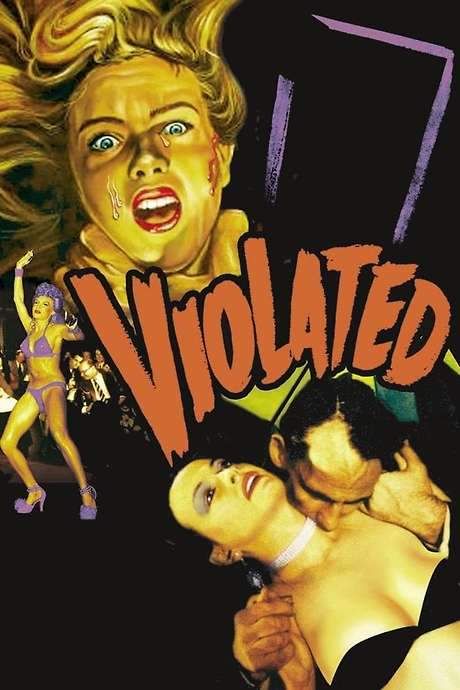
Confessions of a Psycho Cat (1968) movie poster

Plot Summary

Confessions of a Psycho Cat (1968) Plot Summary Explained

Release, runtime and language
1968 · 69 mins · English
Directed by
Herb Stanley
Starring
Jake LaMotta, Frank Geraci, Rita Bennett, Ed Garrabrandt, Eileen Lord, Dick Lord

Wierd. Wild. Way Out! A deranged, wealthy woman offers $100,000 to three men if they can stay alive for 24 hours in Manhattan, and then hunts them down.

On this page (6)
  1. 1 Where to watch
  2. 2 What happens: full plot
  3. 3 Plot questions answered
  4. 4 Movie threads
  5. 5 Movies like Confessions of a Psycho Cat
  6. 6 Every angle

Where to watch

Where to Watch Confessions of a Psycho Cat (1968)

Where can you watch Confessions of a Psycho Cat? Stream, rent or buy it in the US, including on Mometu: current JustWatch availability with up-to-date prices.

Streaming availability powered by JustWatch

Full plot summary · contains spoilers

What Happens in Confessions of a Psycho Cat: Full Plot Summary

The whole story of Confessions of a Psycho Cat (1968) explained, from the opening scene to the final frame: every key event, every twist and what it all adds up to. Read it as a quick recap before the sequel, to check a scene you missed, or to finally understand what really happened.

Washed-up actor Dick Lord as Charles Freeman, former wrestling champion Jake LaMotta as Rocco, and drug dealer Frank Geraci as Buddy are approached by wealthy beatnik Eileen Lord as Virginia Marcus. Virginia lays out a chilling wager: if they can survive being hunted for a full 24 hours through the streets of Manhattan, she will pay them a staggering $100,000. Each man accepts, and a post-dated check for the next day is slipped to them before they step into the game, the city’s glow and grit curling around their nerves.

Virginia uses her influence to pull Charles into a last-minute acting gig, a lure that proves deadly. After he finishes the performance, he is ambushed and shot with an arrow, a cruel wake-up call that the hunt is real and personal. The taunting phone calls begin to arrive, each ring a reminder of the danger closing in on all sides.

Rocco’s path through the maze of Midtown and beyond becomes a deadly cat-and-mouse dance. He is teased and taunted from a distance, then finally confronted by Virginia in a moment that feels almost ceremonial: she is dressed as a matador, a theatrical backdrop to the brutality of what follows. Bi, Virginia’s manservant, steps into the scene and, with chilling efficiency, stabs Rocco with two toreador spears before Virginia completes the act. The violence is clinical, the coldness of the moment sinking in as the city carries on around them.

Buddy’s route through the nocturnal gauntlet takes him into a sex-fueled party where clients gather and the atmosphere crackles with danger and desire. Desperate for his next fix, he slips away from the crowd to buy drugs, only to meet a sudden end when Virginia turns the arrow from earlier toward him. The hunt has claimed another life, leaving a trail of whispers and ruined plans in its wake.

As the night wears on, Virginia’s brother Anderson becomes a pivot point in the tale. Her psychiatrist has alerted him to her increasingly erratic behavior, and he returns from Africa with concern and a sense of impending catastrophe. When he arrives home, he discovers the aftermath of the hunt: the three bodies concealed in a freezer, the consequence of a day spent playing with fire in the city’s shadows. The film builds to a chilling final image as Virginia’s scream echoes through the confinement of a straight-jacket, a stark ending to a night that reveals the darkest corners of ambition, vengeance, and loneliness.


Last updated: March 05, 2026 at 18:40

Was this helpful?

Plot questions answered

Confessions of a Psycho Cat Plot Explained: Your Questions Answered

The questions people ask most about Confessions of a Psycho Cat (1968): what happens in the confusing scenes, why the characters do what they do, the twists, hidden details and what the ending means. Each answer contains spoilers.

Q1

Why does Virginia Marcus organize the deadly hunt against the three men?

Virginia Marcus is revealed to be psychologically unstable, deriving sadistic pleasure from hunting and killing people. Her psychiatrist later alerts her brother Anderson about her deteriorating mental state, suggesting she suffers from a serious psychiatric disorder that drives her to orchestrate this lethal game for entertainment and vengeance.

Foreshadowing: Early in the film, Virginia's wealthy beatnik lifestyle and willingness to wager $100,000 on human lives hints at her detachment from normal moral constraints.

  • virginia marcus
  • motivation
  • psychopath
  • hunt
  • serial killer
Q2

Why do Charles, Rocco, and Buddy agree to participate in Virginia's deadly game?

Each man has compelling reasons to accept. Charles is a washed-up actor desperate for a career revival, Rocco is a former wrestling champion confident in his physical abilities, and Buddy is a drug dealer needing money for his addiction. The $100,000 prize is substantial enough to tempt all three, despite the obvious danger.

Foreshadowing: The summary establishes each man's desperate financial or personal situation, making the risky wager appealing.

  • charles
  • rocco
  • buddy
  • motivation
  • money
  • desperation
Q3

How does Virginia kill Charles Freeman after his acting performance?

After using her connections to secure Charles a last-minute acting role, Virginia lures him into a false sense of security. Once he finishes his performance and exits the theater, an unseen assailant shoots him with an arrow, marking the first killing of the hunt.

Foreshadowing: Virginia's manipulation of Charles with the acting gig sets up the deadly ambush - she uses his ambition against him.

  • charles freeman
  • arrow
  • killed
  • theater
  • acting
Q4

Why does Virginia dress as a matador when confronting Rocco?

Virginia's matador costume reflects her theatrical, performative approach to murder. She treats the hunt as a twisted sport and spectacle, with the bullfighting imagery emphasizing her role as the hunter versus her prey. The outfit symbolizes her enjoyment of the chase and her perception of herself as having complete control over life and death.

Foreshadowing: Throughout the film, Virginia approaches the hunt with theatrical flair rather than simple efficiency, suggesting deeper psychological gratification from the performance of violence.

  • virginia
  • matador
  • rocco
  • theater
  • killing
  • performance
Q5

How does Buddy die at the sex party?

Buddy manages to hide inside a sex-fueled party in Manhattan, using the decadent atmosphere as cover. However, desperate for drugs, he eventually leaves the party to buy his next fix. While outside, Virginia kills him with an arrow, the same weapon used against Charles. His addiction proves fatal, drawing him out of safety into her path.

Foreshadowing: Buddy's drug addiction is established early, making his decision to leave safety for drugs a predictable weakness Virginia would exploit.

  • buddy
  • drugs
  • arrow
  • party
  • killed
  • addiction
Q6

Why does Virginia's brother Anderson return from Africa?

Virginia's psychiatrist contacts Anderson to warn him about her increasingly erratic and dangerous behavior. Concerned for his sister's mental state and the potential consequences, Anderson cuts short his time in Africa and returns to Manhattan, only to discover the aftermath of her killing spree.

Foreshadowing: The psychiatrist's warning builds tension toward Anderson's return, creating anticipation for the revelation of Virginia's actions.

  • anderson
  • brother
  • africa
  • psychiatrist
  • warning
Q7

Why is Virginia institutionalized in a straight-jacket at the end of the film?

After Anderson discovers the three bodies in the freezer, Virginia's violent rampage ends in her capture and institutionalization. Her actions crossing from psychological manipulation to outright murder result in her being placed in a psychiatric facility, where she screams in the straight-jacket - a bleak ending showing she receives no redemption or escape from her own mind.

Foreshadowing: The psychiatrist's warning about her deteriorating behavior foreshadows her complete breakdown and eventual institutionalization.

  • virginia
  • straight-jacket
  • ending
  • institution
  • psychiatric
Q8

Why does Virginia use arrows to kill Charles and Buddy?

The arrow serves as Virginia's signature weapon, possibly chosen for its symbolic connection to hunting and her "psycho cat" persona - a predator toying with prey. The arrow also allows her to hunt from a distance, maintaining her position as controller of the game while keeping physical distance from her victims.

Foreshadowing: The title "Confessions of a Psycho Cat" and Virginia's cat-and-mouse approach to the hunt reinforces the predatory symbolism.

  • arrow
  • weapon
  • hunting
  • virginia
  • cat
  • predator
Q9

What is Bi's role in Rocco's killing at Virginia's apartment?

Bi is Virginia's loyal manservant who assists in the hunt. When Rocco arrives at Virginia's apartment seeking answers or shelter, Bi attacks him first with two toreador spears, wounding him badly. Virginia then finishes the killing herself. Bi serves as her executor, handling the physical dirty work while Virginia maintains her theatrical, in-control persona.

Foreshadowing: Bi's presence is established early as Virginia's servant, suggesting he would be involved in her criminal activities.

  • bi
  • servant
  • rocco
  • toreador
  • spears
  • killing
Q10

Where does Virginia store the bodies of her victims?

After killing all three men, Virginia stores their bodies in a freezer at her residence. When Anderson returns home, he discovers the gruesome sight of all three corpses concealed in the freezer, confirming the full extent of Virginia's murderous spree.

Foreshadowing: The cold, clinical storage of bodies reflects Virginia's detached, methodical approach to murder.

  • bodies
  • freezer
  • anderson
  • discovery
  • manhattan

Movie threads

More Movies Like Confessions of a Psycho Cat, by Mood & Story

Curated lists built around what makes Confessions of a Psycho Cat tick: the same mood, the same kind of story or the same emotional payoff. Each list explains why these movies belong together.

Deadly Mind Game Thrillers like Confessions of a Psycho Cat

Thrillers where the hunter becomes a puppet master in a sadistic psychological game. If you enjoyed the cruel psychological torment and sadistic games in Confessions of a Psycho Cat, you'll find similar tension in these movies. This list features thrillers where characters are hunted by antagonists who love playing vicious mind games.

  • sadistic
  • psychological
  • tense
  • cruel
  • manipulative
  • desperate
  • Tone: dark, cruel, tense
  • Pacing: fast, relentless
Why these movies?

The story pattern: These narratives follow a clear predator-prey structure, focusing on the mental chess match between a cunning, often wealthy or powerful antagonist and their desperate victims. The plot revolves around the psychological unraveling of the hunted as they try to survive a game rigged against them.

Why they belong together: Movies in this thread share a focus on cruelty as entertainment for the villain, creating a specific type of high-tension thriller. They are grouped by their dark tone, fast pacing, and the heavy emotional weight of watching characters be psychologically broken.

Bleak Urban Survival Thrillers like Confessions of a Psycho Cat

Desperate characters fight for their lives against an unforgiving urban landscape. Fans of the desperate Manhattan chase and bleak outcome in Confessions of a Psycho Cat will appreciate these films. Discover more movies about characters hunted through city streets, facing impossible odds with a heavy, hopeless atmosphere.

  • desperate
  • tense
  • nightmarish
  • cold
  • urban decay
  • relentless
  • Tone: bleak, desperate, nightmarish
  • Pacing: fast, tense
Why these movies?

The story pattern: The stories follow a linear, straightforward hunt through a densely populated yet isolating city environment. The narrative is driven by the constant, fast-paced threat, culminating in a conclusion that offers no escape or redemption, reinforcing the futility of the struggle.

Why they belong together: These films are united by their bleak atmosphere, the use of the city as a cold, impersonal battleground, and a sense of inevitable doom. They deliver a specific kind of heavy, tense experience focused on the raw desperation of survival.

If you liked this

Movies Like Confessions of a Psycho Cat

Similar movies to Confessions of a Psycho Cat: the same genre, themes or kind of story. Each one comes with its own plot summary, timeline and ending explained.

Browse all movie summaries

Every angle

Confessions of a Psycho Cat (1968) Explained: Plot, Timeline & Characters

Everything about Confessions of a Psycho Cat in one place: what happens in the plot summary, the timeline in chronological order, the characters and meaning and a spoiler-free summary. What's After the Movie adds the cast, box office and post-credit scenes.

Coming soon on iOS and Android

The Plot Explained Movie Summary App

Plot summaries, endings explained and timelines on your phone. Catch up on any movie in minutes, save your favorites and never miss a twist again.

Be the first to know when we launch. Your email stays private, always.

Learn more about the app