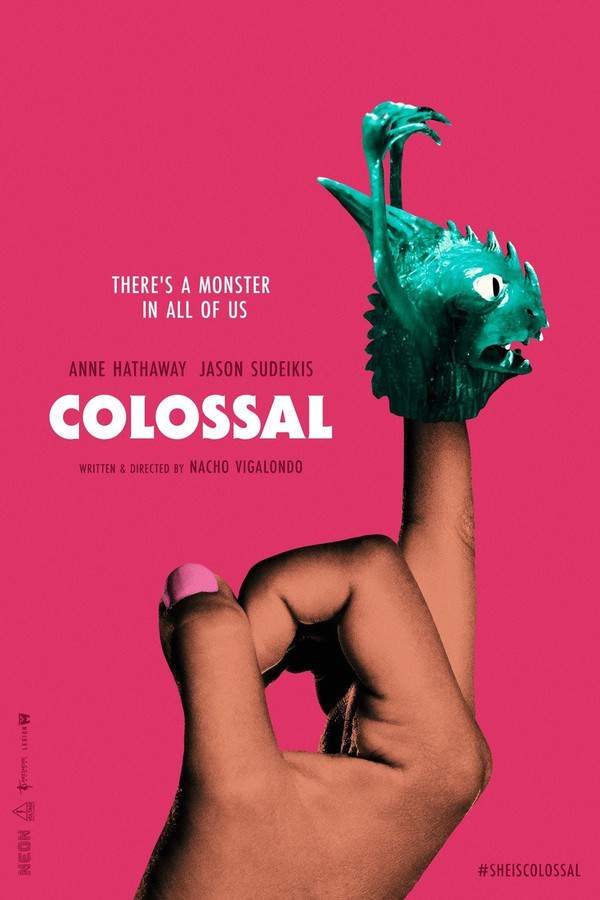
Colossal
Year: 2017
Runtime: 109 min
Language: English
Director: Nacho Vigalondo
A woman grappling with personal struggles discovers her life is inexplicably linked to a giant creature wreaking havoc in Seoul, Korea. As the city faces devastation, she investigates the connection, uncovering a startling truth about her own abilities and the immense, unpredictable power she possesses. The unfolding crisis forces her to confront her identity and the profound impact she has on the world.
Warning: spoilers below!
Haven’t seen Colossal yet? This summary contains major spoilers. Bookmark the page, watch the movie, and come back for the full breakdown. If you're ready, scroll on and relive the story!
Colossal (2017) – Ending Explained & Final Scene Breakdown
Still thinking about how Colossal (2017) ended? Here’s a full breakdown of the ending, key final moments, major twists, and the deeper meaning behind the film’s conclusion.
In the climactic final scene of Colossal, Gloria confronts her former boss, Oscar, who has transformed into a giant robot monster and is wreaking havoc on Seoul. As she arrives in her hometown, her own giant creature appears, and she steps forward to face Oscar in a dramatic showdown. During this confrontation, instead of killing him coldly, Gloria physically lifts him and throws him away, but Oscar, overwhelmed by his rage and sense of power, calls her a “bitch” and screams at her. This outburst reveals that Oscar, who had already committed heinous acts by destroying Seoul, is driven by a need to assert dominance and control, refusing to accept weakness or defeat. His insults and rage underscore his toxic masculinity and his refusal to take responsibility for his actions.
Originally, the scene was meant to end with Gloria simply throwing Oscar aside in a cold, emotionless manner—similar to a Western showdown. However, Anne Hathaway, who played Gloria, felt that this would undermine her character’s empathy and moral struggle. She suggested that Oscar should be given one last chance to show humility and remorse, even if he fails. As a result, the director, Nacho Vigalondo, amended the scene so that Oscar’s final words are hostile rather than submissive, emphasizing his arrogance and inability to accept defeat. This choice made the ending more powerful, showing that Oscar’s destructive nature cannot be redeemed or forgiven.
In the end, Gloria’s act of physically defeating Oscar signifies a symbolic victory over both her abuser and his destructive ideology. Instead of forgiveness, the film concludes with Oscar’s defeat firmly established, highlighting that some evil acts are beyond reconciliation. The scene’s emotional intensity and the characters’ choices reinforce the film’s message about the consequences of unchecked power and toxicity. It’s a tragic but fitting ending, reflecting the idea that true justice sometimes means giving up on redemption and choosing to end the cycle of violence.
Last Updated: June 25, 2025 at 08:58

Explore Movie Threads
Discover curated groups of movies connected by mood, themes, and story style. Browse collections built around emotion, atmosphere, and narrative focus to easily find films that match what you feel like watching right now.
Movies where inner demons are literal monsters like Colossal
Stories where psychological turmoil manifests as a bizarre, destructive external force.If you liked Colossal's high-concept metaphor of personal struggles causing real-world destruction, you'll find similar stories here. These movies explore addiction, trauma, and mental health by transforming them into fantastical events, blending deep character drama with suspenseful supernatural or sci-fi plots.
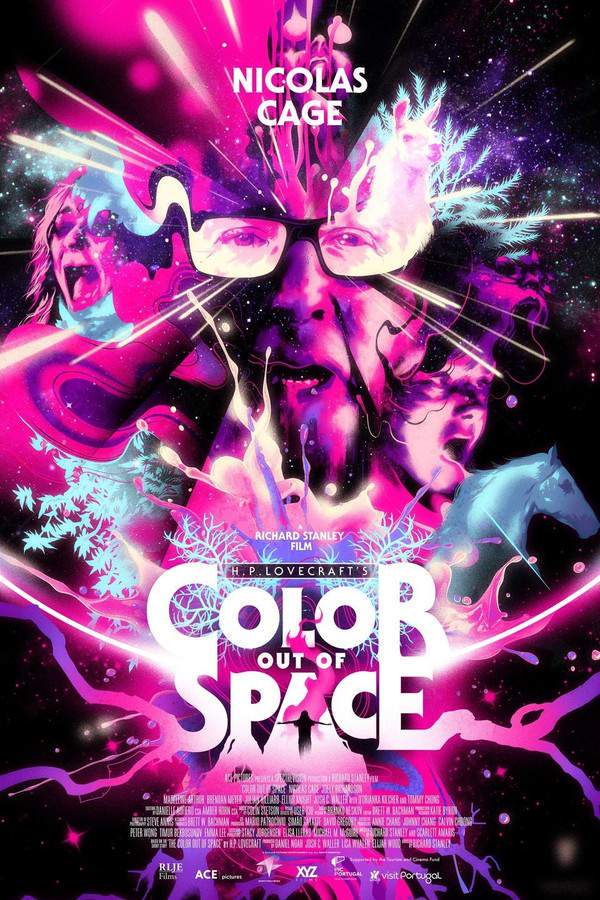
Color Out of Space
2020
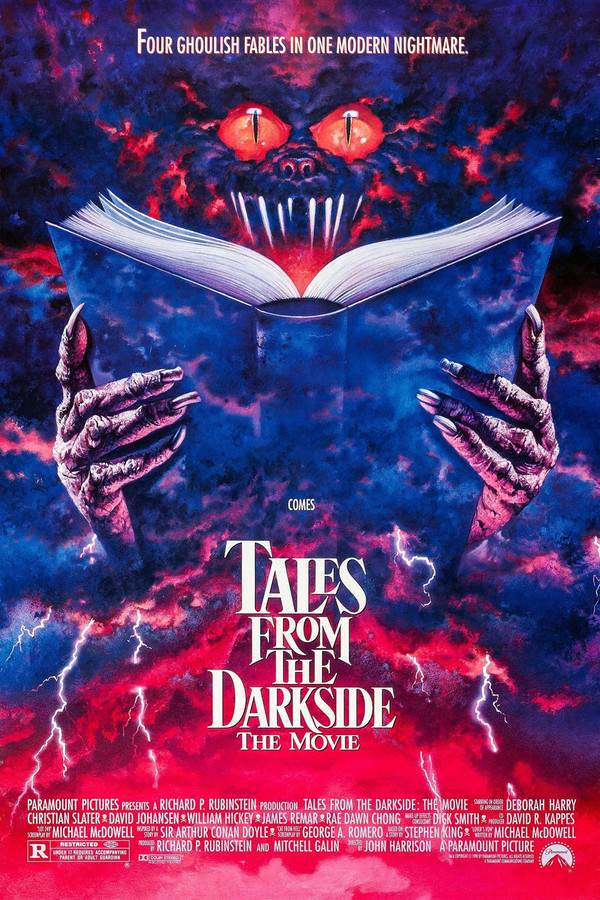
Tales from the Darkside: The Movie
1990

Event Horizon
1997
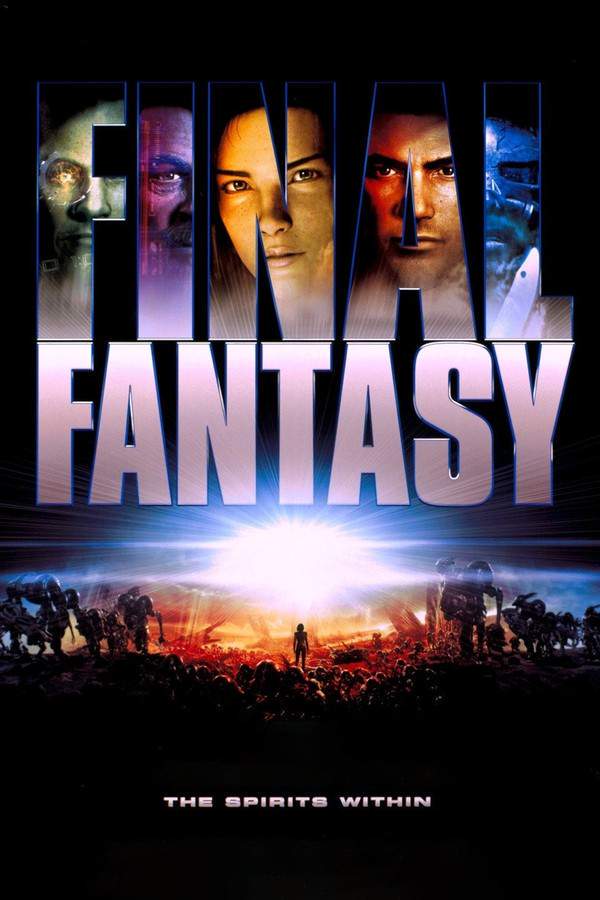
Final Fantasy: The Spirits Within
2001
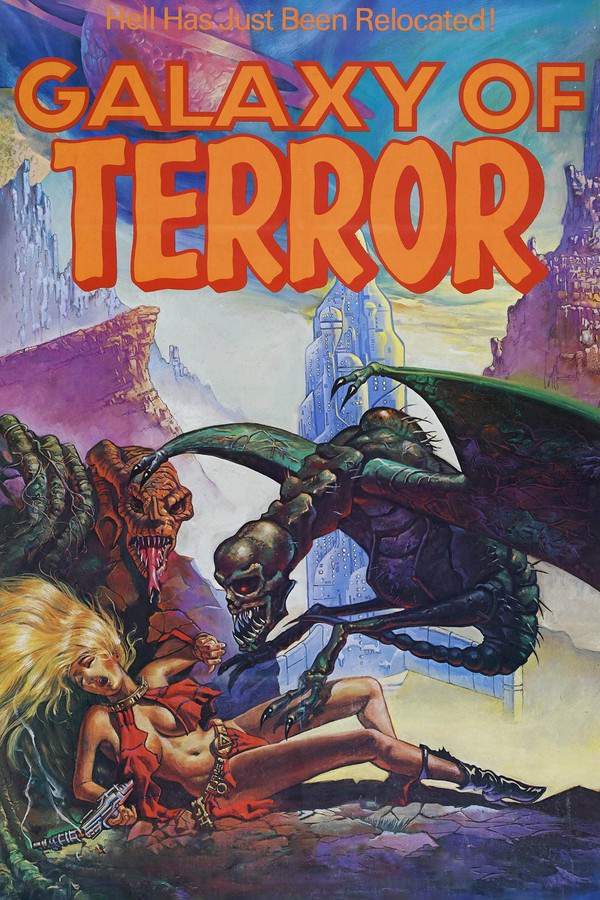
Galaxy of Terror
1981
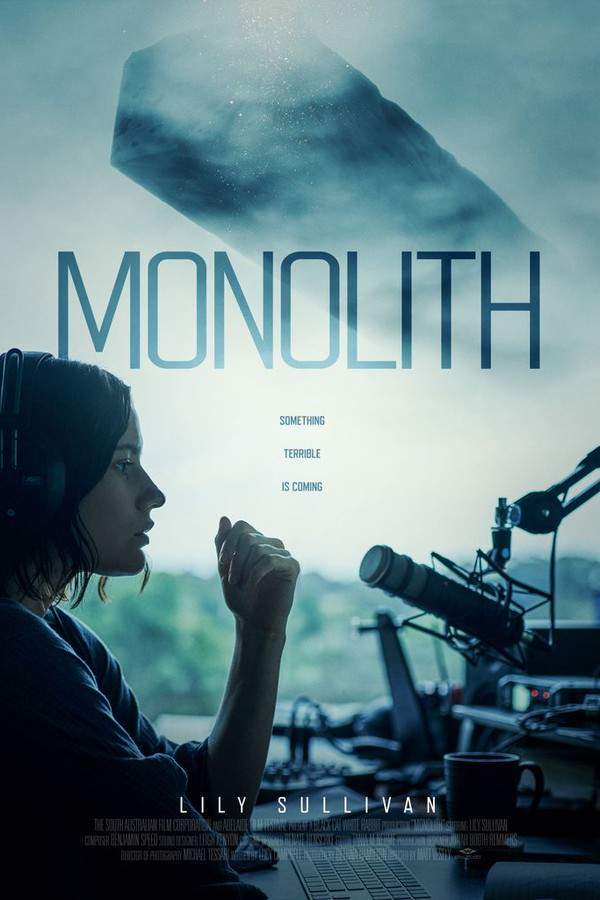
Monolith
2024
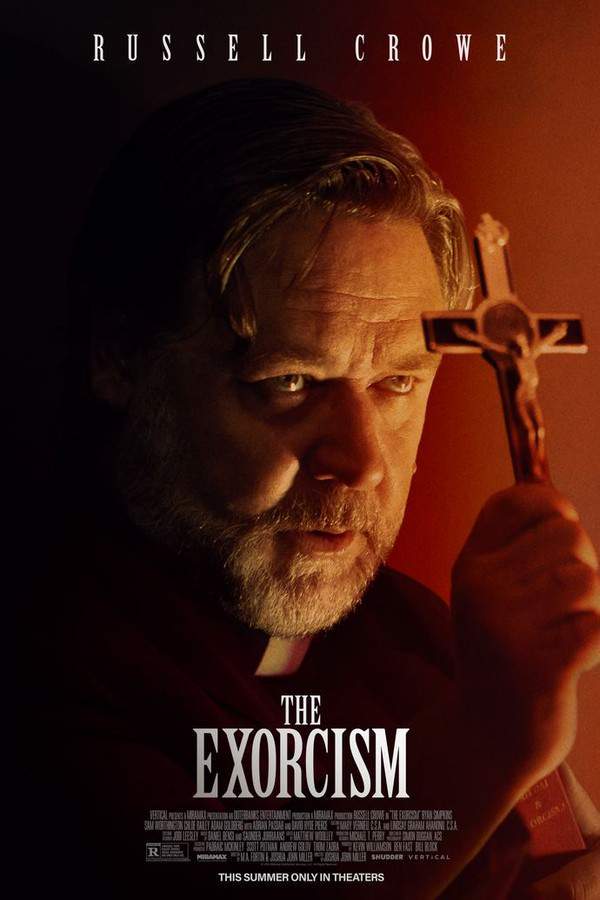
The Exorcism
2024

Darkening Sky
2011

Paranormal Xperience
2011

Dark Encounter
2019

The Survivor
1981

Freaks Out
2021

Something Weird
1967

Supernatural
1933

Equinox
1970
Narrative Summary
These narratives typically follow a protagonist who is unaware of a direct, often surreal, connection between their psychological state and a larger, chaotic event. The story arc involves their journey of discovery, denial, and eventual acceptance, culminating in a confrontation where they must master their inner turmoil to stop the external threat.
Why These Movies?
They are grouped by their shared core device: using a genre premise (sci-fi, fantasy, horror) as a powerful metaphor for internal conflict. This creates a distinct viewing experience that is simultaneously introspective and intensely thrilling, with a heavy emotional weight grounded in real human struggles.
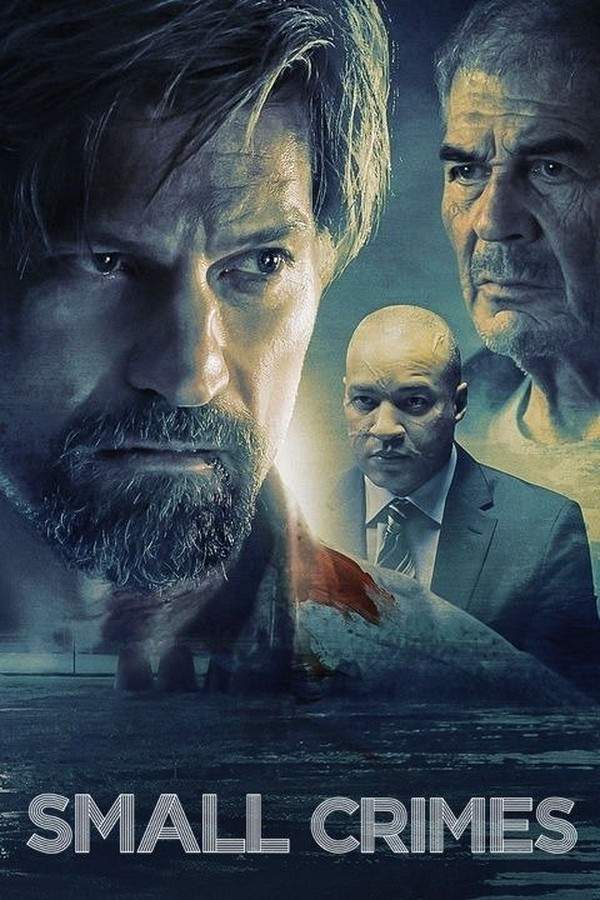
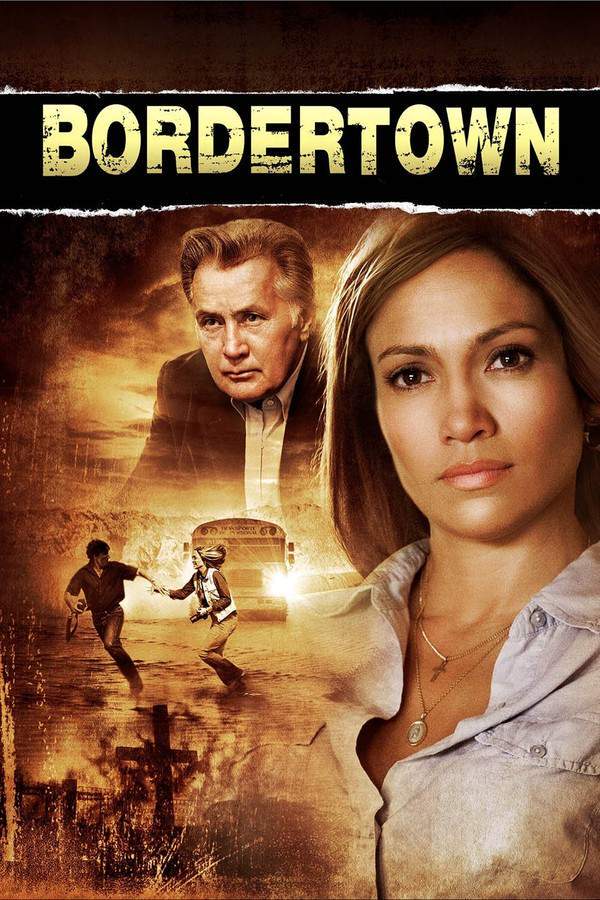
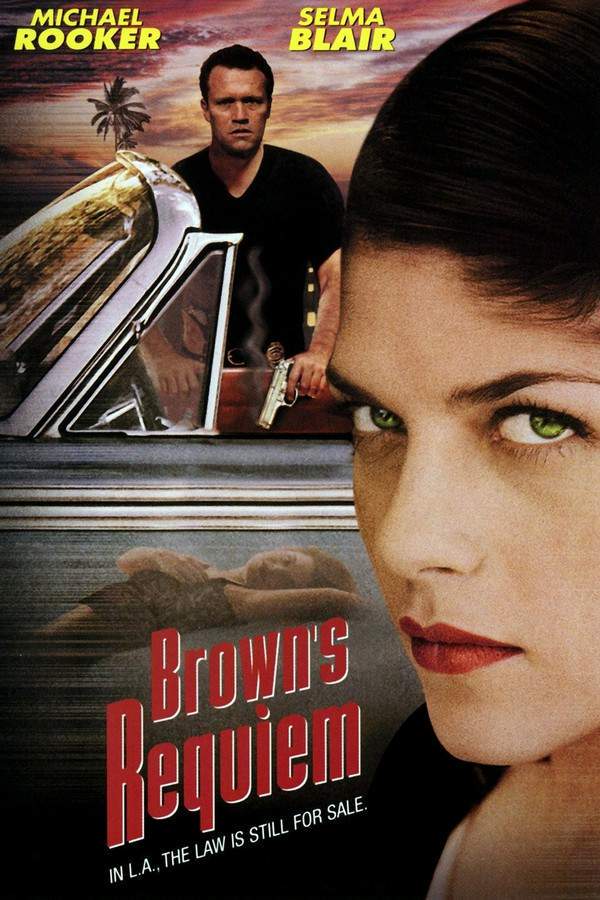
Character dramas about toxic small-town dynamics like Colossal
Character-driven stories about confronting past demons and manipulative relationships in claustrophobic settings.For viewers who appreciated Colossal's tense small-town setting and its exploration of manipulation and personal responsibility. This collection features movies about characters forced to reckon with their past and confront narcissistic abusers in claustrophobic environments, leading to heavy but transformative outcomes.







Narrative Summary
The plot revolves around a protagonist, often dealing with addiction or self-destructive tendencies, being drawn back into a suffocating environment dominated by a manipulative figure from their past. The story builds through psychological games and escalating tension, leading to a direct and explosive confrontation where the protagonist must seize their own agency, often with bittersweet consequences.
Why These Movies?
They share a specific mood blend: the anxiety of a claustrophobic setting, the dark humor of dysfunctional relationships, and the heavy, cathartic release of a final confrontation. The pacing is often variable, mixing slow-burn character scenes with bursts of high emotional intensity.
Unlock the Full Story of Colossal
Don't stop at just watching — explore Colossal in full detail. From the complete plot summary and scene-by-scene timeline to character breakdowns, thematic analysis, and a deep dive into the ending — every page helps you truly understand what Colossal is all about. Plus, discover what's next after the movie.
Colossal Summary
Read a complete plot summary of Colossal, including all key story points, character arcs, and turning points. This in-depth recap is ideal for understanding the narrative structure or reviewing what happened in the movie.

Colossal Timeline
Track the full timeline of Colossal with every major event arranged chronologically. Perfect for decoding non-linear storytelling, flashbacks, or parallel narratives with a clear scene-by-scene breakdown.

Characters, Settings & Themes in Colossal
Discover the characters, locations, and core themes that shape Colossal. Get insights into symbolic elements, setting significance, and deeper narrative meaning — ideal for thematic analysis and movie breakdowns.



Similar Movies to Colossal
Discover movies like Colossal that share similar genres, themes, and storytelling elements. Whether you’re drawn to the atmosphere, character arcs, or plot structure, these curated recommendations will help you explore more films you’ll love.
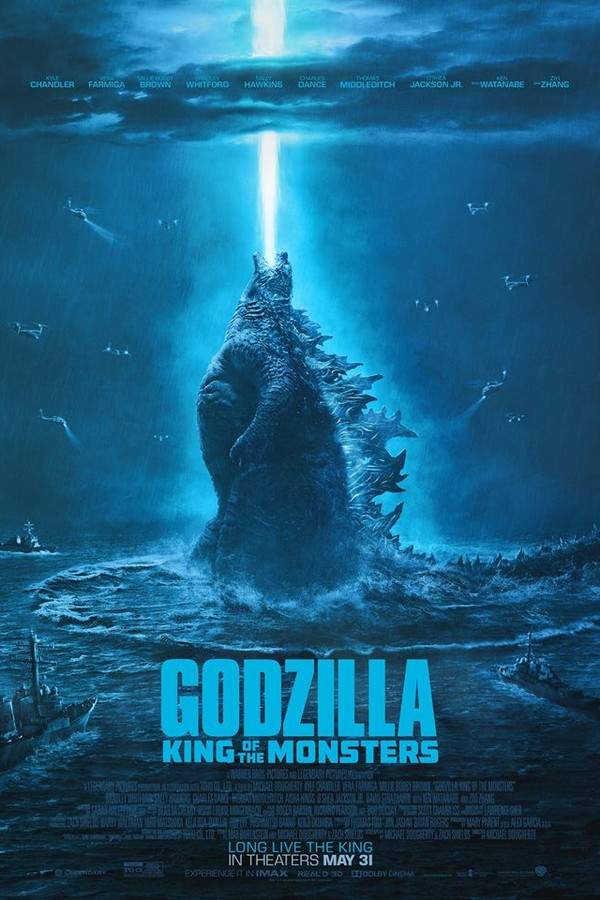
Godzilla: King of the Monsters
2019
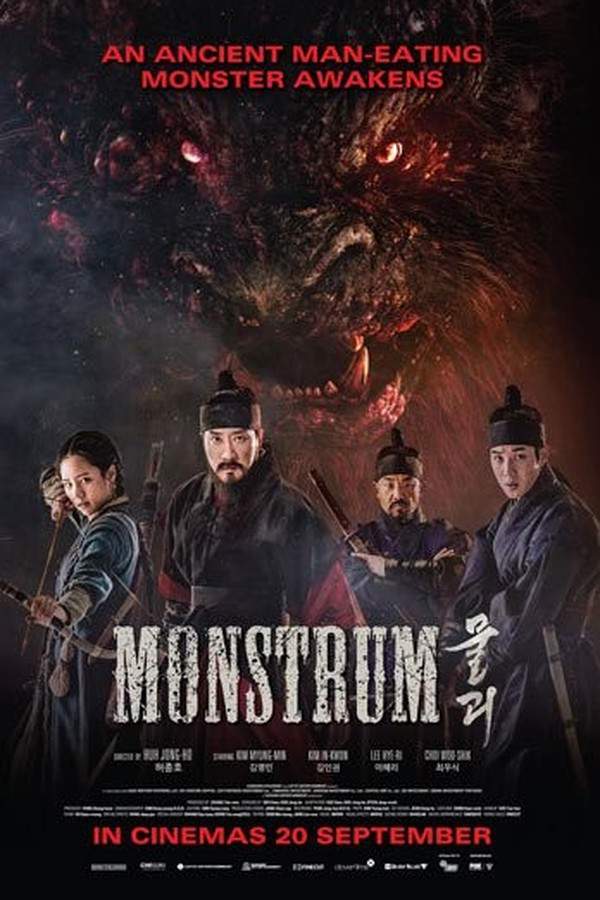
Monstrum
2020
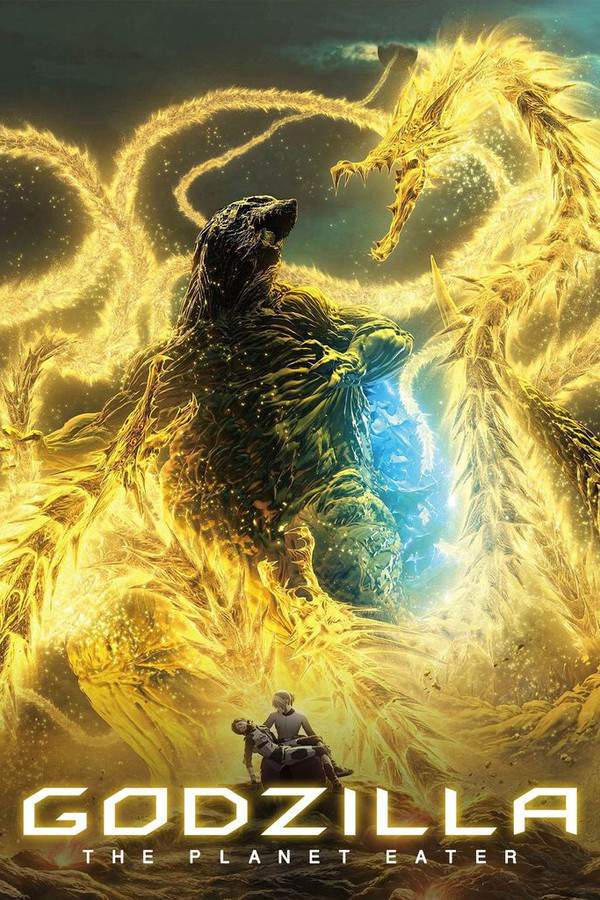
Godzilla: The Planet Eater
2019
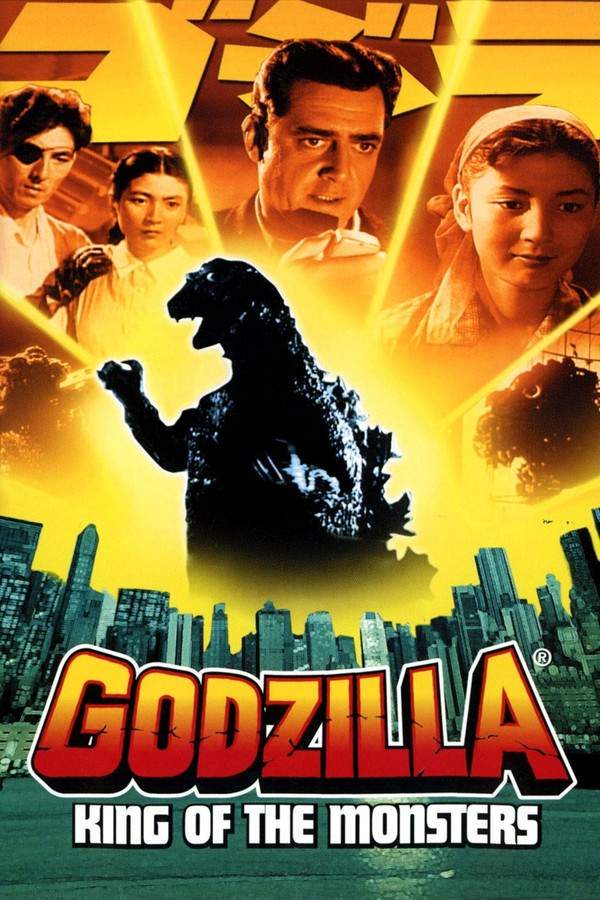
Godzilla, King of the Monsters!
1956
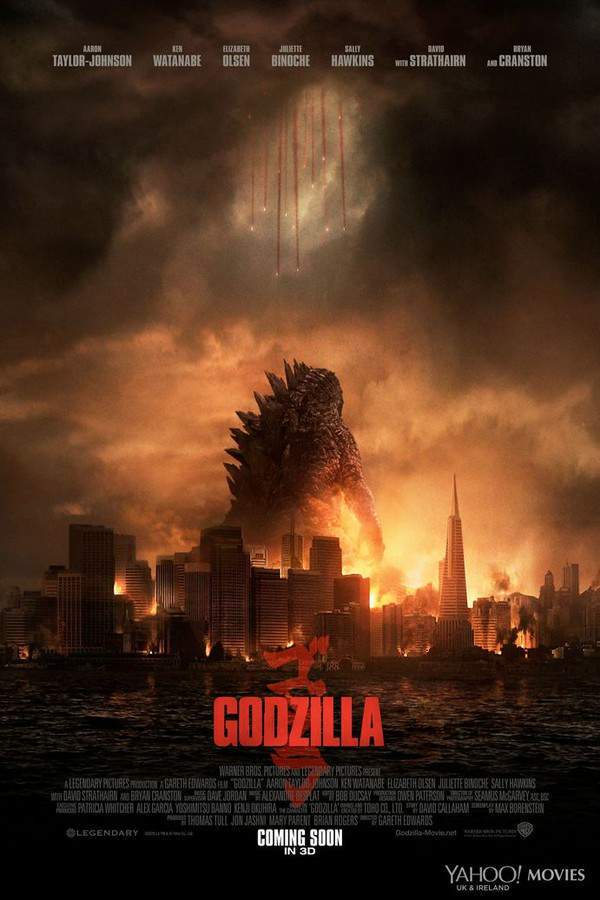
Godzilla
2014
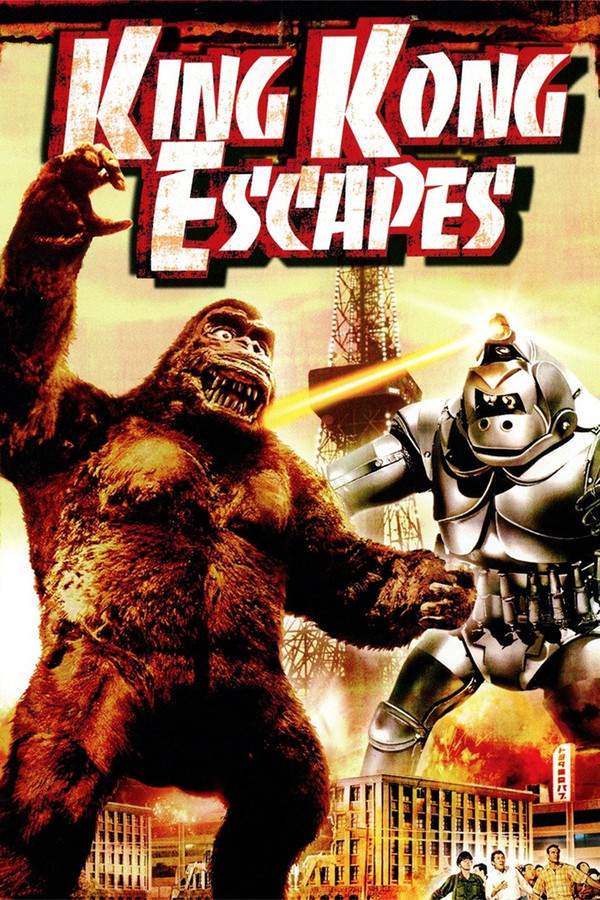
King Kong Escapes
1968

Godzilla
1998
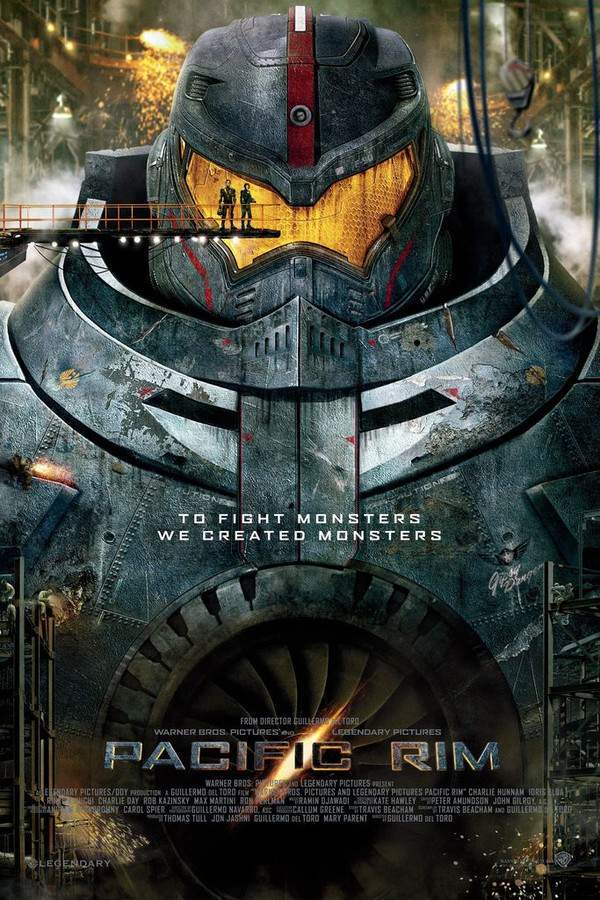
Pacific Rim
2013
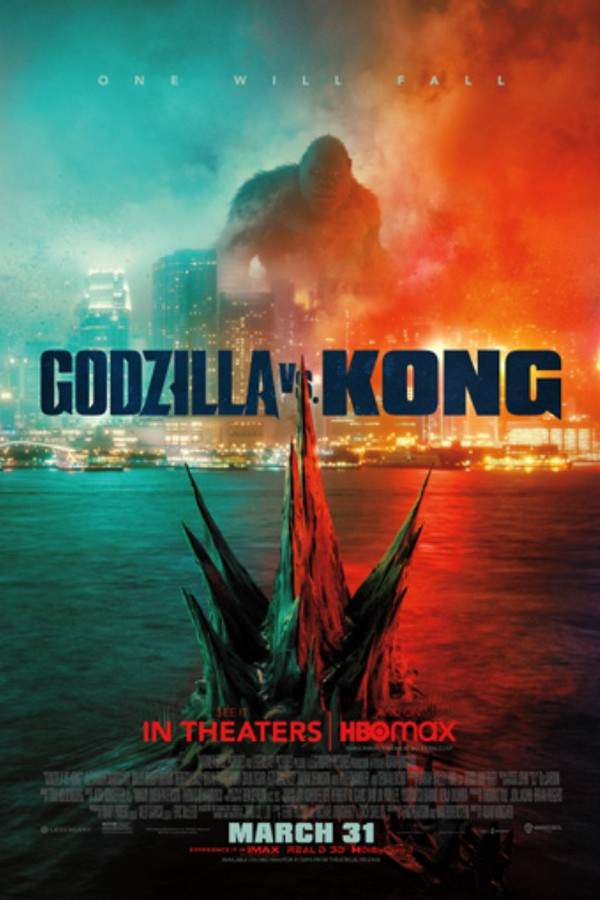
Godzilla vs. Kong
2021
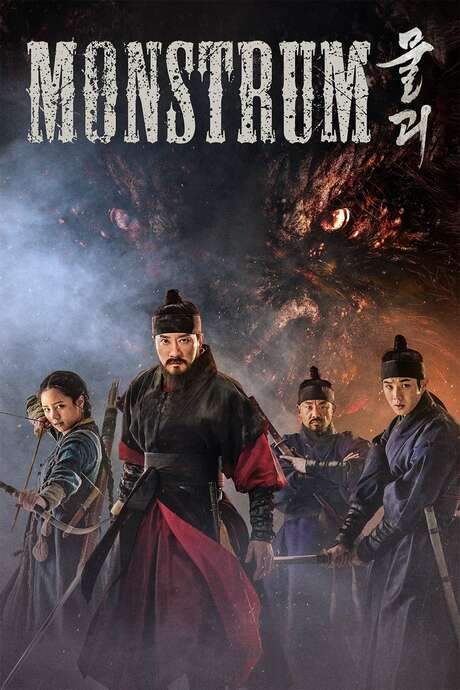
Monstrum
2018

Attack of the 50 Ft. Woman
1993

Destroy All Monsters
1968

Attack of the 50 Foot Woman
1958

The Amazing Colossal Man
1957

War of the Colossal Beast
1958
Explore More About Movie Colossal
Colossal (2017) Plot Summary & Movie Recap
Colossal (2017) Scene-by-Scene Movie Timeline
Colossal (2017) Movie Characters, Themes & Settings
Colossal (2017) Spoiler-Free Summary & Key Flow
Movies Like Colossal – Similar Titles You’ll Enjoy
Godzilla: King of the Monsters (2019) Full Movie Breakdown
Monstrum (2020) Ending Explained & Film Insights
Godzilla: The Planet Eater (2019) Full Summary & Key Details
Godzilla, King of the Monsters! (1956) Ending Explained & Film Insights
Godzilla (2014) Spoiler-Packed Plot Recap
King Kong Escapes (1968) Plot Summary & Ending Explained
Godzilla (1998) Plot Summary & Ending Explained
Pacific Rim (2013) Detailed Story Recap
Godzilla vs. Kong (2021) Film Overview & Timeline
Monstrum (2018) Film Overview & Timeline
Attack of the 50 Ft. Woman (1993) Detailed Story Recap
Destroy All Monsters (1968) Full Movie Breakdown
Attack of the 50 Foot Woman (1958) Movie Recap & Themes
The Amazing Colossal Man (1957) Spoiler-Packed Plot Recap
War of the Colossal Beast (1958) Ending Explained & Film Insights