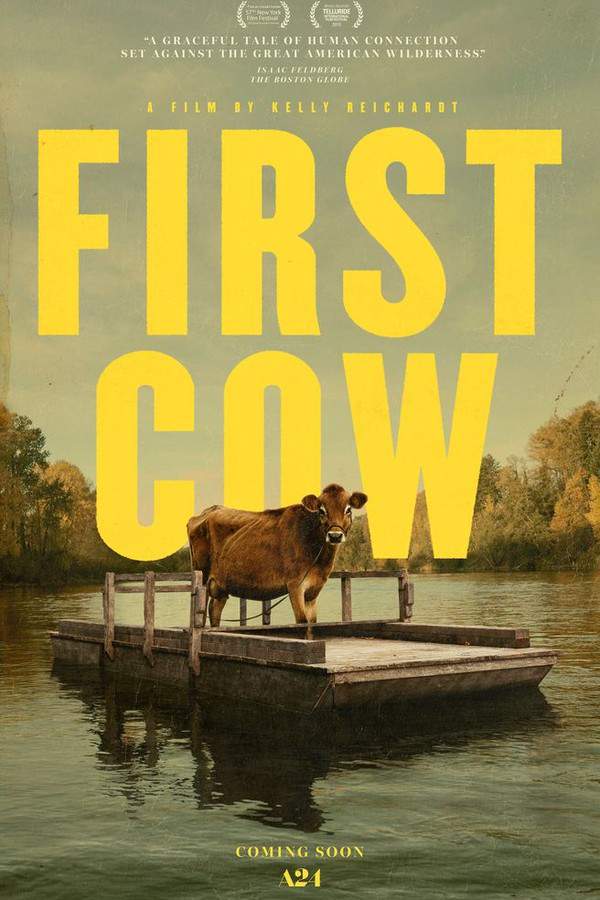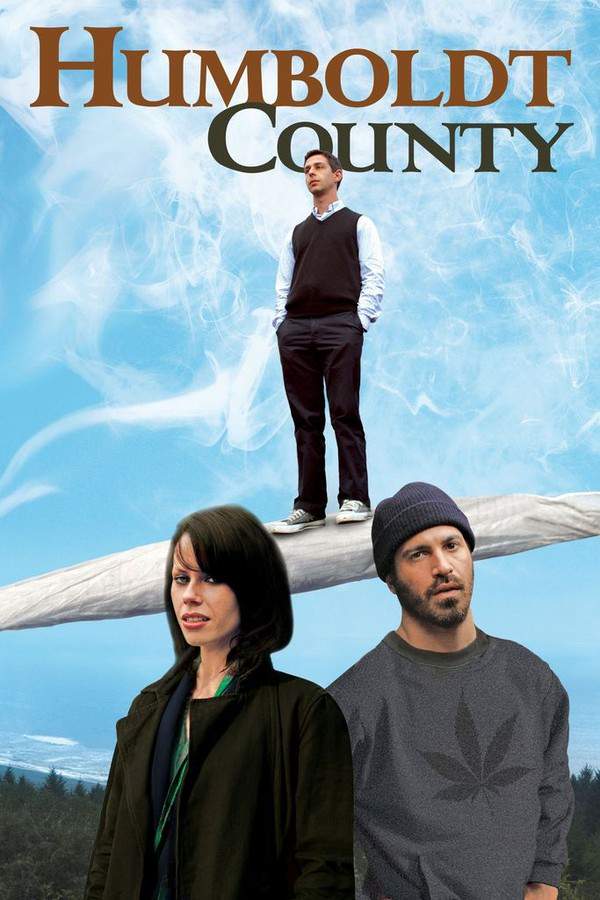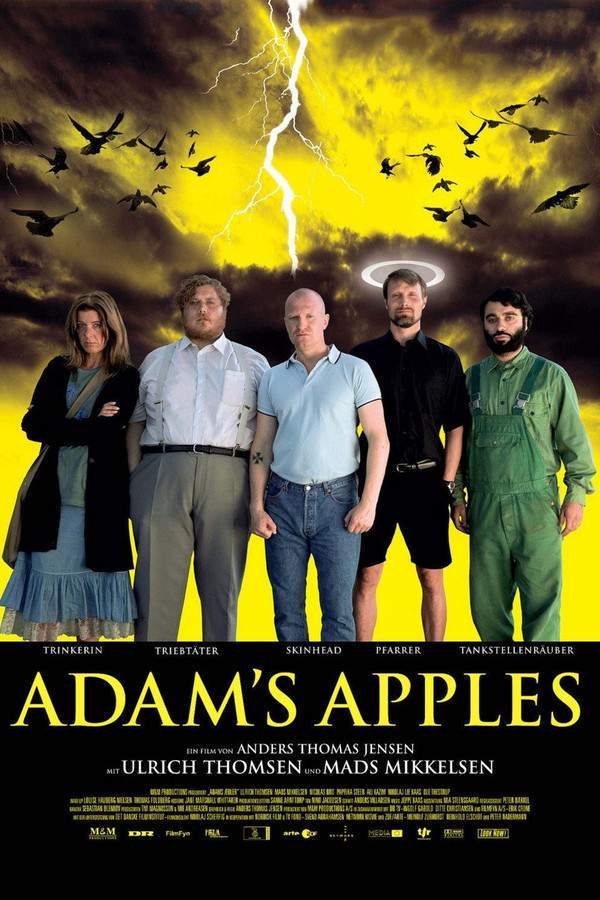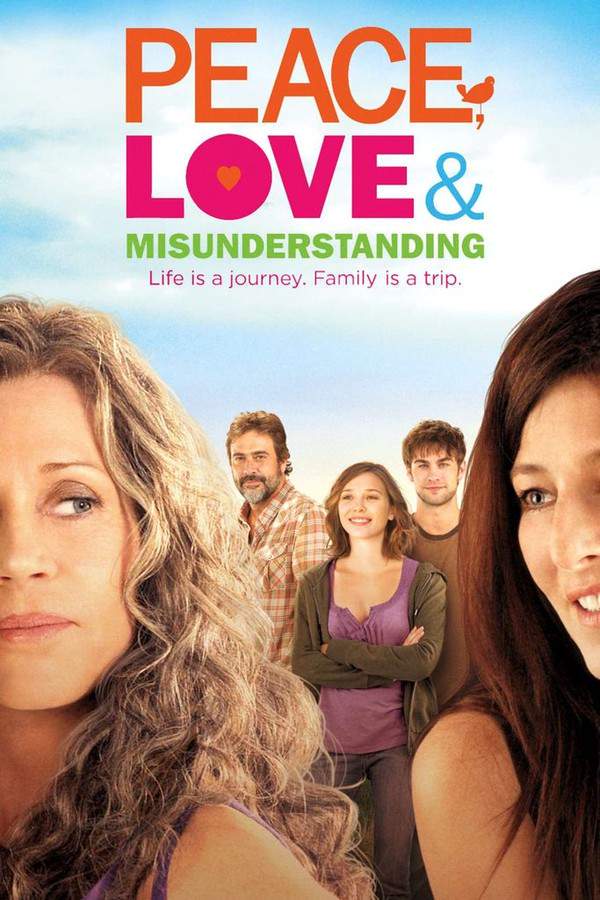













Plot Explained Spoilers guaranteed!
Plot Explained

Browse by genre

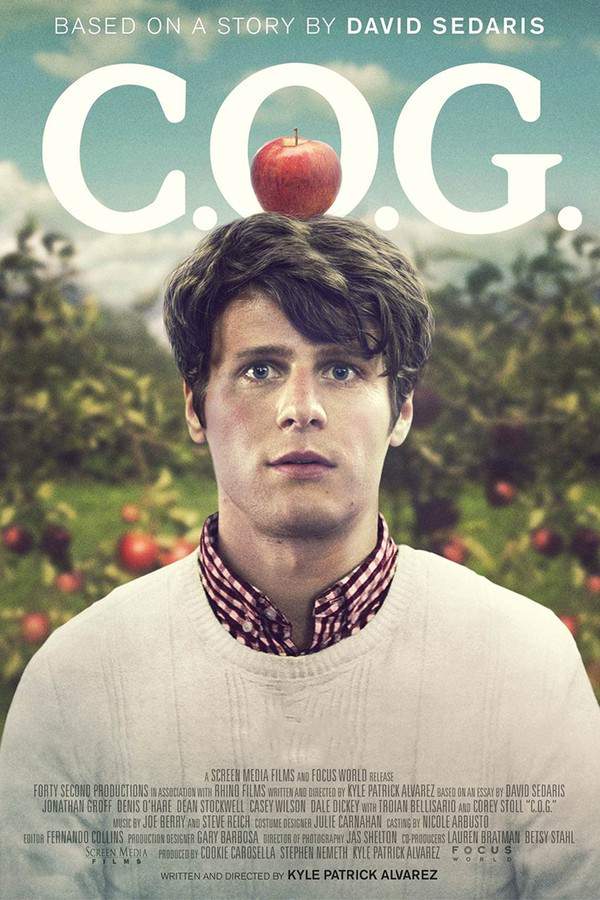
C.O.G. (2013) movie poster

Timeline

C.O.G. (2013) Timeline Explained – Every Event in Order

Release, runtime and language
2013 · 88 min · English
JustWatch #8,047 21
Directed by
Kyle Patrick Alvarez
Starring
Jonathan Groff, Corey Stoll, Dale Dickey, Dean Stockwell, Casey Wilson, Denis O'Hare

A young man, feeling lost and disconnected from city life, leaves everything behind to find peace and purpose on a rural farm. Through hard work and unexpected encounters, he grapples with personal challenges and begins a journey of self-discovery. He confronts aspects of his identity and finds an unexpected sense of belonging in the quiet simplicity of the countryside.

On this page (6)
  1. 1 Where to watch
  2. 2 Events in order (13)
  3. 3 Timeline questions answered
  4. 4 Movie threads
  5. 5 Movies like C.O.G.
  6. 6 Every angle

Where to watch

Where to Watch C.O.G. (2013)

Where can you watch C.O.G.? Stream, rent or buy it in the US, including on fuboTV, Fawesome and Kanopy: current JustWatch availability with up-to-date prices.

Streaming availability powered by JustWatch

13 events in order · contains spoilers

C.O.G. Timeline: Events in Chronological Order

Every key event of C.O.G. (2013) in order, scene by scene, with when and where it takes place. Use it to untangle flashbacks, time jumps and parallel storylines, to refresh your memory before the sequel or to find the exact scene you are thinking of.

  1. Decision to Leave Yale

    David, who goes by Samuel, makes a bold decision to take a break from his graduate studies at Yale. Feeling the pressure of normal life, he decides to embark on a journey of self-discovery, setting the course for a significant change in his life.

    Where
    Yale, Connecticut
  2. Journey to Oregon

    David travels by bus to Oregon, seeking a fresh start away from his old life. During the journey, he makes a crucial phone call to inform his mother that he wants to cut ties, indicating a desire for independence and a break from his past.

    Where
    On the bus
  3. Picking Apples

    Upon arriving in Oregon, David takes up a job picking apples in the local orchards. This work introduces him to a new community and a different way of life, although he struggles with the language barrier among his mostly Hispanic coworkers.

    Where
    Oregon
  4. Girlfriend's New Relationship

    David's girlfriend was supposed to join him but chooses to ride with another guy instead. This move not only leaves David feeling abandoned but also highlights his isolation and the challenges of moving on.

    Where
    Oregon
  5. Struggles with Language

    David faces significant communication barriers as he speaks almost no Spanish while most of his coworkers speak little English. His attempts to connect, especially with Pedro, showcase the difficulties of forming friendships in an unfamiliar environment.

    Where
    Apple orchard
  6. Encounter with Hobbs

    David meets Hobbs, his boss, who is not particularly warm or welcoming. However, upon the unexpected death of Hobbs' nephew, David is offered the nephew's trailer and the opportunity to work at the apple processing plant, opening new doors for him.

    Where
    Apple processing plant
  7. Miserable Work Environment

    As David begins working at the processing plant, he quickly realizes that the atmosphere is one of misery. The workers do not seem interested in socializing or forming connections, which adds to his feelings of isolation.

    Where
    Apple processing plant
  8. Friendship with Curly

    Though most of the workers are unapproachable, David finds an unlikely friend in Curly, who initially appears kind. However, Curly's hidden secrets soon complicate their budding friendship, leaving David feeling more alone.

    Where
    Apple processing plant
  9. Meeting Jon

    Earlier in town, David meets Jon, a man who is distributing C.O.G. literature advocating for following Christ. This encounter foreshadows a significant connection and questions David's skepticism about religion and its societal role.

    Where
    Town
  10. Jon's Life as an Artist

    Later, David encounters Jon again, who is now living in the basement of some church members and creating Oregon-shaped jade clocks. Jon's artistic life and faith journey serve as a stark contrast to David's struggles, igniting questions about belief and purpose.

    Where
    Jon's living space
  11. David's Skepticism

    Throughout his journey, David expresses his deep skepticism toward religion, voicing that it is for those who want to feel special. His dismissive attitude reveals his internal conflicts as he grapples with faith and trust in others.

  12. Exploration of Faith

    As David's relationship with Jon develops, he faces the possibility of exploring faith and spirituality. The question arises whether he will be open to the ideas Jon presents about finding meaning and connection through religion.

  13. Uncertain Future

    At the end of David's journey in Oregon, uncertainty looms over his future. He contemplates whether he will return to his normal life, continue on this new path, or embrace a blend of both, leaving viewers questioning his next steps.

    Where
    Oregon

Last updated: December 24, 2024 at 10:01

Was this helpful?

Timeline questions answered

C.O.G. Timeline Explained: Your Questions Answered

When does it happen, and why in that order? The questions people ask about the chronology of C.O.G. (2013): time jumps, flashbacks, cause and effect between scenes and the correct order of events, each answered with spoilers.

Q1

Why does David go by Samuel during his journey?

David adopts the name Samuel early in his journey as a way to distance himself from his old identity. By choosing a new name, he attempts to create a clean break from his previous life as a graduate student at Yale, signaling his desire for transformation and self-discovery.

  • david
  • samuel
  • name change
  • identity
  • self-discovery
Q2

Why does David's girlfriend leave him for another man?

David's girlfriend was originally planning to join him on the trip to Oregon, but she ultimately chooses to ride off with another man she has grown fond of. This abandonment highlights David's isolation and adds to his emotional vulnerability as he begins his journey of self-discovery.

  • girlfriend
  • breakup
  • betrayal
  • abandonment
Q3

Why does Hobbs give David his nephew's trailer after his death?

Hobbs, who is generally unkind, shows an unexpected moment of compassion when his nephew dies at the apple processing plant. He offers David the nephew's trailer to live in and even offers him the nephew's position at the plant, though the work environment remains bleak and isolating.

  • hobbs
  • nephew
  • trailer
  • death
  • compassion
Q4

What is Curly's secret that prevents a deeper friendship with David?

Despite Curly being one of the few friendly workers toward David, he harbors a hidden secret that ultimately prevents their friendship from deepening. This hidden aspect creates a sense of foreboding and leaves David feeling more alone despite finding an unlikely connection.

  • curly
  • secret
  • friendship
  • coworker
Q5

What does C.O.G. stand for and what does the organization believe?

C.O.G. stands for "Christ on the Green," an organization that encourages people to embrace a relationship with Jesus Christ. Jon, who distributes their literature, represents the missionary zeal that David initially disdainfully dismisses as a crutch for people seeking significance.

Foreshadowing: David's earlier encounter with Jon distributing C.O.G. literature foreshadows his later confrontation with faith.

  • c.o.g.
  • christ on the green
  • religion
  • jon
  • missionary
Q6

Why is Jon making Oregon-shaped jade clocks?

Jon, who lives in the basement of a congregational community, crafts unique Oregon-shaped jade clocks as his artistic pursuit. This creative work represents his new life found through faith, serving as a stark contrast to David's restless searching and emotional disconnection.

  • jon
  • jade clocks
  • oregon
  • art
  • faith
Q7

Why is David so hostile toward religion throughout the film?

David expresses deep skepticism toward religion, viewing it as a crutch for those who want to feel special or significant. His hostile attitude reveals his internal conflicts about belief, purpose, and his reluctance to embrace vulnerability or faith, which he sees as chasing "ghosts."

  • atheism
  • skepticism
  • religion
  • faith
  • spirituality
Q8

Does David end up finding faith or return to his old life?

The ending remains ambiguous about whether David ultimately embraces the spiritual guidance he has been avoiding or retreats back to his old life devoid of meaning. His journey leaves an indelible mark on his identity, but the question of whether he finds peace through faith or normalcy is left open.

  • ending
  • faith
  • spirituality
  • resolution
  • identity
Q9

Why does David call his mother to sever ties temporarily?

During his bus ride to Oregon, David makes a crucial phone call to inform his mother that he wants to cut ties temporarily. This act demonstrates his desire for complete independence and a clean break from his past, emphasizing his commitment to his journey of self-discovery.

  • mother
  • independence
  • separation
  • family
Q10

How does the language barrier affect David's experience in Oregon?

David struggles significantly with the language barrier, as he speaks almost no Spanish while most of his Mexican coworkers have limited English. This communication gap isolates him further, making it difficult to form genuine connections except through rare moments with workers like Pedro and Curly.

  • language barrier
  • spanish
  • isolation
  • coworkers
  • communication

Movie threads

More Movies Like C.O.G., by Mood & Story

Curated lists built around what makes C.O.G. tick: the same mood, the same kind of story or the same emotional payoff. Each list explains why these movies belong together.

Introspective self-discovery journeys like in C.O.G.

Quiet stories of characters who wander to find their place and purpose. If you liked the quiet, searching journey in C.O.G., you'll find similar movies here. These films focus on characters grappling with identity and purpose, often through solitary travels or retreats. They share a meditative, character-driven pace and a focus on personal growth over dramatic plot.

  • introspective
  • searching
  • lonely
  • contemplative
  • uncertain
  • gritty
  • Tone: melancholic, contemplative
  • Pacing: slow, reflective
Why these movies?

The story pattern: Stories in this thread typically center on a protagonist feeling disconnected or lost, who voluntarily or involuntarily enters a new environment. The narrative unfolds through their interactions with a new community and their internal reflections, leading to an ambiguous or open-ended resolution that emphasizes the process of seeking over a neat conclusion.

Why they belong together: These movies are grouped together because they share a core focus on the protagonist's internal quest. They prioritize mood and character development over complex plotting, creating a contemplative and often melancholic viewing experience centered on universal questions of 'who am I?' and 'where do I belong?'

Melancholic rural character studies like C.O.G.

Character-driven dramas set in the quiet tension of the countryside. For viewers who appreciated the rural Oregon setting and contemplative mood of C.O.G., this section features similar movies. These dramas use the countryside not as a backdrop but as an active element that shapes lonely, introspective stories about personal challenges and fragile human bonds.

  • contemplative
  • gritty
  • lonely
  • rural
  • atmospheric
  • introspective
  • Tone: melancholic, gritty
  • Pacing: slow, deliberate
Why these movies?

The story pattern: The narrative pattern involves a protagonist, often an outsider, arriving in a rural community. The story explores the friction and eventual connection between the character and their environment, using the slow rhythm of rural life to amplify internal conflicts. The plots are often episodic, built around encounters that test and reveal the character's nature.

Why they belong together: These films share a specific atmospheric blend: a slow, deliberate pace; a melancholic or bittersweet tone; and a setting where the rural landscape contributes to a feeling of isolation and introspection. The similarity comes from this cohesive vibe rather than a specific plot formula.

If you liked this

Movies Like C.O.G.

Similar movies to C.O.G.: the same genre, themes or kind of story. Each one comes with its own plot summary, timeline and ending explained.

Browse all movie summaries

Every angle

C.O.G. (2013) Explained: Plot, Timeline & Characters

Everything about C.O.G. in one place: what happens in the plot summary, the timeline in chronological order, the characters and meaning and a spoiler-free summary. What's After the Movie adds the cast, box office and post-credit scenes.

Coming soon on iOS and Android

The Plot Explained Movie Summary App

Plot summaries, endings explained and timelines on your phone. Catch up on any movie in minutes, save your favorites and never miss a twist again.

Be the first to know when we launch. Your email stays private, always.

Learn more about the app