Plot Explained Spoilers guaranteed!
Plot Explained

Browse by genre

Cinco de Mayo (2013) movie poster

Timeline

Cinco de Mayo (2013) Timeline Explained – Every Event in Order

Release, runtime and language
2013 · 71 mins · English
Loading streaming availability…
Directed by
Paul Ragsdale
Starring
Angelica De Alba, Lindsay Amaral, Spencer Reza, Steven Pettit Jr, Anthony Iava To'omata, Robert Holloway

Following an unjust firing and facing harassment from students who label him a threat, a dedicated teacher decides to deliver one final lesson. Combining the spirit of "Stand and Deliver" with a suspenseful atmosphere reminiscent of "Halloween," this film explores themes of justice, frustration, and the lengths one person will go to reclaim their reputation.

On this page (5)
  1. 1 Where to watch
  2. 2 Events in order (11)
  3. 3 Timeline questions answered
  4. 4 Movie threads
  5. 5 Every angle
Loading streaming availability…

11 events in order · contains spoilers

Cinco de Mayo Timeline: Events in Chronological Order

Every key event of Cinco de Mayo (2013) in order, scene by scene, with when and where it takes place. Use it to untangle flashbacks, time jumps and parallel storylines, to refresh your memory before the sequel or to find the exact scene you are thinking of.

  1. El Maestro's idealistic classroom crusade

    El Maestro is an idealistic Chicano studies instructor at a junior college who tries to expose injustices in his rural town and inspire political action. He believes education can ignite change, even as dwindling class sizes threaten his mission. The students mostly mock his out-of-date views, preferring to party instead of participate.

    Where
    Junior College classroom, rural town
  2. Cinco de Mayo protest plan clashes with authority

    El Maestro and his students plan a Cinco de Mayo protest against racially motivated violence, including flag burning and an unsolved murder. The Dean, Dean Liberstein, thwarts the protest and labels El Maestro a 'racist radical' and a troublemaker. He is fired, crushing El Maestro's ambitions.

    When
    Cinco de Mayo
    Where
    College campus / Dean's office
  3. Firing and referral to Dr. Love

    The Dean fires El Maestro, ending his life's work in the classroom. In response, the Dean sends him to Dr. Harry Love, a psychiatrist who diagnoses him with a rare 'Aztec Blood Lust' disorder. Dr. Love warns that the impulse could explode into homicidal rage and urges El Maestro to act it out in his office to exorcise it.

    Where
    Dean's office / Dr. Love's office
  4. Denial, harassment, and the first whispers

    El Maestro refuses to believe the psychiatrist's claim. He endures humiliating exchanges with his racist neighbor Ted and the local sheriff, and soon after, he begins to hear voices in his head beckoning him to kill.

    Where
    Neighborhood and town
  5. Weapons and the descent into violence

    Dr. Love provides El Maestro with a knife to use as an exercise tool and Magdalena lends him a Day of the Dead mask. He becomes emboldened as his grip on reality slips, slipping into a catatonic state while beginning to stalk his enemies. The stage is set for a deadly spree.

    Where
    Dr. Love's office / town
  6. First victims and the formation of a posse

    He starts with his neighbor Ted and then targets Dean Liberstein, driving the town into fear as the body count rises. A vigilant posse forms to capture the killer, and the Sheriff orders them to stand down, but they refuse to back away from restoring order.

    Where
    Neighborhood / town
  7. Sheriff uncovers the truth

    The Sheriff uncovers a clue that leads him to Dr. Love. In a tense interrogation, Dr. Love confesses that he and Dean Liberstein provoked El Maestro as part of a social/racial experiment, and that the plan spiraled far beyond their control. The revelation explains the bizarre chain of events.

    Where
    Sheriff's office / interrogation room
  8. Race against time to stop the killer

    The Sheriff races to find El Maestro before it's too late. He realizes the experiment has spiraled into something unstoppable, and every moment counts as the town teeters on the edge of chaos. The search leads them toward the farm where the students are gathered.

    Where
    Town streets / rural outskirts
  9. Cinco de Mayo party turns deadly

    Meanwhile, El Maestro's students are holding a Cinco de Mayo party at a farmhouse. The vigilante posse arrives and attacks, escalating the confrontation. El Maestro strikes back, killing the vigilantes and impaling one on a flagpole as the Mexican flag waves in the breeze.

    When
    Cinco de Mayo
    Where
    Farmhouse
  10. Destiny proclaimed and confrontation with the Sheriff

    El Maestro tells his former students that he murdered these men to prove heroes still exist, and declares that this was his destiny. The Sheriff arrives and pleads with him to come quietly, but El Maestro charges at the Sheriff with extreme force and is shot down.

    Where
    Farmhouse vicinity / town
  11. Aftermath and a supernatural twist

    The students gather around El Maestro's bullet-riddled body in sadness and disbelief. Two male students scoff at his actions, questioning his legacy. Then El Maestro rises from the dead, grabs the two students, and they scream as the screen freezes.

    Where
    Farmhouse vicinity

Last updated: October 01, 2025 at 10:23

Was this helpful?

Timeline questions answered

Cinco de Mayo Timeline Explained: Your Questions Answered

When does it happen, and why in that order? The questions people ask about the chronology of Cinco de Mayo (2013): time jumps, flashbacks, cause and effect between scenes and the correct order of events, each answered with spoilers.

Q1

Why was El Maestro fired from the college?

El Maestro was fired because Dean Liberstein accused him of being a 'racist radical' and troublemaker after he planned a Cinco de Mayo protest against racially motivated violence against Mexican immigrants, including flag burning and an unsolved murder. The Dean thwarted his protest and used the incident to terminate his employment, effectively ending his life's work as a Chicano studies instructor.

Foreshadowing: Earlier in the film, El Maestro's students laugh at his outdated views and prefer partying over activism, foreshadowing the institutional rejection he would face.

  • el maestro
  • dean liberstein
  • firing
  • protest
  • discrimination
Q2

What was Dr. Love's social experiment?

Dr. Love confesses that he and Dean Liberstein deliberately provoked El Maestro into committing violence as a social and racial experiment. They wanted to see if they could manipulate a marginalized teacher into becoming a violent threat, likely to justify their own prejudices about minority aggression. The experiment spiraled far beyond their control, creating an unstoppable killing machine.

Foreshadowing: Dr. Love's unusual diagnosis of 'Aztec Blood Lust' and his insistence that El Maestro 'act out' his rage in controlled settings hints that the psychiatrist had ulterior motives from the start.

  • dr love
  • experiment
  • dean liberstein
  • manipulation
  • conspiracy
Q3

Why did El Maestro kill the vigilantes at the farmhouse?

El Maestro intervened when the vigilante posse attacked his students during their Cinco de Mayo party. He killed the vigilantes to protect his students from harm, declaring it his destiny to show them that heroes still exist. He saw this violent intervention as the ultimate lesson in fighting back against oppression, believing he was fulfilling a greater purpose.

Foreshadowing: El Maestro's earlier dedication to inspiring political action and his belief that education could ignite change foreshadowed his willingness to take extreme measures to make a statement.

  • el maestro
  • vigilantes
  • farmhouse
  • students
  • protection
  • destiny
Q4

What is Aztec Blood Lust and is it real?

Aztec Blood Lust is described by Dr. Love as a rare disorder that could cause El Maestro to explode with homicidal rage. However, the disorder appears to be fabricated or exaggerated as part of the social experiment. The 'voices' El Maestro hears and his violent urges are likely induced through psychological manipulation rather than a genuine psychiatric condition.

Foreshadowing: Dr. Love's eagerness to have El Maestro 'act out' his blood lust in the office and his provision of a knife suggest the psychiatrist was engineering the violent outcome.

  • aztec blood lust
  • disorder
  • dr love
  • manipulation
  • psychology
Q5

Why did El Maestro say killing the vigilantes was his destiny?

El Maestro framed his violent spree as destiny because he felt marginalized, humiliated, and destroyed by the system he tried to serve. After being fired, manipulated, and harassed, he believed his actions were a form of righteous resistance, a way to prove that heroes can still fight back against oppression, even through extreme violence.

Foreshadowing: His earlier idealism and belief in awakening his students to injustice through education set the foundation for his belief that violence could be a form of meaningful action.

  • destiny
  • heroism
  • violence
  • resistance
  • justification
Q6

What is the significance of El Maestro impaling a vigilante on the flag pole?

El Maestro impaled one of the vigilantes on a flagpole with the Mexican flag waving in the breeze during the farmhouse confrontation. This imagery symbolizes his final act of resistance, using the symbol of Mexican identity and pride as a weapon against those who sought to harm his community and students. It represents both his cultural identity and his twisted interpretation of heroic action.

Foreshadowing: El Maestro's Chicano studies background and his planned protest against anti-immigrant violence establish his deep connection to Mexican cultural symbols.

  • mexican flag
  • flag pole
  • symbolism
  • cultural identity
  • resistance
Q7

Why did El Maestro rise from the dead at the end?

The ending appears to be a supernatural twist or jump-scare rather than a literal explanation. After being shot by the Sheriff and the students gathering around his body, El Maestro suddenly rises and grabs two skeptical students who had been mocking his actions. This ambiguous ending leaves his ultimate fate unresolved and could be interpreted as a horror genre convention, a comment on his undying impact, or a final shock element.

Foreshadowing: The film combines horror elements with its dark comedy tone, making the supernatural revival consistent with the genre expectations established early on.

  • ending
  • resurrection
  • supernatural
  • horror
  • ambiguity
Q8

Why did El Maestro target his neighbor Ted first?

Ted was El Maestro's racist neighbor who subjected him to humiliating exchanges throughout the film. After El Maestro was fired and began his descent into violence, Ted became his first victim. The harassment Ted inflicted, combined with El Maestro's deteriorating mental state, made Ted the initial target in his killing spree.

Foreshadowing: Ted's racist behavior toward El Maestro is established early as a source of personal conflict, making his selection as the first victim logically consistent with El Maestro's motive for revenge.

  • ted
  • neighbor
  • racism
  • first victim
  • harassment
Q9

Why did the town form a posse to hunt El Maestro?

After El Maestro killed his neighbor Ted and Dean Liberstein, the body count rose and the town feared a racial revolt. A vigilante posse formed to capture the killer and restore order. The Sheriff initially ordered them to stand down, but they refused, insisting on taking action themselves, escalating the conflict that ultimately led to the farmhouse confrontation.

Foreshadowing: The escalating violence and the town's racial tensions foreshadowed the violent confrontation at the farmhouse between the posse and El Maestro's students.

  • posse
  • sheriff
  • vigilantes
  • town
  • racial tension
  • hunting
Q10

Why did Dr. Love give El Maestro a knife and Magdalena give him a mask?

Dr. Love gave El Maestro a knife under the pretense of using it as an exercise tool to 'exorcise' his blood lust. This was part of the manipulation to push El Maestro toward violence. Magdalena, El Maestro's supportive student, gave him a Day of the Dead mask, likely as a thoughtful gift related to their cultural studies. Both objects became tools in El Maestro's killing spree, the knife as a weapon and the mask as a disguise.

Foreshadowing: Dr. Love's insistence that El Maestro use the knife to 'act out' his rage directly foreshadows the weapon's role in the murders.

  • knife
  • mask
  • dr love
  • magdalena
  • day of the dead
  • weapons

Movie threads

More Movies Like Cinco de Mayo, by Mood & Story

Curated lists built around what makes Cinco de Mayo tick: the same mood, the same kind of story or the same emotional payoff. Each list explains why these movies belong together.

Movies with sympathetic villains like Cinco de Mayo

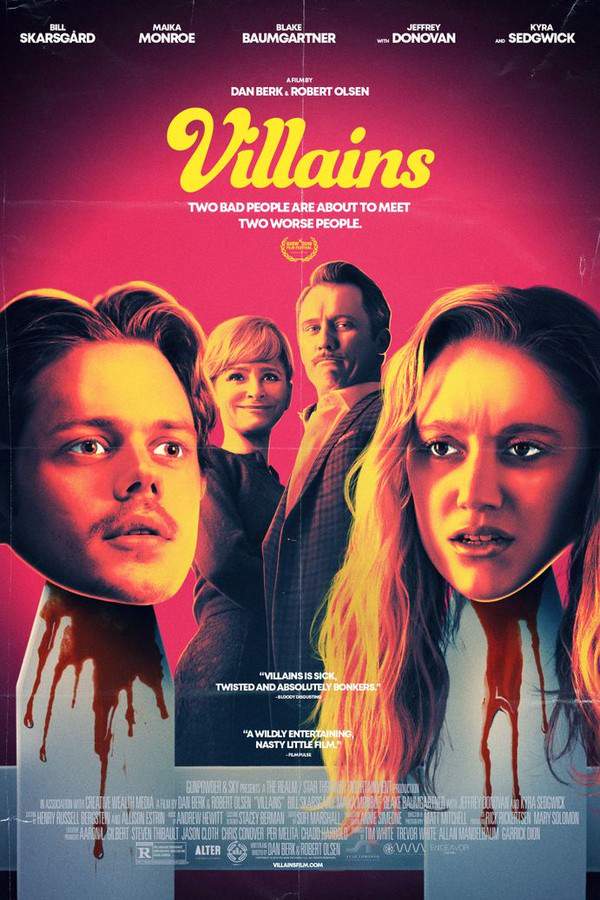
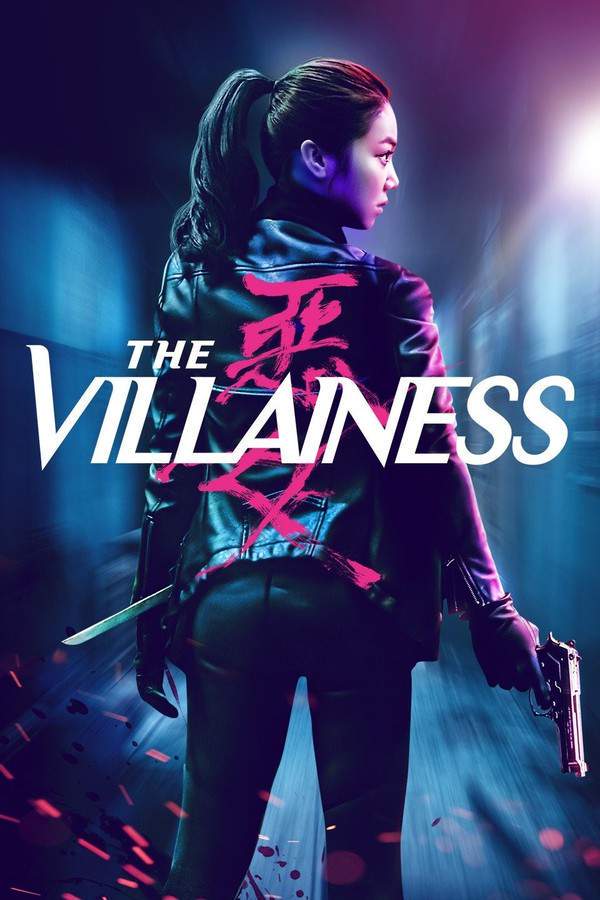
Stories told from the perspective of a character pushed into monstrosity. If you liked the complex villain arc in Cinco de Mayo, explore more movies where a relatable protagonist is pushed to the edge. These films often blend psychological drama with dark themes, focusing on the making of a monster from a sympathetic point of view.

  • psychological
  • unsettling
  • frustrated
  • tragic
  • cynical
  • vengeful
  • Tone: dark, cynical
  • Pacing: steady, character-driven
Why these movies?

The story pattern: Narratives in this thread typically follow a protagonist who starts as a relatable, often wronged, individual. Through a series of injustices or manipulations, they undergo a psychological breakdown, leading them to commit acts of violence. The story blurs the line between hero and villain, forcing the audience to question the nature of justice.

Why they belong together: These movies are grouped by their shared focus on a character's tragic arc into darkness. They create a heavy emotional weight by building sympathy before the fall, and often feature a steady pacing that allows for a deep exploration of the character's mental state and motivations.
Social commentary thrillers similar to Cinco de Mayo

Tense stories where personal breakdowns expose deeper societal rot. Find movies like Cinco de Mayo that blend high-tension thrills with sharp social criticism. These films use a personal story of revenge or breakdown to explore themes of injustice, corruption, and the dark side of human nature, often leading to a violent and ambiguous conclusion.

  • tense
  • social commentary
  • violent
  • anxious
  • unsettling
  • corruption
  • Tone: dark, tense, cynical
  • Pacing: steady build, methodical
Why these movies?

The story pattern: The narrative pattern involves a protagonist confronting a corrupt or unjust system. Their personal struggle—often a revenge plot or psychological breakdown—acts as a microcosm for a larger societal problem. The plot builds methodically, intertwining personal drama with thematic exploration, and culminates in a cathartic or destructive finale that comments on the initial social problem.

Why they belong together: These films share a specific mix of high intensity, dark tone, and heavy emotional weight derived from real-world issues. They are united by a steady pacing that allows tension to mount and a focus on using genre conventions (like horror or thriller) to deliver a pointed message about society.

Every angle

Cinco de Mayo (2013) Explained: Plot, Timeline & Characters

Everything about Cinco de Mayo in one place: what happens in the plot summary, the timeline in chronological order, the characters and meaning and a spoiler-free summary. What's After the Movie adds the cast, box office and post-credit scenes.

Coming soon on iOS and Android

The Plot Explained Movie Summary App

Plot summaries, endings explained and timelines on your phone. Catch up on any movie in minutes, save your favorites and never miss a twist again.

Be the first to know when we launch. Your email stays private, always.

Learn more about the app