Year: 1988
Runtime: 95 mins
Language: Cantonese
A witty and thoroughly engaging send-up of both the fast food business and the cut-throat techniques often employed by conglomerates to crush independent competition.
Warning: spoilers below!
Haven’t seen Chicken and Duck Talk yet? This summary contains major spoilers. Bookmark the page, watch the movie, and come back for the full breakdown. If you're ready, scroll on and relive the story!
Read the complete plot breakdown of Chicken and Duck Talk (1988), including all key story events, major twists, and the ending explained in detail. Discover what really happened, and what it all means.
Hui Michael Hui is the struggling proprietor of a Cantonese BBQ roast duck restaurant in Hong Kong, living upstairs with his wife Ah Kuen Sylvia Chang and their son. Early in the story, a health inspector arrives and discovers a cockroach in the soup along with other unsanitary conditions, threatening to sue. Hui’s staff manage to block the inspector from leaving with evidence, allowing the restaurant to keep operating for the moment. The ground-floor business sits beneath a home life that grows tense as Hui tries to keep everything afloat.
Across the street, a wealthy mother-in-law visits, doubting Ah Kuen’s marriage and pressuring Hui to prove the business is solid. Meanwhile, a new rival rises: Danny Poon Lawrence Ng Kai-Wah opens Danny’s Chicken, a fast-food chain that uses aggressive marketing and flashy branding to win over customers. Almost overnight, Hui’s profits take a hit as Danny’s Chicken garners attention with lively campaigns and a broad appeal.
One of Hui’s employees, Cuttlefish [Ricky Hui Koon-Ying], grows frustrated with the low pay and harsh working conditions at Hui’s, and decides to jump to the rival. He quickly discovers that Poon’s training is strict and humiliating, including odd tasks like handing out leaflets outside the shop dressed as a chicken, a sight that fills Hui with both anger and concern. Judy, Hui’s son’s girlfriend, Gloria Yip Wan-Yee, also appears in the mix, reminding Hui of the personal stakes behind the business war.
Desperate to win back the crowd, Hui tries to copy Danny’s packaging and marketing tactics, redecorates the place, and even stages a disastrous karaoke night in an effort to appear fashionable. He also publicly parades the street in a makeshift duck costume, which leads to a physically charged clash with Cuttlefish in a chicken suit. The scuffle nearly lands them both in trouble with the law, underscoring how far Hui is willing to push to reclaim his customers.
Poon escalates the rivalry with a cunning sabotage plan: he releases rats into Hui’s restaurant during a health inspection, hoping to ruin the reputation of the smaller operation. Cuttlefish returns to Hui’s side, disillusioned by Poon’s methods and even trying to foil the sabotage. Hui remains steadfast and refuses to sell the business to Poon, choosing rather to preserve the long-standing family operation.
In a pivotal turn, Hui accepts help from his rich mother-in-law to renovate the restaurant, a move that signals a new chapter for the business. The renovation proves to be a resounding success, drawing attention and customers back to Hui’sDuck, while Danny’s Chicken attempts to imitate the upgrade but cannot match Hui’s secret recipe. Enraged by this setback, Poon resorts to arson, setting Danny’s Chicken on fire. He is ultimately rescued by Hui, a moment that marks a turning point in the turf war.
With the improvements in place and the brand revitalized, Hui’s restaurant recovers its former standing and its loyal customers, including those who had drifted away. The story closes on a note of resilience and community, showing that persistence, a dash of ingenuity, and a willingness to seek help when needed can outlast a flashier competitor.
Last updated: October 09, 2025 at 14:34
Explore frequently asked questions about Chicken and Duck Talk (1988) with spoiler-rich answers covering the full plot summary, major story beats, character motivations, hidden details, and ending meaning. This movie summary FAQ helps explain confusing scenes, plot twists, and narrative decisions in clear, searchable detail.
Hui's staff blocked the inspector because he discovered a cockroach in the soup and threatened to sue, which would have shut down the restaurant. The staff physically prevented him from leaving with evidence of the unsanitary conditions, buying time to address the situation before official action could be taken.
Cuttlefish left because he was frustrated with low pay and harsh working conditions at Hui's restaurant. He hoped Danny's Chicken would offer better opportunities, but discovered that Poon's training was even more strict and humiliating, including being forced to distribute leaflets dressed as a chicken.
Hui dressed as a duck in an attempt to win back customers after losing them to Danny's Chicken's flashy marketing. He was trying to appear modern and fashionable, similar to how his rival attracted crowds. The stunt backfired and led to a physical altercation with Cuttlefish in a chicken suit.
Danny Poon released rats into Hui's restaurant during a health inspection, hoping to ruin the restaurant's reputation and force Hui to sell. The timing was deliberate, during an inspection, because it would appear that Hui's restaurant had severe sanitation problems.
The earlier health inspection incident foreshadows how vulnerable Hui's restaurant is to sanitation accusations.
Cuttlefish returned because he became disillusioned with Poon's unethical methods, including the rat sabotage. He even tried to foil the sabotage attempt, showing his loyalty had shifted back to Hui. His return represented a moral choice over material gain.
Hui initially refused the help due to pride, but eventually accepted because his business was failing and he needed to survive the competition from Danny's Chicken. The renovation became necessary when his own desperate tactics drove away loyal customers and he had no other options.
The mother-in-law's earlier visit and offer foreshadows this eventual acceptance.
The renovation modernized the restaurant while preserving its traditional charm, and critically, Hui's secret roast duck recipe could not be replicated by the competitor. Danny's Chicken tried to imitate by selling roast duck, but customers recognized Hui's authentic recipe as superior, drawing them back.
Hui saved Poon because despite their bitter rivalry, he chose mercy over revenge. When Poon's arson attempt backfired and he was trapped in the blaze, Hui risked his own safety to pull him out. This act marked the turning point that ended their feud and showed Hui's character growth.
Hui disguised himself as an Indian woman to infiltrate Danny's Chicken and gather competitive intelligence, but Poon quickly recognized and exposed him. The plan failed because Poon was watching for such tactics, and the attempt highlighted just how desperate Hui had become.
Hui's desperate attempts to compete, including the duck costume, karaoke night, and copying Poon's marketing, scared away traditional customers who valued the restaurant's authentic character. Even a Buddhist nun who regularly ordered vegetarian noodles stopped coming, showing how alienated the core clientele felt.
Discover curated groups of movies connected by mood, themes, and story style. Browse collections built around emotion, atmosphere, and narrative focus to easily find films that match what you feel like watching right now.
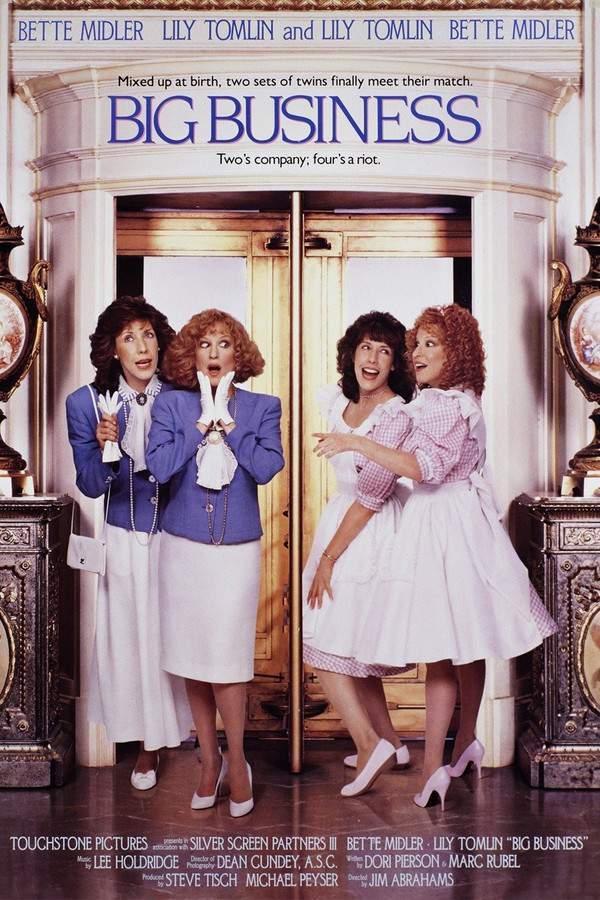
Lighthearted tales of small businesses fighting greedy, comical corporations.If you enjoyed the lighthearted rivalry in Chicken and Duck Talk, you'll love these films featuring small business owners fighting back against corporate bullies with humor and heart. Discover similar comedies where community support and clever wit triumph over greed, all while keeping the mood fun and the endings happy.
The narrative follows a clear underdog arc: a beloved small business faces an existential threat from a powerful, often cartoonishly evil, competitor. The protagonist experiences a series of comical setbacks and retaliates with inventive, sometimes silly, schemes. The story builds to a climax where community support and personal integrity lead to a triumphant and satisfying victory over the corporate foe.
Movies in this thread are grouped by their shared comedic treatment of a serious theme—David vs. Goliath business battles. They maintain a light tone and steady pacing, blending satirical humor with a feel-good story of perseverance. The emotional weight is kept light, making them perfect for viewers seeking an engaging but undemanding comedy.
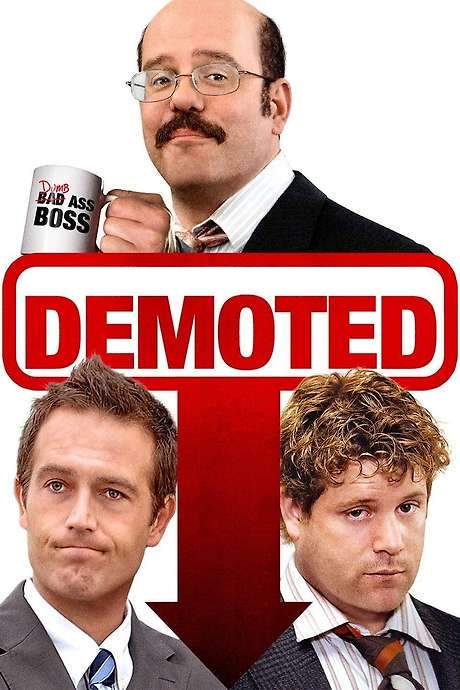
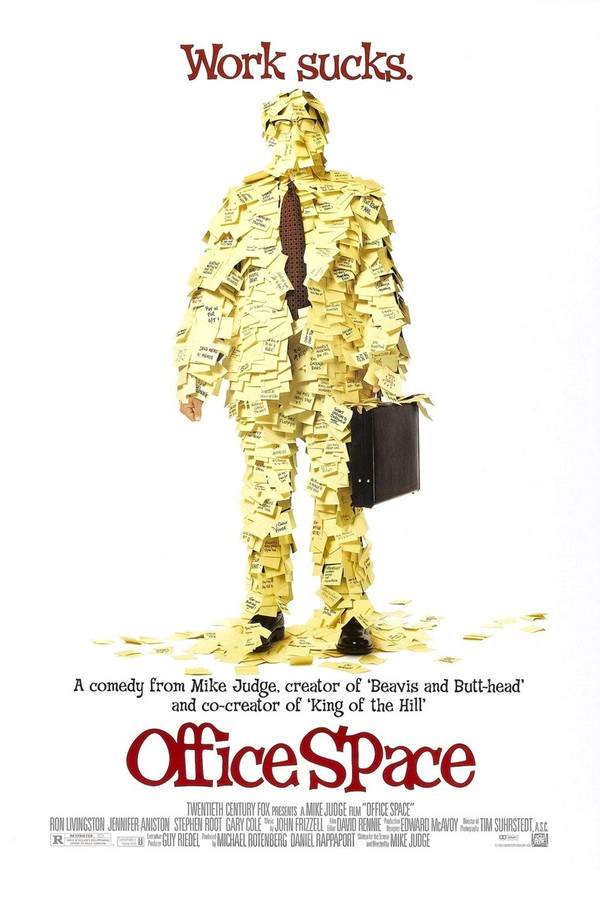
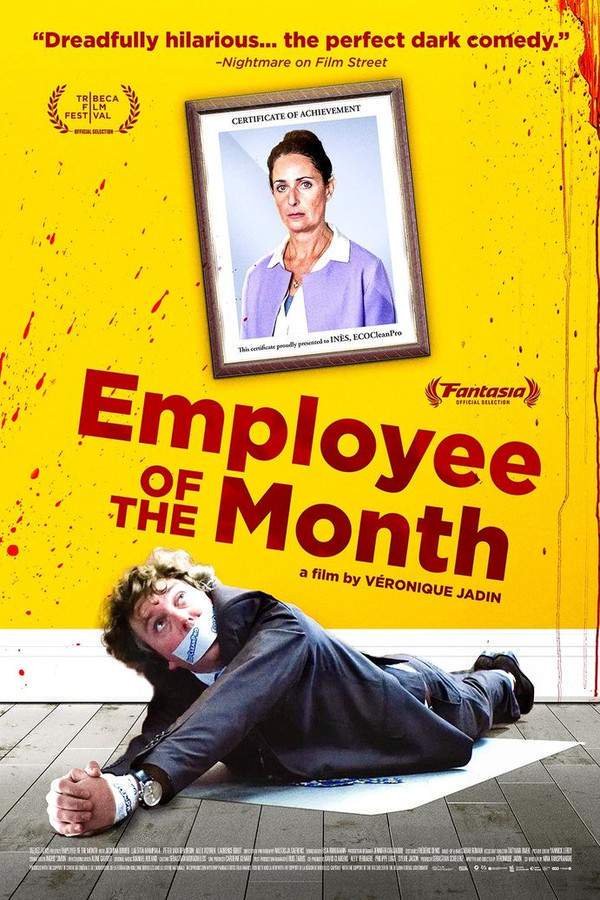
Witty send-ups of business culture, rivalry, and the absurdity of work.Fans of Chicken and Duck Talk's witty take on the fast food industry will enjoy these other sharp workplace satires. Explore movies that find humor in business rivalry, corporate satire, and the daily grind, all told with a lighthearted touch and a steady, comedic pace that keeps the mood buoyant.
The narrative pattern revolves around a specific professional setting—be it a restaurant, an office, or a store—that becomes a stage for comedic conflict. Characters are often archetypes of business life (the ambitious rival, the loyal employee, the clueless manager), and the plot unfolds through a series of humorous set pieces that satirize the rituals and ruthlessness of commerce, leading to a resolution that restores order with a wink.
These films are united by their primary goal: to entertain through satire aimed at the business world. They share a light tone and straightforward complexity, making the comedy accessible. The pacing is steady, building jokes upon a relatable foundation of work-life dynamics, and the experience is consistently fun without heavy emotional stakes.
Don't stop at just watching - explore Chicken and Duck Talk in full detail. From the complete plot summary and scene-by-scene timeline to character breakdowns, thematic analysis, and a deep dive into the ending - every page helps you truly understand what Chicken and Duck Talk is all about. Plus, discover what's next after the movie.
Track the full timeline of Chicken and Duck Talk with every major event arranged chronologically. Perfect for decoding non-linear storytelling, flashbacks, or parallel narratives with a clear scene-by-scene breakdown.
Discover the characters, locations, and core themes that shape Chicken and Duck Talk. Get insights into symbolic elements, setting significance, and deeper narrative meaning - ideal for thematic analysis and movie breakdowns.
Discover movies like Chicken and Duck Talk that share similar genres, themes, and storytelling elements. Whether you’re drawn to the atmosphere, character arcs, or plot structure, these curated recommendations will help you explore more films you’ll love.
Chicken and Duck Talk (1988) Scene-by-Scene Movie Timeline
Chicken and Duck Talk (1988) Movie Characters, Themes & Settings
Chicken and Duck Talk (1988) Spoiler-Free Summary & Key Flow
Movies Like Chicken and Duck Talk – Similar Titles You’ll Enjoy
Cock-a-Doodle-Duel (2004) Plot Summary & Ending Explained
Cotton Chicken (1990) Spoiler-Packed Plot Recap
Chilli Laugh Story (2022) Spoiler-Packed Plot Recap
Chicken Nugget (1000) Ending Explained & Film Insights
The High and the Flighty (1956) Ending Explained & Film Insights
My Favorite Duck (1942) Spoiler-Packed Plot Recap
Swab the Duck (1956) Story Summary & Characters
A Ducking They Did Go (1939) Film Overview & Timeline
The God of Cookery (1996) Movie Recap & Themes
You Were Never Duckier (1948) Complete Plot Breakdown
Chicken Jitters (1939) Detailed Story Recap
Chicken Park (1994) Plot Summary & Ending Explained
The Wise Quacking Duck (1943) Spoiler-Packed Plot Recap
Duck Soup to Nuts (1944) Detailed Story Recap
Chicken House (2022) Complete Plot Breakdown