Plot Explained Spoilers guaranteed!
Plot Explained

Browse by genre

Catch Us If You Can (1965) movie poster

Characters & Themes

Catch Us If You Can (1965) Characters, Setting & Themes Explained

Release, runtime and language
1965 · 87 mins · English
Directed by
John Boorman
Starring
Clive Swift, David de Keyser, Peter Eyre, Michael Gwynn, David Lodge, Ronald Lacey

Britain’s swing‑in‑est five burst onto screen in year’s biggest dramatic surprise. Dinah, a famous model and actress, is tired of spotlight and seeks a break. While shooting a meat commercial she meets stuntman Steve; they click and, with four of his friends, flee to an island. When Dinah vanishes, a frantic search turns their getaway but not tranquil.

On this page (8)
  1. 1 Where to watch
  2. 2 Characters explained (5)
  3. 3 Where & when it takes place
  4. 4 Themes & meaning (4)
  5. 5 Character & meaning questions
  6. 6 Movie threads
  7. 7 Movies like Catch Us If You Can
  8. 8 Every angle

Where to watch

Where to Watch Catch Us If You Can (1965)

Where can you watch Catch Us If You Can? Stream, rent or buy it in the US, including on Amazon Video and Apple TV Store: current JustWatch availability with up-to-date prices.

Streaming availability powered by JustWatch

5 main characters · contains spoilers

Catch Us If You Can Characters Explained: Who Is Who

The main characters of Catch Us If You Can (1965), heroes and villains: what drives them, how they change over the course of the story and what each of them reveals about the film's bigger ideas.

  • Steve (Dave Clark)

    A street-smart stuntman disillusioned by the emptiness of his job and the meat-promo world around him. He’s impulsive and fearless, but deeply loyal to his friends. His desire for freedom clashes with the responsibilities he carries for those who depend on him. Throughout the journey, Steve’s quick reflexes and daring spirit drive the group forward.

    • 🚗 Rebellious
    • 🛡️ Loyal
    • 🎭 Daredevil
  • Dinah (Barbara Ferris)

    Dinah is the glamorous face of the Meat for Go campaign, whose celebrity power masks insecurity and a longing to escape. She sees the island as a possible haven from fame, and she is determined to reclaim control over her life. Her charisma draws both admiration and danger, complicating her pursuit of autonomy. Dinah’s choices reveal the costs of living in the public eye.

    • 🎭 Celebrity
    • 🏝️ Freedom
    • 🧭 Independent
  • Leon Zissell (David de Keyser)

    An advertising executive who wields significant power over campaigns and image. He cynically exploits Dinah’s fame to further his own agenda and relentlessly pursues the couple to protect the brand. Zissell embodies the commodification of identity and the reach of media influence. His calculated moves underscore the film’s critique of advertising culture.

    • 💼 Advertising
    • 🧠 Manipulation
    • 🎯 Pursuit
  • Louis (Louis Lodge)

    played by David Lodge

    Louie is Steve’s boyhood hero who now resides in Devon; his recognition of Dinah underscores the collision between past loyalties and present celebrity. He represents a local anchor in the travelogue, a reminder of roots and simpler times. The encounter also foreshadows the limits of fame in ordinary places. Louie’s presence adds a layer of nostalgia to the chase.

    • 🧭 Nostalgia
    • 🎖️ Local Roots
    • 🗺️ Community
  • Mrs. Vera Stone (Marianne Stone)

    An eccentric, upper-class matron whose refined world contrasts with the road-tripping struggle of the protagonists. Her presence in Bath’s Royal Crescent highlights class dynamics and social satire. She embodies a society comforted by appearances, even as the plot unfolds around a runaway couple. Vera Stone adds a sense of polished propriety in a chaotic journey.

    • 👵 Upper-class
    • 🏛️ Bath setting
    • 🧩 Social satire

Last updated: October 04, 2025 at 16:47

Was this helpful?

Setting

Where and When Does Catch Us If You Can Take Place?

The setting of Catch Us If You Can (1965): the year and time period, the places and locations, and how they shape the characters, the mood and the tension of the story.

Time period

1960s

Set against the mid-1960s Britain, the story places a spotlight on the era’s youth culture and mass media. The period’s fashion, cars, and advertising aesthetics frame the characters’ pursuit and wish for independence. The road-trip structure blends urban hustle with seaside town charm, reflecting a Britain in transition. This context amplifies the tension between celebrity culture and personal freedom.

Location

London, Smithfield Market, Oasis Swimming Pools, Syon House (Great Conservatory), Bath (Royal Crescent), Salisbury Plain, Imber, Burgh Island, Devon

The story unfolds from a cramped London flat to iconic locations across southern England, tracing a rapid escape across city streets, historic estates, and coastal islands. Key settings include the meat-market backdrop of Smithfield, the open-air Oasis pool, and the opulent Royal Crescent in Bath, before driving to Burgh Island off Devon. The journey also threads through Salisbury Plain and the evacuated village of Imber, underscoring a contrast between metropolitan life and rural landscapes. The film uses these locations to stage a cross-country chase that mirrors a shift in British pop culture.

  • 🏙️ London
  • 🏛️ Bath
  • 🏝️ Burgh Island
  • 🗺️ Southern England

Last updated: October 04, 2025 at 16:47

Was this helpful?

4 major themes

Catch Us If You Can Meaning: Themes & Message Explained

What is Catch Us If You Can (1965) really about? The emotional, social and philosophical themes the film keeps returning to, its symbolism and the message beneath the surface.

  • Escape

    Escape drives the plot as Steve and Dinah flee the manufactured life of stardom. The open road becomes a test of nerve, resolve, and the desire to craft a self-authored story. Each leg of the journey—city, country, and coast—serves as a checkpoint on their quest for authenticity. The film uses movement and changing scenery to critique the pull of fame and the fantasy of freedom.

  • Celebrity & Advertising

    Dinah’s fame as a TV meat-promotion icon exposes how media constructs and profits from personal images. The advertising executive manipulates the campaign to pursue his own gains, showing the power of marketing to chase people as much as people are chased. The line between public persona and private life blurs as the couple’s flight becomes a PR nightmare. The narrative critiques consumer culture and the cost of stardom.

  • Friendship & Loyalty

    The group dynamic anchors the drama as Steve’s friends rally around the fugitive duo. Loyalty is tested under pressure from police and Zissell’s pursuit, yet bonds hold the gang together through chaos. The road trip becomes a social experiment in trust, cooperation, and shared risk. Even in danger, camaraderie drives decisions and keeps hope alive.

  • Pursuit

    Relentless pursuit by law enforcement and the campaign’s mastermind creates mounting tension throughout the journey. The chase intensifies as moments of vulnerability collide with daring improvisation. The pursuit also exposes the fragility of the couple’s plans and the limits of escape. The film uses pursuit to heighten stakes and propel the dramatic arc.

Last updated: October 04, 2025 at 16:47

Was this helpful?

Character & theme questions

Catch Us If You Can Characters & Meaning: Your Questions Answered

The questions people ask about Catch Us If You Can (1965): who the characters really are, their relationships, what the symbols mean, where it takes place and what the movie is really about. Each answer contains spoilers.

Q1

Where does the movie take place?

The story unfolds across southern England, beginning in a cramped London flat and progressing through iconic locations like Smithfield Market, the Oasis Swimming Pools, and the Royal Crescent in Bath. The chase ultimately leads to Burgh Island off the Devon coast, with the journey also passing through Salisbury Plain and the abandoned village of Imber. These settings contrast urban metropolitan life with rural and coastal landscapes.

  • london
  • bath
  • burgh island
  • devon
  • southern england
  • settings
Q2

When is the movie set?

The film is set in mid-1960s Britain, capturing the era's youth culture, fashion, cars, and advertising aesthetics. This time period is integral to the story, as the characters' pursuit of independence reflects the social changes sweeping through Britain during this decade.

  • 1960s
  • mid-1960s
  • britain
  • era
  • time period
Q3

What are the main themes?

The movie explores several interconnected themes: escape and the pursuit of freedom as Steve and Dinah flee their manufactured celebrity lives; the tension between celebrity culture and personal autonomy; the loyalty and camaraderie among Steve's friend group; and the relentless pursuit by law enforcement and advertising interests. The open road becomes a metaphor for crafting a self-authored life away from manufactured fame.

  • escape
  • fame
  • celebrity
  • freedom
  • loyalty
  • pursuit
  • themes
Q4

Who is Steve in the movie?

Steve is a street-smart stuntman disillusioned with the emptiness of his job and the world of meat promotions. Impulsive and fearless, he becomes the driving force behind the group's escape across England. His desire for freedom constantly clashes with the responsibilities he carries for his friends who depend on him. Throughout the journey, his quick reflexes and daring spirit keep the group moving forward.

  • steve
  • dave clark
  • stuntman
  • protagonist
Q5

Who is Dinah in the movie?

Dinah is the glamorous face of the Meat for Go advertising campaign, a famous model and actress tired of the spotlight. Her celebrity status masks insecurity and a deep longing to escape the manufactured life fame has created for her. She sees the island as a possible haven and is determined to reclaim control over her own life. Her choices throughout the film reveal the personal costs of living in the public eye.

  • dinah
  • barbara ferris
  • celebrity
  • model
  • actress
Q6

Who is Leon Zissell?

Leon Zissell is an advertising executive who wields significant power over marketing campaigns and public image. He cynically exploits Dinah's fame to advance his own professional agenda and relentlessly pursues the couple to protect the brand's profitability. Zissell represents the commodification of identity and the far-reaching power of media influence, embodying the film's critique of advertising culture.

  • leon zissell
  • advertising
  • executive
  • antagonist
  • media
Q7

What is Burgh Island and why does it matter?

Burgh Island is a coastal island off the Devon coastline that serves as the characters' final destination in their cross-country escape. It represents the couple's hope for a haven away from fame and the pressures of their public lives. The journey to this isolated location underscores the film's theme of seeking authenticity and freedom from media scrutiny.

  • burgh island
  • devon
  • coastal escape
  • island
  • destination
Q8

How does the movie portray celebrity culture?

The film offers a sharp critique of celebrity culture by showing how media constructs and profits from personal images. Dinah's role as a TV meat-promotion icon demonstrates how public personas are manufactured for commercial gain. The narrative traces the collision between public image and private identity, showing the personal toll fame extracts from those who embody it.

  • celebrity
  • media
  • advertising
  • fame
  • culture
  • fame critique
Q9

Who are Steve's friends in the movie?

Steve's group of friends form the core social dynamic of the film, rallying around the fugitive couple throughout their journey. Their loyalty is tested under pressure from police and Zissell's pursuit, yet their bonds hold strong through chaos. The road trip functions as a social experiment in trust, cooperation, and shared risk, with camaraderie driving decisions and maintaining hope even in dangerous situations.

  • friends
  • loyalty
  • group
  • dynamic
  • stuntmen
  • gang
Q10

How does the movie address class and society?

The film uses contrasting settings to explore class dynamics in 1960s Britain. Mrs. Vera Stone, an eccentric upper-class matron residing in Bath's Royal Crescent, embodies a society comforted by appearances and polished propriety. Her refined world stands in sharp contrast to the road-tripping struggle of the protagonists, highlighting social satire and the differences between elite and working-class experiences during this period.

  • class
  • society
  • satire
  • upper class
  • mrs vera stone
  • bath
Q11

What does the film say about advertising?

The movie presents a pointed critique of advertising culture, showing how marketing executives like Zissell chase people as aggressively as people are chased by campaigns. The line between public persona and private life blurs as the couple's flight becomes a PR nightmare. The narrative demonstrates how advertising wields power to shape identity and profit from celebrity, ultimately exposing the cost of stardom.

  • advertising
  • marketing
  • critique
  • consumer culture
  • brand
Q12

What does the journey across England represent?

The cross-country journey serves as a transformative arc, with each location, city, country, and coast, acting as a checkpoint on Steve and Dinah's quest for authenticity. The changing scenery reflects their shift from metropolitan life to rural and coastal freedom. The road trip becomes both a literal escape and a metaphorical exploration of self-discovery and independence from manufactured fame.

  • road trip
  • journey
  • england
  • escape
  • freedom
  • self discovery

Movie threads

More Movies Like Catch Us If You Can, by Mood & Story

Curated lists built around what makes Catch Us If You Can tick: the same mood, the same kind of story or the same emotional payoff. Each list explains why these movies belong together.

Movies about youthful rebellion like Catch Us If You Can

Young characters break free from societal expectations to find their own truth. If you enjoyed the anti-establishment spirit of Catch Us If You Can, you'll find similar stories here. These movies feature young characters breaking free from societal norms, often through road trips or escapes, in search of a more authentic life away from fame or commercialism.

  • rebellious
  • restless
  • disillusioned
  • yearning
  • wistful
  • melancholic
  • Tone: bittersweet, rebellious, melancholic
  • Pacing: steady, journey-based
Why these movies?

The story pattern: Stories typically follow a group or individual who rejects a predefined, often hollow, path laid out by society. The narrative is driven by their flight from this system, filled with moments of camaraderie, fleeting freedom, and confrontations with the forces they are trying to escape.

Why they belong together: Movies are grouped here for their shared focus on the restless energy of youth, a thematic critique of commercialism or conformity, and the bittersweet reality that true escape is often complex and comes at a cost.

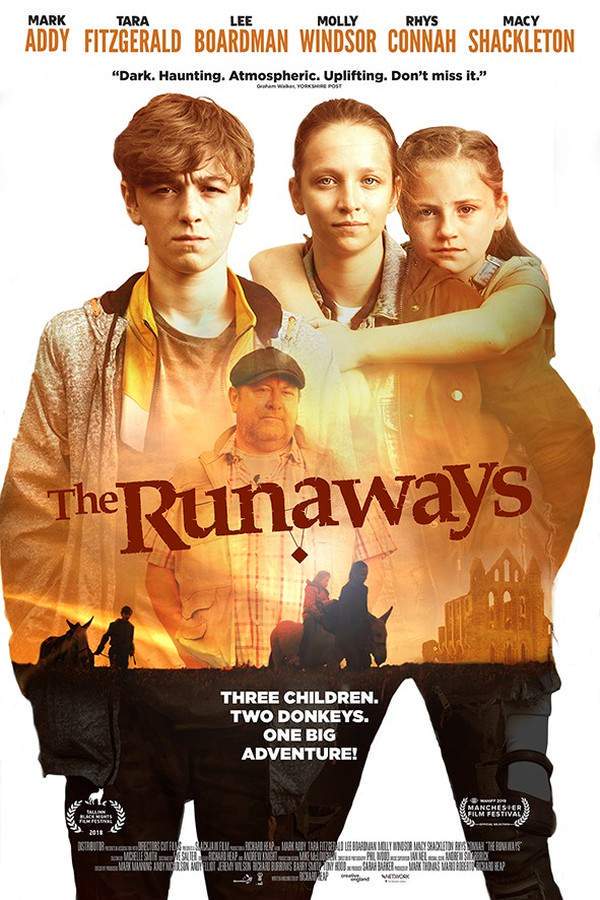
Movies about escaping fame like Catch Us If You Can

Famous figures seek a temporary refuge from the pressures of the spotlight. For viewers who liked the theme of fleeing celebrity in Catch Us If You Can, this section highlights similar films. Discover stories about famous actors, musicians, or models who seek a temporary normal life, exploring the loneliness and yearning that accompanies stardom.

  • wistful
  • melancholic
  • yearning
  • disillusioned
  • lonely
  • reflective
  • Tone: bittersweet, wistful, melancholic
  • Pacing: steady, reflective
Why these movies?

The story pattern: The plot revolves around a famous individual who orchestrates a getaway from their professional life, often with an ordinary person as a guide. The journey is one of self-discovery and simplified living, but is frequently cut short by the inescapable nature of their fame, leading to a poignant conclusion.

Why they belong together: These films share a central theme of fame as a gilded cage. They are united by a melancholic or wistful mood, a focus on the search for genuine connection, and the inevitable clash between personal authenticity and public expectation.

If you liked this

Movies Like Catch Us If You Can

Similar movies to Catch Us If You Can: the same genre, themes or kind of story. Each one comes with its own plot summary, timeline and ending explained.

Browse all movie summaries

Every angle

Catch Us If You Can (1965) Explained: Plot, Timeline & Characters

Everything about Catch Us If You Can in one place: what happens in the plot summary, the timeline in chronological order, the characters and meaning and a spoiler-free summary. What's After the Movie adds the cast, box office and post-credit scenes.

Coming soon on iOS and Android

The Plot Explained Movie Summary App

Plot summaries, endings explained and timelines on your phone. Catch up on any movie in minutes, save your favorites and never miss a twist again.

Be the first to know when we launch. Your email stays private, always.

Learn more about the app