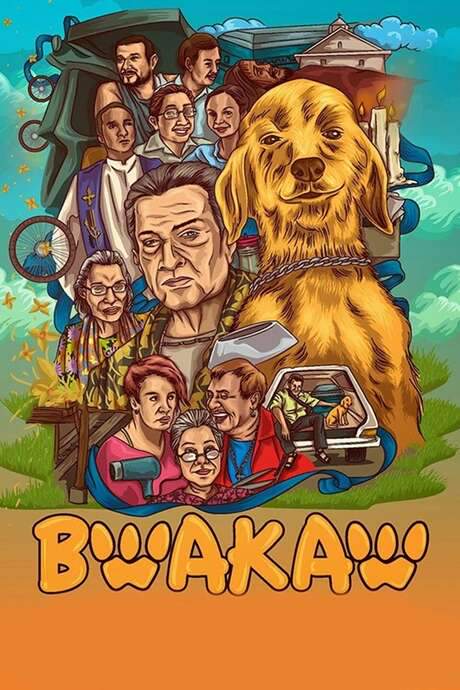
Bwakaw
Year: 2012
Runtime: 104 mins
Language: Tagalog
Director: Jun Robles Lana
In life, you only need one true friend. Gruff retiree Rene rejects most human contact, but begins to soften once he comes to terms with his homosexuality.
Warning: spoilers below!
Haven’t seen Bwakaw yet? This summary contains major spoilers. Bookmark the page, watch the movie, and come back for the full breakdown. If you're ready, scroll on and relive the story!
Bwakaw (2012) – Full Plot Summary & Ending Explained
Read the complete plot breakdown of Bwakaw (2012), including all key story events, major twists, and the ending explained in detail. Discover what really happened—and what it all means.
Bwakaw is a drama-comedy about the quiet, sometimes painful process of growing old and confronting the fear of ending life in solitude. At the center is Rene, a gay man who comes out at the age of 70. Eddie Garcia portrays Rene, who, in his twilight years, believes it might be too late for love or companionship and even fears that death may be his only future. He has already prepared a will, leaving his few belongings to a small circle of friends, and he has prepaid for a coffin during a funeral home Summer Sale. His world is orderly, reserved, and increasingly solitary, with his only everyday companion being Bwakaw, a stray dog that trails him from place to place.
Because Rene has long prepared for death, the arrival of Bwakaw’s illness jolts him into uncharted territory. The dog’s cancer becomes a turning point that reveals how deeply Rene cares for this loyal companion, and it awakens a tenderness he did not expect to feel again. The bond with Bwakaw shifts Rene’s outlook from one of quiet resignation to something warmer and more alive. In the midst of this emotional pivot, Rene meets Sol, a friendly tricycle driver who offers practical help in getting Bwakaw to the veterinarian and, more importantly, companionship that Rene has missed for years. The two men form an unlikely friendship, and Sol’s presence gradually nudges Rene toward a different rhythm of living.
As Sol’s friendship grows, Rene dares to rediscover small joys that had long faded into memory. He experiments with changes as simple as dyeing his hair to look younger, and he begins to notice the ordinary pleasures of daily life—moments that feel almost transformative after so much time spent waiting. The shift is gentle but undeniable: Rene starts to engage with life again, no longer waiting for a grand gesture or a dramatic turning point, but embracing the everyday possibilities that friendship and care bring.
Yet the path forward is not without tension. When Rene confesses his feelings for Sol, the revelation catches Sol off guard and triggers a painful reaction. Sol’s anger and rejection threaten to derail Rene’s fragile progress, introducing a real strain into this budding relationship. Throughout this emotional strain, Bwakaw’s health continues to deteriorate, grounding the story in a sense of incremental loss. The dog’s mortality becomes a catalyst for Rene to reevaluate what truly matters, not only in terms of companionship but in the way he chooses to live his remaining years.
The film culminates in a poignant moment of truth. Bwakaw dies, and the neighbors help Rene lay the loyal dog to rest, a scene that is tender and unglamorous in its honesty. In the wake of loss, Rene experiences a surprising clarity about life’s value. The devastation of losing his dog acts as a reminder that life is still worth embracing. With this renewed sense of purpose, Rene begins to dismantle some of the old, rigid plans he had clung to—unpacking the possessions he had earmarked for others and deciding to make his home a brighter, more welcoming space for whatever days still lie ahead.
Ultimately, Bwakaw is a quiet meditation on aging, friendship, and the ways love can arrive in unexpected forms. It shows that even when fear and loneliness loom large, opening up to connection can rekindle a sense of vitality. Rene’s journey—from a man who suspected that the best years were behind him to someone who chooses to live more fully in the present—offers a humane, hopeful portrait of aging with dignity, humor, and heart. The film leaves viewers with a gentle reminder: while life can be fragile, choosing to engage with others and the world around us can reveal unforeseen joys and meaning, even in the twilight years.
Last Updated: October 01, 2025 at 10:21

Explore Movie Threads
Discover curated groups of movies connected by mood, themes, and story style. Browse collections built around emotion, atmosphere, and narrative focus to easily find films that match what you feel like watching right now.
Movies about late-life awakenings like Bwakaw
Quiet stories of personal growth and new beginnings found in the twilight years.If you liked the gentle, character-driven story of Bwakaw, this thread features other movies about older individuals finding new meaning and connection later in life. These similar dramas and comedies explore themes of aging, self-acceptance, and the bittersweet joy of personal growth.
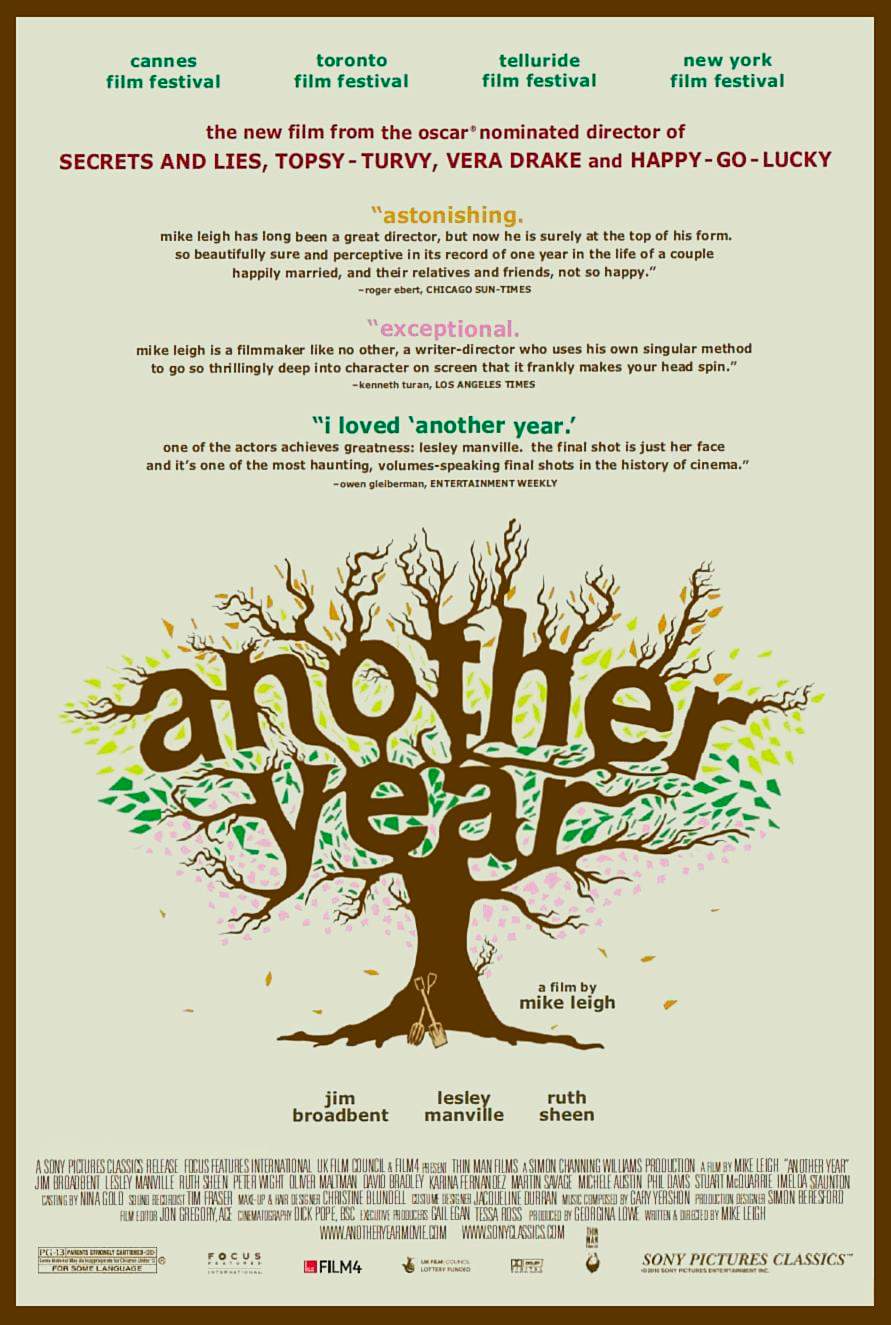
Another Year
2010
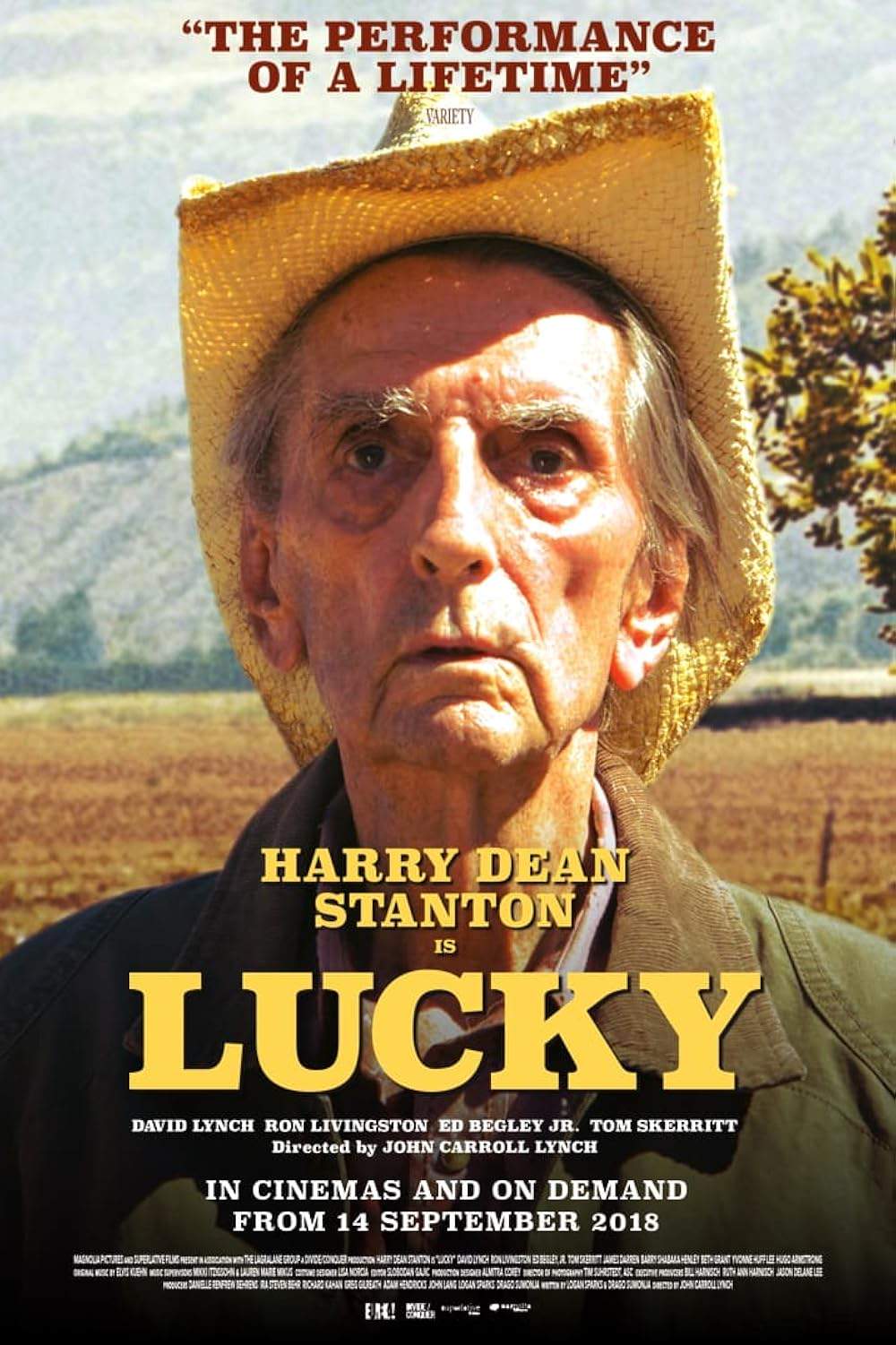
Lucky
2017

I'll See You in My Dreams
2015

All Together
2012
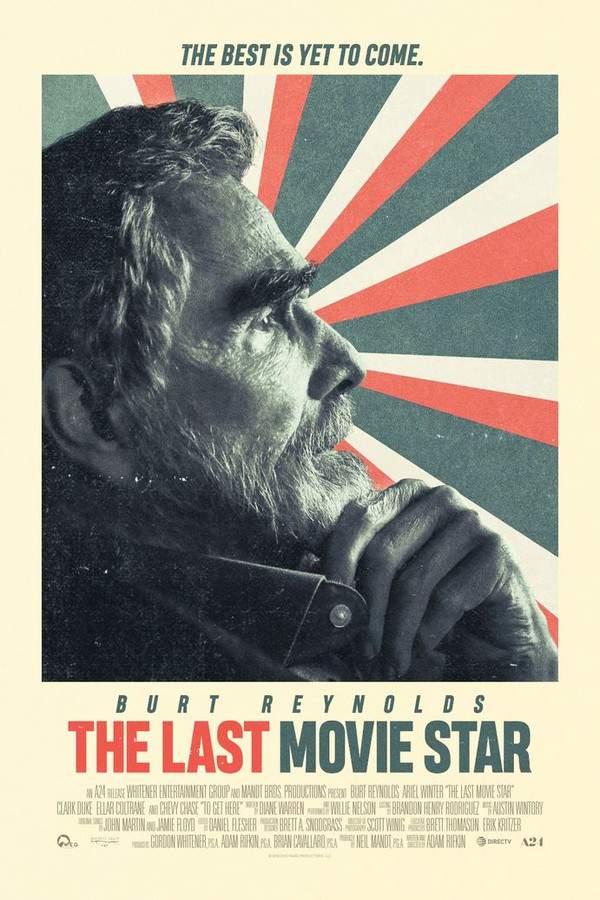
The Last Movie Star
2018

A Simple Life
2012

Mrs Palfrey at The Claremont
2005
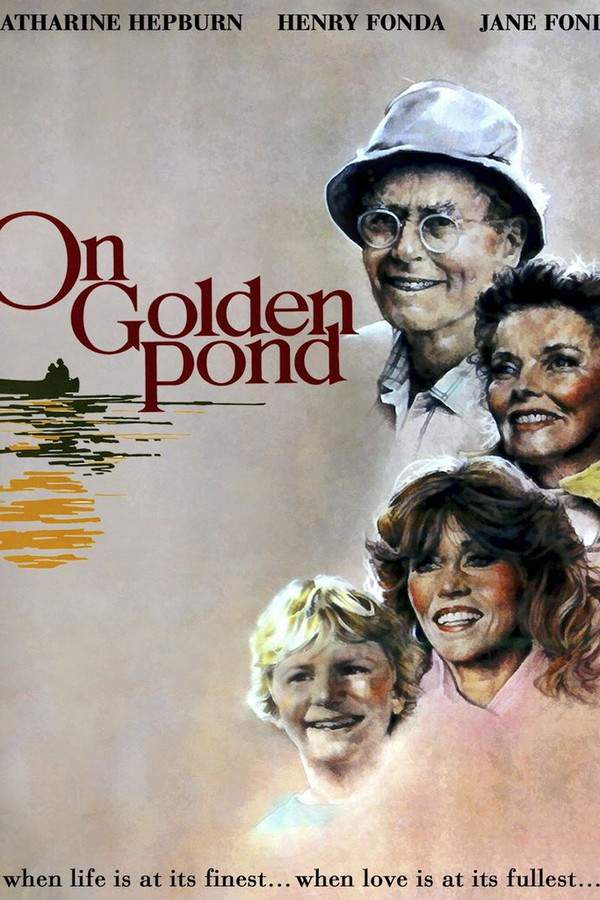
On Golden Pond
1981
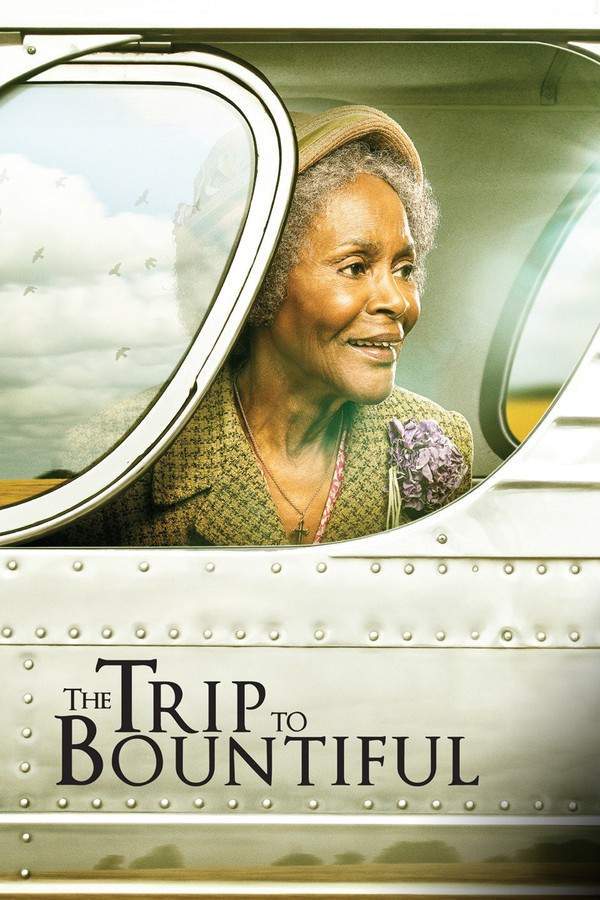
The Trip to Bountiful
1986
Bwakaw
2012

The Trip to Bountiful
2014

Happiness
2016

Bernard and Doris
2006

Late Autumn
1960

Roommates
1994
Narrative Summary
Stories in this thread typically follow a linear character arc where an elderly protagonist, often isolated or set in their ways, experiences a catalyst—a new friendship, a long-suppressed truth, or a simple change in perspective—that leads them to a more open and engaged life, even amidst inevitable losses.
Why These Movies?
These films are grouped by their shared focus on the emotional landscape of aging: a melancholic yet hopeful tone, a slow and reflective pacing that suits character study, and a central narrative of finding light and connection in the later chapters of life.
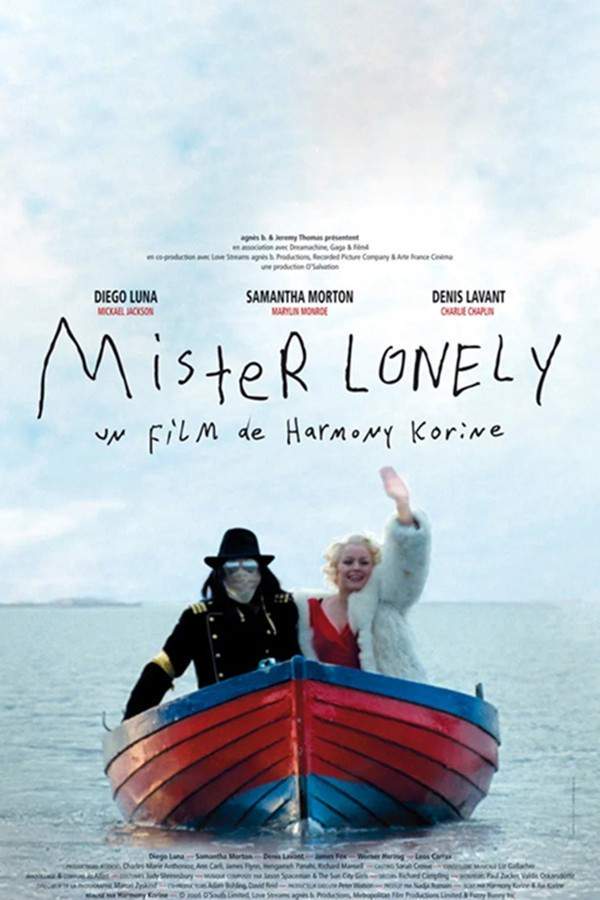
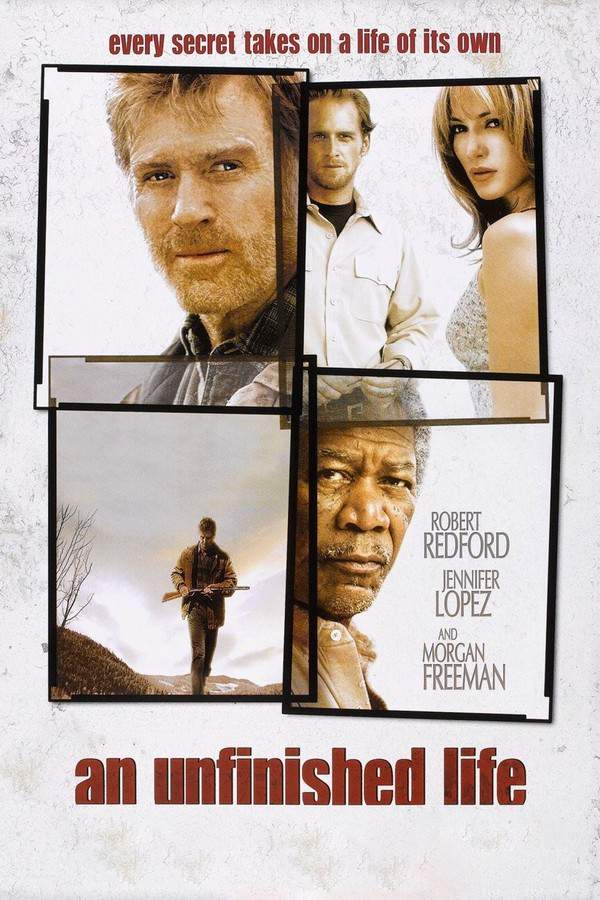
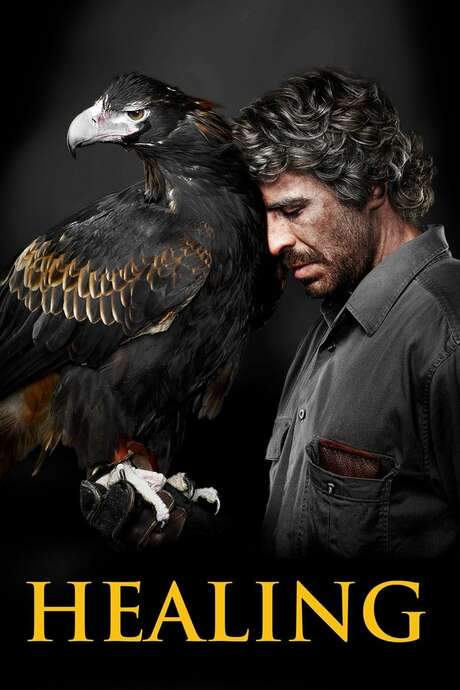
Movies with healing human-animal bonds like Bwakaw
Stories where a connection with an animal helps a lonely person heal and reconnect.For viewers who appreciated the heartfelt connection between Rene and his dog in Bwakaw, this thread highlights other films where an animal friendship is central to the story. These similar movies often explore themes of loneliness, grief, and the quiet, restorative power of non-judgmental companionship.
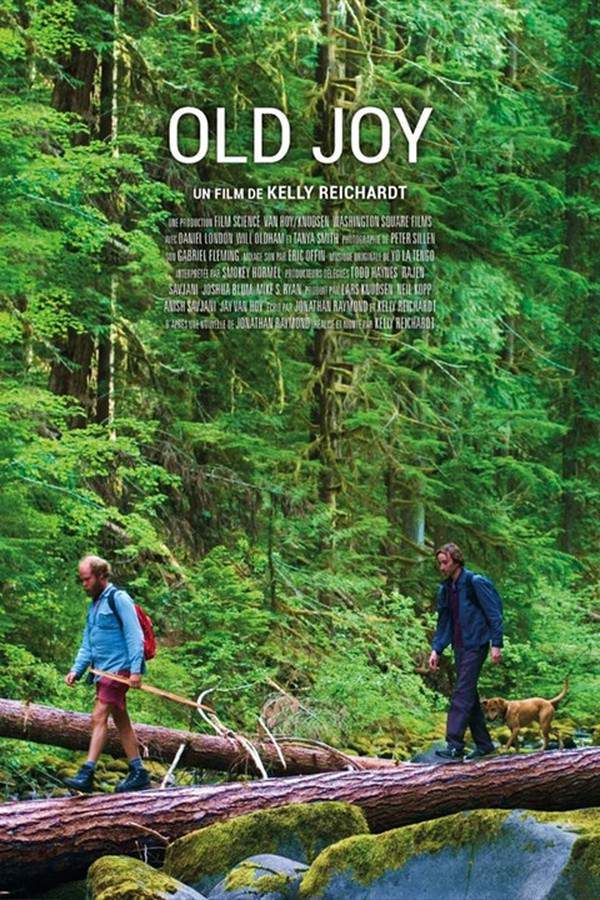
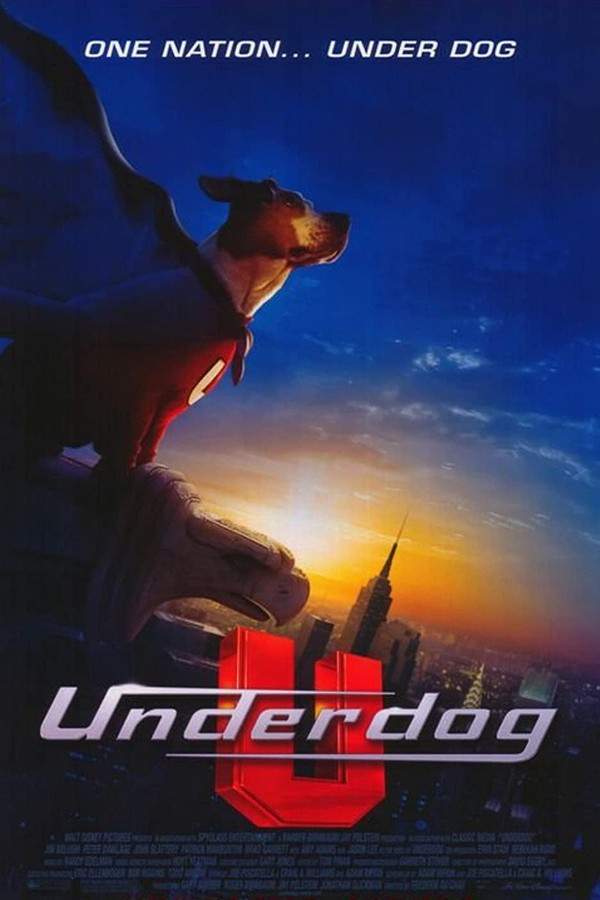







Narrative Summary
The narrative pattern involves an isolated individual, often grappling with grief or loneliness, whose life is gently disrupted and ultimately enriched by the unconditional love of an animal. This bond serves as a bridge, leading the character toward human connection and emotional healing, though the journey may involve heartache.
Why These Movies?
These films share a specific emotional core: the exploration of loneliness alleviated by a pure, non-verbal bond. They typically feature a gentle, tender mood, a medium emotional weight that deals with real pain but offers comfort, and a narrative that values quiet moments of connection over complex plotting.
Unlock the Full Story of Bwakaw
Don't stop at just watching — explore Bwakaw in full detail. From the complete plot summary and scene-by-scene timeline to character breakdowns, thematic analysis, and a deep dive into the ending — every page helps you truly understand what Bwakaw is all about. Plus, discover what's next after the movie.
Bwakaw Timeline
Track the full timeline of Bwakaw with every major event arranged chronologically. Perfect for decoding non-linear storytelling, flashbacks, or parallel narratives with a clear scene-by-scene breakdown.

Characters, Settings & Themes in Bwakaw
Discover the characters, locations, and core themes that shape Bwakaw. Get insights into symbolic elements, setting significance, and deeper narrative meaning — ideal for thematic analysis and movie breakdowns.