Plot Explained Spoilers guaranteed!
Plot Explained

Browse by genre

Brave Story (2006) movie poster

Characters & Themes

Brave Story (2006) Characters, Setting & Themes Explained

Release, runtime and language
2006 · 112 mins · Japanese
Loading streaming availability…
Directed by
Mahiro Maeda, Koichi Chigira
Starring
Michael Sorich, Takako Matsu, Liam O'Brien, Kirk Thornton, Stephanie Sheh, Cindy Robinson

Junior high student Wataru and his friends explore an abandoned building looking for ghosts. Their curiosity brings them to the mysterious Mitsuru, who reveals a magical door to another world where the Goddess of Fortune can grant a single wish. After a family tragedy, Wataru decides to pass through the portal, hoping to change his fate.

On this page (8)
  1. 1 Where to watch
  2. 2 Characters explained (3)
  3. 3 Where & when it takes place
  4. 4 Themes & meaning (3)
  5. 5 Character & meaning questions
  6. 6 Movie threads
  7. 7 Movies like Brave Story
  8. 8 Every angle
Loading streaming availability…

3 main characters · contains spoilers

Brave Story Characters Explained: Who Is Who

The main characters of Brave Story (2006), heroes and villains: what drives them, how they change over the course of the story and what each of them reveals about the film's bigger ideas.

  • Wataru Mitani

    Wataru is a quiet, unassuming fifth grader whose life is turned upside down by his parents' impending divorce. His journey reveals his inner strength as he confronts personal challenges and seeks to change his fate in the magical realm of Vision.

    • 👦 Child
    • 🌟 Hero
  • Mitsuru Ashikawa

    played by Eiji Wentz

    Mitsuru is a new student at Wataru's school who plays a pivotal role in motivating Wataru to embrace his adventure. He acts as a catalyst for change, urging Wataru to focus on the portal and his potential to alter his future.

    • 👦 Friend
    • 🚀 Catalyst
  • Wayfinder

    The Wayfinder is an enigmatic figure in Vision who guides Wataru on his quest. His wisdom and mystical presence help Wataru understand his mission to collect gemstones, symbolizing the quest for knowledge and self-discovery.

    • 🧙 Mentor
    • 🌌 Guide

Last updated: October 03, 2026 at 13:59

Was this helpful?

Setting

Where and When Does Brave Story Take Place?

The setting of Brave Story (2006): the year and time period, the places and locations, and how they shape the characters, the mood and the tension of the story.

Time period

The events of the movie unfold in contemporary times, as Wataru navigates modern-day issues such as family strife and personal growth. The portal to Vision opens only once every ten years, adding a sense of urgency to Wataru's adventures.

Location

Japan, Vision

The movie is primarily set in Japan, which serves as the real-world backdrop for Wataru's life and challenges. The second significant setting, Vision, is a fantastical realm accessed through a portal, characterized by mystical elements where Wataru embarks on a quest to change his fate.

  • 🏙️ City
  • 🌌 Fantasy

Last updated: October 03, 2026 at 13:59

Was this helpful?

3 major themes

Brave Story Meaning: Themes & Message Explained

What is Brave Story (2006) really about? The emotional, social and philosophical themes the film keeps returning to, its symbolism and the message beneath the surface.

  • Destiny

    The theme of destiny is central to Wataru's journey as he seeks to alter his predetermined path. Through his adventures in Vision, he learns that destiny can be shaped by bravery and choices, emphasizing the power of personal agency in the face of adversity.

  • Family

    Family dynamics play a crucial role, particularly Wataru's experiences with his parents' divorce. This emotional turmoil drives his desire to escape reality and find a new beginning, highlighting the impact of familial relationships on personal identity.

  • Bravery

    Bravery is depicted through Wataru's venture into Vision and his quest to collect gemstones. Each challenge he faces requires courage, reflecting his growth from a timid child into someone who confronts his fears and seeks change.

Last updated: October 03, 2026 at 13:59

Was this helpful?

Character & theme questions

Brave Story Characters & Meaning: Your Questions Answered

The questions people ask about Brave Story (2006): who the characters really are, their relationships, what the symbols mean, where it takes place and what the movie is really about. Each answer contains spoilers.

Q1

What is the central theme of the story?

At its core, Brave Story is about whether destiny can be changed through personal choice and bravery. Wataru enters Vision wanting to undo his painful family situation, but the journey teaches him that real change comes from confronting fears rather than simply wishing for a different outcome.

  • destiny
  • fate
  • bravery
  • choice
  • personal growth
Q2

What is the world of Vision?

Vision is a mystical fantasy realm hidden behind a magical door that appears inside an abandoned building. Within Vision, the Goddess of Fortune has the power to grant a single wish to whoever reaches her, which is why travelers like Wataru are drawn there to attempt the quest.

  • vision
  • fantasy world
  • portal
  • goddess of fortune
Q3

Who is Wataru Mitani?

Wataru Mitani is the protagonist of Brave Story, a quiet fifth grader whose world falls apart when his parents separate. He begins the film as a timid, withdrawn child, and his journey through Vision pushes him toward a stronger, more self-aware version of himself.

  • wataru
  • protagonist
  • fifth grader
  • family
  • growth
Q4

Where is Wataru's story set?

Brave Story unfolds across two very different worlds. Wataru's real life takes place in Japan, where he attends school and deals with his parents' divorce. The second setting is Vision, a fantastical realm accessed through a magical door, where Wataru goes in search of a way to change his fate.

  • japan
  • vision
  • setting
  • real world
  • portal
Q5

Why does Wataru want to change his fate?

Wataru wants to change his fate because his family has fallen apart, his parents are divorcing, his father has left, and a serious crisis involving his mother leaves him feeling helpless. The wish-granting portal represents what he believes is his only chance to undo what has happened and restore his old life.

  • wataru
  • wish
  • fate
  • family crisis
  • motivation
Q6

How does Wataru's family situation affect his journey?

Wataru's home life collapses early in the film as his parents divorce and his father leaves the family. This emotional rupture, combined with a serious crisis involving his mother, becomes the emotional engine behind his decision to seek out the portal and try to rewrite his fate.

  • family
  • divorce
  • parents
  • motivation
  • wataru
Q7

What is the five-gemstone quest?

In Brave Story, Wataru must collect five gemstones before he can reach the Goddess of Fortune and make his wish. Each gemstone represents a different virtue such as charity, faith, and grace, and earning them requires Wataru to grow in those qualities throughout his time in Vision.

  • gemstones
  • quest
  • goddess of fortune
  • wish
  • virtues
Q8

What does bravery mean in this film?

In Brave Story, bravery is not about fighting monsters, it is about a child facing painful family truths he would rather avoid. Each step of Wataru's quest in Vision forces him to grow, and the five gemstones he collects represent qualities like charity, faith, and grace that define real courage.

  • bravery
  • courage
  • growth
  • fear
  • gemstones
Q9

Who is the Wayfinder in Vision?

The Wayfinder is an enigmatic figure who greets Wataru once he crosses into Vision. He serves as the quest's guide, explaining the rules of the five-gemstone journey and offering philosophical guidance that helps the protagonist understand what he is really searching for.

  • wayfinder
  • guide
  • vision
  • quest
  • wisdom
Q10

What role does Mitsuru play in the story?

Mitsuru Ashikawa is a new student who shows Wataru and his friends the magical door inside the abandoned building. He acts as a catalyst for the whole adventure, pushing Wataru to take the quest seriously and use the portal's opening to try to change his future.

  • mitsuru
  • new student
  • portal
  • catalyst
  • motivation
Q11

What is the overall tone of the film?

Brave Story has a heavy, bittersweet tone because it pairs real childhood trauma with a hopeful fantasy adventure. Distressing family scenes alternate with moments of wonder inside Vision, so the film stays emotionally intense without ever becoming purely grim or purely lighthearted.

  • tone
  • bittersweet
  • emotional
  • trauma
  • adventure
Q12

When does the portal to Vision open?

The door to Vision only opens once every ten years, which adds heavy urgency to the quest. Anyone hoping to reach the Goddess of Fortune has to time their journey carefully, because missing the opening means waiting another decade for another chance.

  • portal
  • vision
  • ten years
  • time limit
  • quest

Movie threads

More Movies Like Brave Story, by Mood & Story

Curated lists built around what makes Brave Story tick: the same mood, the same kind of story or the same emotional payoff. Each list explains why these movies belong together.

Magical escapes from childhood grief like in Brave Story

When real life hurts too much, a young heart slips through a portal to heal. Movies like Brave Story where young heroes escape devastating family trauma through a fantastical journey. If you liked Brave Story's blend of heavy real-world sorrow and dreamlike adventure, these animated and live action films pair quiet heartbreak with symbolic fantasy worlds, offering bittersweet comfort instead of easy answers.

  • melancholic
  • grief-stricken
  • dreamlike
  • bittersweet
  • earnest
  • symbolic
  • Tone: bittersweet, melancholic
  • Pacing: variable, reflective then adventurous
Why these movies?

The story pattern: A child weighed down by something no child should carry—divorce, a parent's illness, the silence left by abandonment—finds a threshold into another realm. The magical world operates as an emotional mirror, staging the same feelings the child cannot yet name: loss, anger, longing, and hope. A quest unfolds, often structured around symbolic objects or trials, but its true purpose is internal. By the end, the child has not erased their pain, but has grown large enough to live alongside it and return home changed.

Why they belong together: These films share a specific emotional architecture: heavy domestic trauma introduced early, a shift into a strange or magical realm, and a return shaped by hard-won maturity. The pacing breathes between quiet, sorrowful beats and more active adventure. The visual register tends toward the dreamlike and symbolic, and the endings almost always trade simple resolution for bittersweet growth. They are films for viewers who want fantasy that takes childhood seriously.
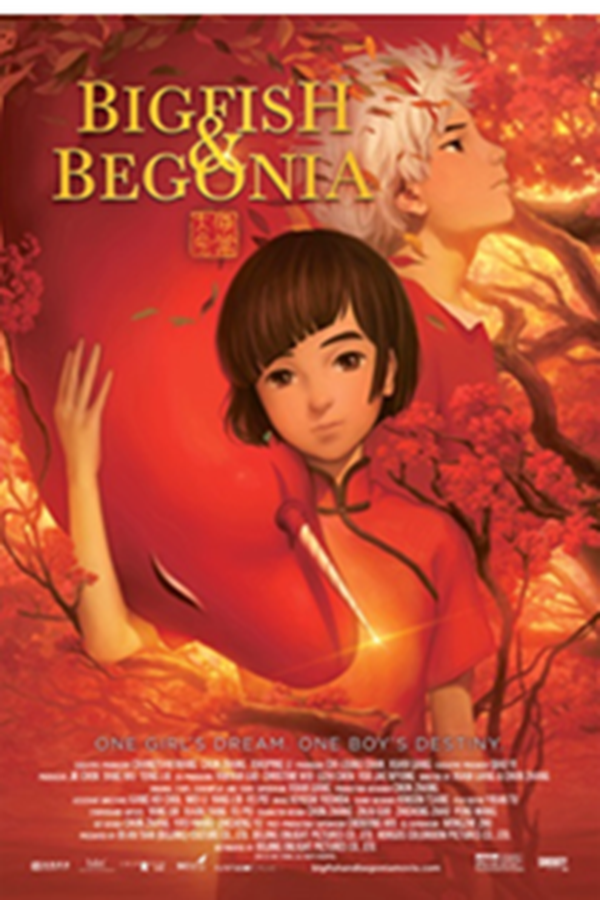
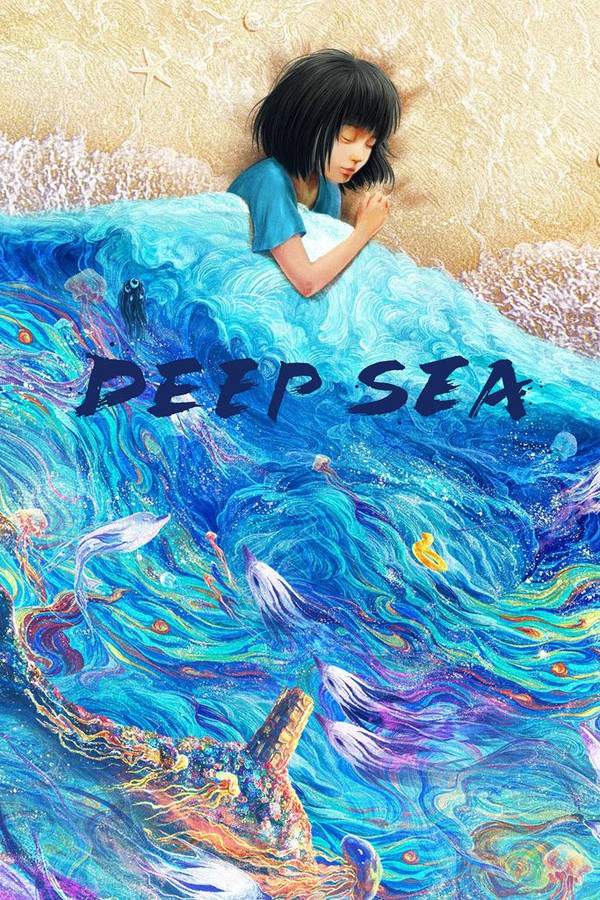
Isekai quests of self-discovery like in Brave Story

Crossing the threshold to find a wish granted, only to discover the wish was never the point. Movies like Brave Story built around a portal to a fantasy realm and a symbolic quest that reshapes the hero from the inside. If you liked Brave Story's five-gemstone journey and bittersweet isekai structure, these animated and fantasy films trade wish fulfillment for hard personal growth, with strange worlds that double as emotional tests.

  • adventurous
  • fantastical
  • symbolic quest
  • earnest
  • wistful
  • transformative
  • Tone: bittersweet, earnest, adventurous
  • Pacing: variable, quest-driven with reflective pauses
Why these movies?

The story pattern: A protagonist with a burning, often selfish or desperate wish steps through a portal into a vividly imagined other world. There, a mentor or guide reveals a structured mission—collecting relics, completing trials, or learning virtues—that seems to serve the original wish. As the quest progresses, the hero is forced to confront their own flaws, attachments, and assumptions. The other world's rules gently resist easy solutions. The climax usually forces a choice between the wish as first imagined and a more mature understanding of what the hero actually needs, and the ending is rarely a clean magical victory.

Why they belong together: These stories share the classic isekai structure but skew literary and emotionally grounded rather than power-fantasy. They tend to favor symbolic collectibles, named trials, and quiet mentors over combat spectacle, and they consistently end on a bittersweet note where the hero is changed more than their circumstances. Pacing alternates between contemplative worldbuilding and bursts of quest momentum, and the emotional register stays earnest and a little mournful. They appeal to viewers who want fantasy quests that feel like inner journeys wearing a magical skin.

If you liked this

Movies Like Brave Story

Similar movies to Brave Story: the same genre, themes or kind of story. Each one comes with its own plot summary, timeline and ending explained.

Browse all movie summaries

Every angle

Brave Story (2006) Explained: Plot, Timeline & Characters

Everything about Brave Story in one place: what happens in the plot summary, the timeline in chronological order, the characters and meaning and a spoiler-free summary. What's After the Movie adds the cast, box office and post-credit scenes.

Coming soon on iOS and Android

The Plot Explained Movie Summary App

Plot summaries, endings explained and timelines on your phone. Catch up on any movie in minutes, save your favorites and never miss a twist again.

Be the first to know when we launch. Your email stays private, always.

Learn more about the app