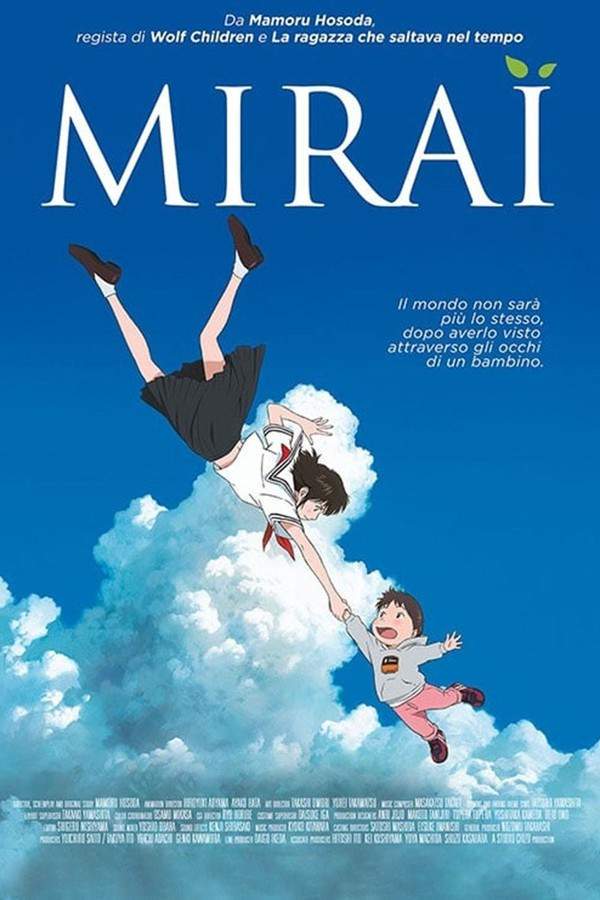
A young boy named Kun struggles to adjust to the arrival of his baby sister, Mirai. He retreats into a fantastical family tree that transports him through time, allowing him to meet his relatives at various stages of their lives. He encounters his mother as a young girl and his sister as a teenager, gaining a new perspective on their experiences and the importance of family connections. Through these adventures, Kun learns valuable lessons about empathy, patience, and his own place within his family's history.
Warning: spoilers below!
Haven’t seen Mirai yet? This summary contains major spoilers. Bookmark the page, watch the movie, and come back for the full breakdown. If you're ready, scroll on and relive the story!
Read the complete plot breakdown of Mirai (2018), including all key story events, major twists, and the ending explained in detail. Discover what really happened—and what it all means.
Kun, a spirited 4-year-old boy, is the cherished son of an executive mother and an architect father. They reside in a unique stepped house located in Kanazawa-ku, Yokohama, designed by Kun’s father around a grand tree. Kun enjoys delightful days filled with play alongside his pet dog, Yukko, and immersing himself in his colorful toy train sets. However, the arrival of his baby sister, Mirai, whose name translates to “future,” brings about a shift in dynamics. Initially, Kun welcomes her, but as time progresses, jealousy takes root as all the parental attention shifts to the newborn, leaving him to act out, particularly as his father, now working remotely, becomes preoccupied with his job.
One day, after a particular outburst, Kun retreats to the garden and encounters a peculiar man who claims to be the “prince” of the house. This man lamenting about losing everyone’s focus upon Kun’s arrival soon reveals himself to be none other than Yukko transformed into a human. Kun, intrigued and playful, finds a tail resembling Yukko’s on this stranger. Upon placing it on himself, a magical transformation occurs, turning him into a dog.
During Hinamatsuri (Girls Day), the family partakes in a special tradition by displaying traditional dolls to wish for Mirai’s happiness. However, as days pass and the dolls remain up post-holiday due to his father’s oversight, Kun’s frustration boils over again, leading him back to the garden. This time, he encounters a teenage girl who identifies herself as Mirai from the future. Kun recognizes her by a distinct birthmark on her hand. She reveals that her presence in the past is urgent; for every day the dolls linger, a year is added before she can wed. With the help of Future Mirai and the anthropomorphized Yukko, Kun assists in putting the dolls away.
In the garden once more, Kun’s journey transcends time as he is whisked back to snapshots of the past. He encounters a young version of his mother, who is grappling with her own childhood frustrations. Recognizing her from family photos, Kun sympathizes with her struggles, especially when he witnesses her messages to her grandmother regarding a desired pet cat. Although Kun returns to his own time with newfound understanding of his mother, his complaints persist.
One day, Kun leaves a note asking for a bicycle and is overjoyed when he receives one with training wheels. However, yearning to ride like the older kids, he struggles to maintain balance. His quest for mastery takes him back to the magical garden, catapulting him into a workshop in rural Japan, where he meets a young man with a wounded leg—his great-grandfather. This encounter culminates in a thrilling ride that instills confidence and knowledge in Kun, allowing him to eventually ride his bike independently. The revelation of his great-grandfather’s identity after returning to the present adds another layer to Kun’s understanding of family history.
As the family plans a day trip, Kun’s irritation re-emerges regarding his clothing. During this escapade into the garden, he discovers a train station, where an older young man warns him against boarding a train. Disregarding the advice, Kun finds himself at Tokyo Station, overwhelmed and lost. A kind attendant offers assistance, but Kun realizes he cannot even recall his parents’ names. The atmosphere intensifies when the attendant mentions a bullet train leading to “Lonely Land,” which symbolizes despair; however, when he spots baby Mirai ready to board the train, he instinctively rescues her, finally acknowledging his role as her older brother.
In a breathtaking turn, Future Mirai arrives to transport Kun home, soaring through the air and landing in the family tree. Here, he witnesses moments from their past—his father’s childhood struggles, Yukko’s choice to become a pet, his mother’s lost fascination with cats, and the impact of World War II on his great-grandfather. He is then confronted with glimpses of the future, where he recognizes the older man at the station as a vision of his future self.
Back in the present, having gained profound insights and empathy, Kun is now ready to join his family on their adventure, embracing the bonds that connect them all.
Last Updated: November 16, 2024 at 15:50
Discover curated groups of movies connected by mood, themes, and story style. Browse collections built around emotion, atmosphere, and narrative focus to easily find films that match what you feel like watching right now.
Gentle stories using time travel and magic to explore the bonds of family.Find movies like Mirai that use gentle magical elements to explore family relationships. These similar films often feature time travel or fantasy settings that help characters understand their relatives, blending heartfelt drama with a sense of wonder for a nostalgic and hopeful viewing experience.
The narrative typically centers on a protagonist, often a child, grappling with a family-related emotional challenge. They are granted access to a magical conduit—a place, object, or guide—that allows them to non-linearly encounter their relatives from different times. Through these encounters, they gain empathy and a new understanding of their family's story, resolving their initial conflict with newfound maturity.
They are grouped by their shared use of low-stakes fantasy to tackle universal family themes. The tone is consistently whimsical and hopeful, the pacing allows for quiet reflection amidst magical escapades, and the emotional core revolves around healing and connection rather than high-stakes conflict.
Stories where a child's imagination and emotions make the world magical.Discover movies similar to Mirai that use a child's perspective to tell magical stories. These films capture the feeling of childhood, where emotions and imagination transform the ordinary world, offering lighthearted adventures with meaningful lessons about growing up and understanding feelings.
The story is driven by the emotional state of a young child. Their feelings, such as jealousy over a new sibling or anxiety about change, are externalized into a fantastical world or series of events. The narrative follows their journey within this magical space as they work through their emotions, leading to personal growth and a happier, more secure outlook by the end.
These movies share a specific mood and perspective. They prioritize a light, playful tone even when dealing with complex emotions, maintain a low intensity suitable for family viewing, and use variable pacing to alternate between the child's mundane reality and their vibrant inner world, creating a uniquely charming and insightful experience.
Don't stop at just watching — explore Mirai in full detail. From the complete plot summary and scene-by-scene timeline to character breakdowns, thematic analysis, and a deep dive into the ending — every page helps you truly understand what Mirai is all about. Plus, discover what's next after the movie.
Track the full timeline of Mirai with every major event arranged chronologically. Perfect for decoding non-linear storytelling, flashbacks, or parallel narratives with a clear scene-by-scene breakdown.
Discover the characters, locations, and core themes that shape Mirai. Get insights into symbolic elements, setting significance, and deeper narrative meaning — ideal for thematic analysis and movie breakdowns.
Get a quick, spoiler-free overview of Mirai that covers the main plot points and key details without revealing any major twists or spoilers. Perfect for those who want to know what to expect before diving in.
Visit What's After the Movie to explore more about Mirai: box office results, cast and crew info, production details, post-credit scenes, and external links — all in one place for movie fans and researchers.
Discover movies like Mirai that share similar genres, themes, and storytelling elements. Whether you’re drawn to the atmosphere, character arcs, or plot structure, these curated recommendations will help you explore more films you’ll love.
Mirai (2018) Scene-by-Scene Movie Timeline
Mirai (2018) Movie Characters, Themes & Settings
Mirai (2018) Spoiler-Free Summary & Key Flow
Movies Like Mirai – Similar Titles You’ll Enjoy
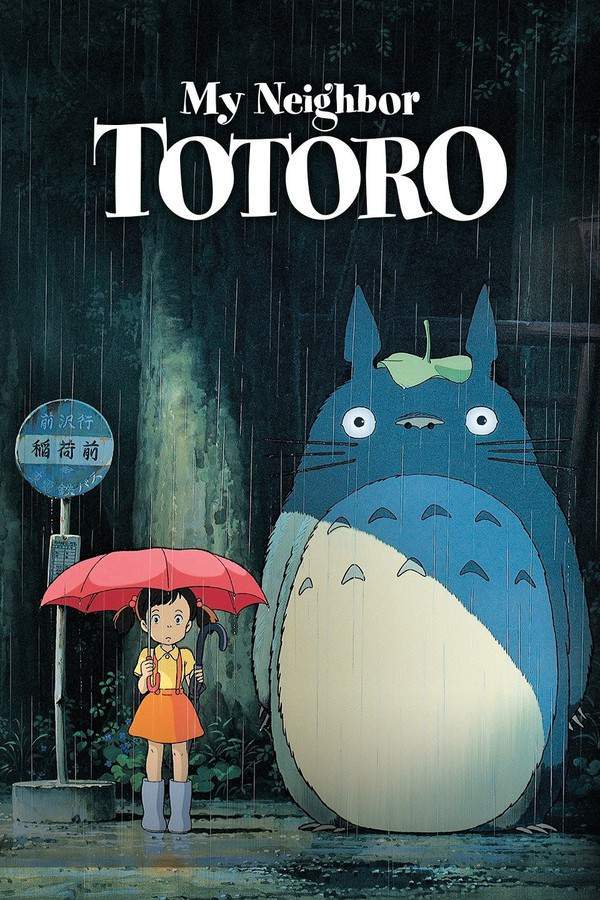
My Neighbor Totoro (1988) Full Movie Breakdown
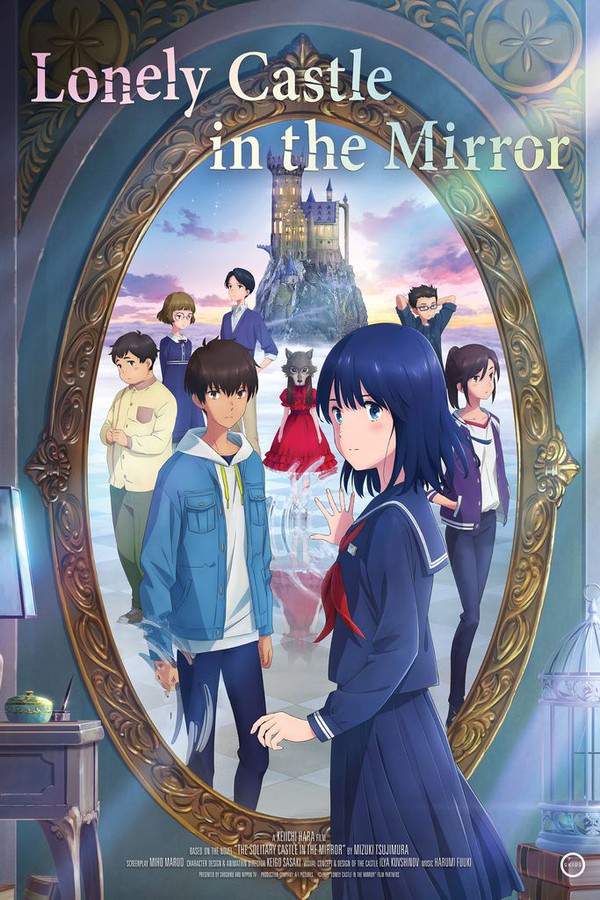
Lonely Castle in the Mirror (2023) Story Summary & Characters
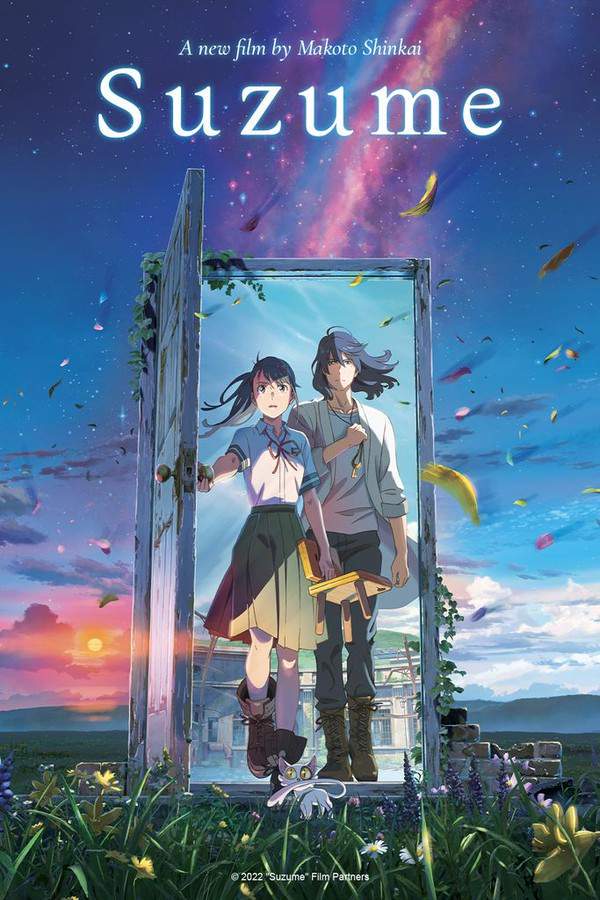
Suzume (2023) Story Summary & Characters
Maquia: When the Promised Flower Blooms (2018) Spoiler-Packed Plot Recap
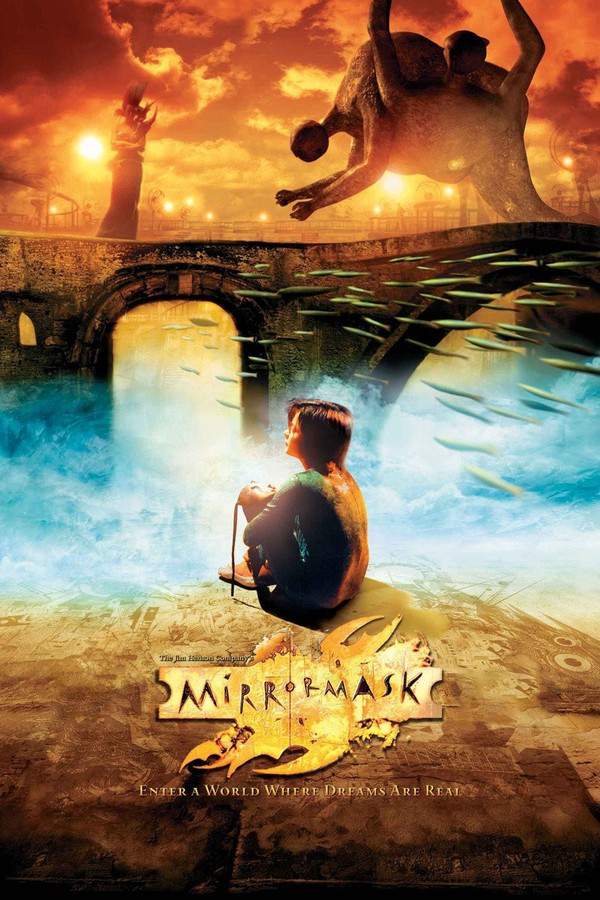
MirrorMask (2005) Full Summary & Key Details
Mirage (2013) Story Summary & Characters
Namiya (2017) Full Summary & Key Details
Children of the Sea (2019) Ending Explained & Film Insights
Magical Princess Minky Momo (1000) Spoiler-Packed Plot Recap
Child of Kamiari Month (2021) Movie Recap & Themes
Mirakel (1000) Movie Recap & Themes
Miraculous Brothers (1000) Full Summary & Key Details
Mama is a 4th Grader (1000) Ending Explained & Film Insights
AYAKA (1000) Story Summary & Characters
Magic Boy (1959) Spoiler-Packed Plot Recap