












Plot Explained Spoilers guaranteed!
Plot Explained

Browse by genre

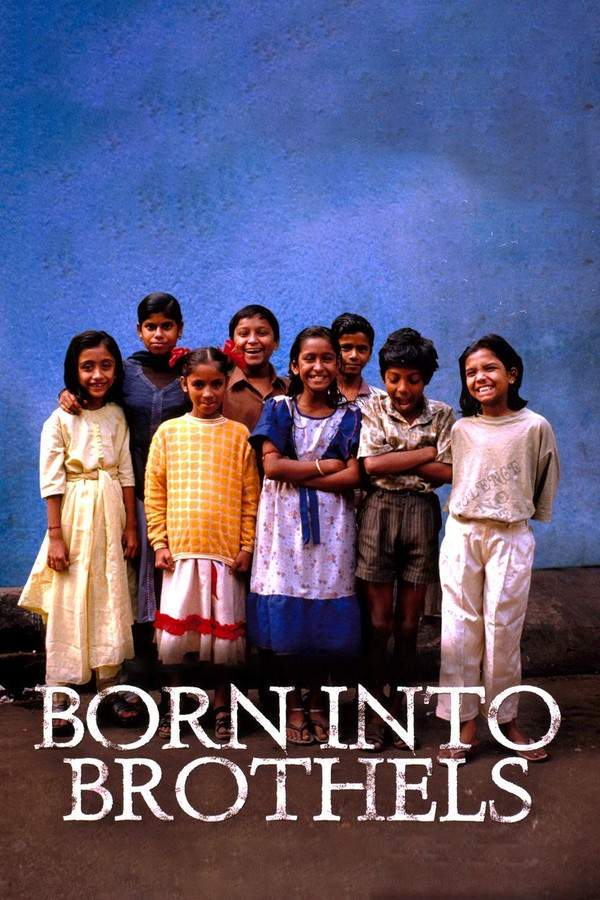
Born Into Brothels: Calcutta's Red Light Kids (2004) movie poster

Timeline

Born Into Brothels: Calcutta's Red Light Kids (2004) Timeline Explained – Every Event in Order

Release, runtime and language
2004 · 85 min · English
JustWatch #24,052 4
Directed by
Ross Kauffman, Zana Briski

Photographer Zana Briski establishes a connection with children living in Calcutta's red-light district, introducing them to the art of photography. Through their lenses, these young individuals document the harsh realities of their lives, revealing a world of poverty and exploitation. The project becomes a powerful tool for them to express themselves, find hope, and ultimately gain a sense of empowerment while portraying a compelling portrait of resilience and beauty within their challenging environment.

On this page (6)
  1. 1 Where to watch
  2. 2 Events in order (13)
  3. 3 Timeline questions answered
  4. 4 Movie threads
  5. 5 Movies like Born Into Brothels: Calcutta's Red Light Kids
  6. 6 Every angle

Where to watch

Where to Watch Born Into Brothels: Calcutta's Red Light Kids (2004)

Where can you watch Born Into Brothels: Calcutta's Red Light Kids? Stream, rent or buy it in the US, including on fuboTV, Hoopla and Plex: current JustWatch availability with up-to-date prices.

Streaming availability powered by JustWatch

13 events in order · contains spoilers

Born Into Brothels: Calcutta's Red Light Kids Timeline: Events in Chronological Order

Every key event of Born Into Brothels: Calcutta's Red Light Kids (2004) in order, scene by scene, with when and where it takes place. Use it to untangle flashbacks, time jumps and parallel storylines, to refresh your memory before the sequel or to find the exact scene you are thinking of.

  1. Zana's Arrival in Calcutta

    Documentary filmmaker Zana Briski arrives in the Red Light District of Calcutta with the intention of documenting the lives of sex workers. She quickly realizes that her initial goal will be challenging to achieve due to the limitations and sensitivities surrounding the subject.

    Where
    Calcutta, India
  2. Immersion in the Community

    Undeterred by the challenges, Zana immerses herself in the lives of the community, forming relationships with the children of the sex workers. This deep connection helps her understand their struggles and aspirations.

    Where
    Calcutta, India
  3. Becoming 'Zana Auntie'

    As she spends time with the children, Zana earns their trust and affection, becoming known as 'Zana Auntie'. This informal title symbolizes her growing bond with the children, illustrating how she becomes a pivotal figure in their lives.

    Where
    Calcutta, India
  4. Teaching Photography

    Zana initiates a project to teach the children photography, believing it can offer them a new perspective on their lives. She provides each child with a camera, enabling them to capture moments of their environment that have been largely overlooked.

    Where
    Calcutta, India
  5. The Children's Perspectives

    With their newfound skills, the children begin to document their daily lives and surroundings. The photographs reveal a unique sensitivity and depth, showing aspects of the Red Light District that are invisible to outsiders.

    Where
    Calcutta, India
  6. Showcase in New York City

    Zana organizes a prestigious exhibition in New York City to showcase the children's work. This event not only portrays their artistry but also highlights their stories, bringing awareness to their difficult circumstances and fostering hope for change.

    Where
    New York City, USA
  7. Local Exhibition in Calcutta

    Back in Calcutta, Zana sets up a second exhibition at a local bookstore. This allows the children to see the impact of their work and to connect with the local community, amplifying their sense of agency and hope.

    Where
    Calcutta, India
  8. Avijit's Talent Emerges

    Among the children, Avijit stands out with remarkable photographic talent. His skills earn him the opportunity to represent India at a global photography convention in Amsterdam, marking a significant milestone in his life.

    Where
    Amsterdam, Netherlands
  9. Securing Boarding School Placements

    Motivated by the children's successes, Zana works diligently to secure their placements in boarding schools. This effort is driven by her desire to offer them a pathway away from the brothels and towards a brighter future.

    Where
    Calcutta, India
  10. Challenges of Departure

    Despite Zana's efforts, not all children are able to leave the brothels. Some are forced to return by their guardians, illustrating the harsh realities and systemic challenges that persist, even as new opportunities arise.

    Where
    Calcutta, India
  11. Rising Hope Among the Children

    As the children gain recognition through their art, a sense of hope begins to flourish within them. They start to envision futures beyond the confines of the brothels and aspire for educational and personal growth.

    Where
    Calcutta, India
  12. Personal Transformation

    Zana's journey of working with the children transforms her perspective on their realities. She becomes not only an observer but a catalyst for change, creating a bridge between their current lives and potential futures.

    Where
    Calcutta, India
  13. Impact and Legacy

    The documentary serves as a powerful testament to the resilience of the human spirit. Through her efforts, Zana leaves a lasting legacy that inspires viewers worldwide to advocate for the rights and opportunities of marginalized children.

Last updated: November 08, 2024 at 01:17

Was this helpful?

Timeline questions answered

Born Into Brothels: Calcutta's Red Light Kids Timeline Explained: Your Questions Answered

When does it happen, and why in that order? The questions people ask about the chronology of Born Into Brothels: Calcutta's Red Light Kids (2004): time jumps, flashbacks, cause and effect between scenes and the correct order of events, each answered with spoilers.

Q1

Why was Zana unable to photograph the sex workers directly?

Zana Briski initially intended to document the lives of India's sex workers in Calcutta's Red Light District. However, she faced significant challenges in gaining permission to photograph them directly due to the sensitivities and limitations surrounding the subject matter. This obstacle led her to pivot her approach and focus on connecting with the children of the sex workers instead.

  • zana briski
  • sex workers
  • photography
  • calcutta
  • red light district
  • permission
Q2

How did Zana become known as 'Zana Auntie' to the children?

As Zana spent more time immersed in the Red Light District, she formed deep connections with the children of the sex workers. Her sustained presence, patience, and genuine care earned their trust and affection, leading the children to affectionately call her 'Zana Auntie'. This informal title symbolized the maternal bond she developed with the children over time.

  • zana auntie
  • children
  • trust
  • bond
  • connection
Q3

How did teaching photography empower the children?

By providing each child with a camera and teaching them the fundamentals of photography, Zana gave them a new way to express themselves and view their surroundings. The children captured perspectives of their daily lives that outsiders had never seen, revealing unique sensitivity and depth. This creative outlet provided them with hope, a sense of agency, and a glimpse of possibilities beyond the brothels.

  • photography
  • empowerment
  • self-expression
  • hope
  • art
  • children
Q4

What notable achievement did Avijit accomplish through the photography project?

Avijit emerged as the most talented photographer among the children. His remarkable skill earned him the privilege to represent India at a global photography convention in Amsterdam, marking a significant milestone in his life. This achievement demonstrated how the photography program could create tangible opportunities for these children.

Foreshadowing: Earlier scenes showed Avijit's particular artistic eye and dedication to photography.

  • avijit
  • amsterdam
  • photography convention
  • talent
  • india
  • achievement
Q5

Why weren't all children able to leave the brothels?

Despite Zana's efforts to secure placements in boarding schools for many children, not every child was granted the freedom to leave. Some were compelled to return to the brothels by their guardians, highlighting the persistent systemic challenges. This reality underscored that even as hope emerged through the project, the children faced ongoing constraints imposed by their families and circumstances.

  • boarding schools
  • guardians
  • brothels
  • return
  • systemic challenges
  • family
Q6

What was the purpose of the New York and Calcutta exhibitions?

Zana organized exhibitions to showcase the children's photographs in both New York City and at a local bookstore in Calcutta. The New York exhibition brought international attention to their work, while the local Calcutta exhibition allowed the children to witness firsthand how their creations resonated with others. These events amplified their sense of agency and hope, demonstrating that their voices and perspectives mattered beyond the Red Light District.

  • exhibition
  • new york
  • calcutta
  • recognition
  • audience
  • artwork
Q7

How did the photography project lead to boarding school placements?

As the children's photographic skills developed and their work gained attention through exhibitions, Zana became determined to leverage their success to secure educational opportunities. She worked diligently to place many children in boarding schools, aiming to provide them with a pathway away from the brothels and toward brighter futures. The recognition their work received helped open doors for these educational opportunities.

  • boarding schools
  • education
  • opportunity
  • zana briski
  • future
Q8

What happened to the children who left the brothels for boarding schools?

Many children who secured placements in boarding schools began to nurture a sense of hope regarding their futures beyond the brothel walls. They started to envision lives with educational and personal growth opportunities. However, the documentary acknowledges that systemic challenges remained, and some children were unable to escape this cycle permanently.

  • boarding schools
  • outcomes
  • education
  • hope
  • future
  • children
Q9

Why did Zana decide to work with the children rather than only documenting sex workers?

After facing barriers photographing the sex workers directly, Zana immersed herself in the Red Light District community. Through this immersion, she formed deep connections with the children and recognized an opportunity to make a meaningful impact by offering them tools for self-expression. Her focus shifted to using photography as a means to provide hope and potential pathways to brighter futures for these children.

  • children
  • focus shift
  • documentary
  • zana briski
  • approach
Q10

What was Zana Briski's motivation for starting the photography project?

Zana initially arrived in Calcutta aiming to document the lives of sex workers, but obstacles led her to pivot. Her deeper motivation became providing the children with a glimpse of hope and a chance for brighter futures. She believed photography could offer them a new perspective on their lives and serve as a powerful tool for empowerment and self-expression.

  • motivation
  • hope
  • empowerment
  • photography
  • zana briski
  • project

Movie threads

More Movies Like Born Into Brothels: Calcutta's Red Light Kids, by Mood & Story

Curated lists built around what makes Born Into Brothels: Calcutta's Red Light Kids tick: the same mood, the same kind of story or the same emotional payoff. Each list explains why these movies belong together.

Movies about art as empowerment like Born Into Brothels: Calcutta's Red Light Kids

Stories where creative expression provides light and empowerment in the face of systemic challenges. Explore documentaries and dramas similar to Born Into Brothels, where artistic expression becomes a catalyst for change and hope. If you liked seeing photography empower children in Calcutta, you'll find other inspiring stories about the redemptive and transformative power of art in challenging environments.

  • hopeful
  • inspiring
  • poignant
  • heartfelt
  • resilient
  • raw
  • Tone: hopeful, poignant, raw
  • Pacing: steady, observational
Why these movies?

The story pattern: Movies in this thread typically follow individuals or groups who discover an artistic medium as a means to process their environment, find their voice, and envision a different future. The narrative often juxtaposes the beauty of creation with the grimness of reality, culminating in a bittersweet but inspiring outcome where personal growth is achieved, even if systemic problems are not fully solved.

Why they belong together: These films are grouped by their shared belief in art as a fundamentally humanizing and empowering force. They share a tone that is both raw in its portrayal of reality and fundamentally hopeful, centered on a character's journey of finding agency and beauty through creative expression.

Movies about resilient children like Born Into Brothels: Calcutta's Red Light Kids

Observational stories about children finding strength and innocence within daunting environments. Discover more films like Born Into Brothels that offer intimate, observational looks at the lives of resilient children. These similar documentaries and dramas capture the bittersweet reality of youth navigating poverty and social injustice, focusing on their strength and preserved innocence.

  • poignant
  • heartfelt
  • resilient
  • raw
  • observational
  • bittersweet
  • Tone: poignant, bittersweet, hopeful
  • Pacing: steady, observational
Why these movies?

The story pattern: The narrative pattern follows an observational, often documentary-style approach, centering on the daily lives and perspectives of children. The conflict is usually the environment itself—poverty, social inequality—rather than a single antagonist. The emotional journey is defined by the tension between the innate hope of childhood and the harsh realities they face, leading to an ending that acknowledges both small victories and ongoing struggles.

Why they belong together: These films are united by their subject matter and emotional core: a profound respect for the resilience of children. They share a similar mix of tones—poignant and raw due to the subject matter, yet hopeful and heartfelt due to the focus on the children's spirit—creating a consistently bittersweet and heavy emotional weight.

If you liked this

Movies Like Born Into Brothels: Calcutta's Red Light Kids

Similar movies to Born Into Brothels: Calcutta's Red Light Kids: the same genre, themes or kind of story. Each one comes with its own plot summary, timeline and ending explained.

Browse all movie summaries

Every angle

Born Into Brothels: Calcutta's Red Light Kids (2004) Explained: Plot, Timeline & Characters

Everything about Born Into Brothels: Calcutta's Red Light Kids in one place: what happens in the plot summary, the timeline in chronological order, the characters and meaning and a spoiler-free summary. What's After the Movie adds the cast, box office and post-credit scenes.

Coming soon on iOS and Android

The Plot Explained Movie Summary App

Plot summaries, endings explained and timelines on your phone. Catch up on any movie in minutes, save your favorites and never miss a twist again.

Be the first to know when we launch. Your email stays private, always.

Learn more about the app